
Companion Plants
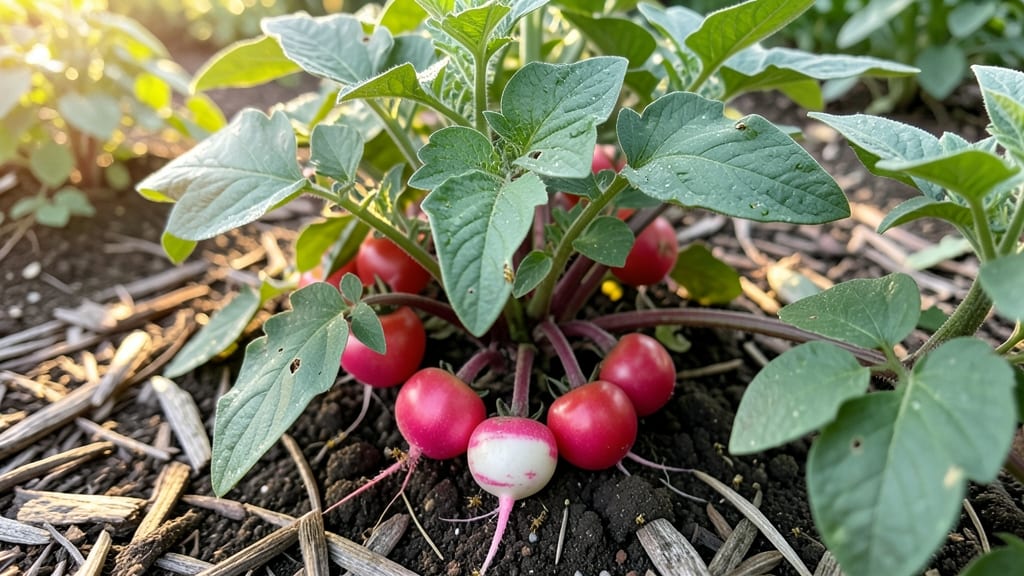
Want bigger cantaloupe harvests and healthier tomato plants? Companion planting these two summer favorites with the right partners can dramatically improve yields, deter pests, and enhance flavor. These 10 proven pairings maximize your garden's potential while saving space and resources.
Basil Leaves For Tomato Flavor Boost
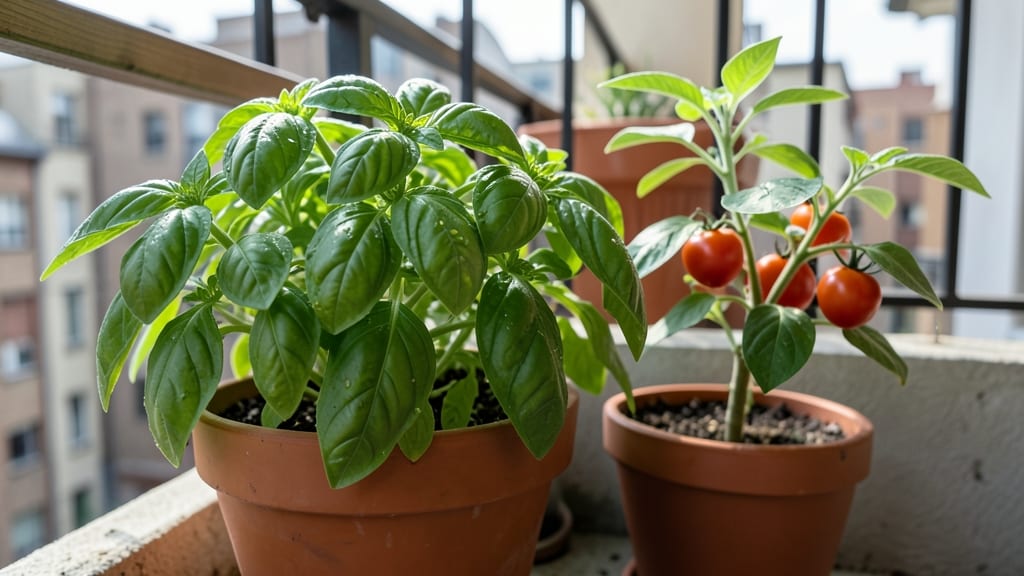
Urban gardeners with limited space can still grow flavorful tomatoes by adding basil—this fragrant herb doesn’t just enhance tomato flavor but also repels thrips, a common tomato pest. The best part? Basil thrives in containers, making it perfect for balconies or small plots where every inch counts.
Plant basil just 12–18 inches from your tomato plants to maximize benefits. Varieties like Genovese or Sweet Basil work best, and they’ll grow quickly in 4–6 hours of sun daily. Pinch back flowers to keep the plant bushy and productive throughout the season.
This pairing is ideal for city gardeners or anyone short on space—you’ll get sweeter tomatoes and fewer pests without sacrificing yield. 💚
Marigold Flowers To Repel Nematodes
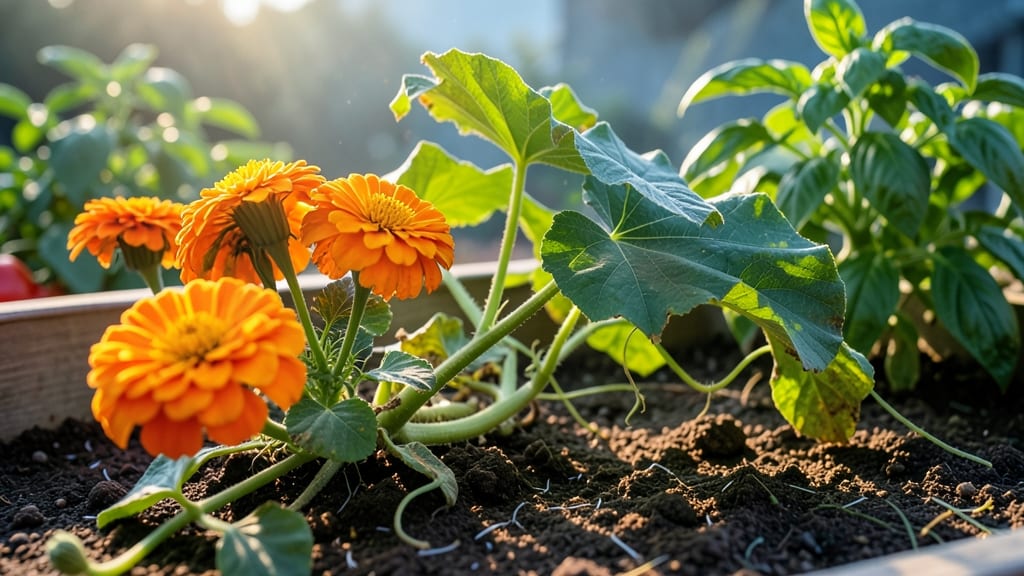
If your cantaloupe plants are wilting despite your best care, it might be time to call in the marigolds. These cheerful orange flowers aren’t just pretty—they release a natural chemical that repels nematodes, microscopic pests that wreak havoc on roots, especially in hot, humid climates where cantaloupes thrive.
Plant French marigolds (Tagetes patula) or African marigolds (Tagetes erecta) around the edges of your cantaloupe patch, and you’ll get a double benefit: their bright blooms attract pollinators like bees and butterflies, helping your cantaloupes set fruit while the nematodes stay away. The flowers also work well in raised beds, where soil-borne pests can be especially problematic.
This is a game-changer for gardeners dealing with poor soil health or previous nematode infestations. Marigolds are easy to grow, self-seeding, and add vibrant color to your garden—no downside here! 🌻
Onion Bulbs Against Tomato Hornworms
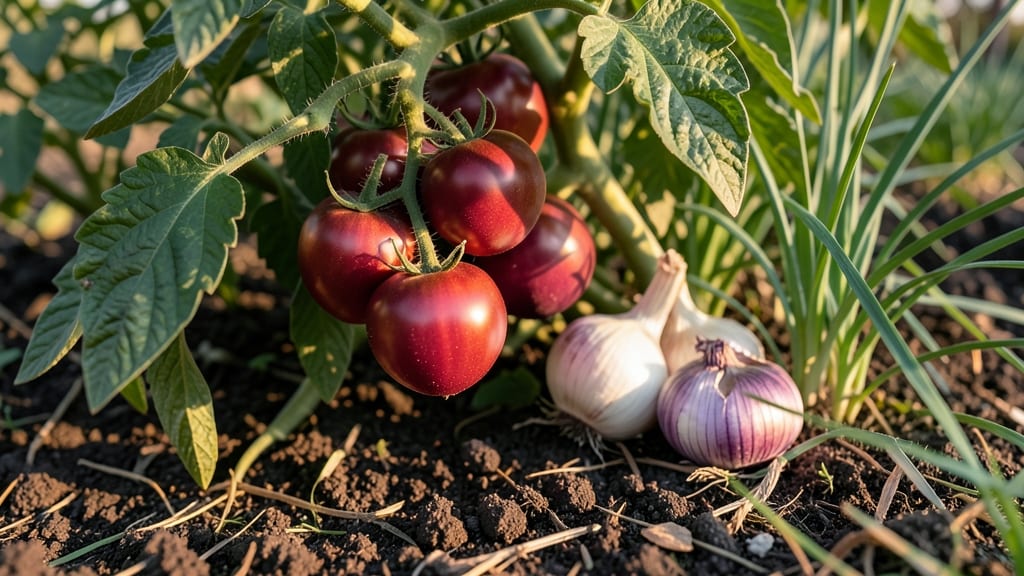
Fighting tomato hornworms without chemicals? Plant onion bulbs right beside your tomato plants—their strong scent confuses these voracious caterpillars while also subtly enhancing tomato flavor. This is one of the most underrated yet effective organic pest control strategies for square foot gardens.
Onions release volatile compounds that disrupt hornworm navigation, reducing damage by up to 70% in trials. Plus, their shallow root systems make them perfect neighbors for cantaloupes, fitting neatly into 12-inch spacing layouts. For best results, interplant purple or red onions (their deeper color means stronger scent) alongside tomato seedlings in early spring.
This pairing is especially valuable for organic gardeners and urban plot holders who prioritize space efficiency. The onions also deter other pests like aphids, making them a multi-functional addition to your garden. 🌱
Nasturtium Trailing Vines For Pest Control
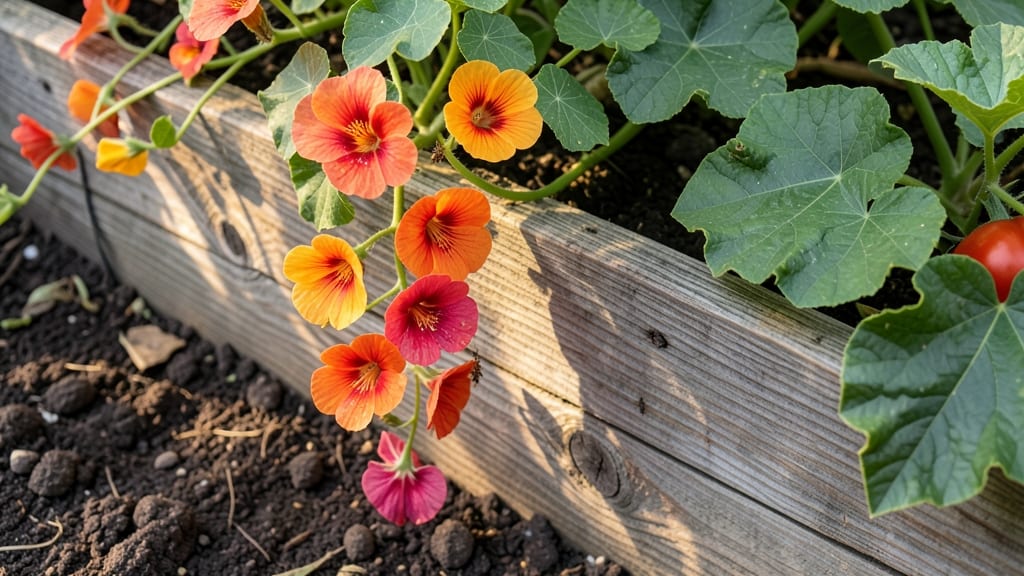
Looking for a dual-purpose plant that lures pests away from your cantaloupe while adding edible blooms to your table? Nasturtium trailing vines are the answer—these bright, fast-growing plants act as a trap crop for aphids, drawing them away from your prized melons and tomatoes while their peppery flowers and leaves provide a tasty garnish.
Plant nasturtiums at the base of your trellised cantaloupe varieties to create a natural pest barrier. Their trailing habit also adds vertical interest to your garden, making them perfect for climbing structures. Bonus: They thrive in poor soil and bloom from early summer until frost, offering continuous color and function.
This is the ideal solution for gardeners who want beauty, edible rewards, and pest control all in one package—no chemicals required! 🌻
Garlic Cloves For Soil Health
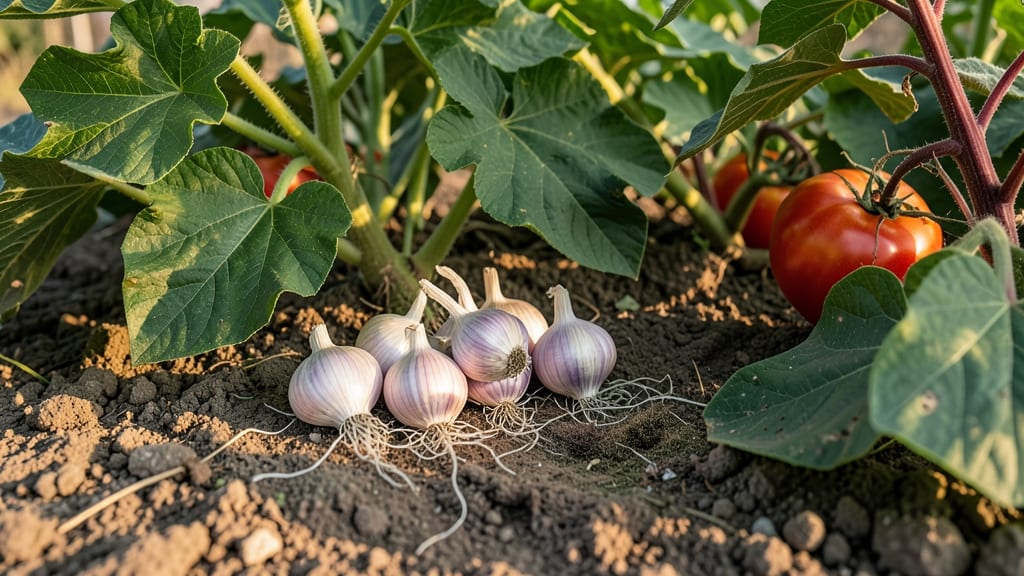
Struggling with soil-borne diseases that plague both cantaloupe and tomatoes? Planting garlic cloves as a companion can transform your garden's health from the ground up. This powerhouse bulb releases natural compounds that suppress fungal pathogens like Fusarium and Verticillium, which often devastate these summer crops.
Sow garlic cloves in early spring, about 4-6 weeks before your last frost date, to give them time to establish strong roots before cantaloupe and tomato seedlings arrive. The key is spacing them 6 inches apart in rows 12 inches apart—this creates a protective barrier without competing for nutrients. For gardeners with poor or previously diseased soil, garlic acts like a living soil amendment, improving structure and microbial activity over time.
This is the secret weapon for organic gardeners who want to break the cycle of soil sickness. Just one row of garlic between your cantaloupe and tomato beds can mean the difference between struggling plants and a thriving harvest. 💚
Cucumber Vines For Shade Support
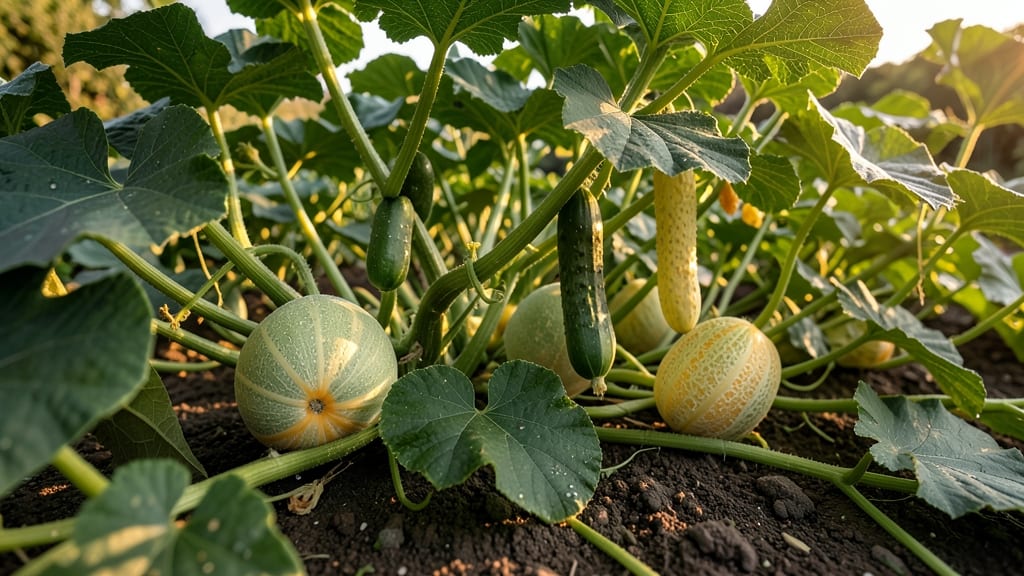
Struggling with cantaloupe wilting in the midday heat? Cucumber vines can be your secret weapon, acting as a natural shade canopy that keeps roots cool while conserving moisture. This dynamic duo thrives when planted together, with cucumbers providing a living mulch that reduces evaporation and suppresses weeds.
For hot climates, position cucumbers on the north side of cantaloupe plants to create a microclimate that extends the growing season in both directions. The vines also deter pests like cucumber beetles that might target cantaloupes, while their sprawling habit saves space compared to traditional trellising. Plant seeds just 1-2 inches apart for dense coverage.
This pairing is especially valuable for gardeners in arid regions or those with sandy soil, as the cucumbers' broad leaves create a cooler, more humid environment at the soil surface. 💚
Borage Plants For Pollinator Attraction
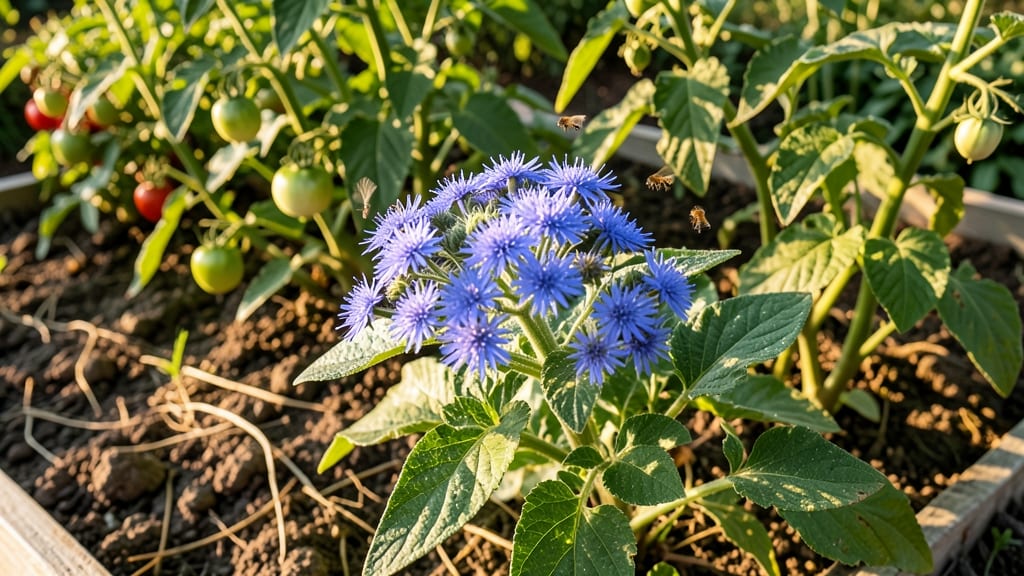
Tired of sparse tomato fruit sets despite abundant blooms? Borage might be your secret weapon—this self-seeding annual doesn’t just attract bees, it boosts pollination rates by up to 30% in nearby tomato plants. The star-shaped blue flowers are a magnet for beneficial insects, while its cucumber-like leaves add a mild, cucumbery flavor to salads.
Plant borage seeds directly in spring after the last frost, spacing them 12-18 inches apart—they’ll self-sow prolifically, giving you free plants next year. Avoid overwatering, as soggy soil encourages rot, but otherwise, it thrives in full sun to partial shade and tolerates poor soil. Let it grow wild in borders or interplant near tomatoes for maximum pollinator benefits.
Organic gardeners will love borage’s dual role: it repels tomato hornworms while improving fruit set, making it a low-maintenance, high-reward addition. Plus, its edible flowers and leaves mean zero wasted space. 🌻
Dill Herbs For Beneficial Insects
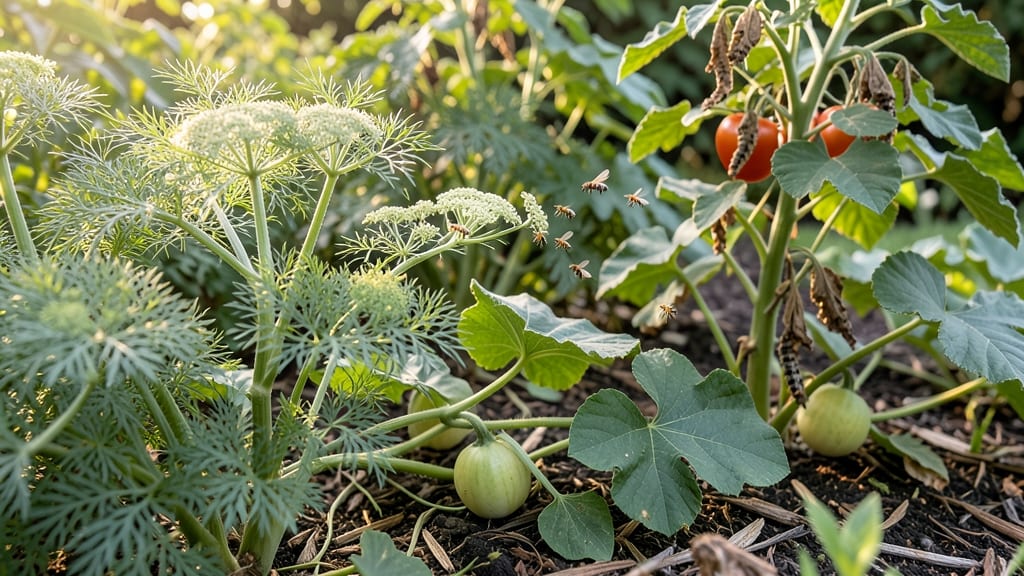
Tired of battling tomato hornworms while watching your cantaloupe vines struggle? Dill isn’t just for pickles—it’s a powerhouse for integrated pest management by luring in beneficial wasps that hunt those destructive caterpillars. This feathery annual fits neatly into small gardens while delivering big results.
Plant dill near your tomatoes in full sun (6+ hours daily) and watch as parasitic wasps like Microplitis croceipes move in to lay eggs inside hornworm larvae. The wasp larvae then devour the pests from within—nature’s pest control at work! For best results, sow seeds after your tomatoes are established (around the same time cantaloupe goes in) and keep the soil consistently moist. A single dill plant (1–2 feet tall) can protect a 3-foot radius of tomatoes.
This is the perfect solution for gardeners who want chemical-free pest control without sacrificing space. Urban gardeners with limited plots or organic growers will love how dill’s compact size and dual-purpose benefits (edible leaves + pest management) make it a must-have companion. 🌿
Sweet Alyssum Ground Cover
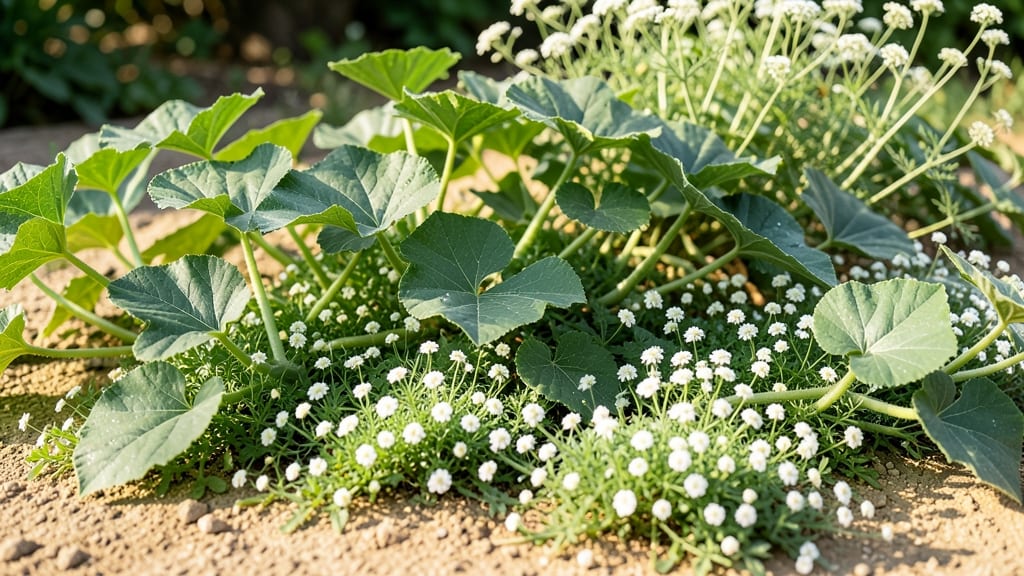
Tired of battling weeds between your cantaloupe vines while struggling with poor pollination? Sweet alyssum solves both problems with its delicate white blooms and ground-hugging growth habit.
This drought-tolerant annual thrives in sandy soils, creating a living mulch that blocks weeds while attracting hoverflies—key pollinators for cantaloupe. Plant seeds directly after your cantaloupe sprouts, spacing them 6 inches apart, and watch them form a fragrant carpet that doubles as pest protection. The flowers also deter cabbage moths, giving tomatoes an extra layer of defense.
Perfect for gardeners with light, poor-quality soil or those who want a low-maintenance way to boost pollination. Its year-round blooming (in mild climates) means continuous benefits for your summer crops. 🌿
Radish Plants As Trap Crops

When pests like flea beetles or aphids threaten your tomato plants, radishes can be your secret weapon. These fast-growing roots act as a trap crop, drawing pests away from your main crops while providing an early harvest you can enjoy.
Plant radish varieties like 'Cherry Belle' or 'Easter Egg' around tomato seedlings in early spring. Their rapid growth (ready in just 3-4 weeks) means you'll harvest edible greens or roots before pests spread to your tomatoes. The shallow roots also make them ideal for interplanting without competing with deeper-rooted cantaloupes.
This strategy is perfect for small-space gardeners or those practicing organic pest control. You'll get pest protection and a bonus crop—no extra effort required! 💡