
Pests
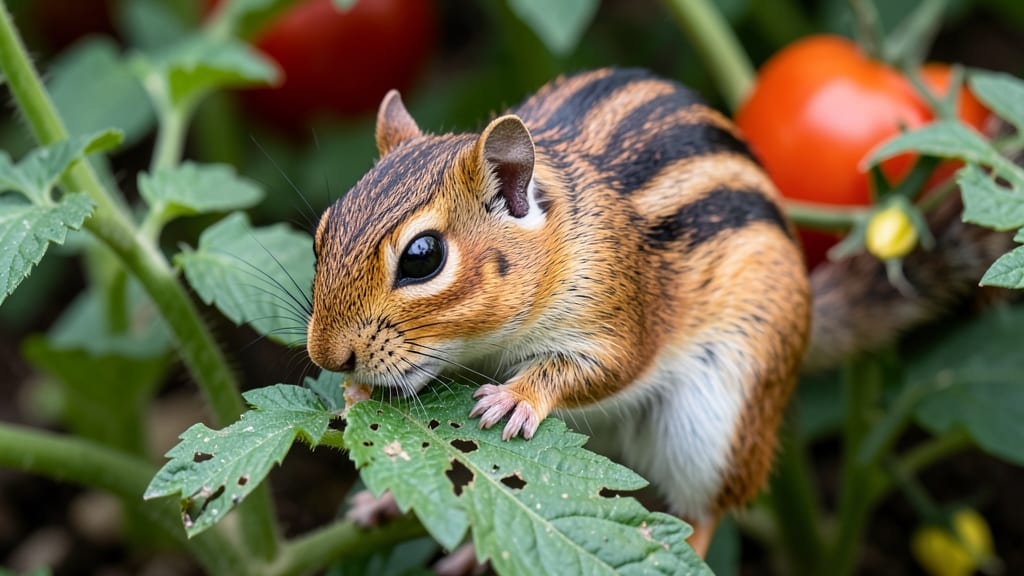
My tomato plants looked like Swiss cheese after the chipmunks eating tomato plants discovered them—until I learned these humane tricks that actually work. 🌱 These striped bandits don’t just nibble leaves; they strip entire vines overnight, leaving you staring at bare stems by harvest time.
The good news? You can outsmart them without traps or harm.
The first step is understanding why they’re there: chipmunks dig for seeds and bugs in loose soil, and your tomato plants offer easy snacks. A physical barrier—like hardware cloth wrapped around plants—stops them dead while letting roots breathe.
I’ve also had success with hot pepper spray (mix cayenne with water) or even predator urine (fox or coyote, available online).
Once you’ve protected your plants, focus on habitat tweaks—keep grass short, remove brush piles, and store birdseed in metal containers. Chipmunks need cover to raid, so eliminating hiding spots works wonders.
Within a week, you’ll see them move on to easier targets, and your tomatoes will rebound with vibrant green leaves and heavy fruit.
This works for raised beds, containers, and in-ground gardens alike—no matter how many chipmunks are in your yard. The key is consistency: combine barriers, repellents, and habitat changes for the best results. Your harvest (and sanity) will thank you.
Why Chipmunks Target Your Tomatoes
If you’ve ever spotted tiny, furry critters munching away on your prized tomato plants, you’re not alone. Chipmunks are notorious for their love of ripe, juicy tomatoes—and their relentless foraging habits can leave your garden in shambles.
But why do these small, striped rodents go after your plants in the first place? Let’s break down the science behind their behavior and uncover the real reasons they’re raiding your garden.
Tomatoes are packed with natural sugars, moisture, and vitamins that make them an irresistible snack for chipmunks. From a nutritional standpoint, ripe tomatoes offer:
- High water content—Chipmunks need hydration, especially in dry climates, and tomatoes provide a convenient water source.
- Natural sugars and carbs—These give chipmunks a quick energy boost, perfect for their high-metabolism lifestyles.
- Low fiber, easy digestion—Unlike tough garden greens, tomatoes are soft and simple to eat, making them a favorite over other plants.
- Vitamin C and antioxidants—While humans need these, chipmunks also benefit from the nutrients, making tomatoes a superfood for them.
Actionable insight: If you notice chipmunks targeting only your ripe tomatoes and leaving other greens alone, it’s a clear sign they’re after the nutritional payoff. Pro tip: 💡 Harvest tomatoes as soon as they ripen to reduce temptation!
Chipmunks are foragers by nature, and your garden may unknowingly be the perfect buffet for them. Here’s how your landscaping might be inviting them in:
- Mulch and leaf litter—Chipmunks use these as nesting material and food sources. If your garden has thick mulch, they’ll see it as a five-star hotel with room service.
- Open soil and loose rocks—These provide easy digging spots where chipmunks can stash food (a behavior called caching) for later.
- Water sources nearby—Birdbaths, dripping hoses, or even dew-covered plants attract chipmunks, who then scout for food in the vicinity.
- Lack of natural predators—If your yard is free of owls, snakes, or cats, chipmunks feel safe enough to boldly raid your garden.
Actionable insight: Reduce hiding spots by keeping mulch thin (2–3 inches max) and removing leaf piles. Pro tip: 🌡️ If you’ve noticed chipmunks only appear after rain, they’re likely drawn to the damp soil—consider humane deterrents for these conditions.
Chipmunks are crepuscular, meaning they’re most active at dawn and dusk—the same times many gardeners are not watching. Their foraging peaks during:
- Early morning (5–8 AM)—They wake up hungry after a night of rest and scavenge for easy meals.
- Late afternoon (4–7 PM)—As temperatures drop, they forage to stock up before nightfall.
- Post-rain or after watering—Moist soil makes digging easier, and they take advantage to cache food.
Actionable insight: If you’ve spotted chipmunk damage only in the early morning or evening, adjust your garden routine. Pro tip: ✨ Set up motion-activated lights or sprinklers during these windows to startle them away without harm.
Chipmunks have excellent memories and can remember food sources for weeks or even months. If they find your tomato plants delicious once, they’ll:
- Return repeatedly—They’ll map the location in their minds and revisit it.
- Teach other chipmunks—Through vocalizations and body language, they’ll recruit friends to the feast.
- Associate your garden with food—If they keep getting rewarded, they’ll see it as a reliable food source.
Actionable insight: The moment you notice damage, act fast—delaying deterrents gives them more time to claim your garden as their personal snack bar. Pro tip: 🎯 Rotate deterrent methods (like moving repellent stations) to keep them guessing!
Understanding why chipmunks target your tomatoes is the first step in outsmarting them. Now that you know their motives—nutrition, habitat, timing, and memory—you can use humane, science-backed strategies to protect your harvest without harming these clever little critters.
Stopping Garden Thieves Naturally
Now that you understand why chipmunks are feasting on your tomato plants, it’s time to take action—without harming these energetic little creatures. The key is combining humane deterrents, smart garden design, and preventive strategies to keep your plants safe while giving chipmunks alternative snacks.
Here’s how to tackle the problem step by step:
Chipmunks are curious and opportunistic, so the first line of defense is making your garden less inviting.
🍳 Build Physical Barriers
- Chicken Wire or Hardware Cloth: Wrap the base of your tomato plants with 1/4-inch mesh wire, burying it 6–12 inches deep to prevent digging.
Extend it 12–18 inches above the soil to stop climbing. - Plant Guards: Use cardboard collars (cut from old boxes) or plastic plant protectors around individual stems.
Replace every few weeks as they decompose. - Raised Beds: If possible, grow tomatoes in elevated containers (at least 12 inches off the ground) to eliminate ground-level access.
👨🍳 Create Unappealing Landscaping
Chipmunks dislike rough textures and strong scents.
Try these tricks: - Gravel or Mulch: Spread coarse gravel or pine cones around plants—they hate the feel and will avoid it. - Prickly Plants: Border your garden with rosemary, thyme, or marigolds (their strong fragrance deters pests). - Diatomaceous Earth (Food-Grade): Sprinkle a thin layer around the base of plants.
It’s harmless to chipmunks in small doses but makes digging uncomfortable.
If chipmunks are already snacking, make your tomatoes less appealing by offering better alternatives nearby.
🔪 Offer Distraction Snacks
Place a separate feeding station 20+ feet from your garden with:
- Sunflower seeds (unsalted)
- Peanuts (in the shell)
- Corn kernels
- Fresh fruits (like apples or berries)
💡 Pro Tip: Use a shallow dish with water nearby—chipmunks love to drink, and this keeps them occupied away from your plants.
🌱 Choose Chipmunk-Resistant Tomatoes
Some varieties are less tempting due to:
- Bitter or hairy leaves (e.g., ‘Black Krim’ or ‘Cherokee Purple’)
- Smaller, less visible fruits (e.g., ‘Tiny Tim’ or ‘Patio’ tomatoes)
- Early harvest times (plant fast-maturing varieties like ‘Early Girl’ to beat the chipmunk season).
Timing is everything when it comes to outsmarting chipmunks.
🌱 Plant at the Right Time
- Delay planting until after the first frost when chipmunks are less active (early spring or late summer).
- Use row covers (fine netting) over young plants until they’re established.
🍅 Harvest Frequently
Chipmunks target ripe, soft tomatoes. Pick fruits every 2–3 days to reduce temptation. If you can’t harvest often, cover plants with netting during peak chipmunk hours (dawn and dusk).
Once you’ve secured your current crop, set up your garden to deter future visitors.
| Strategy | How to Do It | Why It Works |
|---|---|---|
| Rotate Plant Locations | Move tomato plants yearly to confuse chipmunks. | They rely on scent trails and memory. |
| Plant Repellent Herbs | Surround tomatoes with mint, basil, or garlic. | Strong scents mask tomato smells. |
| Use Motion-Activated Sprinklers | Install solar-powered sprinklers (like ScareCrow). | Sudden water sprays startle them away. |
| Keep Feeders Away | Store birdseed in metal containers with tight lids. | Chipmunks are attracted to easy meals. |
🔥 Hot Tip: If you have a dog or cat, let them patrol the garden occasionally—even a quick chase can train chipmunks to avoid the area.
By combining physical barriers, distraction tactics, and smart gardening habits, you can protect your tomato plants without harming chipmunks. These methods are effective, humane, and sustainable—so you can enjoy your harvest and keep your tiny garden guests happy (and well-fed elsewhere!).
Frequently asked questions
Why do chipmunks prefer tomatoes over other garden plants?
Chipmunks love tomatoes because they're packed with natural sugars, moisture, and easy-to-digest nutrients. Unlike tough greens, tomatoes provide quick energy and hydration—perfect for their high-metabolism lifestyle. The soft flesh and sweet flavor make them irresistible compared to fibrous vegetables.
Will diatomaceous earth actually keep chipmunks away?
Food-grade diatomaceous earth can help, but it's not a permanent solution. The fine powder irritates their tiny feet and fur, making digging uncomfortable. For best results, reapply after rain and combine it with other deterrents like gravel barriers or repellent plants.
How soon will I see results from using motion-activated sprinklers?
Most gardeners notice a difference within 24-48 hours of installation. Chipmunks are sensitive to sudden movements and water sprays. For maximum effectiveness, place sprinklers near high-traffic areas (like garden edges) during dawn and dusk when chipmunks are most active.
Can I use predator urine to deter chipmunks humanely?
Yes, but choose fox or coyote urine (available at garden stores) rather than synthetic versions. Apply it around plant bases and refresh every 2-3 weeks or after rain. The scent mimics natural predators, making chipmunks think twice before approaching. Always use sparingly to avoid harming other wildlife.
What's the best time of year to plant tomatoes to avoid chipmunk damage?
Plant after the last frost date in your area (typically late spring) when chipmunks are less active. Alternatively, try fall planting (late summer) when they're preparing for winter and less likely to forage. For extra protection, use row covers until plants are established.