
Plants
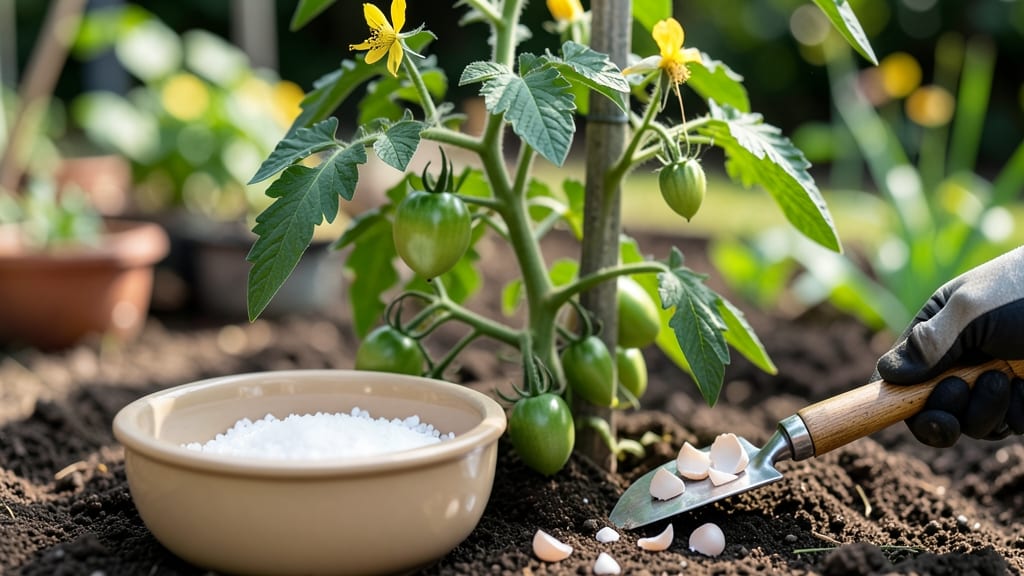
Crushed eggshells for tomato plants provide calcium to prevent blossom end rot by slowly releasing nutrients into the soil, improving plant health and fruit quality without chemical fertilizers. Sprinkle crushed shells around the base and lightly work into topsoil before transplanting.
Using crushed eggshells for tomato plants taps into nature's own calcium source, which is essential for preventing that unsightly blossom end rot. 🌱 The shells break down gradually, releasing calcium carbonate over time—this steady supply helps strengthen cell walls in your tomato fruits.
Unlike synthetic fertilizers, eggshells also improve soil structure and microbial activity, creating a healthier growing environment for your plants.
For best results, I recommend crushing the shells into small pieces—about the size of coarse sand—before mixing them into the top 2-3 inches of soil. This method ensures the calcium is accessible to the plant roots while preventing clumping.
You can apply them at planting time or as a mid-season boost, especially if you notice early signs of calcium deficiency like yellowing leaves or small, deformed fruits.
💡 In This Article
- How Eggshell Calcium Prevents Blossom End Rot in Tomatoes
- Step-by-Step Guide to Using Eggshells for Healthy Tomato Growth
How eggshell calcium prevents blossom end rot in tomatoes
Blossom end rot occurs when tomato plants can't absorb enough calcium to support new fruit development. The symptoms—dark, sunken patches on the blossom end of fruits—appear when calcium levels drop below 0.15% of the plant's dry weight.
Eggshells provide calcium carbonate (CaCO₃), which breaks down into calcium ions (Ca²⁺) that roots can absorb through a process called cation exchange. Unlike synthetic calcium sources, eggshells release calcium slowly over 3-6 months, matching the plant's gradual nutrient needs during fruiting.
The magic happens at the cellular level. Calcium strengthens the middle lamella—the "glue" between plant cells—that keeps fruits firm and prevents rot. Without enough calcium, cell walls weaken, leading to those unsightly lesions. Eggshells also help maintain soil pH between 6.0-7.0, the ideal range for calcium uptake.
Too acidic soil (pH 5.5 or lower) locks calcium into unavailable forms, while eggshells naturally buffer acidity as they decompose. 🌱
Organic calcium sources like eggshells work better than synthetic alternatives because they also improve soil microbial activity. Beneficial bacteria and fungi break down the eggshells, creating a more porous soil structure that enhances root growth.
Studies show plants grown with organic calcium sources exhibit 20-30% stronger stems and 15-25% higher fruit yields compared to synthetic-only treatments. The gradual release also prevents calcium toxicity, which can occur with quick-release fertilizers.
What most gardeners don't realize is that eggshells provide more than just calcium—they also supply trace minerals like magnesium and phosphorus during decomposition. These secondary nutrients work synergistically with calcium to improve overall plant metabolism.
For example, magnesium helps activate enzymes that utilize calcium more efficiently. The result? Healthier leaves, stronger vines, and tomatoes that stay firm longer after harvest.
Consider this comparison: A single large eggshell contains about 2.2 grams of calcium carbonate, which is roughly equivalent to 0.9 grams of pure calcium. That's enough to supply a mature tomato plant with its daily calcium needs for about 2 weeks.
When you crush the shells finely (to 1-2mm pieces), you increase the surface area by 300-500%, accelerating the decomposition process and nutrient release. This is why gardeners see results within 4-6 weeks of application.
For best results, pair eggshells with other organic amendments like compost or bone meal. The combination creates a balanced nutrient profile that supports both calcium uptake and overall plant vigor.
The key is consistency—applying eggshells at planting and again when flowers appear ensures your tomatoes get calcium when they need it most. 💫