
How To
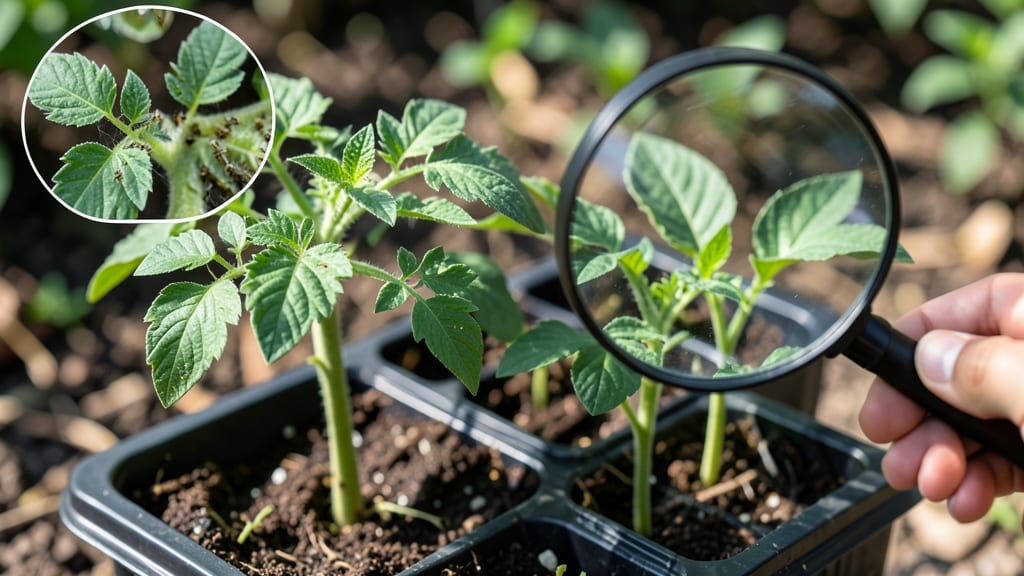
When tomato seedlings develop curled leaves, it’s almost always a sign of stress from inconsistent watering, extreme temperature shifts, or tiny pests like spider mites hiding on leaf undersides. Act fast by testing soil moisture, trimming damaged foliage, and applying neem oil if pests are present.
Tomato seedlings are particularly sensitive to their growing conditions, and curled leaves are their way of saying "something’s off." 🌱 The most common triggers are soil moisture extremes—either soggy roots cutting off oxygen or bone-dry soil forcing leaves to conserve water.
Temperature swings (like moving pots between hot sun and cold drafts) can also cause this reaction, as can hidden pests that suck sap from leaf edges.
I’ve found that a quick soil check with your finger (top inch should feel damp but not wet) and a gentle spray of water on leaf undersides often reveals the root cause within minutes.
The good news is that tomato seedlings are resilient.
Once you identify the stressor—whether it’s adjusting your watering schedule, moving plants to a more stable location, or wiping down leaves with soapy water—most seedlings bounce back within a week. 💫 Prevention is key: use well-draining soil, maintain consistent moisture, and inspect new plants before bringing them indoors.
This simple habit can save you hours of troubleshooting later.
💡 In This Article
- Common Causes of Curled Tomato Seedling Leaves
- Step-by-Step Tomato Seedling Recovery Guide
Common causes of curled tomato seedling leaves
Curled leaves on tomato seedlings typically stem from abiotic stress—environmental factors that disrupt normal growth. The most common culprit is inconsistent soil moisture, where either overwatering (causing oxygen deprivation) or underwatering (forcing leaves to curl inward to reduce water loss) triggers the response.
For example, soil that stays soggy for more than 48 hours can suffocate roots, while dry soil with a moisture level below 30% forces leaves to conserve water by curling. 🔥
The second major cause is temperature fluctuations, particularly when seedlings experience rapid shifts between hot and cold. Tomatoes thrive in 70-80°F daytime temperatures, but drops below 55°F or spikes above 90°F can shock the plant, causing leaves to curl as a protective measure.
Even drafts from air conditioning or heating vents can create microclimates that stress seedlings. Visually, temperature-related curling often appears as a uniform upward roll across multiple leaves rather than isolated spots.
Biotic stress—like pests or diseases—can also trigger curling. Spider mites, for instance, pierce leaf cells to suck sap, causing tiny yellow or brown specks on leaf undersides before leaves curl and dry out. Fungal infections like early blight may start with small dark spots that expand into curled, leathery patches. The key difference? Pest damage often shows webbing or tiny moving dots on leaf undersides, while fungal issues appear as irregular brown patches with a fuzzy texture.
Nutrient deficiencies can also play a role, particularly potassium or nitrogen shortages. A lack of potassium (common in young seedlings) causes leaf edges to curl and brown, while nitrogen deficiency results in pale, yellowing leaves that eventually curl inward.
To test, compare older leaves (which show deficiency symptoms first) to newer growth—if older leaves are curled but younger ones are healthy, it’s likely a nutrient issue rather than environmental stress.
One often-overlooked factor is transplant shock, where seedlings react to sudden changes in light, soil composition, or container size. If you’ve recently moved seedlings to a new pot or outdoor location, the curling may be a temporary response to adjusting to new conditions.
In this case, monitor for 2-3 days—if no other symptoms appear, the plant is likely just acclimating. 🌱
To diagnose the exact cause, start with a soil moisture test (stick your finger 1-2 inches deep—should feel damp but not wet) and inspect leaf undersides with a magnifying glass for pests.
If the soil is the issue, adjust your watering routine; if pests are present, isolate the plant and treat with neem oil. The faster you act, the quicker your seedlings will recover.