
Plants
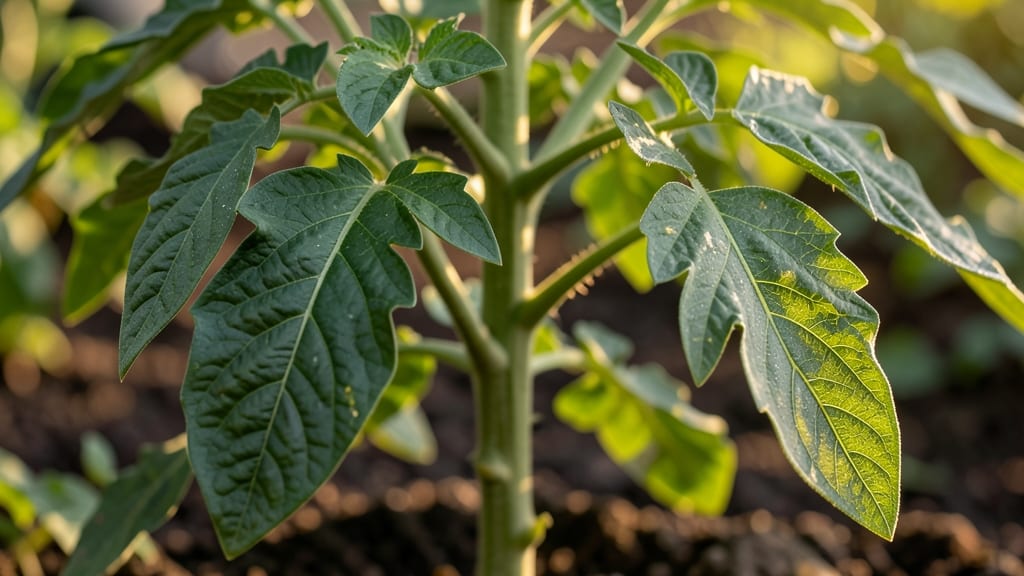
Tomato plant leaves reveal critical clues about plant health, variety, and care needs. Knowing how to identify these leaf types helps gardeners diagnose issues early and nurture thriving plants—whether you're growing heirlooms or disease-resistant hybrids.
Smooth Green Tomato Leaves
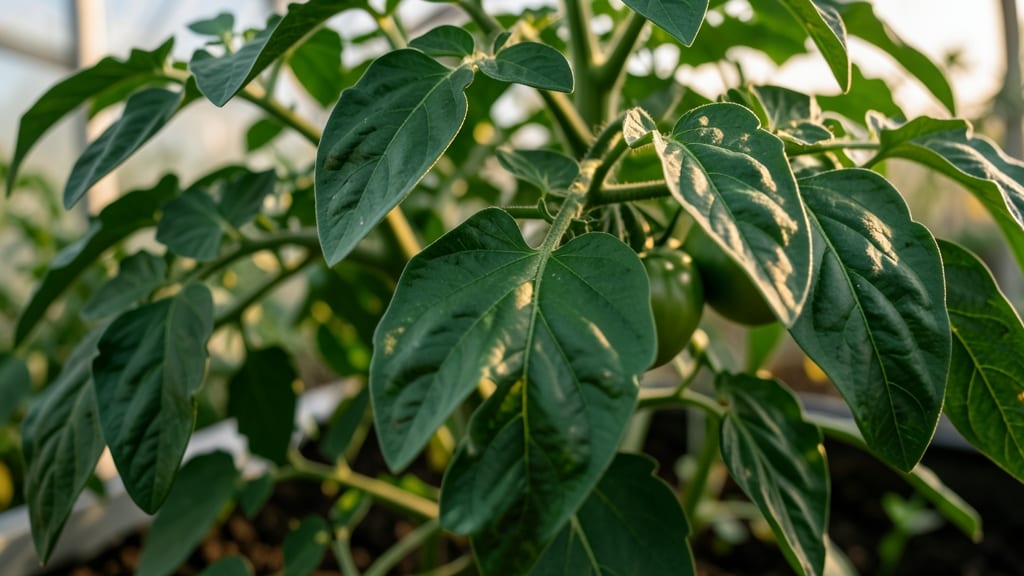
When your Roma or Beefsteak tomato plants sport glossy, deep green leaves with smooth edges, you're looking at the gold standard of tomato health. These leaves aren't just pretty—they're a visual cue that your plant is thriving in ideal conditions, primed for maximum fruit production.
The smooth, unblemished edges and vibrant color indicate strong photosynthesis, while the firm texture suggests proper hydration. For these varieties, this leaf type often correlates with larger, sweeter tomatoes later in the season. To maintain this ideal state, ensure your plants receive 6-8 hours of sunlight daily and mulch to retain moisture.
This leaf trait is especially valuable for home gardeners aiming for high yields without chemical interventions. If you notice any deviations from this perfect leaf, it's time to check for pests or environmental stressors. 🌱
Curly or Crinkled Tomato Leaves
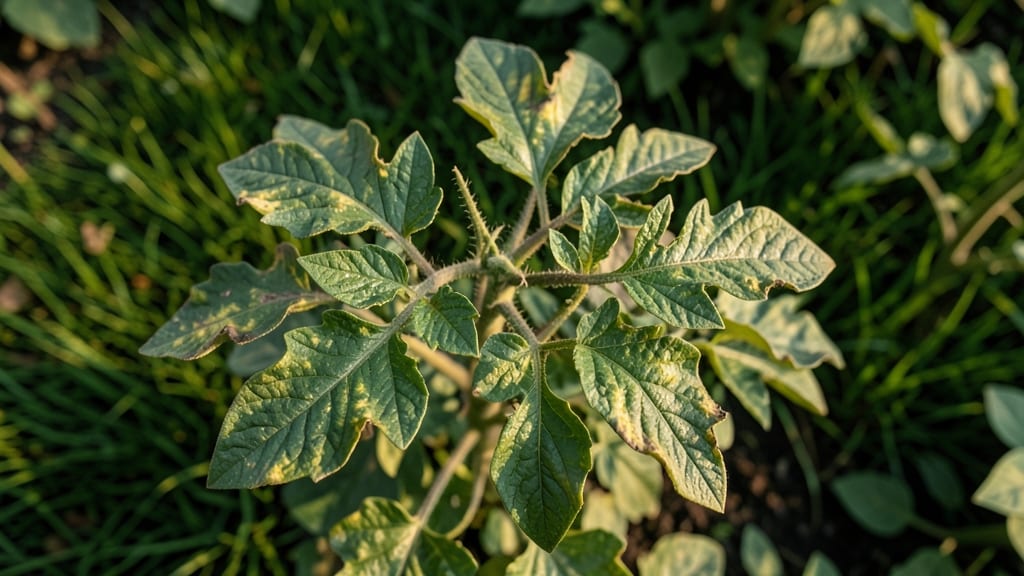
If your heirloom tomato plants are sporting wavy or crinkled leaves, don’t ignore it—this is often a red flag for Tomato Mosaic Virus (ToMV) or severe environmental stress. Unlike smooth, healthy leaves, these distorted edges can signal irreversible damage if not addressed quickly, especially in varieties prized for genetic purity.
Check for accompanying symptoms like yellow mottling or stunted growth, which confirm viral infection. Since ToMV spreads through contaminated tools or aphids, remove infected plants immediately and disinfect your workspace. For environmental stress, ensure consistent moisture and protect plants from extreme heat or wind, which can mimic viral symptoms in heirlooms.
This early warning system is a lifesaver for seed savers and organic growers who rely on maintaining true-to-type plants. Catching curl early could mean the difference between saving your harvest or losing an entire season. 💚
Hairy or Fuzzy Tomato Leaves
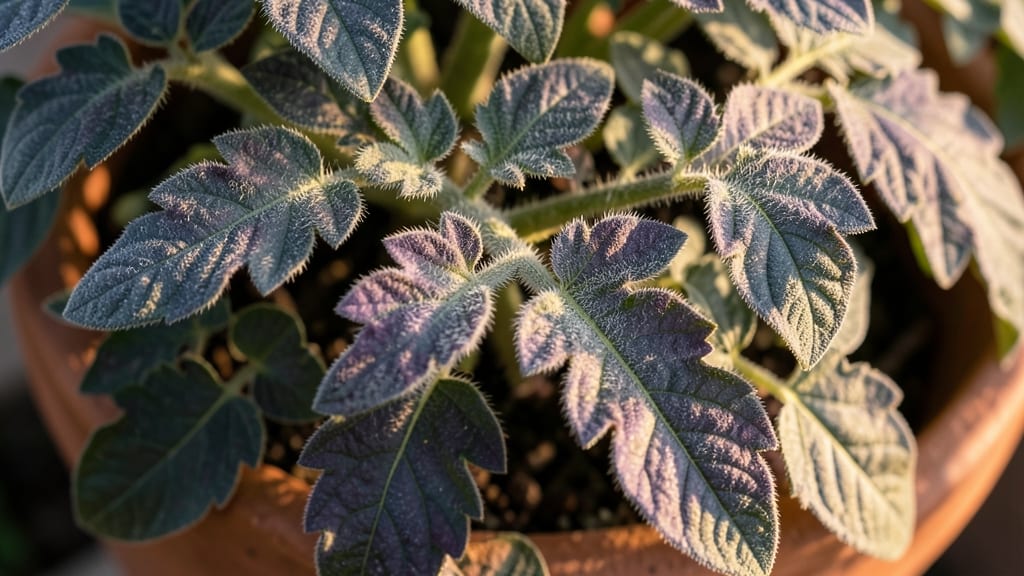
If you’ve ever wondered why some tomato plants look like they’re covered in a soft blanket of fur, those hairy or fuzzy leaves aren’t just a quirky trait—they’re a built-in pest deterrent! Varieties like Cherokee Purple and wild tomato species develop this fuzzy texture to confuse insects and reduce damage, making them a gardener’s secret weapon against aphids and spider mites.
However, those same hairs create a cozy environment for fungal spores, so watering these plants requires extra care. Aim for deep, infrequent watering at the base rather than overhead sprinkling, and avoid letting leaves stay damp overnight. The trade-off? Fewer pesticides and a unique heirloom flavor worth the effort. 🌱
Yellowing or Spotted Tomato Leaves
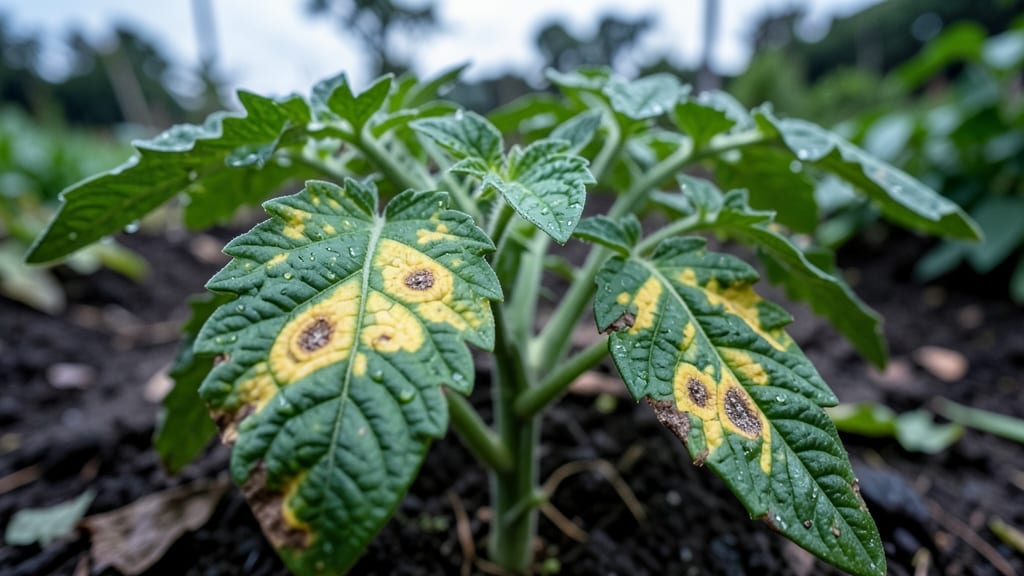
When your tomato leaves develop yellow patches or mysterious spots, it’s not just cosmetic—it’s your plant’s way of signaling nutrient deficiencies or early blight, a fungal disease that thrives in damp conditions. Organic gardeners especially need to act fast, since chemical sprays aren’t an option for many of us.
Start by checking the pattern: Yellowing between veins often means nitrogen deficiency, while brown spots with yellow halos are classic signs of early blight. Prune infected leaves immediately (sterilize your shears!) and space plants wider to improve airflow. For organic prevention, apply a copper fungicide or compost tea every 7–10 days once symptoms appear.
This is your chance to save the harvest before the disease spreads. Early action means healthier plants and more tomatoes—no compromises needed! 💚
Deeply Lobed Tomato Leaves
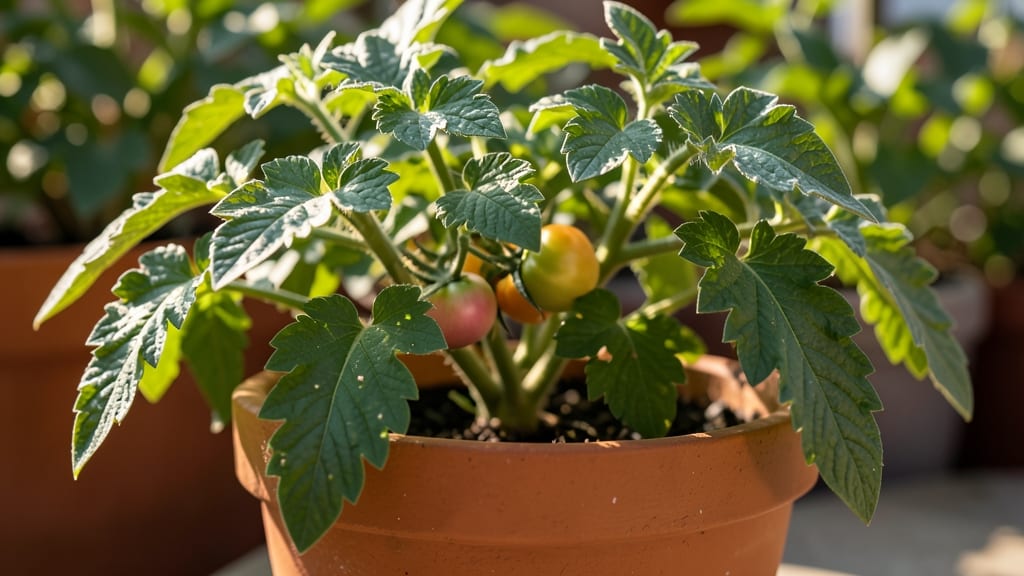
If you're growing tomatoes in containers or small spaces, look for deeply lobed leaves—this is your sign to plant determinate varieties like Bush Early Girl or Stupice. These compact plants produce all their fruit at once, making them perfect for balconies, patios, or raised beds with limited room.
The leaves feature prominent, jagged lobes that create a distinctive, almost fern-like appearance. Unlike their indeterminate cousins, these plants stay contained, rarely exceeding 3-4 feet tall, and thrive in 5-gallon containers with proper drainage. They're also early producers, often yielding fruit in just 60-70 days, ideal for short growing seasons.
Urban gardeners and small-space enthusiasts will love how these varieties pack a punch without sprawling. Just ensure they get 6-8 hours of sun daily and consistent watering to keep those lobed leaves vibrant and productive. 🌱
Purple-Tinged Tomato Leaves
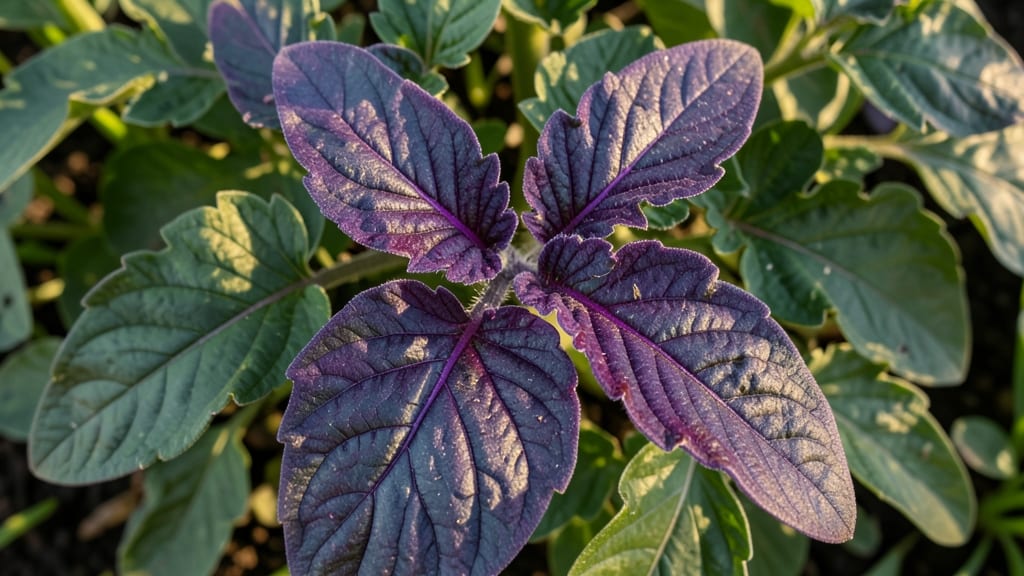
If you’ve ever spotted deep purple veins or edges on tomato leaves, you’re looking at a plant packed with antioxidants and cold-hardiness. Varieties like Black Krim or Purple Russian showcase this stunning trait naturally, thanks to anthocyanins—the same compounds that give blueberries their color. These pigments don’t just look dramatic; they also help the plant withstand cooler temperatures better than traditional green-leafed varieties.
Growers in shorter seasons or cooler climates will appreciate these varieties, as they often produce fruit earlier in the season. The flavor profile leans toward earthy, smoky, and slightly sweet notes, making them a favorite among chefs and home gardeners alike. To encourage vibrant purple hues, provide morning sun and afternoon shade—this balances heat stress while preserving the anthocyanins.
This leaf trait is perfect for gardeners who love unique flavors and want to stand out at harvest time. Plus, the striking foliage doubles as a conversation starter in your garden. 💚
Giant or Variegated Tomato Leaves
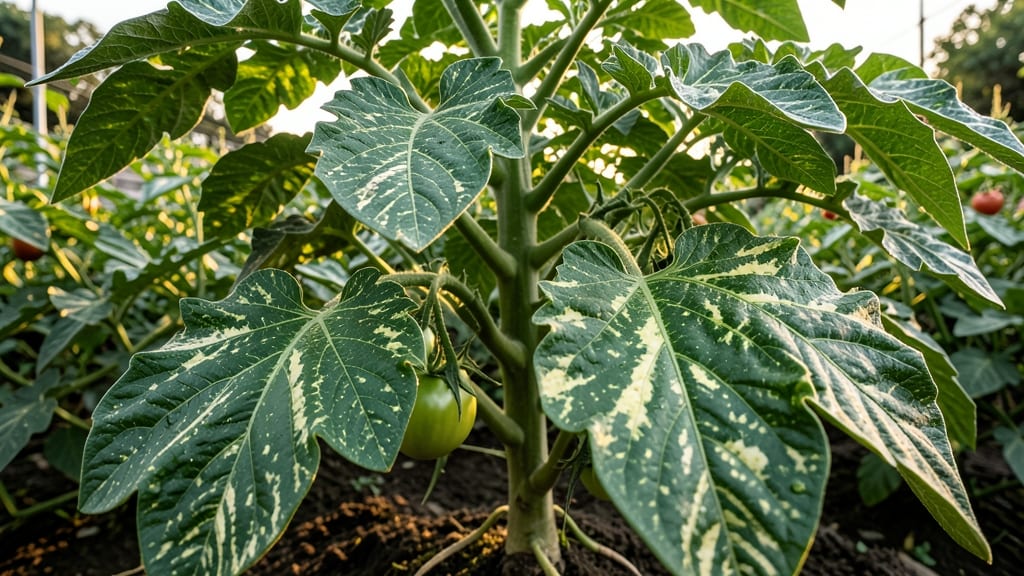
Want to turn heads in your garden with tomato plants that look like they belong in a botanical masterpiece? Giant or variegated tomato leaves are the ultimate conversation starters—whether you're growing them from rare mutant seeds or grafting onto sturdy rootstocks.
These leaves can be twice the size of standard varieties, with striking white, yellow, or pink variegation that catches sunlight like stained glass. However, they demand extra care: use well-draining, nutrient-rich soil and provide morning sun with afternoon shade to prevent leaf scorch. Variegated types may produce slightly smaller fruits, but the visual impact makes them worth it for ornamental beds or container displays.
Perfect for gardeners who love showstopping foliage and don’t mind a little extra effort, these plants thrive best in warm climates or greenhouses where their delicate leaves stay protected. 🌟