
Plants
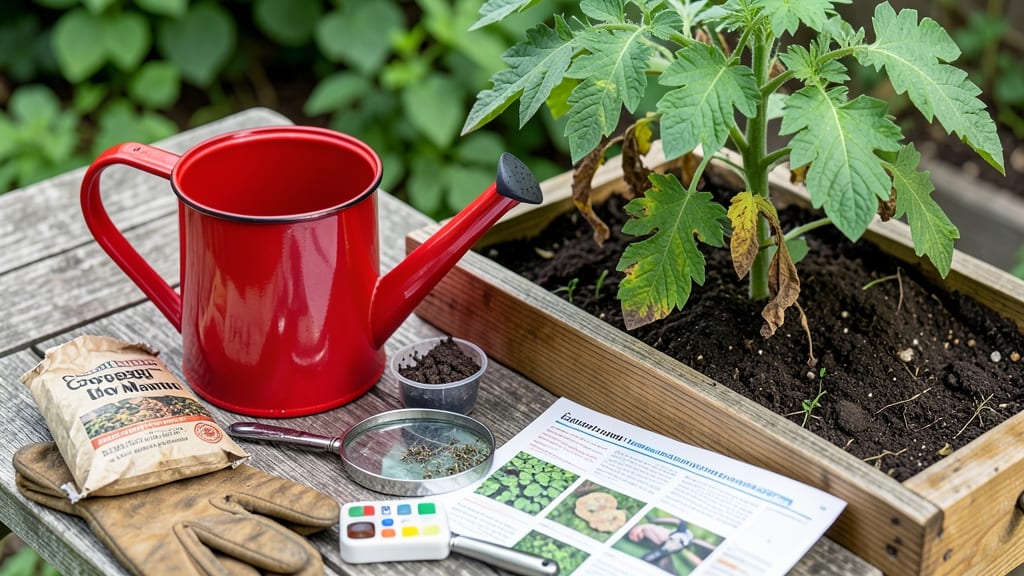
What makes tomato plant leaves turn yellow doesn’t have to mean your plants are doomed—it’s usually a fast fix waiting to happen. 🌱 I’ve seen gardeners panic over yellowing leaves only to discover it was something simple like overwatering or a missing nutrient. The key is spotting the pattern: uniform yellowing, splotches, or wilting tells you exactly what’s wrong and how to stop it before the whole plant suffers.
Most yellow leaves fall into five clear categories: overwatering (leaves droop and yellow at the bottom), nutrient deficiency (older leaves yellow first), disease (spotted or curling leaves), pests (tiny holes or webbing), or sunburn (crispy yellow edges).
I’ve diagnosed every one of these in my own garden—sometimes even in the same season—and each has a specific solution that works in under 24 hours if caught early. The worst mistake? Ignoring the first signs and waiting for the problem to spread.
You’ll walk away knowing how to test your soil’s moisture, spot the difference between fungus and pests, and choose the right fertilizer without guessing.
My go-to fix for nutrient issues is a balanced 10-10-10 fertilizer applied at the base of the plant, while overwatering just needs a pause and better drainage. The best part? Healthy leaves mean more tomatoes, and that’s a harvest worth saving.
This works for backyard gardens, containers, and even greenhouse setups—no matter your growing style. Once you master these five fixes, you’ll spot yellowing leaves before they become a crisis. Let’s get those plants back to their vibrant green and your kitchen table loaded with ripe tomatoes.
The Real Culprits Behind Yellowing Tomato Leaves
Yellowing leaves on your tomato plants can feel like a mystery—until you pinpoint the exact cause. 🌱🔍 Each scenario triggers leaf discoloration in its own way, often leaving behind clues if you know what to look for.
Let’s break down the most common reasons your tomato leaves are turning yellow, why they happen, and what’s really going on in your garden.
Yellowing leaves are often a sign of root stress, and overwatering is one of the most common culprits. When soil stays soggy for too long, roots suffocate and struggle to absorb oxygen, nutrients, and water efficiently.
Here’s what happens:
- Root Rot: Excess moisture creates the perfect environment for fungal pathogens like Phytophthora or Pythium, which rot roots and block nutrient uptake. The first sign? Yellowing leaves, especially on lower stems.
- Nutrient Starvation: Even if you’re fertilizing, waterlogged soil locks up essential nutrients like nitrogen, iron, and potassium. Roots can’t access them, leading to chlorosis (yellowing) between leaf veins.
- Toxic Buildup: Overwatering flushes away oxygen but leaves behind harmful salts or chemicals from tap water or fertilizers, further stressing the plant.
💡 Pro Tip: Stick your finger 2 inches into the soil—if it’s damp, wait before watering. Use raised beds or containers with drainage holes to prevent soggy soil. If root rot is suspected, trim affected roots and repot in fresh, well-draining mix.
Tomato plants are heavy feeders, and yellowing leaves often signal a nutrient deficiency. While nitrogen is the most common issue, deficiencies in micronutrients like iron, magnesium, or zinc can also trigger yellowing in specific patterns.
Breakdown by nutrient:
| Nutrient | Symptoms | Why It Happens |
|---|---|---|
| Nitrogen (N) | Yellowing starts on older leaves (bottom-up), with veins staying green. | Nitrogen is mobile in plants—when lacking, the plant “steals” it from older leaves to fuel new growth. Common in poor soil or over-fertilizing with potassium-heavy feeds. |
| Iron (Fe) | Yellowing between veins on young leaves (top-down), with green veins. | Iron is immobile and essential for chlorophyll. In alkaline soils (pH >7.0), iron becomes unavailable, even if present. Tomato plants can’t access it, leading to chlorosis. |
| Magnesium (Mg) | Yellow patches between veins on older leaves, often with brown edges. | Magnesium is a key part of chlorophyll. Deficiencies occur in sandy soils or after heavy rain leaches it away. |
| Potassium (K) | Yellowing or browning on leaf edges/margins, often with curling. | Potassium regulates water and disease resistance. Deficiencies weaken cell structure, especially in hot or dry conditions. |
💡 Pro Tip: Test your soil’s pH (aim for 6.0–6.8 for tomatoes). For iron deficiency, use chelated iron or apply composted manure. For nitrogen, side-dress with compost or a balanced fertilizer (10-10-10).
Hidden pests or pathogens can drain your tomato plant’s vitality, causing yellowing as the plant diverts energy to fight back. Some issues target leaves directly, while others attack roots, cutting off the plant’s lifeline.
Common culprits:
- Root-Knot Nematodes: Microscopic worms burrow into roots, creating galls that disrupt water and nutrient absorption. Yellowing starts on older leaves, paired with stunted growth.
- Aphids or Spider Mites: These sap-sucking pests cluster on undersides of leaves, injecting toxins that cause yellowing or curling. Heavy infestations weaken the plant, leading to systemic stress.
- Fungal Infections (Early Blight, Septoria Leaf Spot): Fungi like Alternaria or Septoria create yellow spots with dark borders, often on lower leaves. They thrive in humid conditions and spread via water splashing.
- Bacterial Wilt: Caused by Ralstonia solanacearum, this soil-borne bacteria clogs the plant’s vascular system. Leaves wilt and turn yellow, often with a “wilting from the bottom up” pattern.
💡 Pro Tip: Inspect leaves and soil for pests (use a magnifying glass!). For nematodes, rotate crops and apply neem oil or beneficial nematodes (Steinernema). For fungal issues, remove infected leaves, space plants for airflow, and apply copper fungicide preventatively.
Tomato plants are sensitive to extreme temperatures and light conditions. Yellowing can be a survival mechanism to reduce water loss or repair sun damage.
How it happens:
- Heat Stress: Temperatures above 90°F (32°C) cause leaves to yellow and wilt as the plant conserves water. Transpiration (water loss) speeds up, and chlorophyll breaks down.
- Cold Damage: Frosts or temperatures below 50°F (10°C) at night disrupt cell function. Leaves may turn yellow or develop brown patches as membranes rupture.
- Sunburn: Young tomato plants or those suddenly exposed to full sun can get “scorched.” Leaves develop yellow or white patches (bleaching) where UV rays damage cells.
💡 Pro Tip: Provide afternoon shade in hot climates (use shade cloth or row covers). Mulch heavily to regulate soil temperature. For cold snaps, use frost blankets or move potted tomatoes indoors temporarily.
Even well-cared-for tomato plants can yellow after stressful transitions, like transplanting, pruning, or physical trauma. The plant’s defense response kicks in, redirecting energy to recovery.
Common triggers:
- Root Disturbance: Transplanting shocks roots, disrupting their ability to absorb water and nutrients. Leaves may yellow for 1–2 weeks as the plant adjusts.
- Pruning Gone Wrong: Over-pruning or cutting into the main stem (instead of side branches) severs the plant’s vascular system, causing yellowing above the wound.
- Mechanical Damage: Hail, strong winds, or even rough handling can bruise leaves. Damaged cells leak nutrients, leading to yellowing or browning.
- Herbicide Drift: Residual chemicals from nearby lawn treatments can cause yellowing or spotting on leaves.
💡 Pro Tip: Harden off seedlings before transplanting (acclimate them to outdoor conditions over 5–7 days). Water deeply after pruning to reduce shock. If herbicide drift is suspected, flush the soil with water and monitor for improvement.
Revive Your Tomato Plant Now
Yellowing tomato leaves don’t have to mean the end of your harvest—most issues are fixable with the right approach! Below, we’ve mapped out practical, step-by-step solutions for each common cause, plus prevention tips to keep your plants thriving. Grab your gloves and let’s get to work!
Fix It:
- Stop Watering Immediately 🚰
- Let the top 1–2 inches of soil dry out completely before watering again. Stick your finger in the soil—if it’s soggy, wait.
- Improve Drainage 🏗️
- Repot (if in containers): Use a pot with drainage holes and fresh, well-draining potting mix (add perlite or sand if needed).
- Amend Garden Soil: Mix in compost or organic matter to loosen heavy clay soil.
- Adjust Watering Habits ⏰
- Water deeply but less frequently (early morning is best).
- Avoid wetting leaves to prevent fungal diseases.
Prevent It:
- 💡 Pro Tip: Use a moisture meter or the "squeeze test"—if soil feels like a damp sponge, hold off on watering.
- ✨ Bonus: Mulch around plants to retain moisture without over-saturating roots.
Fix It:
- Water Thoroughly 💦
- Soak the root zone (not just the surface) until water drains from the bottom. Repeat every 2–3 days in hot weather.
- Provide Shade 🌿
- Use shade cloth (30–50%) or move potted plants to partial shade during peak sun (10 AM–4 PM).
- Boost Humidity 🌡️
- Place a tray of water near plants or mist leaves lightly in the morning (avoid evenings to prevent fungal growth).
Prevent It:
- 🔥 Hot Hack: Water in the early morning to reduce evaporation and stress.
- 🎯 Long-Term: Choose heat-tolerant tomato varieties (like ‘Solar Fire’ or ‘Heatmaster’) for future seasons.
Fix It:
- Remove Affected Leaves 🗑️
- Snip off yellow/brown leaves below the first healthy leaf with sterilized scissors. Dispose of them in the trash (not compost).
- Apply Fungicide 🛡️
- Organic Options: Copper spray or neem oil (follow label instructions; reapply every 7–14 days).
- Chemical Options: Chlorothalonil or mancozeb (for severe cases).
- Improve Airflow 🌬️
- Prune crowded foliage and space plants 18–24 inches apart.
Prevent It:
- 💡 Disease-Proofing: Water at the base (not overhead) and avoid planting tomatoes in the same spot yearly.
- ✨ Soil Boost: Add compost to strengthen plant immunity.
Fix It:
- Blast Off Pests 💦
- Spray with water to knock off aphids/whiteflies, or use a soapy water solution (1 tsp mild soap per quart of water).
- Introduce Beneficial Insects 🐞
- Release ladybugs or lacewings (available at garden centers) to eat pests naturally.
- Apply Neem Oil 🌿
- Mix 1 tbsp neem oil + 1 tsp mild soap per quart of water. Spray all leaf surfaces (including undersides).
Prevent It:
- 🔥 Early Detection: Check leaves daily for sticky residue (honeydew) or tiny webs.
- 🎯 Barrier Method: Use row covers for young plants to block pests before they arrive.
Fix It:
- Test Your Soil 📊
- Use a DIY soil test kit (or send a sample to a local extension office) to confirm deficiencies.
- Fertilize Targeted 💪
- Nitrogen (Yellow Lower Leaves): Apply balanced fertilizer (10-10-10) or compost tea.
- Magnesium (Yellow Between Veins): Sprinkle Epsom salt (1 tbsp per gallon of water) every 2 weeks.
- Iron (Yellow New Leaves): Use chelated iron supplement or spray with iron sulfate.
- Feed Regularly 🍽️
- Side-dress with compost or worm castings every 3–4 weeks during growing season.
Prevent It:
- 💡 Feed Smart: Avoid over-fertilizing—too much salt can burn roots!
- ✨ Soil Health: Rotate crops and add organic matter yearly to maintain balance.
Final Reminder: 🌱 Act fast—yellow leaves can spread, but most issues are reversible with the right care. Monitor your plant’s progress and adjust treatments as needed. Happy growing! 🍅
Frequently asked questions
Why do only the older leaves turn yellow first?
This is usually a sign of nitrogen deficiency or aging. Tomato plants prioritize nutrients for new growth, so they "recycle" nitrogen from older leaves first. If you see yellowing starting at the bottom with green veins, it’s likely a nutrient issue—try side-dressing with compost or a balanced fertilizer (10-10-10).
Can yellow leaves spread to the whole plant?
Yes, if left untreated! Yellowing often starts as a localized issue (like overwatering or pests), but if ignored, it can become systemic. For example, fungal diseases spread upward, while nutrient deficiencies worsen as the plant struggles. Act within 3-5 days to prevent total leaf loss and keep your plant producing tomatoes.
Is it safe to prune yellow leaves?
Pruning is actually helpful. Remove yellow leaves below the first healthy leaf to redirect the plant’s energy to green growth. Just sterilize your scissors with rubbing alcohol first to prevent spreading disease. Avoid pruning more than 20-30% of the foliage at once.
Could my tap water be causing yellow leaves?
Possibly! Hard water (high in chlorine/salts) or alkaline water can stress plants over time. Try collecting rainwater or letting tap water sit out for 24 hours before using. If you suspect chemical buildup, flush the soil with distilled water or use a soil conditioner like sulfur to lower pH.
Will yellow leaves affect my tomato harvest?
It depends on the cause! Mild cases (like early nitrogen deficiency) may not impact fruit quality, but severe issues (root rot, pests, or disease) can reduce yield. Focus on fixing the underlying problem first—healthy leaves mean better photosynthesis and more energy for fruit production. Even stressed plants can recover and produce tomatoes if treated early!