
How To
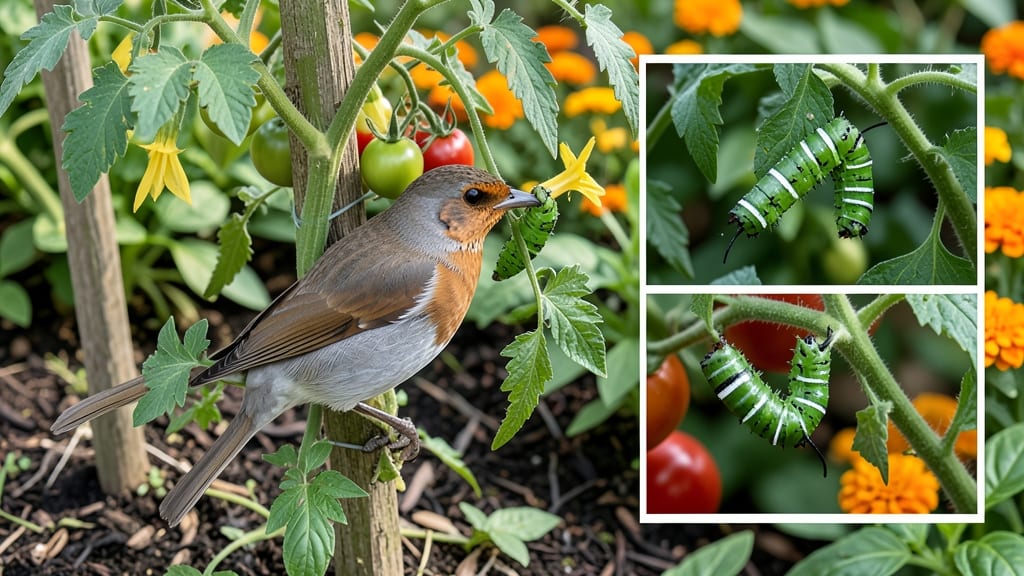
Birds do eat tomato hornworms, particularly insectivorous species like robins, bluebirds, and sparrows, which help control garden pests naturally by feeding on these voracious caterpillars during their larval stage.
Tomato hornworms are a garden's worst nightmare, but nature has a built-in solution: hungry birds! 🌿 These feathered friends—especially robins, bluebirds, and sparrows—actively hunt down hornworms, particularly when the caterpillars are in their most destructive larval stage.
Their sharp eyes spot the green invaders against foliage, and their quick reflexes make them efficient pest controllers. The key is timing: birds are most effective when hornworm populations peak in late summer, giving them plenty of opportunities to dine on these garden nuisances before they can defoliate your plants.
What makes this relationship even better is that birds don't just eat hornworms—they also help maintain ecological balance by controlling other soft-bodied insects. 🦅 This natural pest control method is completely free and far more sustainable than chemical sprays.
However, you'll need to create a bird-friendly environment to maximize their hornworm-hunting potential. Think of it as a win-win: your garden stays healthier, and birds get a protein-rich snack!
💡 In This Article
- How Birds Hunt Tomato Hornworms in Gardens
- Encouraging Birds to Eat Hornworms: Garden Tips
How birds hunt tomato hornworms in gardens
Birds like robins and bluebirds hunt tomato hornworms using a combination of visual cues and instinct. These caterpillars are large—often 3-4 inches long—and their bright green bodies with white stripes make them highly visible against tomato plants.
Birds spot them from a distance using their keen eyesight, which can detect movement up to 200 feet away. Once they identify a potential meal, they swoop in with lightning-fast reflexes, often snatching the hornworm mid-crawl. 🔥
The hunting process is most effective when hornworms are in their larval stage, which lasts about 4-6 weeks during late summer. Birds prefer these soft-bodied caterpillars over adult moths because they’re easier to digest and packed with protein.
Studies show that robins, in particular, can consume up to 10-15 hornworms per day during peak outbreaks, significantly reducing garden damage. Their beaks are perfectly adapted to grip and swallow these slippery pests whole, minimizing waste.
This predatory behavior plays a crucial role in biological pest control. Unlike chemical pesticides, which harm entire ecosystems, birds target only the most vulnerable insects, maintaining a natural balance.
For example, a single bluebird can eat hundreds of caterpillars per season, including hornworms, while also controlling other garden pests like aphids and beetles. 🌿 Their presence alone can deter hornworm populations from spiraling out of control, making them an invaluable ally for organic gardeners.
However, not all birds are equally effective. Species like sparrows and chickadees also help but in smaller numbers, while larger birds such as cardinals may avoid hornworms due to their size.
The most efficient hunters are those with sharp eyesight and quick flight patterns, which aligns with insectivorous birds that thrive in garden environments. Understanding these preferences can help gardeners strategically attract the right feathered allies.
Timing is another critical factor. Hornworms are most abundant in July and August, coinciding with the peak feeding periods of many bird species. During these months, birds naturally increase their hunting efforts, aligning perfectly with the garden’s need for pest control.
This seasonal synergy reduces the need for manual intervention, making the partnership between birds and gardeners a sustainable solution. 💫
To maximize this natural defense, gardeners should create habitats that support these bird species year-round. Planting native shrubs, installing birdhouses, and providing fresh water sources can encourage birds to stay and hunt hornworms more actively. The result? A healthier garden with fewer pests and more wildlife diversity.