
Pests
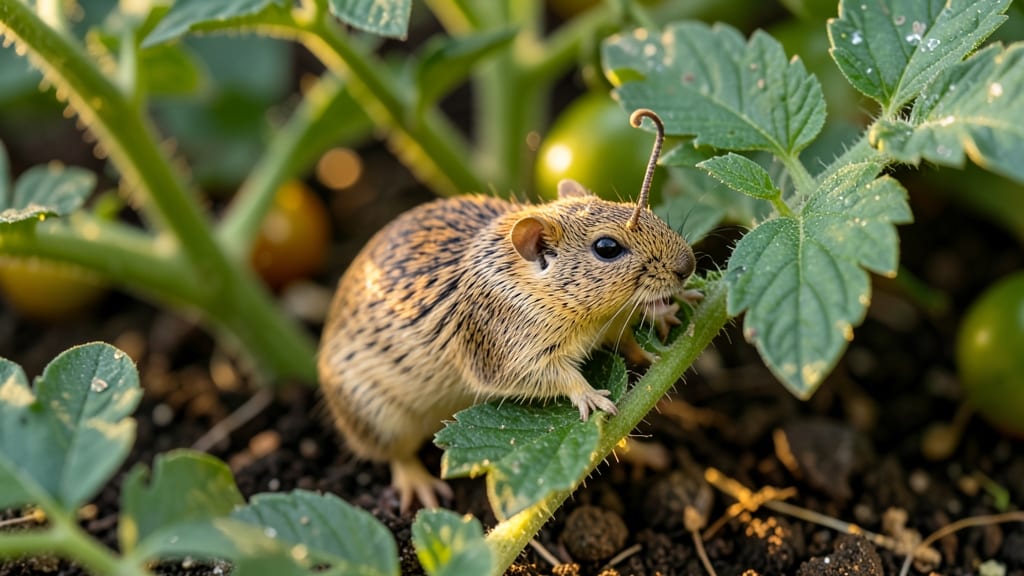
Gophers do eat tomato plants, targeting roots, stems, and sometimes foliage, which can stunt growth or kill plants entirely. Their underground burrowing also disrupts soil and plant stability, making tomatoes particularly vulnerable during planting and early growth stages.
Gophers see tomato plants as a tasty snack, especially when they're young and tender. 🌱 These burrowing rodents go after the roots first, which cuts off the plant's ability to absorb water and nutrients—basically starving it from the ground up.
Even if the plant survives, the damage weakens it enough to become an easy target for other pests or diseases. The real kicker? Their tunneling creates air pockets in the soil, which can uproot seedlings entirely before they even get a chance to establish themselves.
What makes this worse is that gophers don't just stop at tomatoes—they'll munch on other garden plants too, making them a persistent nuisance. The key to protecting your garden is acting fast with barriers and deterrents before they even get started.
💡 In This Article
- How Gophers Damage Tomato Plants and Gardens
- Effective Gopher Prevention for Tomato Gardens
How gophers damage tomato plants and gardens
Gophers primarily attack tomato plants by targeting the roots and underground stems, which is where the plant's life support system resides.
Their sharp, chisel-like incisors can slice through roots with ease, creating jagged wounds that prevent water and nutrient absorption. 🌱 Young tomato seedlings are especially vulnerable because their root systems are still developing—just a few bites can sever critical connections, leading to wilting or death within days.
Unlike surface feeders, gophers work underground, so you might not notice damage until plants suddenly collapse or show signs of stress like yellowing leaves or stunted growth.
The damage doesn't stop at feeding—gophers also create extensive tunnel networks that compact soil and disrupt drainage. Their burrowing can compress the soil around roots by up to 30-50%, reducing oxygen availability and suffocating plant roots. This compaction is particularly harmful to tomatoes, which thrive in well-aerated, loose soil.
The tunnels themselves can also uproot seedlings entirely, leaving behind empty holes where plants once stood. Studies show that gopher activity can reduce plant survival rates by 40-60% in heavily infested areas, making prevention critical during planting season.
Gophers are most active during early morning and late afternoon, when they forage for roots and tubers. Their feeding patterns often follow a V-shaped tunnel system, where they create a main tunnel and smaller branches to access food sources.
Tomatoes planted near existing gopher tunnels are at higher risk because the rodents will expand their burrows to include new food options. The scent of fresh soil and plant roots triggers their feeding instincts—once they discover a garden, they'll return repeatedly until the food source is depleted or they're deterred.
Beyond physical damage, gopher activity introduces another layer of stress: disease susceptibility. Weakened plants with damaged roots are more prone to fungal infections like verticillium wilt or fusarium, which thrive in compacted, poorly drained soil.
The combination of root damage and soil disruption creates a perfect storm for garden failures, especially in regions where gophers are native. Understanding these mechanics helps gardeners implement targeted solutions—like protective barriers or habitat modifications—to minimize losses before they become severe.
Interestingly, gophers also leave behind visible signs of their activity that can help with early detection. Look for mounds of freshly turned soil (often 4-6 inches wide) near your tomato plants, as well as surface holes where they've pushed up dirt while tunneling.
These signs appear most frequently in spring and fall, when gopher populations are most active. Catching these clues early allows gardeners to act before significant damage occurs, giving tomato plants the best chance to thrive.
What most gardeners don't realize is that gophers are highly territorial and will expand their range to include new food sources like tomatoes once they've depleted their preferred plants. Their diet includes grasses, clover, and other garden vegetables, but tomatoes—with their tender roots and high water content—are particularly appealing.
This territorial behavior means that once gophers discover your garden, they'll keep returning unless actively deterred.