
Companion Plants
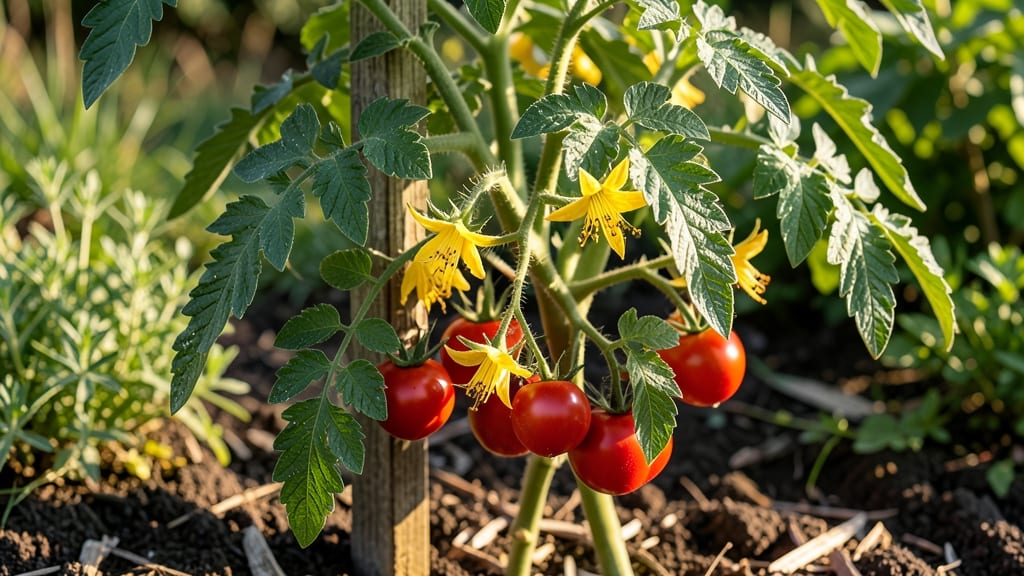
Tomato plants need a lot of sun to thrive, with 6 to 8 hours of direct sunlight being the sweet spot for juicy, productive fruit.
If your tomato plants aren’t producing the juicy, ripe fruits you crave, sunlight might be the missing puzzle piece—tomatoes are famously sun-hungry, but how much is too much or too little?
Too little light leads to leggy growth and poor fruit set, while too much can scorch leaves. Balancing sunlight is key, especially in Zone 6a where spring and summer weather shifts quickly.
Below, I’ll break down exactly how to measure sunlight in your garden, spot signs of under- or over-exposure, and maximize light for peak tomato production—whether you’re growing in containers or in-ground.

How many sunlight hours do tomato plants actually need for maximum fruit?
Tomatoes are sun worshippers, and their fruit production depends heavily on direct sunlight exposure.
While most gardeners assume "a lot of sun" means unlimited light, the truth is more nuanced. 6 to 8+ hours of full sun daily is the sweet spot for maximum yield, but factors like seasonal intensity and variety type can shift this range.
Understanding these specifics ensures your plants thrive rather than struggle.
Scientifically, tomatoes require photosynthesis optimization, which peaks under bright, direct sunlight. However, too much sun without proper water can lead to sunburned leaves or blossom drop. The key is balancing light exposure with consistent moisture—especially during peak summer hours when UV intensity spikes.
Let’s break down the exact sunlight needs and how to measure them in your garden.
| Tomato Type | Sunlight Needs | Ideal Daily Hours | Shade Tolerance |
|---|---|---|---|
| Determinate (Bush) | Full Sun | 6–8 hours | Minimal (under 4 hrs = poor fruit) |
| Indeterminate (Vining) | Full Sun | 8+ hours | Limited (under 6 hrs = stunted growth) |
| Cherry Tomatoes | Full Sun | 7–9 hours | Moderate (can tolerate 5–6 hrs) |
| Heirloom Varieties | Full Sun | 8+ hours | Low (prone to blossom end rot) |
The 6–8 hour rule applies to most determinate varieties, like 'Roma' or 'Celebrity', which produce fruit in clusters before stopping growth. Indeterminate types, such as 'Brandywine' or 'Sungold', need 8+ hours to support continuous vine growth and heavy fruit loads.
These vining varieties rely on prolonged sunlight to maintain energy for both leaves and fruit development.
Seasonal adjustments are critical. In spring and fall, when sunlight is less intense, tomatoes can tolerate 5–6 hours of direct light if supplemented with artificial grow lights during cloudy periods.
However, during peak summer months, even partial afternoon shade can reduce yields by up to 30% due to heat stress. Use a sunlight meter or observe your garden’s microclimate to fine-tune exposure.
Measuring sunlight accurately starts with tracking sun paths in your garden. Install a sunlight tracker or use a simple DIY method: Place a white board where your tomatoes will grow and mark the sun’s shadow every hour.
If shadows are longer than 2 feet at midday, you’re likely in a low-light zone. For urban gardeners, south-facing walls or reflective surfaces (like white fences) can boost light by 20–30%.
Overcast days can trick gardeners into thinking their tomatoes are getting enough light. Cloud cover reduces UVB rays by 50%, which tomatoes need for fruit ripening. If your area experiences frequent overcast conditions, consider supplemental grow lights with a 12–14 hour photoperiod to mimic summer sunlight.
LED grow lights with a red-blue spectrum are ideal for extending the light window.
One common misconception is that more sun always equals better fruit. In reality, excessive heat without shade can cause blossom drop or fruit cracking.
If your tomatoes are exposed to 10+ hours of direct sun in temperatures above 90°F (32°C), provide afternoon shade cloth (30–50% shade) to protect them. This adjustment prevents sunburned leaves while maintaining photosynthesis efficiency.
For container-grown tomatoes, rotate pots weekly to ensure even sunlight exposure. Since containers can overheat, use light-colored pots and place them on elevated stands to improve air circulation.
If your balcony or patio only gets 4–5 hours of sun, choose compact varieties like 'Tiny Tim' or 'Balcony Red'—they’re bred to tolerate partial sun better than standard types.
Remember, the goal isn’t just surviving with minimal sun—it’s optimizing for the best flavor and yield. Ripe tomatoes exposed to full sun develop deeper colors, richer sugars, and more complex flavors due to higher lycopene production.
By fine-tuning your garden’s sunlight strategy, you’ll turn your tomato plants into fruit-producing powerhouses. ☀️🌱
Signs your tomato plants aren’t getting enough (or too much) sun
Tomato plants are sun worshippers, and when they don’t get their 6–8 hours of direct sunlight, they’ll send you clear signals—usually through their leaves and growth patterns. Pale, yellowing foliage is the most common red flag, especially on younger leaves.
This happens because the plant stretches toward light, creating long, leggy stems with sparse leaves. Even worse, flowers may drop before setting fruit, leaving you with fewer tomatoes than you’d hoped.
On the flip side, too much sun can be just as damaging. When temperatures soar above 90°F (32°C), tomato leaves may develop white or brown scorch marks—a sign of sunburn.
The edges curl upward, and fruit can become mealy or sun-scalded, with leathery patches where the skin toughens. Both extremes stress your plants, reducing yield and inviting pests like aphids or spider mites.
Too Little Sun ⚠️
- Slower growth (less leggy)
- Lower risk of sunburn
- Better for cool climates
- Pale, weak stems
- Fewer flowers/fruit
- Stunted growth
Too Much Sun ⚠️
- Faster fruit ripening
- Stronger stems (if acclimated)
- Higher yield potential
- Leaf scorch/browning
- Mealy, sun-scalded fruit
- Stress invites pests
If your plants show signs of insufficient sun, move them to a sunnier spot immediately—even a few extra hours can make a difference. For container tomatoes, rotate pots daily to ensure even exposure.
If the issue is shade from nearby structures, consider pruning overhanging branches or using reflective surfaces like white mulch or mirrors to bounce light onto the plants.
For sunburned tomatoes, provide afternoon shade using shade cloth (30–50% coverage) or temporary row covers. Water deeply in the morning to help plants cool down, and avoid fertilizing during heatwaves—this stresses roots further. Mulching with straw also keeps soil temperatures stable, reducing shock to the plant.
Pay close attention to the undersides of leaves—they often reveal early signs of stress. Yellowing on the underside with green tops suggests nutrient deficiencies from poor light absorption, while crispy edges indicate excessive sun exposure.
Adjusting care based on these visual cues can save your harvest and keep your tomatoes thriving all season.
Remember, the goal is balanced sunlight: enough to fuel growth but not so much that it scorches delicate foliage. With the right adjustments, your tomato plants will reward you with juicy, flavorful fruit all season long. 🌱