
Planting
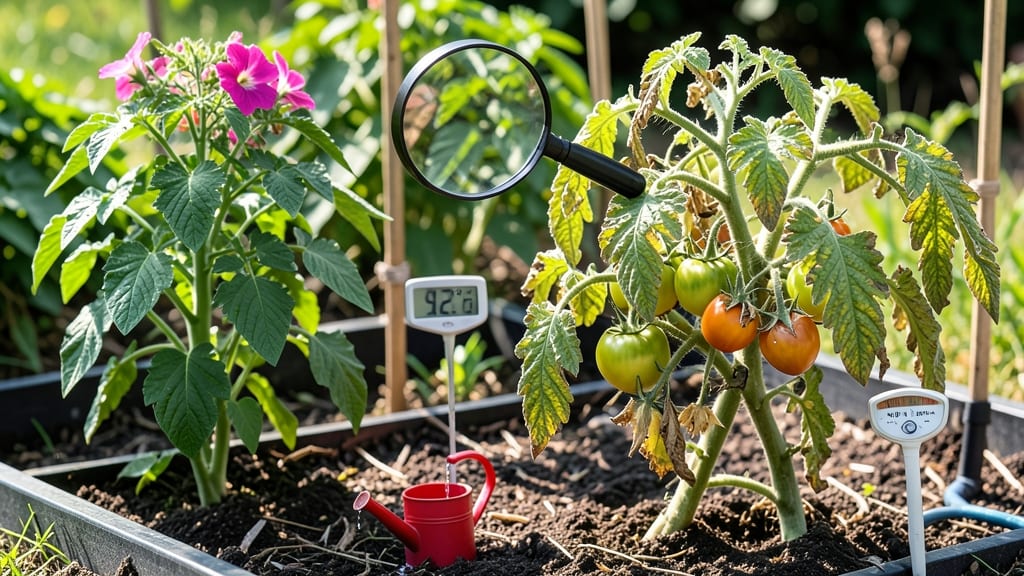
A droopy tomato plant isn’t a death sentence—it’s a cry for help. 🌱 I’ve nursed back more limp tomatoes than I’d like to admit, and the secret lies in diagnosing the real problem before it’s too late.
Most gardeners assume it’s water, but it could be roots, pests, or even heat stress hiding in plain sight.
The first step is checking soil moisture with your finger—if it’s bone-dry, you’ve underwatered; if it’s soggy, you’ve overwatered. Then inspect the roots: healthy ones are white and firm, while mushy or black roots scream disease. Once you spot the issue, the fix is often simpler than you think.
Within 24 hours, you’ll see improvement if you adjust watering, prune damaged leaves, or treat pests. A revived plant means juicy tomatoes in 3-4 weeks—no more sad, wilted vines. The key is acting fast before the problem spreads.
This works for container tomatoes, raised beds, or in-ground plants. Even my blackest thumb has saved plants this way. Let’s get your tomatoes perky again!
Root Causes Of Wilting Tomatoes
When your tomato plants start looking less than perky, it’s usually a cry for help from their roots, leaves, or overall health. Understanding the why behind the droop is half the battle—because once you know the cause, you can take precise action to revive them.
Let’s break down the most common reasons your tomato plants are wilting, from environmental stressors to hidden pests, so you can diagnose and fix the issue fast.
Tomatoes thrive on consistent moisture but hate soggy roots. Overwatering or compacted, poorly draining soil suffocates roots by cutting off oxygen, leading to root rot (often caused by Phytophthora or Pythium fungi).
Without oxygen, roots can’t absorb water or nutrients efficiently, causing the plant to wilt—even if the soil feels damp.
Signs to watch for:
- Yellowing lower leaves (a classic sign of root stress).
- Soil that stays clumpy or forms a crust when dry.
- Wilting that doesn’t improve after watering.
Why it happens:
- Too much water displaces oxygen in the soil, creating anaerobic conditions where harmful microbes thrive.
- Clay or heavy soil holds water like a sponge, never drying out enough between waterings.
- Lack of organic matter (like compost) reduces soil porosity, trapping water near the surface.
Quick fix: Let the top 1–2 inches of soil dry out before watering again. Amend heavy soil with perlite, sand, or compost to improve drainage. If root rot is suspected, prune affected roots and repot in fresh, sterile soil.
Tomatoes are sun-lovers, but intense midday heat (above 90°F/32°C) can scorch leaves, causing them to wilt or curl as a protective response. Even worse, heat stress disrupts the plant’s ability to photosynthesize, leading to stunted growth and droop.
Why it happens:
- Transpiration overload: Plants lose water faster than roots can absorb it, leading to temporary wilting.
- Leaf scorch: Direct sun on young or tender leaves creates brown, crispy edges (like paper burning).
- Soil moisture evaporation: Hot, dry soil pulls water away from roots faster than the plant can replenish it.
Signs to watch for:
- Wilting that occurs during the hottest part of the day but recovers at night.
- Leaves that feel dry or papery to the touch.
- New growth that’s smaller or deformed.
Quick fix:
- Provide afternoon shade (use shade cloth or a temporary row cover).
- Water deeply in the morning to keep roots cool (mulch helps retain moisture).
- Avoid fertilizing during heatwaves—it stresses the plant further.
Hidden beneath the soil, root-feeding pests and pathogens can devastate your tomato’s ability to uptake water and nutrients. Common culprits include nematodes, cutworms, root-knot larvae, and fungal infections like Fusarium wilt.
Why it happens:
- Nematodes: Microscopic worms that pierce roots, creating galls or lesions that block water absorption.
- Cutworms or slugs: Chew through roots at night, severing the plant’s water transport system.
- Fungal wilts: Invade xylem vessels (the plant’s "straws" for water), clogging them and causing sudden, irreversible wilting.
Signs to watch for:
- Wilting that starts on one side of the plant and spreads.
- Stunted growth despite plenty of water.
- Mushy, discolored roots when you gently dig around the base.
- Yellowing leaves with green veins (a classic sign of vascular disease).
Quick fix:
- For nematodes: Use neem oil or plant marigolds (a natural nematode repellent) nearby.
- For cutworms: Set up collars around stems or use beer traps (bury a cup filled with beer—worms crawl in and drown).
- For fungal wilts: Remove and destroy infected plants immediately (don’t compost them!). Rotate crops next season.
Now that you know the root causes (pun intended), the next step is diagnosing which one is affecting your droopy tomato. Stay tuned for our fixes section—where we’ll show you how to revive your plant in 3 easy steps!
Revive Your Wilted Tomatoes Now
A droopy tomato plant can feel like a heartbreaking setback, but don’t toss those vines just yet! 🌱 With the right fixes—tailored to the root cause—you can bring your plant back to life and even boost its future growth.
Below, we’ve mapped out practical, step-by-step solutions for the most common issues, plus prevention tips to keep your tomatoes thriving. Let’s turn that floppy foliage into a bounty of juicy, sun-ripened fruit!
Signs: Soil feels bone-dry or soggy; wilting that worsens in heat or after rain; yellowing leaves.
If Your Plant is Thirsty:
🔥 Step 1: Deep Watering Technique
- Stick your finger 2 inches into the soil—if it’s dry, it’s time to water.
- Use a soaker hose or drip irrigation to deliver water slowly at the base (avoid overhead spraying).
- Water until moisture reaches 6–8 inches deep (check with a moisture meter or stick).
👨🍳 Step 2: Mulch Like a Pro
- Spread 2–3 inches of organic mulch (straw, shredded leaves, or grass clippings) around the base (but not touching the stem).
- Mulch locks in moisture and cools roots—critical for heat-stressed plants.
🥘 Step 3: Adjust Your Watering Schedule
- Morning is best (6–8 AM) to reduce evaporation and fungal risks.
- Avoid night watering—wet leaves invite disease.
- Tomatoes need 1–2 inches of water per week, but adjust for clay soil (holds more water) or sandy soil (dries faster).
💡 Pro Tip: Group plants together to create a microclimate that retains humidity naturally.
If Your Plant is Drowning:
⏰ Step 1: Let the Soil Dry Out
- Stop watering immediately and wait 2–3 days before checking moisture again.
- If the soil is still soggy, loosen compacted areas with a fork to improve drainage.
🔪 Step 2: Improve Drainage
- Amend heavy clay soil with compost or perlite to break up compactness.
- Ensure pots have drainage holes and elevate them off the ground.
🌡️ Prevention: Test your soil’s drainage by digging a hole, filling it with water, and timing how long it takes to drain. Ideal? Under 1 hour.
Signs: Leaves curl upward, scorch marks (brown edges), or wilting during peak sun hours.
🔥 Step 1: Provide Temporary Shade
- Use shade cloth (30–50%) or a lightweight row cover during the hottest part of the day (10 AM–4 PM).
- DIY hack: Drape a white bedsheet over a trellis or stakes for instant relief.
🍳 Step 2: Boost Hydration Fast
- Water deeply in the early morning to combat wilting.
- Try foliar spraying (mist leaves lightly with water) to cool the plant down—do this in the morning only.
🥘 Step 3: Adjust Plant Placement
- Move potted tomatoes to a partially shaded spot (east or north side of the house).
- For in-ground plants, plant near taller crops (like corn or sunflowers) to create natural shade.
✨ Prevention: Choose heat-tolerant varieties like ‘Solar Fire,’ ‘Heatmaster,’ or ‘Arkansas Traveler’ for future seasons.
Signs: Sticky leaves, holes, wilting despite water, or fungal spots (black, brown, or white).
For Pests (Aphids, Spider Mites, Whiteflies):
🔥 Step 1: Blast Off with Water
- Knock pests off with a strong spray from the hose (early morning).
- Repeat every 2–3 days for severe infestations.
👨🍳 Step 2: Introduce Beneficial Insects
- Release ladybugs, lacewings, or parasitic wasps (available at garden centers).
- Plant marigolds or basil nearby to repel pests naturally.
🥘 Step 3: Use Organic Sprays
- Neem oil spray (1 tsp neem oil + 1 tsp mild soap + 1 quart water) – spray undersides of leaves.
- Insecticidal soap (follow package instructions) for soft-bodied pests.
For Fungal Diseases (Early Blight, Fusarium Wilt):
🔪 Step 1: Prune and Remove Affected Parts
- Cut off infected leaves/stems with sterilized scissors (wipe with rubbing alcohol between cuts).
- Dispose of clippings in the trash (not compost)—don’t let spores spread!
🌡️ Step 2: Improve Airflow
- Space plants 18–24 inches apart (or prune to open the canopy).
- Remove lower leaves touching the soil to prevent spore splash-back.
💡 Pro Tip: Water at the base only—avoid wetting foliage to reduce fungal spores.
🎯 Prevention:
- Rotate crops—don’t plant tomatoes in the same spot yearly.
- Solarize soil (cover with clear plastic for 4–6 weeks in summer) to kill fungal pathogens.
- Use resistant varieties like ‘Mountain Merit’ or ‘Defiant PhR’ for blight-prone areas.
Once your tomato is perking up, give it a growth boost with these easy tweaks:
- Fertilize lightly with a balanced tomato fertilizer (10-10-10) or compost tea.
- Prune suckers (side shoots) to redirect energy to fruit production.
- Support with cages or stakes to prevent future stress from wind or weight.
Remember: Patience is key! Some plants recover in 24–48 hours, while others may take a week. Monitor closely, and soon you’ll be harvesting plump, flavorful tomatoes instead of droopy vines. 🍅✨
Frequently asked questions
Why does my tomato plant wilt in the afternoon but perks up at night?
This classic pattern usually means heat stress or underwatering. Tomatoes lose water faster than roots can absorb it during peak sun (especially above 90°F/32°C). Try watering deeply in the morning and providing afternoon shade with a lightweight row cover or white sheet. Mulch helps too—it keeps roots cool and moisture locked in.
Can I save a tomato plant with mushy, black roots?
If roots are black and smelly, you’re likely dealing with root rot from overwatering or poor drainage. Prune all mushy roots, repot in fresh, sterile soil with perlite or sand for drainage, and water only when the top 1–2 inches feel dry. Move to a shadier spot for 2 weeks while it recovers. If most roots are gone, the plant may not survive.
How do I tell if my droopy tomato needs water or shade?
Check the soil first: if it’s bone-dry 2 inches down, water deeply. If it’s damp but the plant still wilts, it’s likely heat stress. Look for brown leaf edges (heat scorch) or leaves that feel papery. Provide afternoon shade immediately—try a DIY white sheet trellis for instant relief. Most plants recover within 24 hours of shade.
Will pruning help a droopy tomato plant recover faster?
Yes, but only if the plant isn’t severely diseased. Remove yellow or diseased leaves (use sterilized scissors) and any suckers (side shoots) to redirect energy to healthy growth. Avoid heavy pruning—focus on opening up the canopy for better airflow (critical if fungal issues are suspected). Prune in the morning so wounds dry quickly, reducing disease risk.
How long does it take for a tomato plant to recover from wilting?
With the right fix, you’ll often see improvement in 24–48 hours. For underwatering, recovery can take 3–5 days as roots rehydrate. If it’s heat stress, plants bounce back faster once shaded. Severe cases (like root rot) may take 1–2 weeks or more. Monitor closely—if wilting persists after 7 days, the plant may be beyond saving.