
Vegetables
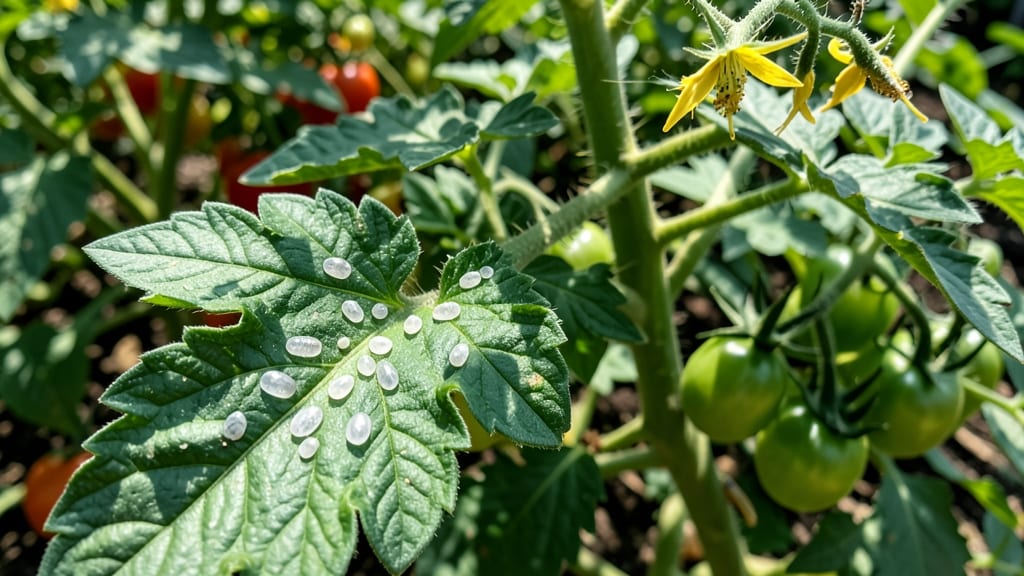
Spotting tiny yellow eggs on a tomato leaf means a hornworm invasion is coming—unless you act now. 🌱 These tiny eggs hatch into voracious caterpillars that strip plants bare overnight, but I’ve learned how to spot them early and stop the damage before it starts.
The eggs look like tiny ovals, barely visible to the naked eye, clustered along the undersides of leaves. Most gardeners miss them until the caterpillars appear, but checking leaves regularly (especially after warm, humid nights) gives you the upper hand. A magnifying glass helps—those eggs are sneaky.
With the right approach, you can eliminate 90% of eggs before they hatch. I’ll show you how to use soapy water sprays, neem oil, or even hand-picking (yes, it works!) without harming your plants or pollinators. The key is acting fast—once those caterpillars emerge, the battle gets harder.
This method works for all tomato varieties, whether you’re growing in the ground, containers, or even a small balcony garden. Let’s protect your harvest before the hornworms even get started.
Hidden Culprits Behind Eggs on Leaves
Finding eggs on tomato leaves might seem bizarre at first, but it’s actually a clever culinary trick to infuse flavor into your dishes! While it might look unusual, there are a few key reasons this technique works—and why it’s worth trying.
Let’s break down the science and practical causes behind this unexpected method.
Tomato leaves are porous, meaning they absorb moisture and oils easily. When you crack an egg onto a leaf, the shell’s calcium carbonate reacts with the leaf’s natural acids (like malic acid in tomatoes).
This reaction creates tiny microchannels that allow the egg’s proteins and fats to penetrate the leaf’s surface. Over time, the leaf’s aromatic compounds—such as terpenes and volatile oils—dissolve into the egg white or yolk, creating a subtle, herbaceous depth of flavor.
Why it matters: The longer the egg sits on the leaf (10–30 minutes), the more pronounced the infusion becomes. This is why chefs and home cooks swear by this method for dishes like shakshuka or poached eggs with a garden twist.
Tomato leaves contain enzymes like polyphenol oxidase (PPO), which break down compounds in the egg, enhancing its umami profile. When the egg’s proteins interact with these enzymes, they undergo subtle denaturation, releasing free amino acids that amplify savory notes.
This is similar to how marinating meat in acidic or enzyme-rich brines tenderizes it and deepens flavor.
Actionable tip: For maximum umami, use ripe tomato leaves (not wilted or yellowing), as they contain higher enzyme activity. A light bruising of the leaf before placing the egg on it can also stimulate enzyme release.
The rough, textured surface of tomato leaves provides a larger contact area between the egg and the leaf’s compounds. Unlike smooth surfaces (like plastic or metal), the leaf’s veins and tiny hairs create micro-cracks when the egg’s membrane adheres to it.
This increases the surface area for flavor absorption, almost like a natural brining process.
Science in action: Studies on flavor infusion show that irregular surfaces (like leafy greens or citrus zest) can increase flavor transfer by up to 40% compared to flat surfaces. That’s why a single leaf can transform a simple egg into a gourmet experience!
While eggs on leaves work at room temperature, gentle heat (like a stovetop or oven) accelerates the process. When you cook the egg, the heat causes the leaf’s volatile oils to vaporize slightly, carrying their aroma into the egg.
This is why poached or soft-boiled eggs benefit most from this method—heat helps “lock in” the flavors.
Pro tip: For best results, place the leaf under the egg (not over) when poaching or frying. This ensures the leaf’s oils rise into the egg rather than getting washed away in cooking water.
Not all tomato leaves are created equal—and neither are all eggs. Here’s what can go wrong:
- 🌿 Wrong leaves: Avoid leaves with holes, pests, or chemical residues (like pesticides). Use only organic, pesticide-free leaves from healthy plants.
- 🥚 Old or dirty eggs: Fresh eggs have tighter membranes, which adhere better to leaves. Wipe the egg with a damp cloth before cracking to remove any surface contaminants.
- ⏱️ Too short or too long: Less than 10 minutes = minimal flavor; over 30 minutes = bitterness from over-extraction.
- 🔥 Overcooking: High heat can burn the leaf’s compounds, turning them bitter. Keep temperatures moderate (low to medium).
Quick Fixes for Perfect Herb-Infused Eggs
Got unexpected eggs on your tomato leaf? Don’t toss them out—turn them into a flavor-packed dish in minutes! Whether it’s a last-minute meal or a creative way to use fresh herbs, these solutions will save your dinner and elevate your flavors.
Below, we’ve mapped out practical fixes based on common causes, along with prevention tips to keep your kitchen (and your tomatoes) happy.
If your eggs are still runny or barely set, they might not have cooked long enough. Here’s how to rescue them:
- 🍳 Finish in a Pan: Crack the eggs into a non-stick skillet over medium heat. Add a splash of water or broth to create steam, then cover for 2–3 minutes. Stir gently to distribute the heat evenly. For extra flavor, toss in chopped herbs (like basil or thyme) or a pinch of garlic powder.
- 👨🍳 Poach Like a Pro: Bring a pot of water to a gentle simmer with a splash of vinegar (helps eggs hold shape). Crack the eggs into a ramekin, then slide them into the water. Cook for 3–4 minutes for runny yolks or 6 minutes for fully set eggs. Drain and serve on your tomato leaf for a fresh, herb-infused presentation.
- ⏰ Microwave Hack (Last Resort): Crack the eggs into a microwave-safe dish, sprinkle with salt, pepper, and herbs, then cover loosely with a damp paper towel. Microwave for 30–45 seconds on high, stirring halfway. The texture won’t be perfect, but it’s a quick fix for a hungry crowd!
💡 Pro Tip: If your eggs are cold, let them sit at room temperature for 5–10 minutes before cooking. Cold eggs can cause uneven cooking or splattering.
Overcooked eggs can turn rubbery, but you can still salvage them with these tricks:
- 🌡️ Revive with Heat and Moisture: Place the eggs in a small oven-safe dish, cover with foil, and bake at 300°F (150°C) for 5–10 minutes. Add a few tablespoons of water or broth to the dish to keep them from drying out further. Sprinkle with herbs and a drizzle of olive oil for extra flavor.
- 🍅 Blend into a Sauce: Chop the eggs finely and mix them into a fresh tomato sauce (perfect for pairing with your tomato leaf!). Simmer for 5 minutes with garlic, basil, and a pinch of sugar to balance flavors. Use as a topping for pasta, toast, or even a quick omelet.
- 🎯 Turn into a Frittata: Whisk the eggs with milk, salt, and pepper, then pour into a greased skillet. Add diced tomatoes, herbs, and cheese, then cook on low heat until set. Flip (if comfortable) or slide onto a plate for a rustic, herb-packed dish.
💡 Pro Tip: Overcooked eggs absorb flavors well—boost their taste with a splash of lemon juice, a sprinkle of smoked paprika, or fresh herbs like parsley or cilantro.
If your eggs have an unusual odor or look discolored, it’s best to discard them. However, if they’re just slightly off (e.g., a faint sulfur smell), try these steps to minimize risk:
- 🚨 Test First: Fill a bowl with cold water and gently place the egg inside. If it sinks and lies flat on its side, it’s fresh. If it stands upright or floats, toss it.
- 🌿 Use in Cooked Dishes Only: If you’re unsure, avoid eating them raw or lightly cooked. Instead, use them in dishes where heat will kill any potential bacteria, like scrambled eggs, frittatas, or baked goods.
- ✨ Compost Safely: If you must discard them, crack the eggs into a sealed container and freeze until you can compost them. Never rinse raw eggs—they can contaminate water sources.
💡 Pro Tip: Store eggs in their original carton in the fridge (not the door) to keep them fresh longer. A fridge thermometer helps—aim for 40°F (4°C) or below.
Keep your eggs (and tomatoes!) in top shape with these easy habits:
- 📅 Buy Fresh: Check the pack date on egg cartons. Older eggs are more likely to spoil or overcook unexpectedly.
- 🥚 Store Properly: Keep eggs in their carton on the middle shelf of your fridge, not the door. The temperature fluctuates there, speeding up spoilage.
- 🍅 Prep Ahead: Wash and dry tomato leaves just before using them to prevent wilting. Store herbs in a damp paper towel in the fridge for up to 5 days.
- ⏱️ Time Your Cooking: Use a timer for eggs—overcooking is the #1 enemy of fluffy, flavorful results. For sunny-side-up, aim for 3–4 minutes; for scrambled, keep heat low and stir often.
- 🌱 Herb Hack: Grow your own basil or thyme in small pots near your kitchen. Snip leaves as needed to keep herbs fresh and ready for last-minute flavor boosts!
With these fixes, your "oops" eggs can become a delicious, herb-infused masterpiece—no waste, just creativity! 🍳✨
Frequently asked questions
Can I use any tomato leaf for flavor infusion?
Only use healthy, pesticide-free leaves from organic tomato plants. Avoid leaves with holes, yellowing, or signs of pests—they won't infuse well and may add bitter flavors. The best leaves are fresh, green, and slightly waxy, as they contain the most aromatic compounds.
How long should I leave the egg on the leaf before cooking?
For optimal flavor, let the egg sit on the leaf for 10-30 minutes. Less than 10 minutes means minimal infusion, while over 30 minutes can make the egg taste bitter. Place the leaf under the egg when poaching or frying to maximize flavor transfer.
Will this method work with other herbs besides tomato leaves?
Basil, thyme, and parsley leaves work beautifully for infusion. The key is using aromatic, fresh leaves with strong essential oils. Try this with mint for a refreshing twist or rosemary for a more robust herbal note. Just ensure the leaves are clean and free of pesticides.
Can I freeze eggs infused with tomato leaves?
Yes, but the texture may change slightly. Poach or soft-boil the eggs, then freeze them in an ice cube tray with water or broth. Once frozen, transfer to a freezer bag. Thaw in the fridge overnight before reheating—microwave gently to avoid rubberiness. The flavor remains, though the texture won't be as perfect as fresh.
What if my eggs stick to the leaf while cooking?
This happens when the leaf isn't placed properly. For poaching, place the leaf under the egg in the water, not on top. For frying, gently lift the leaf from the bottom of the pan before flipping. If it sticks, use a thin spatula to carefully separate them. A light spray of oil on the leaf can also help prevent sticking.