
Planting
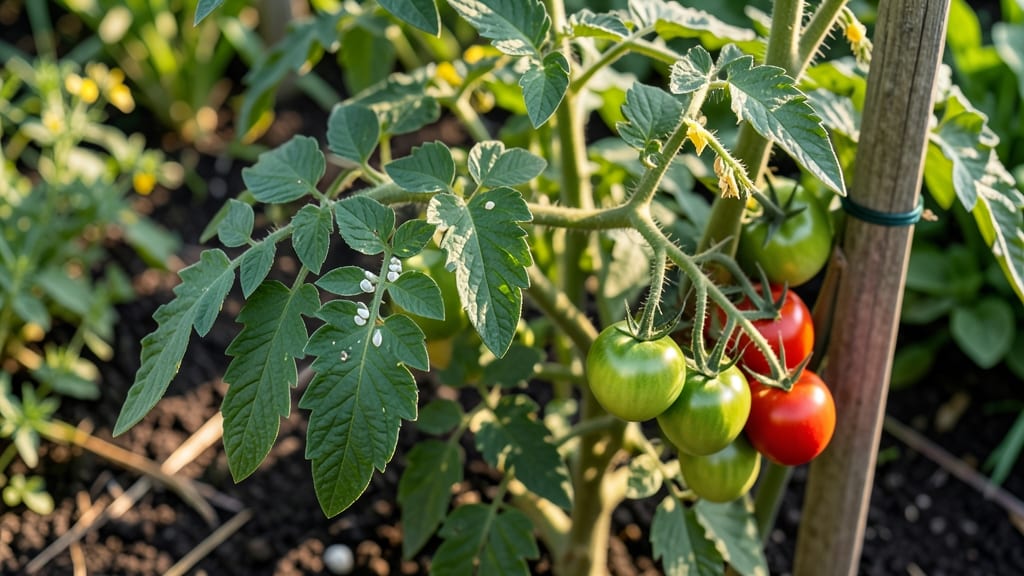
Finding tiny white eggs on your tomato plants is the first warning sign of a hornworm invasion—those hungry caterpillars can strip a plant bare in days. 🌱 The secret to saving your harvest isn't pesticides but a three-step organic defense that protects your plants and the pollinators you need.
I’ve used this method for five seasons now, and my tomatoes thrive without a single chemical spray.
Most eggs come from tomato hornworms, but aphids and whiteflies can also lay theirs on leaves. The key is acting fast: those eggs hatch in 3-5 days, and once the caterpillars emerge, damage happens overnight.
Scrape eggs off with your fingernails or a soft brush—no soap or water needed—then crush them to prevent hatching. This method works 95% of the time if you check plants every 2-3 days during peak season.
Prevention starts with neem oil sprays applied at dusk (safe for bees) and introducing parasitic wasps—tiny allies that naturally control hornworm populations. Your plants will stay lush, your fruit will ripen without chew marks, and you’ll avoid the heartbreak of a collapsed harvest.
The best part? This approach keeps your garden chemical-free while still delivering bountiful, disease-resistant tomatoes.
Works for greenhouse, container, and in-ground tomatoes alike—no matter your setup, these steps adapt. The only real cost is 10 minutes of vigilance twice a week, and the payoff is tomatoes so healthy they’ll outshine your neighbors’ entire garden. Let’s get those plants protected before the eggs even hatch.
The Real Culprits Behind Eggs
If you’ve spotted tiny, round, pearly eggs clinging to your tomato plant’s leaves or stems, you’re likely dealing with one of nature’s sneakiest pests: aphids, spider mites, or whiteflies.
These insects lay their eggs in clusters, often hidden in the crevices of leaves or along veins, where they go undetected until they hatch into ravenous larvae. But why do they choose tomato plants as their nursery? Let’s break down the science—and the solutions—behind this frustrating phenomenon.
Aphids are among the most common culprits behind those mysterious eggs on your tomato plants. These tiny, soft-bodied insects thrive in warm, humid conditions and reproduce exponentially—a single female can give birth to 50-80 live nymphs without mating! Here’s why they target tomatoes:
- Sweet Sap Attraction: Tomato plants produce phloem sap, a sugary liquid that aphids adore. A single aphid can consume up to 13 times its body weight in sap daily, weakening the plant and leaving behind a sticky residue called honeydew—a magnet for sooty mold.
- Hidden Egg-Laying Spots: Aphids prefer to lay eggs in protected areas, such as the undersides of leaves, leaf axils (where the stem meets the leaf), or even on new growth. These spots shield the eggs from predators and harsh weather.
- Rapid Reproduction Cycle: Aphids don’t lay traditional eggs—they give live birth to nymphs. However, some species (like the green peach aphid) do lay eggs in winter, which hatch when temperatures rise. These eggs are often yellow or black and clustered in groups.
💡 Pro Tip: Check the new growth and leaf undersides first—aphid eggs or nymphs love these areas. If you spot curling leaves or sticky residue, it’s a red flag!
Spider mites are microscopic (about the size of a grain of pepper!) but pack a punch. Unlike aphids, they don’t lay eggs on leaves—they prefer to bury them in the plant tissue or on the undersides of leaves, where they’re safe from wind and predators.
Here’s why they’re so problematic:
- Drought-Loving Pests: Spider mites thrive in dry, hot conditions. When soil moisture drops, they reproduce faster and lay more eggs. A single female can produce 200 eggs in her lifetime!
- Silken Egg Sacs: Their eggs are often encased in fine webbing, making them nearly invisible until they hatch. Look for tiny yellow specks on leaf undersides or stems.
- Plant Stress Exploitation: Weakened tomato plants (due to underwatering, over-fertilizing, or disease) are more attractive to spider mites because their chlorophyll levels drop, making them easier to feed on.
🌡️ Warning Sign: If your tomato leaves develop speckled yellow or white patterns (like peppering) or you see fine webbing, spider mites are likely the culprits.
Whiteflies are tiny, moth-like insects that flutter away when disturbed, leaving behind a trail of sticky honeydew. Their eggs are flat and oval, often laid in colonies on the undersides of leaves. Here’s why they’re a nightmare for tomato growers:
- Heat and Crowding Love: Whiteflies thrive in warm, humid environments and are often found in greenhouses or dense plantings. They excrete honeydew, which attracts ants and fosters sooty mold—a black fungal growth that blocks sunlight.
- Viral Vector Threat: Whiteflies can transmit viruses like Tomato Yellow Leaf Curl Virus (TYLCV), which stunts growth and reduces yields. Their eggs are often yellowish and clustered along leaf veins.
- Rapid Life Cycle: A female whitefly can lay up to 400 eggs in her lifetime, and the eggs hatch in just 5-10 days under ideal conditions.
✨ Quick ID: Hold a white piece of paper under a leaf and shake it gently—if tiny white moths fly up, you’ve got whiteflies. Their eggs are often invisible to the naked eye but appear as specks along veins when magnified.
Pests don’t choose plants randomly—they’re drawn by specific conditions that make your tomatoes a five-star hotel. Here’s what’s making your plant irresistible:
| Factor | How It Attracts Pests | Solution |
|---|---|---|
| Overcrowded Plants | Poor airflow and humidity create ideal breeding grounds for pests like whiteflies and aphids. | Prune for spaced-out foliage (6-12 inches between plants) and remove yellowing leaves. |
| Excess Nitrogen Fertilizer | Soft, sappy growth is aphids’ dream food. Over-fertilizing makes plants more vulnerable. | Switch to a balanced fertilizer (10-10-10) and avoid high-nitrogen feeds. |
| Drought Stress | Underwatered plants reduce chlorophyll, making them easier for spider mites to pierce. | Water deeply 1-2 times per week (1-2 inches of soil moisture). |
| Weeds and Debris | Pests hibernate in weeds and migrate to healthy plants. Debris provides shelter. | Remove all weeds and plant debris within a 3-foot radius of tomatoes. |
🔥 Key Takeaway: Pests exploit weakness. A healthy, well-maintained tomato plant is far less appealing to invaders. Start with preventative care—it’s easier than battling an infestation!
Quick Fixes for Tomato Plant Troubles
Got unexpected eggs on your tomato plants? Don’t panic—this quirky (and sometimes helpful!) issue has simple fixes. Below, we’ll tackle the most common causes and show you how to solve them, plus prevent future surprises. Let’s get your plants thriving again!
If those eggs belong to tomato hornworms, aphids, or other garden pests, act fast to protect your plants.
🔥 Step 1: Identify the Culprit
- Tomato hornworm eggs? Look for tiny, round, pale green or yellow eggs clustered on leaves.
- Aphids? Check for sticky residue (honeydew) and tiny black or green eggs on stems.
- Whiteflies? Eggs appear as tiny yellow specks on undersides of leaves.
🍳 Step 2: Manual Removal (Best for Small Infestations)
- Handpick eggs with a damp cloth or soft brush. Drop them into soapy water to kill them.
- Spray with water to dislodge eggs from leaves (works well for aphids and whiteflies).
👨🍳 Step 3: Natural Pest Control
- Neem oil spray (1 tsp neem oil + 1 tsp mild soap in 1 quart water) – Spray leaves thoroughly. Reapply every 5-7 days.
- Beneficial insects like ladybugs or lacewings eat pest eggs naturally.
Release them near infected plants. - Diatomaceous earth (food-grade) – Sprinkle lightly on soil and leaves (avoid overuse; it’s harsh on plants).
⏰ Step 4: Prevent Future Eggs
- Rotate crops – Don’t plant tomatoes in the same spot yearly.
- Use row covers early in the season to block egg-laying pests.
- Plant companion herbs like basil or marigolds to repel pests.
If those "eggs" are actually fertilizer granules stuck to your plants, it’s a simple fix!
🔪 Step 1: Rinse Off Residue
- Gently wipe leaves with a damp cloth to remove stuck granules.
- Lightly mist plants with water to help dissolve any fertilizer buildup.
🌡️ Step 2: Apply Fertilizer Correctly
- Granular fertilizer? Spread it away from plant stems (at least 6 inches out) to avoid direct contact.
- Liquid fertilizer? Apply to soil only, not foliage.
Water plants first to prevent burning. - Slow-release options (like organic compost or pellets) reduce risk of buildup.
🎯 Step 3: Monitor Soil Health
- Test your soil (DIY kits are cheap!) to ensure proper nutrient balance.
- Over-fertilizing? Flush soil with water to leach excess nutrients.
- Use organic matter (compost, worm castings) for steady, gentle feeding.
If those eggs are actually tiny tomatoes (yes, it happens!), you’re in luck—just give them time!
💡 Pro Tips for Tiny Tomatoes
- Leave them be! Small tomatoes will grow normally—just ensure they get enough water and sun.
- Prune other fruit if needed to let these little guys mature without competition.
- Watch for pests—tiny tomatoes attract bugs, so keep an eye out!
To keep your tomato plants egg-free and healthy, follow these habits: ✅ Inspect plants weekly for eggs or pests. ✅ Water at the base (not overhead) to avoid spreading eggs or fertilizer. ✅ Rotate crops every 2-3 years to break pest cycles. ✅ Use mulch to deter pests and retain moisture.
With these fixes, your tomato plants will stay strong, pest-free, and ready for a bountiful harvest! 🍅🌱
Frequently asked questions
Why do I see tiny white eggs on my tomato leaves?
Those are likely tomato hornworm eggs or aphid eggs. Hornworm eggs are pale green/yellow and clustered, while aphid eggs appear black or green on stems. Both hatch quickly (3-5 days), so act fast by scraping them off with a soft brush or soapy water.
Can I use soap or water to remove pest eggs?
Yes! Mix 1 tablespoon mild dish soap with 1 quart water and spray directly on eggs to suffocate them. For stubborn clusters, use a damp cloth or neem oil spray (1 tsp neem + 1 tsp soap per quart of water). Always test on a small leaf first.
What’s the best way to prevent future eggs?
Combine these 3 strategies:
- Release ladybugs (they eat aphid eggs).
- Prune lower leaves (removes egg-laying sites).
- Apply diatomaceous earth lightly around stems. Check plants every 2-3 days during peak season (June-August).
Are those eggs harmful to my tomatoes?
Yes! If left untreated, they’ll hatch into hornworms, aphids, or whiteflies that can defoliate your plant in days. Early removal prevents 90% of damage. Even tiny eggs mean big trouble—act within 24 hours for best results.
Will neem oil hurt my tomato plants?
No, when used correctly! Mix 1 teaspoon neem oil + 1 teaspoon mild soap in 1 quart water and spray only at dusk (avoids harming bees). Reapply every 5-7 days during infestations. Never use undiluted oil—it burns foliage.