
Plants
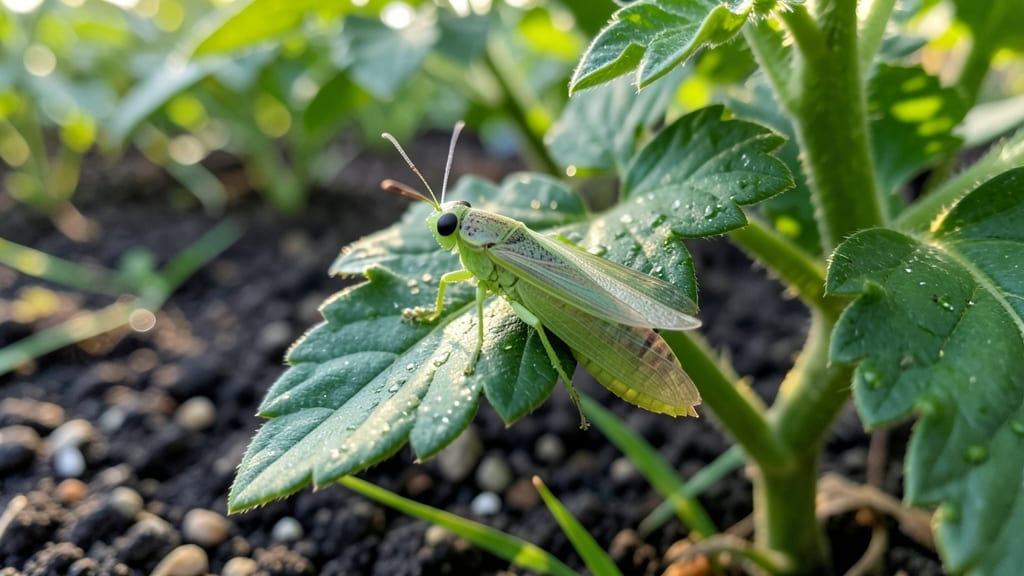
Green bugs on tomato plants usually mean aphids, hornworms, or stink bugs—all of which can strip your plants bare in days. 🌱 I’ve battled these pests in my garden, and the key is acting fast with the right organic spray.
The damage starts small: chewed leaves, sticky residue, or holes that multiply overnight. The good news? A homemade neem oil spray (mixed with water and a drop of dish soap) stops them cold. Spray in the early morning when bugs are active, and reapply every 3-5 days.
You’ll see fewer pests within 24 hours, and your plants will bounce back faster than with chemical sprays. Prevention is even easier: plant basil, marigolds, or nasturtiums nearby to repel pests naturally. These companions distract bugs from your tomatoes, reducing the need for sprays entirely.
For stubborn infestations, handpick hornworms (they’re huge and easy to spot) or hose off aphids with a strong stream of water. The goal? Keep your tomatoes thriving without sacrificing flavor or safety.
Root Causes of Tomato Plant Invaders
Green bugs on your tomato plants aren’t just a random nuisance—they’re often a sign of underlying conditions that create the perfect environment for these pests to thrive. Understanding why they show up is the first step to stopping them before they wreak havoc on your harvest.
Below, we break down the most common reasons these tiny troublemakers invade your garden, complete with science-backed explanations and actionable insights.
Tomato plants under stress—whether from poor spacing, nutrient deficiencies, or disease—emit chemical signals that attract pests like aphids, whiteflies, and spider mites. These bugs are drawn to plants that are already struggling because they’re easier to feed on and less able to fight back.
- Why it happens: Stressed plants produce higher levels of sugars and volatile organic compounds (VOCs), which act like a dinner bell for sap-sucking insects.
- Science in action: Studies show that plants under drought or nutrient stress release more jasmonic acid, a compound that can actually attract herbivores while reducing the plant’s ability to produce defensive toxins.
- Actionable fix:
- Space tomato plants 18–24 inches apart to improve airflow and reduce humidity (a breeding ground for pests).
- Test soil pH (aim for 6.0–6.8) and amend with compost or organic fertilizer if nutrients are lacking.
- Water deeply at the base (not overhead) to avoid fungal infections that weaken plants.
Green bugs like aphids and whiteflies love damp conditions because they slow down natural predators (like ladybugs) and create ideal breeding environments. Overwatering or poor drainage turns your tomato plants into a pest buffet.
- Why it happens: High humidity (above 70%) increases the survival rate of insect eggs and larvae. Additionally, wet foliage can harbor fungal diseases (e.g., early blight), which further stress the plant and make it more attractive to pests.
- Science in action: Research from Journal of Applied Entomology found that whitefly populations can triple in humid conditions due to slower desiccation (drying out) of their eggs.
- Actionable fix:
- Ensure pots or garden beds have drainage holes and mulch with straw or wood chips to regulate soil moisture.
- Avoid watering in the evening; aim for morning sessions to allow foliage to dry quickly.
- Use a fan on low speed near plants to reduce humidity around leaves (a trick used in commercial greenhouses!).
Healthy gardens teem with beneficial insects—ladybugs, lacewings, and parasitic wasps—that prey on green bugs. When these predators are missing, pests multiply unchecked. Monoculture gardens (planting only tomatoes) or heavy pesticide use are common culprits.
- Why it happens: Pesticides (even organic ones) can kill beneficial insects along with pests, creating a vacuum that pests rush to fill. Similarly, gardens with only one type of plant offer fewer habitats for predator diversity.
- Science in action: A study in Biological Control showed that gardens with at least 5 plant species had 40% fewer aphid infestations due to increased predator activity.
- Actionable fix:
- Plant companion plants like basil, marigolds, or dill to attract predatory insects.
- Avoid broad-spectrum sprays; opt for targeted organic solutions (like neem oil) that spare beneficial bugs.
- Install a small water source (like a shallow dish with pebbles) to encourage ladybugs and lacewings to stay.
Green bugs thrive in warm, stable climates. Early summer heatwaves or sudden temperature shifts can trigger rapid pest reproduction, while cooler seasons slow them down—until they’re ready to strike again.
- Why it happens: Many pests (e.g., spider mites) have life cycles tied to temperature. For example, aphids can complete a generation in just 7–10 days when temps are above 75°F (24°C), leading to explosive populations.
- Science in action: Research from Environmental Entomology found that whiteflies’ reproduction rates increase by 20% for every 5°F rise in temperature.
- Actionable fix:
- Monitor weather forecasts and apply preventive sprays (like insecticidal soap) before heatwaves.
- Use row covers or shade cloth in early summer to delay pest buildup.
- Plant heat-tolerant tomato varieties (e.g., ‘Solar Fire’ or ‘Heatmaster’) that are less stressed by extreme temps.
Now that you know why these green invaders show up, the next step is to tackle them head-on with targeted, organic solutions. Stay tuned for our next section on how to identify the specific type of bug plaguing your tomatoes—and what to do about it!
Quick Fixes for Tomato Plant Pests
Green bugs on your tomato plants can feel like a nightmare, but don’t panic—there are fast, effective, and organic ways to tackle them without harsh chemicals.
Below, we’ll break down the most common culprits (like aphids, spider mites, or whiteflies) and match them with practical, step-by-step solutions—plus tips to keep your plants pest-free for good.
Aphids cluster on new growth, sucking sap and leaving sticky honeydew behind. Here’s how to evict them fast:
🍳 Homemade Soap Spray (Best for Small Infestations)
What you’ll need:
- 1 quart warm water
- 1 tbsp mild liquid soap (like Castile soap)
- 1 tsp vegetable oil (optional, helps it stick)
Steps:
- Mix ingredients in a spray bottle.
- Spray directly on aphids (focus on undersides of leaves).
- Reapply every 3–4 days until gone.
✨ Pro Tip: Test on a small leaf first—some plants are sensitive to soap!
👨🍳 Blast Them Away (Mechanical Removal)
- Rinse off with a strong stream of water (early morning works best).
- Crush clusters with your fingers (gross but effective!).
- Release ladybugs (natural aphid predators) near your plants.
🌡️ Prevent Future Attacks
- Encourage predators: Plant marigolds, basil, or dill nearby—they attract beneficial insects.
- Prune regularly to remove infested growth before it spreads.
- Avoid over-fertilizing (aphids love soft, nitrogen-rich plants).
These red or green pests thrive in dry, dusty conditions and spin webs on leaves. Act fast—they multiply exponentially.
💦 Water Blast + Neem Oil Combo
What you’ll need:
- 1 tbsp neem oil
- 1 tsp mild soap
- 1 quart water
Steps:
- Rinse plants with water to knock off mites (they hate humidity!).
- Mix neem oil solution and spray undersides of leaves.
- Repeat every 5–7 days for 2–3 weeks.
💡 Pro Tip: Increase humidity around plants (mist them daily) to deter mites.
🌿 Companion Planting Defense
- Plant garlic or chives nearby—their scent repels mites.
- Avoid overcrowding (poor airflow = mite paradise).
These tiny white bugs swarm when disturbed and weaken plants quickly. Here’s how to smother them:
🕵️♂️ Yellow Sticky Traps (Early Detection)
- Hang yellow sticky cards near plants—whiteflies get trapped instantly.
- Check traps daily and replace when full.
🔪 DIY Trapping Jar (For Heavy Infestations)
What you’ll need:
- A clear plastic bottle
- Scissors
- Water + dish soap
Steps:
- Cut the bottle in half.
- Fill the bottom with soapy water.
- Invert the top (like a funnel) and place over the plant.
- Whiteflies fly in and drown—empty and reuse!
🎯 Prevention: Keep Plants Healthy
- Water deeply (whiteflies love stressed plants).
- Remove yellowing leaves (they attract flies).
- Use reflective mulch (aluminum foil confuses them).
If you’re unsure what’s attacking, try these broad-spectrum fixes:
| Spray | How to Use | Frequency |
|---|---|---|
| Garlic spray | Blend 2 garlic cloves + 1 quart water; strain and spray. | Weekly |
| Chili pepper spray | Mix 2 tbsp cayenne + 1 quart water; add soap. | Every 4–5 days |
| Horticultural oil | Apply when pests are active (not in direct sun). | Every 7–10 days |
- ❌ Avoid chemical pesticides (they kill beneficial bugs too).
- ❌ Don’t ignore early signs (tiny bugs = easy fix; big colonies = nightmare).
- ❌ Skip prevention (healthy plants = pest-resistant plants).
Final Thought: Most green bugs can be eliminated in hours with the right approach. Act fast, stay consistent, and let nature’s helpers (like ladybugs) do the rest! 🌿🐞
Frequently asked questions
What are the most common green bugs attacking my tomato plants?
The top culprits are aphids (tiny, clustered green bugs), tomato hornworms (large green caterpillars), and whiteflies (small, white with green nymphs). Spider mites (red or green) also appear when plants are stressed.
How do I tell if my tomato plants have a mild vs. severe bug infestation?
A mild infestation shows a few bugs on leaves or small holes. Severe cases mean whole leaves eaten, sticky residue (honeydew), or wilting. Act fast if you see more than 5-10 bugs per leaf—they multiply quickly!
Can I use neem oil on tomato plants with fruit already forming?
Yes, but avoid spraying directly on fruit—focus on leaves and stems. Neem oil is safe for edible plants when used correctly. Harvest fruit within 24 hours of application to avoid any residue.
What's the fastest way to remove tomato hornworms without chemicals?
Handpick them! Hornworms are large and easy to spot. Drop them into soapy water or relocate them far from your garden. Check plants every morning—they grow fast and can devour a plant in 24 hours.
Will my tomato plants recover if I get rid of the green bugs?
Yes, but recovery depends on how much damage was done. Prune severely damaged leaves and keep plants healthy with water and nutrients. New growth will sprout within 1-2 weeks, and yields may still be good if the main stems are intact.