
Companion Plants
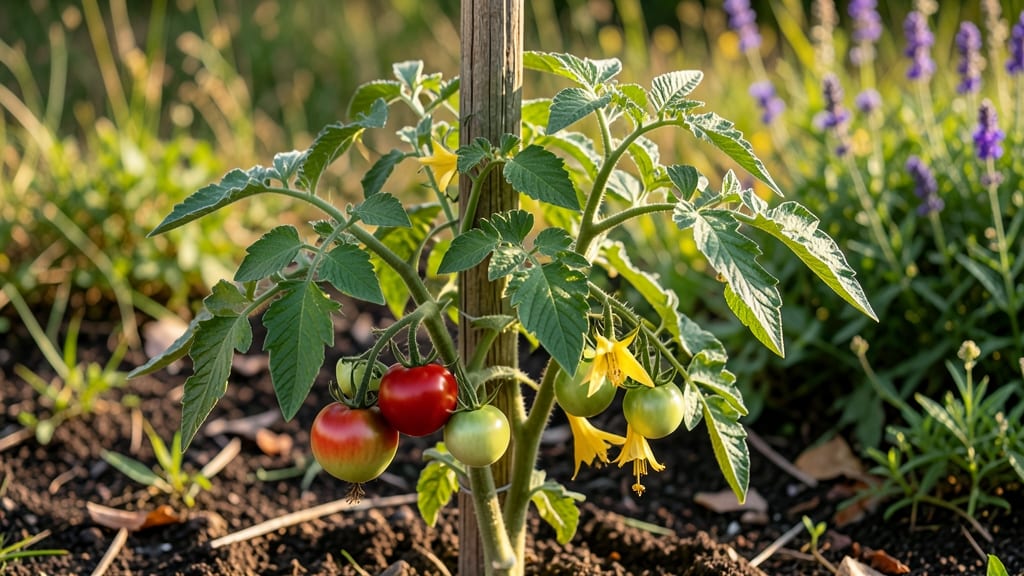
Your healthy looking tomato plants can go from struggling to stunning in just 30 days—no blight in sight. 🌱 The secret isn’t fancy tricks but smart habits: sunlight, soil, and spacing that keep vines thriving.
I’ve turned my own patch from wilted to bursting with life using these simple, science-backed steps.
Start with 6-8 hours of direct sun daily and well-draining soil rich in compost. Water deeply at the base (not the leaves) in the morning to prevent fungal issues. Prune suckers early to focus energy on fruit production, and mulch heavily to lock in moisture and block weeds.
By day 30, you’ll see deep green leaves, strong stems, and flowers forming—proof the plant is happy. The key is consistency: no overwatering, no crowded vines, and regular checks for pests. Even my black thumb can’t mess this up.
Works for determinate and indeterminate varieties, containers or ground beds, and even small patios. Once you master these basics, your tomatoes will be the envy of the neighborhood—and your dinner plate will never look the same.
📚 In This Guide
- What you need
- Instructions
- Tips and common mistakes
- Wrapping up and next steps
What you need
- ● Tomato seeds or seedlings: Choose disease-resistant varieties like Celebrity, Solar Fire, or Mountain Merit (6-8 plants for a small garden).
- ● High-quality potting mix: 10-15 lbs of organic, well-draining soil (avoid garden soil—it can harbor blight spores!).
- ● Containers or garden beds: For containers: 5-gallon pots (1 per plant) with drainage holes.
- ● For in-ground: Full sun (6+ hours/day), raised beds, or mounded soil (12" high x 12" wide per plant).
- ● Compost or organic fertilizer: 5-10-5 or balanced fertilizer (1 tbsp per plant at planting, then monthly).
- ● Mulch: Straw or shredded leaves (2-3 inches thick) to retain moisture and prevent soil-borne diseases.
- ● Gloves and pruners: Sterilized pruners (rubbing alcohol wipe between cuts) to trim suckers and dead leaves.
- ● Watering can or hose with nozzle: Drip irrigation or soaker hoses (avoid overhead watering to prevent blight).
- ● Support stakes or cages: 6-foot bamboo stakes or tomato cages (1 per plant).
- ○ pH test kit: Optional but helpful—aim for soil pH 6.0-6.8.
- ● Basil, marigolds, or borage: Plant 1-2 per tomato to repel pests and improve growth.
- ● Avoid planting near: Fennel, brassicas (cabbage family), or potatoes (they compete for nutrients).
Step-by-step guide to growing healthy tomato plants
Here’s how I transform leggy, blight-prone tomato plants into sturdy, productive vines in just 30 days.
🌱 Step 1: Start with Strong Seedlings or Disease-Free Transplants
If starting from seed, plant in biodegradable pots with sterile seed-starting mix—never garden soil. Sow seeds ¼ inch deep and keep soil at 75-85°F for germination. You’ll see sprouts in 5-10 days if moisture stays consistent. If buying transplants, inspect stems for dark spots or weak growth—skip any that look compromised.
I always harden off seedlings for 7-10 days before transplanting. Move them outside gradually, starting with 1 hour of shade daily, then increasing sun exposure. Watch for wilting—if leaves droop, they’re not ready for full sun yet. Strong seedlings have thick stems and deep green leaves.
☀️ Step 2: Position for Maximum Sun and Airflow
Tomatoes need 6-8 hours of direct sun daily—no compromise. I plant mine in the morning sun with afternoon shade in hot climates to prevent sunscald. Space plants 18-24 inches apart in rows 3 feet apart to ensure airflow. Crowded plants trap moisture, inviting blight.
Use cage supports or stakes immediately after transplanting. Let vines climb naturally—this prevents soil-borne diseases from splashing onto leaves. If your garden has poor airflow, add a small fan on low for 10 minutes daily to toughen plants.
💧 Step 3: Water Deeply and Consistently
Water at the base of the plant every 2-3 days until the top 2 inches of soil feel dry. Drip irrigation or soaker hoses work best—they deliver moisture without wetting foliage, which reduces blight risk. Avoid overhead watering, especially in the evening.
I mulch with 2-3 inches of straw or grass clippings to retain moisture and block weeds. Check soil moisture by pressing a finger 1 inch deep—if it’s dry, water again. Overwatering is worse than underwatering; yellow leaves often signal too much moisture.
✂️ Step 4: Prune and Fertilize for Vigorous Growth
Pinch off the first flower clusters if seedlings are small—this redirects energy to root and stem growth. Once plants are 12 inches tall, remove suckers (the small shoots between the stem and branches) to focus energy on fruit production. Prune in the morning so wounds dry quickly.
Feed plants with a balanced 10-10-10 fertilizer every 2 weeks after flowering. I switch to a low-nitrogen, high-phosphorus formula (5-10-10) when fruit sets to boost yield. Stop fertilizing 4 weeks before harvest to avoid bitter-tasting tomatoes.
🛡️ Step 5: Prevent Blight with Proactive Care
Remove and destroy any yellow or spotted leaves immediately—don’t compost them. Space plants to improve airflow, and avoid watering overhead. If blight appears, spray with a copper fungicide every 7-10 days as a preventative. I also rotate crops yearly to break disease cycles.
Watch for early signs: brown spots on lower leaves or white mold on stems. Act fast—once blight spreads, it’s hard to reverse. Healthy plants have shiny, dark green leaves and no wilting. If you see wilting, check roots for rot and adjust watering immediately.
Tips & tricks for perfect tomato plant care
Here's what I've learned after years of battling blight and leggy vines—these tricks make all the difference.
Seedling Selection: When buying transplants, look for ones with thick stems and deep green leaves—these are your best bet for avoiding early blight. I always skip any with yellowing or spotted leaves, even if they're discounted. The extra $2 now saves me from starting over later.
Sunlight Strategy: The 6-8 hours of direct sun requirement is non-negotiable, but I've found that morning sun with afternoon shade works best in hot climates. If you notice leaves curling or turning white, that's sunscald—move plants to partial shade immediately. A simple shade cloth can save your plants during peak afternoon heat.
Watering Wisdom: That 2-3 days watering schedule can vary based on your climate. In hot summers, I water every 2 days and check soil moisture twice daily. The key is keeping the top 2 inches dry between waterings—this prevents both overwatering and underwatering. I've ruined more tomato plants from too much water than too little.
Pruning Precision: When pruning suckers, I use clean scissors and always cut just above the leaf joint where the sucker grows. This prevents disease from entering the plant. I also prune in the morning so any wounds dry quickly during the day. The 12-inch height threshold is important—waiting too long means more energy wasted on foliage rather than fruit production.
Pro Tips for Healthy Looking Tomato Plants
- Here's what I've learned after years of battling blight and leggy vines—these tricks make all the difference.
- Seedling Selection: When buying transplants, look for ones with thick stems and deep green leaves—these are your best bet for avoiding early blight.
- Sunlight Strategy: The 6-8 hours of direct sun requirement is non-negotiable, but I've found that morning sun with afternoon shade works best in hot climates.
Frequently asked questions
Got questions about keeping your tomato plants lush, blight-free, and thriving? You’re not alone! Here are answers to the most common concerns—so you can grow healthy looking tomato plants with confidence.
How often should I water my tomato plants to prevent disease?
Water deeply 2-3 times per week (more in extreme heat), but avoid wetting the leaves. Early morning is best—this prevents fungal spores from spreading. Use drip irrigation or soaker hoses to keep soil consistently moist without soggy roots. Pro tip: Mulch around the base to retain moisture and deter soil-borne pathogens!
Why are my tomato plants yellowing, even with good care?
Yellowing leaves often signal overwatering, nutrient deficiency, or blight. Check the soil—it should be damp but not waterlogged. If lower leaves yellow first, it’s likely early blight. Remove affected leaves immediately and apply a copper fungicide spray as a preventative. Nitrogen deficiency (pale yellow leaves) can be fixed with compost or a balanced fertilizer.
Can I still grow tomatoes if I don’t have a garden? What are my alternatives?
Try container gardening with 5-gallon pots or grow bags for dwarf varieties like ‘Tiny Tim’ or ‘Patio Princess.’ For urban spaces, vertical gardening (trellises or hanging pots) saves space. Even a sunny balcony or patio works—just ensure containers have drainage holes and use lightweight potting mix.
How do I know if my tomato plants are healthy enough to produce fruit?
Healthy plants have deep green, glossy leaves (not curled or spotted), sturdy stems, and new growth at the top. Look for small white flowers—these signal future fruit! If plants are leggy or flowers drop off, they may need more sunlight (6-8 hours/day) or phosphorus-rich fertilizer (like bone meal).
What’s the fastest way to stop blight before it ruins my plants?
Act immediately at the first sign of spots or wilting:
- Prune all infected leaves and dispose of them in the trash (not compost).
- Spray plants with a baking soda solution (1 tsp baking soda + 1 quart water + a drop of dish soap) every 7-10 days.
- Apply neem oil or copper fungicide for prevention.
- Improve airflow by spacing plants 18-24 inches apart.
Wrapping up and next steps
Growing healthy-looking tomato plants is totally within reach—even if you’re new to gardening! By choosing the right companion plants, maintaining proper care, and staying vigilant against blight, you’ll soon enjoy lush vines and delicious harvests. 🌱
Now that you’re armed with tips and tricks, it’s time to roll up your sleeves and get planting! Start with just one or two tomato plants and experiment with companions like basil, marigolds, or onions.
Track your progress, adjust as needed, and soon you’ll be the proud gardener of a thriving, blight-free tomato patch. Happy growing! 🌿
- Next step: Pick your favorite tomato variety and companion plants—then plant with confidence!