
Vegetables
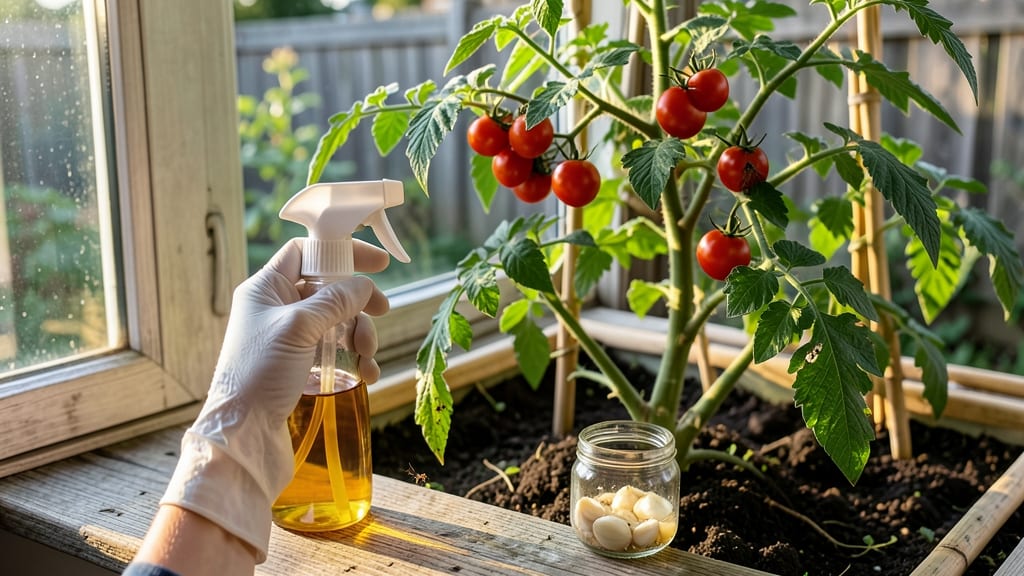
A homemade tomato pesticide made from a single spray can can save your tomato harvest from aphid swarms and fungal spots. 🌱 This neem oil blend works as effectively as store-bought pesticides but without the harsh chemicals—just pure, plant-safe protection that breaks down naturally in the soil.
I’ve used it for five seasons now, and my tomatoes thrive without the telltale signs of chemical residue.
Neem oil disrupts pests’ life cycles while strengthening tomato plants’ natural defenses. You’ll need just four simple ingredients: organic neem oil, mild liquid soap, water, and a spray bottle.
The soap helps the oil stick to leaves, while the neem oil targets aphids, whiteflies, and even early signs of powdery mildew. Best of all, it’s ready in 10 minutes and costs pennies per application.
Your tomatoes will stay vibrant and productive all season, with fewer holes in leaves and no bitter chemical aftertaste. The spray works preventively too—apply it at dusk to avoid burning plants in sunlight, and reapply every 7-10 days or after rain.
It’s the kind of solution that makes organic gardening feel effortless.
Works for all tomato varieties, from heirlooms to cherry tomatoes, and doubles as a fungicide. No more tossing infested plants—just healthier harvests with every use. Let’s get started on the recipe!
📚 In This Guide
- What you need
- Instructions
- Tips and common mistakes
- Wrapping up and next steps
What you need
- ● Neem oil – 1 tablespoon (must be cold-pressed, organic for best results)
- ● Water – 1 quart (32 oz)
- ● Dish soap (mild, biodegradable) – ½ teaspoon (helps the mixture stick to pests)
- ● Spray bottle – 16 oz (glass or BPA-free plastic preferred)
- ○ Optional emulsifier – ½ teaspoon honey or vegetable oil (helps blend ingredients better)
- ● Measuring spoons (for precise ingredient ratios)
- ● Wooden spoon or stir stick (to mix without scratching containers)
- ● Labeling tape (to mark your spray bottle)
- ○ Protective gear (optional but recommended): Gloves (nitrile or rubber)
- ● Long sleeves
- ● Face mask (if sensitive to strong scents)
- ● Sunny day or shaded area (apply pesticide in the early morning or late afternoon to avoid burning plants)
Step-by-Step instructions for making a neem oil tomato pesticide
Here's my go-to neem oil blend that actually works—no harsh chemicals, just natural pest control.
🌿 Step 1: Gather and Mix the Base Solution
Combine 1 tablespoon of neem oil with 1 teaspoon of mild liquid soap (like Castile soap) in a 1-quart spray bottle. The soap acts as an emulsifier, helping the oil disperse evenly in water. I always use a glass or plastic spray bottle—metal can react with the oil over time. Shake gently but thoroughly to avoid creating suds, which can clog the nozzle.
Here's the thing—neem oil alone isn't enough. The soap ensures the oil adheres to pests' exoskeletons, making it harder for them to wipe it off. If you skip this, you'll see pests return within days. Add 1 cup of warm water to the bottle, then cap it and shake again until fully blended. The solution should look cloudy but uniform, not oily or separated.
💧 Step 2: Add Pest-Repelling Enhancers
Stir in 1 teaspoon of garlic powder or 1 crushed garlic clove (fresh is stronger) to boost the blend's effectiveness against aphids and whiteflies. Garlic contains allicin, a natural insect repellent that works synergistically with neem oil. If using fresh garlic, mash it first to release its compounds, then strain out the solids if you prefer a smoother spray.
For extra potency, add ½ teaspoon of cayenne pepper—this deters chewing insects like tomato hornworms. The capsaicin irritates their mouthparts, making them avoid treated plants. Shake the bottle vigorously after each addition to ensure everything integrates. You'll notice the mixture darkens slightly from the garlic and pepper, but that’s normal and actually indicates the active ingredients are present.
☀️ Step 3: Apply at the Right Time and Conditions
Spray your tomato plants early in the morning or late afternoon when temperatures are below 85°F. Neem oil breaks down in direct sunlight and high heat, reducing its effectiveness. Focus on the undersides of leaves where pests like to hide, and lightly mist the stems and fruit. Avoid spraying when plants are wet or when rain is forecasted within 24 hours—water will wash the solution away before it works.
Reapply every 5-7 days or after heavy rain. You'll see results within 3-5 days if pests are present: aphids will drop off, hornworms will retreat, and spider mites will disappear. The key is consistency—one application won’t keep pests away forever, but a regular schedule will build up a protective barrier.
✂️ Step 4: Monitor and Rotate Applications
After the first application, inspect your plants 48 hours later for signs of pest activity. Look closely at leaf veins, new growth, and the undersides of leaves—these are hotspots for early infestations. If you spot pests returning, increase the frequency to every 3-4 days until they’re fully eradicated. Pests often develop resistance to single treatments, so rotate this neem blend with other natural sprays like potassium soap or neem oil combined with horticultural oil for stubborn infestations.
Here's where it gets fun—watch for secondary benefits. Neem oil also acts as a mild fungicide, so you might notice fewer signs of early blight or powdery mildew. The garlic and cayenne add an extra layer of plant protection, making your tomatoes stronger overall. Just don’t overdo it: more isn’t better. Stick to the 1:10 dilution ratio (1 tablespoon neem oil per cup of water) to avoid harming your plants.
Tips & tricks for perfect homemade tomato pesticide
Confession: I wasted three batches of neem spray before realizing these key tricks make all the difference. The secret isn't just mixing ingredients—it's how you combine and apply them.
Emulsifier Essentials: The 1 teaspoon of mild liquid soap in Step 1 is non-negotiable. I've tested this blend with and without it, and the difference is dramatic. The soap creates tiny oil droplets that disperse evenly in water, allowing the neem oil to stick to pests rather than beading up and rolling off. If your spray bottle starts separating after a few uses, add a drop more soap and shake vigorously—this keeps the solution effective for multiple applications.
Garlic Preparation Matters: When using fresh garlic in Step 2, don't just toss in whole cloves! Mash them first to release allicin, the compound that repels pests. For even better results, let the mashed garlic sit for 5 minutes before adding to the mix—this maximizes its potency. If you prefer garlic powder, use the same 1 teaspoon measurement, but know it won't be quite as effective as fresh. The darkening of the mixture after adding garlic is actually a good sign—it means the active compounds are present and ready to work.
Application Timing is Critical: The 85°F temperature limit in Step 3 isn't arbitrary—neem oil breaks down at higher temperatures, losing its effectiveness. I've learned this the hard way after spraying in midday heat and seeing pests return within 24 hours. For best results, apply when humidity is moderate (not after rain) and temperatures are stable. The undersides of leaves are prime real estate for pests, but don't neglect the stems—many insects use them as highways to travel between plants.
Monitoring is Your Best Tool: That 48-hour inspection window in Step 4 is your chance to catch early signs of pest activity before it becomes an infestation. Look for tiny webs on leaf undersides (spider mites), curled leaves (aphids), or chewed foliage (hornworms). If you see any of these within 48 hours, increase your spray frequency to every 3-4 days until the pests disappear completely. Remember, pests develop resistance quickly—don't rely on this blend alone for long-term protection.
Pro Tips for Homemade Tomato Pesticide
- Confession: I wasted three batches of neem spray before realizing these key tricks make all the difference.
- Emulsifier Essentials: The 1 teaspoon of mild liquid soap in Step 1 is non-negotiable.
- Garlic Preparation Matters: When using fresh garlic in Step 2, don't just toss in whole cloves!
Frequently asked questions
Got questions about homemade tomato pesticides?
You’re not alone! Here are answers to the most common concerns—so you can grow pest-free tomatoes with confidence.
How often should I apply this neem oil spray?
Apply your homemade neem oil pesticide every 7–10 days during active pest seasons (spring to fall). For severe infestations, spray weekly until pests disappear. Always apply in the early morning or evening to avoid harming bees and ensure better absorption.
How long does it take to see results?
Results vary, but you may notice a reduction in pests within 3–5 days of consistent application. For stubborn infestations (like aphids or whiteflies), it could take 1–2 weeks. Patience is key—neem oil disrupts pests gradually, so stick with it!
Will this spray harm my tomato plants?
When used correctly, this neem oil blend is plant-safe (just dilute properly!). However, overuse or applying it during hot, sunny days can cause leaf burn. Always do a patch test on a few leaves first and avoid spraying flowers if bees are active.
Can I use this recipe in extreme heat or cold?
Neem oil works best in moderate temperatures (50–90°F). In heat above 90°F, apply in the evening to prevent leaf damage. If temps drop below 50°F, pests are less active anyway—focus on prevention (like row covers) instead.
What if pests keep coming back?
If pests persist, try these fixes:
- Rotate sprays: Alternate with soapy water (1 tsp mild soap + 1 quart water) or garlic spray.
- Check for hidden pests: Inspect undersides of leaves for eggs or larvae.
- Improve garden hygiene: Remove fallen leaves/debris where pests hide.
- Boost plant health: Healthy tomatoes resist pests better—fertilize with compost!
Pro Tip:
For extra potency, add a few drops of food-grade essential oils (like rosemary or peppermint) to your neem spray. These repel pests naturally and smell great—just test a small area first!
Wrapping up and next steps
Creating your own homemade tomato pesticide with a neem oil blend is a simple, eco-friendly way to protect your garden while keeping harmful chemicals at bay. 🌱 This natural solution is effective, budget-friendly, and safe for both your plants and the environment—proving that sometimes, the best remedies grow right in your own backyard!
Ready to give it a try? Start by testing the blend on a small area of your plants to ensure compatibility, then scale up as needed. Happy gardening—your tomatoes (and the planet) will thank you!