
How To
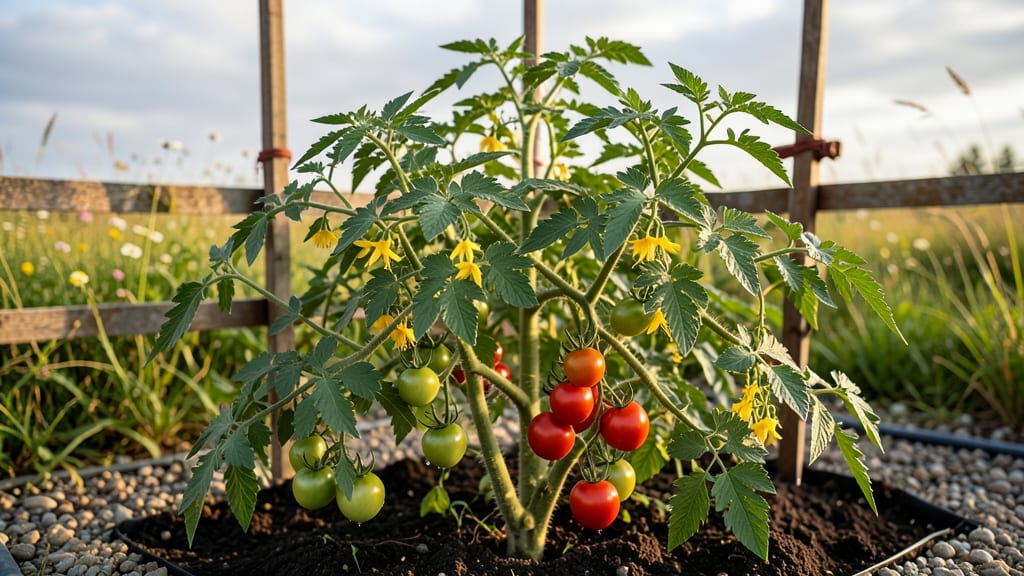
A tomato plant grows anywhere from 1 foot to over 10 feet tall, depending on its variety and care — and that range can change how you plan your garden.
Picture this: a 3-foot cherry tomato bush crowding your patio, or a 10-foot vine stretching toward the sky, demanding a sturdy trellis. The height of your tomato plants isn’t just about aesthetics; it affects spacing, staking needs, and even how much fruit you’ll harvest.
Get it wrong, and you’re either wasting space or struggling to reach your harvest.
Determinate varieties stay compact, perfect for containers or small gardens, while indeterminate types keep climbing until frost. But even within those categories, pruning, sunlight, and soil can push a plant taller—or shorter—than expected.
Below, I break down the exact heights by variety, plus the tricks to control growth without sacrificing yield.
Whether you’re a beginner plotting your first tomato patch or a seasoned gardener tweaking your layout, knowing these heights is the first step to a thriving, easy-to-care-for crop. Let’s dive into the numbers—and how to work with them.

Tomato plant height by variety: from dwarf to sky-high giants
Choosing the right tomato variety isn’t just about flavor—it’s about garden space. Some varieties stay compact enough for container growing, while others need trellises taller than you are. The difference? Determinate vs. indeterminate growth habits.
Determinate tomatoes grow to a set height, producing fruit all at once, while indeterminate varieties keep growing and fruiting all season long. Knowing these distinctions helps you plan spacing, staking, and even harvest timing for maximum yield.
If you’ve ever wondered whether your balcony garden can handle 6-foot vines or if your windowsill is better suited for 1-foot dwarf varieties, this guide breaks down the exact height ranges of popular tomato types.
I’ll also share how to use these measurements for optimal plant spacing and support systems—because even the tallest tomato plant needs the right setup to thrive.
Let’s start with the dwarf varieties, perfect for container gardens or small-space growers. Varieties like ‘Tiny Tim’ or ‘Patio Princess’ max out at just 2-3 feet tall, making them ideal for balconies or windowsills.
These compact plants need minimal spacing—just 12-18 inches apart—and thrive in 5-gallon pots with proper drainage. Their bushy growth habit means you’ll get a single harvest wave, which is great for canning or sauces.
Next, we have semi-dwarf varieties, which bridge the gap between bushy determinates and tall indeterminates. Plants like ‘Roma’ or ‘Better Boy’ grow 3-5 feet tall and benefit from light staking or cages.
These are my go-to for raised beds or small backyards because they’re easy to manage while still producing high yields. Space them 18-24 inches apart to avoid competition for nutrients.
Now, for the determinate varieties, which are the classic bush tomatoes most gardeners recognize. These plants grow to a predictable height of 3-5 feet and produce fruit all at once, making them perfect for large-scale canning or fresh eating in bulk.
Popular picks include ‘Celebrity’ or ‘Glacier’. Since they stop growing when they flower, you won’t need to prune them aggressively—just space them 24-36 inches apart and provide light support like tomato cages.
If you’re dreaming of sky-high tomato vines, then indeterminate varieties are your best bet. These plants grow continuously all season, often reaching 6-10 feet or more if left unchecked.
Varieties like ‘Sungold’ or ‘Brandywine’ are famous for their prolific fruiting and extended harvests. To manage their height, I recommend
How to control tomato plant height naturally (without sacrificing yield)
Tall tomato plants like 'Sungold' or 'Beefsteak' can reach 6-10 feet if left unchecked, but that doesn’t mean you have to sacrifice yield for control. The key is using natural techniques that redirect energy toward fruit production instead of excessive vine growth.
Whether you're working with determinate bushes or indeterminate giants, these methods will keep your plants productive while maintaining manageable heights.
First, let’s address the most common misconception: pruning doesn’t hurt your tomatoes. In fact, strategic pruning boosts airflow, reduces disease risk, and focuses the plant’s energy on producing larger, sweeter fruit. The trick is knowing what to prune and when to stop.
For indeterminate varieties, you’ll want to remove suckers (those little shoots in the leaf axils) regularly, but never prune more than one-third of the plant at once.
Here’s how to manage height naturally without compromising your harvest:
For determinate varieties like 'Roma' or 'Celebrity', height control is simpler—these plants naturally top out at 3-5 feet and don’t require pruning. Instead, focus on proper spacing (18-24 inches apart) and mulching to keep them compact. The real challenge comes with indeterminate types, which can grow indefinitely if unchecked.
One of my favorite natural tricks is using shade cloth during the hottest part of the day (11 AM–3 PM). This slows vine elongation without stunting fruit production. Just ensure the plant still gets 6+ hours of direct sun daily.
Pair this with drip irrigation to keep roots consistently moist—drought stress forces plants to grow taller to reach water.
Remember, the goal isn’t to stifle growth but to guide it. With these techniques, even 10-foot 'Beefsteak' plants will stay manageable while delivering a bumper crop. Start with suckers and trellising, then fine-tune with organic amendments—your tomatoes (and your back) will thank you! 🌱