
Watering
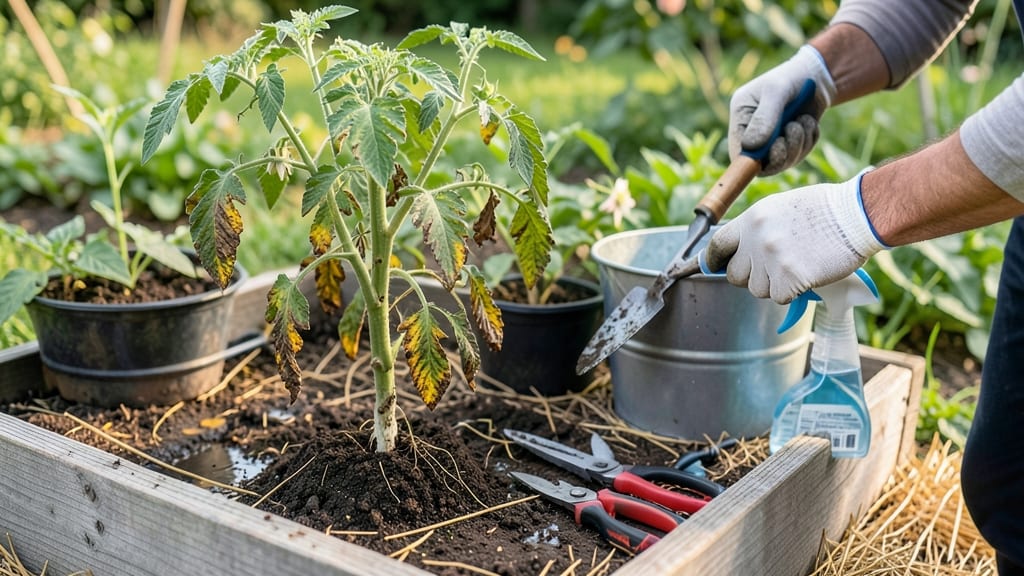
How to fix overwatered tomato plants—I’ve saved mine from the brink of root rot with these exact steps, and you can too. 🌱 The key is acting fast: stop watering immediately, prune the damaged foliage, and improve drainage before the roots suffocate. Most gardeners overlook the soil’s role, but fixing it is half the battle.
Start by cutting back any yellow or mushy leaves—they’re just slowing down recovery. Then, check your pots or soil: if water pools or smells sour, you’ve got poor drainage.
Add perlite or compost to loosen heavy soil, and consider elevating containers to let excess water escape. Root rot spreads fast, but with airflow and dryness, roots start healing in 3 days.
By day 3, you’ll see new green shoots if the roots are still alive—that’s your plant fighting back. Keep watering lightly (just when the top inch feels dry) and avoid fertilizing until new growth appears.
The first flush of blooms might be smaller, but your plants will rebound stronger than ever.
Prevent future soggy soil with a moisture meter or your finger—stick it in 1 inch deep before watering. Mulch helps too, by slowing evaporation and keeping roots stable. Once you’ve mastered this, overwatering won’t stand a chance.
Root Causes of Overwatering
Overwatering tomato plants might seem like a harmless mistake—after all, who doesn’t want their plants to drink up? But when roots drown, nutrients get flushed away, and oxygen starves out, leading to a cascade of problems.
Let’s break down the real reasons your tomato plants are getting too much love (and too little breath).
Tomatoes thrive in well-draining soil, but if your garden bed or pots don’t allow excess water to escape, roots suffocate. Here’s why this happens:
- Compacted or clay-heavy soil acts like a sponge, holding water tightly and cutting off airflow to roots. If you’ve ever poked your finger into the soil and felt it squish like wet cement, that’s a red flag.
- Lack of organic matter (like compost or perlite) reduces porosity. Roots need tiny air pockets to breathe—without them, they rot.
- Improper container drainage: Pots without holes or those lined with plastic at the bottom trap water like a bathtub. Even "self-watering" containers can become death traps if not monitored.
Pro tip: 💡 Test your soil’s drainage by filling a jar with soil and water, then timing how long it takes to drain. If it’s slower than 30 minutes, amend with sand, coconut coir, or vermiculite.
Automated drip systems and rigid watering schedules are convenient—but they don’t account for weather, soil type, or plant maturity. Here’s how timing backfires:
- Ignoring rainfall: Watering on a set schedule when it’s been raining for days leads to soggy soil and fungal infections like Phytophthora, which rots roots.
- Overestimating evaporation: Young seedlings need moisture, but mature tomato plants with thick foliage can handle longer dry spells between waterings.
- Nighttime watering: Water evaporates slower at night, increasing the risk of fungal diseases (like early blight) that thrive in damp leaves and soil.
Pro tip: 🌡️ Stick your finger 1–2 inches into the soil before watering. If it’s damp, wait. Use a moisture meter for precision—aim for 40–60% moisture in the root zone, not a swamp.
When tomato plants struggle to support themselves—whether from poor trellising, excessive pruning, or overcrowded roots—they can’t regulate water uptake efficiently. Here’s the science:
- Root-bound plants in containers develop a dense, tangled root system that can’t absorb water evenly. When you water, some areas get drenched while others stay dry.
- Floppy stems (from lack of support) cause leaves to touch wet soil, creating a bridge for pathogens like Fusarium wilt.
- Too many suckers or leaves shade the soil, slowing evaporation and keeping the root zone perpetually damp.
Pro tip: ✨ Prune aggressively to improve airflow, and transplant root-bound plants into larger pots or soil with a fork to loosen compacted roots.
Fertilizers and mulch are supposed to help, but too much of a good thing can disrupt water balance and encourage rot:
- High-nitrogen fertilizers promote leafy growth, which shades the soil and reduces evaporation. Meanwhile, roots grow faster than the soil can drain, leading to waterlogging.
- Thick mulch layers (over 3 inches) act like a blanket, trapping moisture and heat. In hot climates, this can cook roots; in cool climates, it keeps soil soggy.
- Fresh manure or compost can "burn" roots if not aged properly, creating pockets of high salinity that repel water and nutrients.
Pro tip: 🎯 Use a balanced fertilizer (10-10-10 or 5-5-5) and mulch with straw or wood chips—never directly against the stem. Keep mulch 2–3 inches deep.
Now that you know why your tomatoes are drowning, the next step is fixing the damage—without losing your plants to rot. Stay tuned!
Revive Your Tomatoes Fast
Overwatered tomato plants can feel like a drowning disaster—but don’t panic! With the right steps, you can rescue your plants and get them thriving again in just a few days.
The key is acting quickly to address the root causes (literally!) while giving your tomatoes the care they need to bounce back. Below, we’ve mapped out practical solutions for common overwatering symptoms, along with prevention tips to keep your plants happy long-term.
Signs this applies: Yellowing leaves, mushy stems, or soil that’s soggy to the touch.
If your tomatoes are already drowning, cut off all water for at least 24–48 hours. This gives the roots a chance to recover and prevents further damage.
Think of it like letting a soaked sponge dry out—too much moisture suffocates roots and invites fungal diseases like Phytophthora or Fusarium wilt.
How to check:
- Stick your finger 1–2 inches into the soil. If it’s damp or sticky, hold off on watering.
- Pro tip: 💡 Use a moisture meter for accuracy—it’s a game-changer for avoiding guesswork.
Signs this applies: Water pooling around the base, compacted soil, or roots sitting in standing water.
Poor drainage is the #1 reason overwatering wreaks havoc. Fix it with these quick fixes:
🛠️ For Container-Grown Tomatoes:
- Repot immediately if the container lacks drainage holes.
Choose a pot with multiple holes at the bottom and fill the saucer with gravel or perlite (not water!) to catch excess moisture. - Upgrade the soil mix: Replace heavy, clay-based soil with a well-draining blend (60% potting soil + 30% perlite + 10% compost).
This combo breathes better and drains faster.
🌿 For In-Ground Tomatoes:
- Amend the soil by mixing in sand, perlite, or coconut coir around the base (avoid disturbing roots too much).
- Create a drainage trench: Dig a shallow trench 6–12 inches away from the plant and fill it with gravel or broken pottery shards.
This redirects excess water away from the roots. - Raise the plant slightly: If your garden bed is prone to sogginess, mound extra soil or compost around the stem to elevate it.
Pro tip: 🌡️ Test your soil’s drainage by filling a jar with soil and water, then timing how long it takes to drain. Ideal? Under 30 minutes.
Signs this applies: Blackened leaves, wilting, or leaves that feel mushy when touched.
Pruning isn’t just for shaping—it’s a lifesaving move for overwatered plants. Here’s how to do it right:
- 🔪 Sterilize your tools: Wipe pruners with rubbing alcohol to prevent spreading disease.
- 🌿 Remove the worst offenders: Snip off yellow, black, or mushy leaves at the base. These are energy vampires and disease magnets.
- 🍳 Trim back overgrowth: If the plant looks top-heavy, prune 1/3 of the top growth to redirect energy to root recovery.
- 🚫 Avoid pruning flowers/fruit unless they’re also diseased—you’re saving the plant, not the harvest!
Pro tip: ✨ Prune in the morning so wounds dry out faster, reducing rot risk.
Signs this applies: You’re watering on a schedule, not by need, or using a sprinkler system.
Overwatering often stems from bad habits. Break these cycles with smarter watering:
| Old Habit | New Habit | Why It Works |
|---|---|---|
| Watering on a schedule | Water when the top 1–2 inches of soil are dry | Prevents soggy roots and fungal growth. |
| Using sprinklers | Drip irrigation or soaker hoses | Delivers water directly to roots, no waste. |
| Watering in the evening | Morning watering (6–9 AM) | Reduces humidity overnight, cutting disease risk. |
| Heavy, deep waterings | Light, frequent waterings (1–2 inches per week) | Encourages deep root growth. |
Pro tip: 🎯 Group plants with similar water needs together to simplify care.
Signs this applies: Stunted growth, weak stems, or slow recovery after pruning.
Overwatered roots need a pick-me-up. Try these root-reviving tricks:
- 🌿 Apply a fungal treatment: Spray roots with neem oil or hydrogen peroxide (3%) to kill harmful microbes.
Mix 1 tbsp neem oil + 1 tsp dish soap + 1 quart water for a DIY spray. - 💪 Fertilize lightly: Use a balanced, water-soluble fertilizer (10-10-10) at half strength to encourage new growth.
Avoid high-nitrogen feeds—they promote leafy growth, not roots. - 🌱 Mulch properly: Add 2–3 inches of straw or shredded leaves around the base (keep it 4–6 inches away from the stem). This insulates roots and regulates moisture.
Pro tip: 🔥 Avoid synthetic fertilizers for the first week—let the plant recover first.
Once your tomatoes are back on track, lock in these habits to avoid future disasters:
- 📊 Check soil moisture daily in hot/dry weather—stick your finger in!
- 🌧️ Plan for rain: If forecasted, skip watering 24–48 hours beforehand.
- 🏗️ Build raised beds if your garden soil drains poorly.
- 🌿 Choose drought-resistant varieties like ‘Solar Fire’ or ‘Mountain Merit’ for low-maintenance wins.
- 🔍 Monitor leaves weekly for early signs of stress (yellowing, spots).
Remember: Overwatered tomatoes can recover stunningly fast—sometimes in just 3 days—if you act swiftly. Stay patient, adjust your habits, and soon you’ll be harvesting juicy, sun-ripened tomatoes like a pro! 🍅🔥
Frequently asked questions
How do I know if my tomato plant is overwatered vs. underwatered?
Check the soil and leaves: Overwatered plants have yellowing leaves (especially lower ones), mushy stems, and soil that smells sour or stays soggy. Underwatered plants show crispy brown edges, wilting even when soil is dry, and dry soil that pulls away from the pot. The key difference? Overwatered plants feel heavy and limp, while underwatered ones feel light and brittle.
Can I save a tomato plant with root rot?
Yes, but act fast! Remove the plant from wet soil, trim away blackened roots with sterilized scissors, and repot in fresh, well-draining mix. For 3 days, avoid watering entirely—let roots dry out. If the stem is still firm, it can recover; if it’s hollow or smells rotten, the plant is likely beyond saving. Prevent future rot by elevating containers and using pots with drainage holes.
Why do my tomato leaves turn yellow after fixing overwatering?
Yellow leaves are normal during recovery—the plant sheds damaged foliage to focus energy on roots. If new growth appears within 3–5 days, the plant is healing. If yellowing spreads to new leaves or stems soften, you may have Phytophthora (fungal root rot). In that case, treat with a copper fungicide and improve airflow by pruning crowded branches.
How often should I water tomatoes after fixing overwatering?
Water only when the top 1–2 inches of soil feel dry—about 1–2 times per week in warm weather, less in cool climates. Use a moisture meter for precision. Early morning is best to reduce fungal risks. Avoid deep soaking; instead, water slowly at the base until it drains through the pot or soil. Containers dry faster than garden beds.
Will my tomatoes still produce fruit after overwatering?
Yes, but expect a smaller harvest initially. Overwatered plants may drop flowers or produce stunted fruit while recovering. Once roots stabilize (usually 1–2 weeks), new blooms will form. Focus on reviving the plant first—healthy roots = better fruit production later. Prune aggressively to redirect energy to recovery, not fruit development.