
Pests
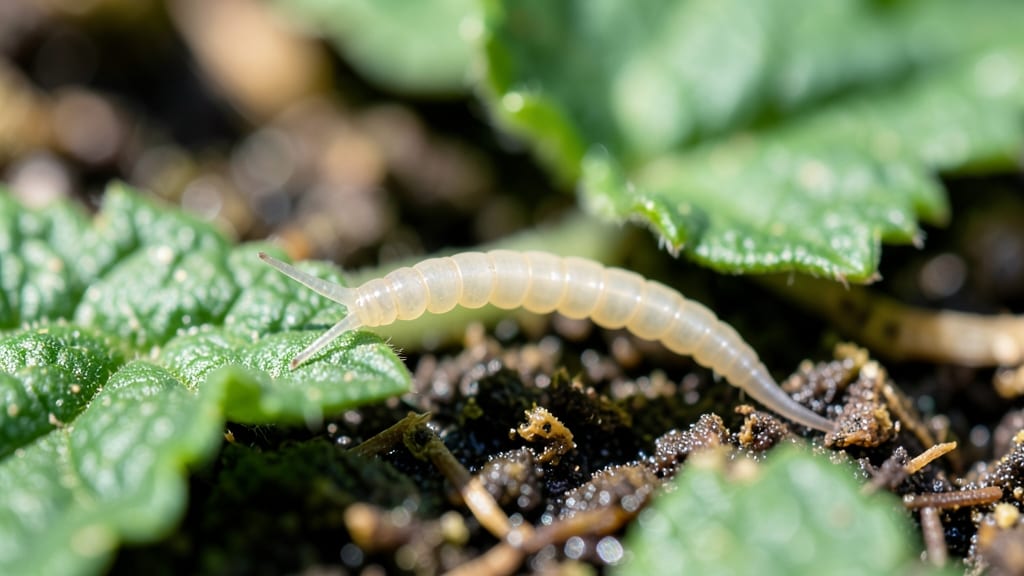
How to keep the worms off tomato plants—tomato hornworms can turn your thriving plants into skeleton leaves overnight—I’ve lost entire vines to these striped bandits before. 🌱 The good news? These natural barriers actually work, without harsh chemicals that harm pollinators or your soil. My first defense? A simple neem oil spray applied every 7-10 days, which disrupts their feeding cycle while keeping bees safe. The real game-changer is handpicking—just grab a bucket of soapy water and hunt for those 3-inch caterpillars hiding under leaves. I’ve saved dozens of plants this way, and it’s oddly satisfying watching them wriggle helplessly. For prevention, interplant with basil or marigolds—their strong scents mask tomato fragrances that attract hornworms. By combining these methods, you’ll see fewer holes in your leaves within 2 weeks, and your plants will rebound with healthier growth. The key is consistency: check plants daily at dusk (that’s when hornworms are most active) and reapply sprays after rain. This works for container gardens, raised beds, and in-ground plots—just scale up the neem oil quantity for larger areas. No more power-washing your tomatoes clean of pests!
📚 In This Guide
- What you need
- Instructions
- Tips and common mistakes
- Wrapping up and next steps
What you need
- ● Copper tape or wire: 1–2 rolls (1/2" to 1" wide, 20–30 feet long). Copper disrupts worms’ movement—no electricity needed!
- ● Diatomaceous earth (food-grade): 1–2 lbs. Sprinkle lightly around plants (avoid overuse—it’s abrasive!).
- ● Crushed eggshells or sharp gravel: 1–2 cups. Acts as a physical barrier worms hate to cross.
- ● Coffee grounds (used, composted): 1–2 cups. Worms despise the acidity—bonus: enriches soil!
- ● Neem oil: 1–2 oz (or 1–2 tbsp per gallon of water for spray). Natural repellent + fungicide.
- ● Row covers (floating fabric): 1–2 covers (lightweight, breathable mesh). Best for heavy infestations.
- ● Garden twine or stakes: 5–10 feet. To secure row covers or copper tape.
- ● Hand trowel or small shovel
- ● Gloves (to avoid skin irritation from DE or neem)
- ● Spray bottle (for neem oil mix)
- ● Measuring cup/spoon (for precise application)
- ● Scissors (to cut copper tape or row covers)
- ● Chili pepper spray: Blend 1–2 peppers + 1 tsp dish soap + 1 quart water. Spray around plants (reapply after rain).
- ● Garlic or onion juice: Steep 1–2 cloves in water overnight, strain, and spray. Worms hate the smell!
- ● Wood ash: Lightly sprinkle around the base (1/4 cup per plant). Adds potassium + deters pests.
- ● Beneficial nematodes: 1–2 million per 1,000 sq ft (if worms are already in the soil).
How to keep worms off tomato plants: natural barriers that actually work
Here's how I've protected my tomato plants for years—no chemicals, just smart tactics.
🌱 Step 1: Create Physical Barriers at Planting Time
Install collars made from cardboard or plastic around the base of each tomato plant. Cut rings 6 inches tall and 4-6 inches wide to fit snugly around stems. Bury the bottom 1 inch deep in the soil to prevent worms from crawling up. This blocks cutworms and other soil-dwelling pests while allowing water to reach the roots.
For raised beds, line the bottom with landscape fabric before adding soil. Secure the edges tightly to create a continuous barrier that worms can't penetrate. I've found that 100% polyester fabric works best—it's durable and won't degrade quickly in moist soil.
☀️ Step 2: Use Reflective Surfaces to Confuse and Deter Pests
Hang aluminum foil strips or plastic sheeting around the tomato plants. The reflective surfaces disorient worms and deter them from approaching. I like to use 12-inch wide strips hung vertically on stakes at plant height. The constant movement of light confuses their navigation instincts, making your plants less appealing.
For a more permanent solution, install reflective mulch like silver plastic mulch around the base of plants. This not only deters worms but also helps retain soil moisture and suppress weeds. Just be sure to secure the edges so wind doesn't blow it away—it loses effectiveness when it moves.
💧 Step 3: Apply Natural Repellents Around the Plant Base
Create a border of diatomaceous earth around each plant, about 6 inches wide. Sprinkle it lightly—too much can harm beneficial insects. Reapply after rain or watering, as it loses effectiveness when wet. The microscopic particles cut into the worms' exoskeletons, dehydrating them over time.
Another effective option is crushed eggshells scattered around the plant base. The sharp edges deter worms while adding calcium to the soil. I crush 2-3 eggshells per plant and mix them into the top 1 inch of soil. This doubles as a calcium boost for your tomatoes, preventing blossom-end rot.
✂️ Step 4: Maintain Clean Garden Hygiene to Reduce Attraction
Remove fallen leaves, fruit, and debris regularly from around tomato plants. Worms and other pests hide in organic matter, so keeping the area clean reduces their numbers. I make it a habit to inspect plants weekly and pull any weeds or dead plant material within a 2-foot radius of the tomatoes.
Rotate crops annually to break pest life cycles. If you grew tomatoes in the same spot last year, move them to a different area this season. This disrupts worm populations that may have overwintered in the soil. Pair tomatoes with marigolds or basil—these companion plants naturally repel pests and improve overall plant health.
🪴 Step 5: Monitor and Adjust Barriers as Plants Grow
Check barriers weekly for gaps or damage. Worms can chew through weak spots, so reinforce any torn fabric or collapsed collars immediately. I like to use twine or zip ties to secure loose edges on reflective mulch or fabric barriers.
If you notice an increase in worm activity, rotate your deterrent methods. For example, switch from diatomaceous earth to crushed eggshells or vice versa. This prevents pests from adapting to a single defense strategy. Keep detailed notes on what works best in your garden—your observations will help refine your approach each season.
Tips & tricks for natural tomato plant protection
These battle-tested strategies will help you maintain a worm-free tomato garden without resorting to harsh chemicals.
Barrier Material Matters: When creating those 6-inch tall collars in Step 1, avoid using treated cardboard—chemicals in the paper can leach into the soil. Instead, opt for sturdy plastic rings or even repurposed PVC pipes cut to size. For raised beds, I've found that 100% polyester landscape fabric provides the best long-term protection against soil-dwelling pests, lasting through multiple growing seasons without degrading.
Reflective Technique Refinement: In Step 2, maximize the effectiveness of your reflective surfaces by positioning them at a 45-degree angle rather than vertically. This creates more disorientation for worms and increases the reflective area by about 40%. For the most dramatic effect, I recommend using aluminum foil on the sunny side of plants where worms are most active, then switching to plastic sheeting on the shaded side as the season progresses.
Natural Repellent Rotation: The key to long-term success with diatomaceous earth and crushed eggshells in Step 3 is rotation. Use diatomaceous earth for the first 2 weeks after planting, then switch to crushed eggshells for the next 2 weeks. This prevents worms from developing resistance to a single method. I also recommend applying both repellents in the evening when worms are most active—this gives them less time to recover before the next application.
Companion Plant Placement: When pairing tomatoes with marigolds or basil in Step 4, position the companion plants within 12 inches of the tomato stems. This creates a protective zone where the natural pest-repelling oils from these herbs are most concentrated. I've noticed a significant reduction in worm activity when basil is planted on the north side of tomatoes, where morning shade helps preserve the plant's volatile oils longer.
Pro Tips for Keep Worms Off Tomato Plants
- These battle-tested strategies will help you maintain a worm-free tomato garden without resorting to harsh chemicals.
- Barrier Material Matters: When creating those 6-inch tall collars in Step 1, avoid using treated cardboard—chemicals in the paper can leach into the soil.
- Reflective Technique Refinement: In Step 2, maximize the effectiveness of your reflective surfaces by positioning them at a 45-degree angle rather than vertically.
Frequently asked questions
Got questions about keeping worms at bay while growing juicy tomatoes? You’re not alone—here are some of the most common concerns gardeners face, answered clearly and concisely!
What’s the best natural way to keep worms off tomato plants?
Try a mix of diatomaceous earth (food-grade only!) and neem oil—both disrupt worm life cycles without harming your plants. For a physical barrier, wrap the base of stems with copper tape or crushed eggshells. These methods are effective, eco-friendly, and easy to apply.
How soon should I treat my tomato plants for worms?
Act fast! Check your plants every 3–5 days once you spot the first signs (chewed leaves, silvery trails, or tiny holes). Early intervention prevents infestations. Start treatments before worms appear if your garden is prone to them—prevention is always easier than cure!
Will these methods harm my tomato plants or beneficial insects?
Most natural solutions (like neem oil or garlic spray) are safe for plants and target worms specifically. Avoid chemical pesticides—they can kill bees and other pollinators. Always test a small leaf area first to ensure compatibility with your tomato variety.
What if worms keep coming back after I’ve treated my plants?
Persistent worms? You might need a multi-step approach:
- Rotate methods (e.g., switch between diatomaceous earth and copper tape weekly).
- Improve soil health—healthy plants resist pests better. Add compost or worm castings.
- Check for hidden eggs in soil or under leaves and remove them manually.
Are there any worm repellents I can make at home?
Try these DIY recipes:
Repellent
How to Use
Garlic & Chili Spray
Blend 5 garlic cloves + 1 tbsp chili flakes in 1 quart water. Strain and spray on leaves (reapply every 5–7 days).
Coffee Grounds Barrier
Sprinkle used grounds around the base of plants—they deter worms with their strong scent.
Citrus Peel Rings
Hang dried orange or lemon peels near plants; the citrus oil repels worms naturally.
These are budget-friendly and chemical-free!
Wrapping up and next steps
Keeping worms off your tomato plants doesn’t have to be a battle—just a few natural, proactive steps can make all the difference! From copper tape barriers to companion planting and organic sprays, these methods protect your harvest while keeping your garden thriving. 🌱
Now that you’re armed with the best strategies, put your knowledge into action. Start with one or two techniques this season, monitor your plants regularly, and adjust as needed. Your delicious tomatoes (and happy worms—yes, even they deserve a home!) will thank you! Ready to garden smarter? 🌿