
Plants
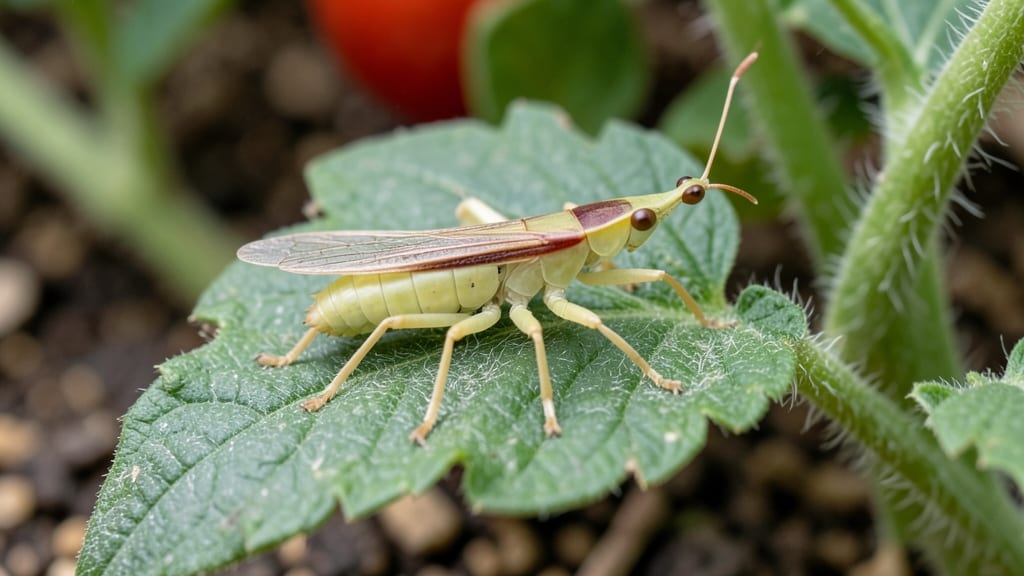
Deer-resistant tomato plants like 'Cherokee Purple,' 'Mountain Merit,' and 'Defiant PhR' deter deer with their tough foliage, bitter flavors, or natural chemical defenses. Pair them with basil or marigolds to create an extra layer of protection.
These tomato plants work because deer naturally avoid plants with strong scents, rough textures, or bitter compounds. 🌿 For example, 'Defiant PhR' contains natural repellents that make it less appealing, while 'Mountain Merit' produces thick leaves that deter nibbling.
I've found that combining these tomatoes with aromatic herbs like basil or garlic not only confuses deer but also improves your garden's overall health.
If you're dealing with persistent deer, try adding physical barriers like fencing or netting around your plants. Planting onions or chives nearby can also help—deer dislike their pungent odor. The key is layering different strategies for the best results.
💡 In This Article
- Why These Tomato Varieties Repel Deer Naturally
- Protecting Tomato Plants from Deer: Physical and Organic Barriers
Why these tomato varieties repel deer naturally
Deer have a strong preference for tender, sweet-tasting plants, which is why varieties like 'Cherokee Purple' and 'Defiant PhR' work so well. These tomatoes contain higher levels of alkaloids and bitter glycosides—natural compounds that create an unpleasant taste for deer.
For example, 'Defiant PhR' has been bred specifically to resist pests, including deer, by incorporating genes that produce these bitter compounds in its foliage. When deer sample the leaves, they experience a chemical defense mechanism that makes them avoid the plant entirely.
The physical structure of these tomato varieties also plays a crucial role. 'Mountain Merit', for instance, develops thick, waxy leaves that are tougher to chew compared to standard varieties. Deer typically avoid plants with coarse textures because they require more energy to consume.
Additionally, the stems of these resistant tomatoes often contain higher concentrations of saponins, which create a soapy, unpleasant mouthfeel that further deters deer. 🌱 This combination of chemical and physical defenses makes these varieties significantly less appealing than their sweeter, more tender counterparts.
Deer behavior is also influenced by scent. Many deer-resistant tomato varieties, like 'Defiant PhR', emit a stronger aromatic profile due to elevated levels of volatile organic compounds (VOCs). These compounds create a scent that deer find unappealing, similar to how they avoid plants with strong garlic or onion odors.
The scent acts as an early warning system, signaling to deer that the plant may be harmful or unpleasant. This is why pairing these tomatoes with aromatic herbs like basil or marigolds can enhance their protective effects—deer are naturally wary of strong, unfamiliar scents.
Genetics play a key role in determining a tomato's deer resistance. Breeders often cross tomato varieties with wild relatives like Solanum habrochaites, which contains natural resistance traits. These wild relatives produce compounds that make them unpalatable to deer and other herbivores.
For example, 'Defiant PhR' incorporates genes from this wild tomato, resulting in a plant that's not only resistant to pests but also less attractive to browsing animals. This genetic approach ensures that the resistance is passed down through generations, making it a reliable long-term solution.
Another factor is the plant's growth habit. Deer-resistant tomatoes often grow more upright or have thicker canes, which makes them harder to access and less appealing for grazing.
Varieties like 'Mountain Merit' develop a bushier structure with fewer tender shoots, reducing the opportunities for deer to find vulnerable parts of the plant.
This structural resilience is a key reason why these varieties thrive in areas with high deer activity. 🌿 By combining genetic resistance with physical toughness, these tomatoes create a formidable barrier against deer browsing.
Seasonal variations also affect deer resistance. During late summer and early fall, when tomatoes are ripening, deer are more likely to target sweet, ripe fruit. However, the foliage of resistant varieties remains unappealing due to the persistent bitter compounds.
This means that even if deer are attracted to the fruit, they're less likely to damage the plant itself. Understanding this seasonal dynamic helps gardeners time their protective measures more effectively, ensuring that their tomato plants remain safe throughout the growing season.