
Companion Plants
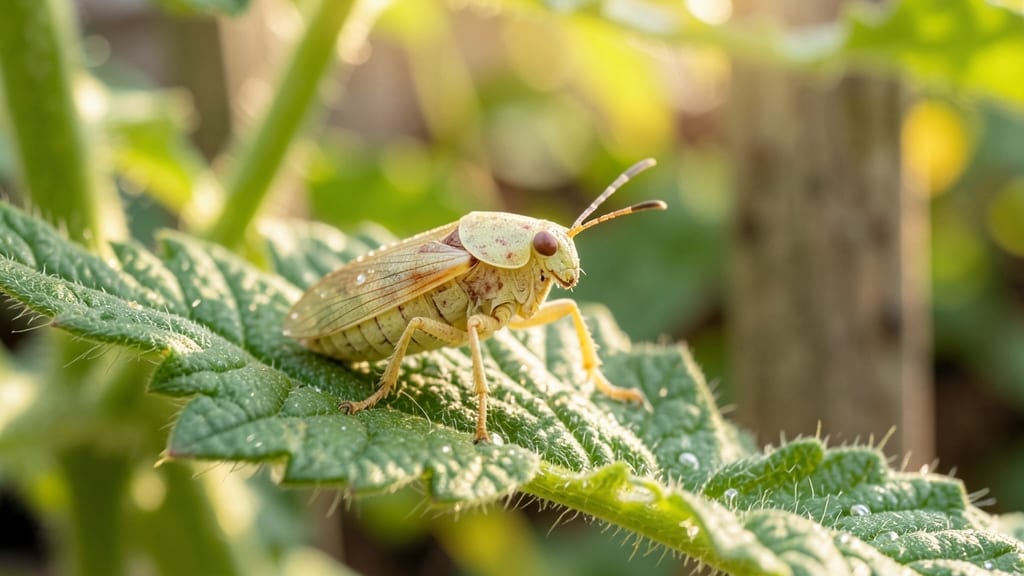
Protect tomato plants from bugs—and I’ve seen the damage firsthand. 🌱 From ravenous hornworms to sticky aphid colonies, pests can strip a plant bare in days if you don’t act fast. The good news? You don’t need harsh chemicals to fight back. These natural bug barriers work better than anything I’ve tried, and they keep your tomatoes thriving without harming pollinators or your soil.
Companion planting is your first line of defense. Basil, marigolds, and nasturtiums repel pests naturally, while row covers create a physical shield that blocks bugs entirely.
Neem oil and insecticidal soap are my go-to sprays for early infestations, but the real secret is prevention—healthy soil, proper spacing, and regular scouting keep pests from gaining a foothold in the first place.
By the time you’re done reading, you’ll know exactly which barriers work best for your garden, how to spot early signs of trouble, and when to pull out the big guns (like BT for hornworms).
Your tomatoes will stay lush, productive, and free from the chaos that comes with a full-blown infestation.
Whether you’re dealing with aphids, whiteflies, or blight, these methods are foolproof—and they’ll save you from the heartbreak of watching your harvest disappear overnight. Let’s get those plants protected!
Root Causes of Tomato Pest Attacks
Tomatoes are a garden magnet for bugs—not because they’re weak, but because they’re too tempting. Their lush foliage, sweet fruit, and nutrient-rich sap create the perfect buffet for pests. Understanding why these critters show up in the first place is the first step to outsmarting them.
Below, we break down the science behind the chaos, so you can fortify your plants with confidence.
Tomatoes emit volatile organic compounds (VOCs)—chemical signals that pests can detect from yards away. When fruit ripens or gets bruised, these compounds spike, sending a loud "Eat me!" message to:
- Hornworms 🐛: They’re drawn to the high sugar content in overripe tomatoes. A single caterpillar can devour a plant in days, leaving behind a skeleton of stems. - Fruit flies 🪰: These tiny nuisances are attracted to fermenting sugars in cracked or rotting tomatoes.
A single female can lay hundreds of eggs in damaged fruit. - Colorado potato beetles 🐞: While they prefer potatoes, they’ll happily munch on tomatoes—especially if the plant is stressed (more on that below).
Why it happens: Ripe tomatoes release ethylene gas, a natural plant hormone that accelerates ripening and signals pests that the fruit is ready for harvest—or snack time. Even a small wound (from hail, birds, or poor handling) triggers a defense response in the plant, but it also leaks sugars and amino acids that attract pests.
A healthy tomato plant has natural pest-repelling compounds, like solanine (a mild toxin in green tomatoes) and trichomes (tiny hair-like structures that deter insects). But when plants are stressed, these defenses drop like a bad Wi-Fi signal. Common stressors include:
| Stressor | How It Attracts Pests | Pests Exploiting Weakness |
|---|---|---|
| Drought | Leaves wilt, sugars concentrate in fruit. | Spider mites, aphids, whiteflies |
| Overwatering | Roots rot, fungus gnats thrive in soggy soil. | Fungal gnats, slugs |
| Nutrient Deficiency (e.g., nitrogen) | Stunted growth = less solanine production. | Hornworms, cutworms |
| Poor Soil Drainage | Roots suffocate, inviting fungal diseases. | Japanese beetles, stink bugs |
Why it happens: Stress triggers the plant to prioritize survival over defense. It redirects energy to repair damaged cells instead of producing protective chemicals. Pests smell (or taste) this weakness—literally. For example, aphids are drawn to plants with high sucrose levels, which spike when tomatoes are water-stressed.
Not all plants play nice together. Some attract pests that love tomatoes, while others mask the scent of tomatoes, making them invisible to bugs. Here’s how bad pairings backfire:
- Basil near tomatoes? ❌ Myth busted. While basil can repel some pests, it also attracts spider mites if the soil is dry.
The herbs’ strong aroma can even confuse tomato pollinators (like bees), reducing fruit set. - Corn + Tomatoes? ⚠️ Fungal risk. Corn attracts tomato fruitworms, and its husks create humid microclimates perfect for early blight fungus. - Marigolds + Tomatoes? ✅ Generally safe, but if planted too close, marigolds’ pyrethrum (a natural insecticide) can repel beneficial predators like ladybugs, leaving your tomatoes vulnerable to aphids.
Why it happens: Plants release allelochemicals—chemicals that either repel or attract insects based on proximity. Tomatoes naturally produce jasmonic acid when damaged, which deters some pests but also signals nearby plants to stop competing for resources, making them easier targets.
Pests don’t follow a calendar—they follow temperature, humidity, and daylight. Here’s how weather turns your garden into a bug buffet:
- Warm, humid nights (70–85°F): 🌡️ Perfect for aphids, whiteflies, and hornworms. These pests thrive when tomatoes transpire heavily, releasing sticky honeydew that attracts ants (who "farm" the pests for their sugar).
- Dry, windy conditions: 💨 Encourage spider mites. These tiny arachnids explode in populations when relative humidity drops below 40%, as their eggs desiccate less in dry air.
- Cool, wet springs: 🌧️ Ideal for slugs and cutworms. Slugs need moisture to glide, and cutworms (tomato loopers) molt best in damp soil.
Why it happens: Pests are cold-blooded (or nearly so) and rely on external heat to speed up metabolism. A 10°F increase can double their reproduction rate. For example, whiteflies lay more eggs when tomato leaves are warm, and their larvae suffocate if leaves stay dry.
Tomatoes don’t just look inviting—they chemically advertise their presence. Here’s how pests "read" the signals:
- Green Tomatoes = "Don’t Eat Me" (Yet)
- Unripe tomatoes produce solanine, a bitter compound that deters most insects. But hornworms and flea beetles have evolved to detoxify solanine, making them immune to its effects.
- Ripe Tomatoes = "Feast Time!"
- As tomatoes ripen, they release volatile esters (like ethyl acetate), which smell like fruit to pests. Fruit flies can detect these compounds from up to 3 miles away (yes, really).
- Damaged Leaves = "Easy Target"
- When tomato leaves are chewed, they emit green leaf volatiles (GLVs), which attract parasitic wasps—but also hornworms, who follow the wasps’ trail to find fresh meals.
Why it happens: Pests have olfactory receptors tuned to tomato-specific chemicals. For example, aphids are drawn to β-caryophyllene, a compound tomatoes release when stressed. It’s like a neon sign in the insect world.
Now that you know why pests attack, you can hack their detection system:
- Mulch with straw to keep soil moist (reduces spider mites) and mask tomato scents with earthy aromas.
- Prune lower leaves to block pests from climbing and reduce humidity near fruit.
- Plant trap crops (like nasturtiums for aphids) to divert pests away from your tomatoes.
Quick Fixes for Common Tomato Pests
When bugs invade your tomato plants, acting fast is key to saving your harvest—and your sanity! Below are targeted solutions for the most common pests, paired with easy prevention tips to keep your garden thriving. Think of this as your pest-fighting playbook, packed with natural, no-fuss fixes.
Signs: Large green caterpillars with white stripes, half-eaten leaves, and frass (poop) everywhere. Fix:
- 🔥 Handpick them early. Wear gloves and drop them into soapy water—it’s satisfying and effective!
- 👨🍳 Introduce parasitic wasps. These tiny allies lay eggs in hornworms, culling their population naturally.
- 🌿 Plant basil nearby. Hornworms avoid basil’s scent—it’s like a bug repellent shield.
Prevention:
- 💡 Inspect plants weekly. Early detection = fewer destroyed leaves.
- 🌡️ Use neem oil spray (1 tsp per quart of water) as a deterrent every 7–10 days.
Signs: Sticky residue (honeydew), curled leaves, and tiny green/black bugs clustering on stems. Fix:
- 🍳 Blast them off with water. A strong spray from the hose (early morning) dislodges them instantly.
- 🥘 Apply insecticidal soap. Mix 1 tbsp soap + 1 quart water, spray undersides of leaves where they hide.
- 🔪 Invite ladybugs. These beneficial beetles love aphids—plant dill or fennel to attract them.
Prevention:
- ✨ Encourage companion plants like garlic, chives, or marigolds—their strong scents repel aphids.
- 🎯 Avoid over-fertilizing. Soft, new growth attracts aphids like a buffet.
Signs: White, moth-like bugs fluttering when you disturb plants; yellowing leaves and sticky mess. Fix:
- 🔪 Use yellow sticky traps. Hang them near plants to trap adults—it’s like a bug flypaper factory.
- 🌿 Spray with soapy water + neem oil. Mix 1 tsp dish soap + 1 tbsp neem oil per gallon of water.
- 🌡️ Boost airflow. Whiteflies thrive in humidity—space plants for better circulation.
Prevention:
- 💡 Mulch heavily. Keeps soil moist but reduces humidity around leaves.
- 🌱 Rotate crops if whiteflies were a problem last season—they’ll remember your garden!
Signs: Fine webbing on leaves, tiny moving dots, and leaves turning bronze or speckled. Fix:
- 🍳 Knock them off with water. A shower from the hose (especially undersides) washes them away.
- 🥘 Apply horticultural oil. Spray leaves thoroughly—it smothers mites without harming plants.
- 🔪 Release predatory mites. These microscopic allies hunt spider mites—order them online or find them in garden centers.
Prevention:
- ✨ Keep plants hydrated. Drought stress = mite magnet.
- 🎯 Avoid broad-spectrum pesticides. They kill beneficial insects that eat mites.
Signs: Chewed stems at soil level, leaves disappearing overnight, or tiny brown worms hiding in mulch. Fix:
- 🔪 Create a "collar" barrier. Wrap the base of young plants with cardboard or foil—cutworms can’t climb it!
- 🌿 Handpick at dusk. Shine a flashlight around plants and squish them (or drop in soapy water).
- 🌡️ Use diatomaceous earth. Sprinkle lightly around the base—it’s a natural abrasive that dehydrates them.
Prevention:
- 💡 Plant marigolds nearby. Their scent confuses cutworms.
- 🌱 Avoid thick mulch piles. They hide and thrive in deep organic matter.
Pro Tip: For all pests, consistency is key. Check plants daily, act at the first sign of trouble, and combine prevention + treatment for the best results. Your tomatoes will thank you with juicy, bug-free bounty! 🍅✨
Frequently asked questions
What are the first signs that my tomato plants have pests?
Watch for chewed leaves, tiny moving dots on foliage, or sticky residue (honeydew) on stems. Hornworms leave large holes and frass (poop), while aphids cause curled leaves. Spider mites create fine webbing, and whiteflies flutter when disturbed. Act fast at the first sign!
Can I use neem oil on ripe tomatoes?
Yes, but apply it early in the morning and avoid spraying directly on fruit to prevent residue. Neem oil works best as a preventive spray on leaves. Always test a small area first to ensure no sensitivity reactions.
How often should I check my tomato plants for bugs?
Inspect them 2-3 times per week during growing season, focusing on undersides of leaves where pests hide. Early detection is key—most infestations start small and explode if ignored. Morning checks work best when pests are sluggish.
Will companion planting really protect my tomatoes?
Planting basil, marigolds, or nasturtiums nearby disrupts pests' scent trails and attracts beneficial insects. The key is proper spacing—companion plants should be within 1-2 feet of tomatoes but not crowd them.
What's the best time of day to treat tomato pests?
Early morning (before 9 AM) is ideal for sprays like neem oil or insecticidal soap. This prevents leaf burn from sunlight and ensures pests are still sluggish. Avoid treating when temperatures exceed 85°F—it can damage plants.