
Planting
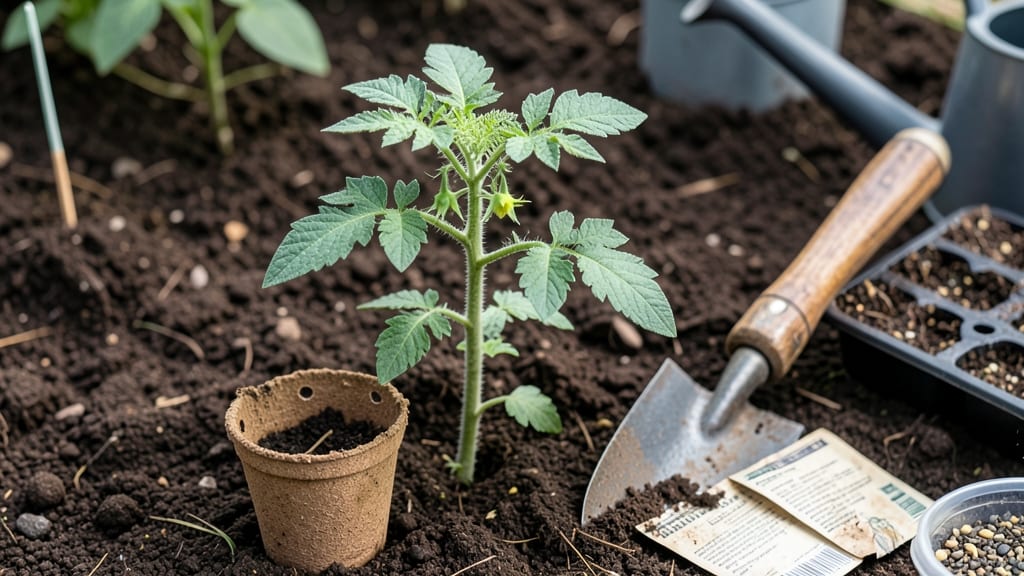
Planting beefsteak tomato seeds unlocks the secret to backyard giants like Brandywine or Cherokee Purple—those 1-pound monsters that make neighbors green with envy. 🌱 I’ve started seeds for years, and the difference between puny plants and powerhouses comes down to these first few weeks.
Too shallow? They won’t sprout. Too crowded? They’ll fight for light. Get it right, and you’ll be pinching off suckers by summer, not scrambling to save leggy seedlings.
The magic starts with warm soil (70°F+) and the right depth—just ¼ inch below the surface, no deeper. Use a seed-starting mix (not garden soil) in small pots or trays, and keep them under grow lights or in a sunny window.
Most seeds sprout in 5–10 days, but patience is key—some take longer. Overwatering is the silent killer here, so mist instead of drenching, and use clear containers to monitor moisture levels.
By the time those first true leaves appear, you’ll be ready to harden off seedlings for transplanting—though that’s a story for another day. What matters now is giving them enough light (14+ hours daily) and space to grow strong stems.
Crowded seedlings stretch toward the light, weak and spindly, while properly spaced ones stand tall and proud. Think of this as their foundation: skip it, and you’ll spend summer playing catch-up.
Pro tip: Label your seeds now—Brandywine and Cherokee Purple look identical until they fruit. And if germination stalls after 2 weeks, try a warm-water soak (not boiling) to kickstart those stubborn seeds.
The payoff? Tomatoes so massive they’ll need a basket to hold them—and bragging rights for years to come.
📚 In This Guide
- What you need
- Instructions
- Tips and common mistakes
- Wrapping up and next steps
What you need
- ● Beefsteak tomato seeds – Choose heirloom or hybrid varieties (e.g., Brandywine, Big Beef, or Cherokee Purple). Buy 1–2 packets (50–100 seeds) for a full harvest.
- ● Seed-starting trays or biodegradable pots – 2–4 inch deep, with drainage holes. Use 6–12 cells per tray (or 1–2 seeds per pot if starting individually).
- ● High-quality seed-starting mix – Sterile, lightweight, and well-draining (avoid garden soil). A 50% peat/perlite/coco coir blend works best. Buy 1–2 cubic feet.
- ● Grow lights or sunny windowsill – A full-spectrum LED grow light (12–16 hours/day) or a south-facing window (6+ hours of sunlight).
- ● Spray bottle with water – Room-temperature, filtered water (avoid tap water if it’s chlorinated).
- ● Humidity dome or plastic wrap – Keeps moisture in until germination (1–2 weeks).
- ○ Fertilizer (optional but recommended) – Starter fertilizer (e.g., Fish emulsion 5-5-5 or seaweed extract) – Dilute to ½ strength.
- ● Balanced liquid fertilizer (e.g., 10-10-10) for later growth.
- ○ Heat mat (optional but helpful) – 70–80°F soil temperature speeds up germination. Use a seedling heat mat if your home is cool.
- ● pH test kit – Ensure your soil mix is 6.0–6.8 pH (tomatoes prefer slightly acidic soil).
- ● Fungicide (e.g., neem oil or baking soda spray) – Prevents damping-off disease in humid conditions.
- ● Plant labels & marker – Track varieties and planting dates (especially if growing multiple types!).
- ● Liquid seaweed or compost tea – Boosts root growth and immunity.
- ● Pruning shears or scissors – For transplanting or pinching suckers later.
Step-by-step instructions for growing beefsteak tomatoes from seed
Here's how I get beefsteak tomatoes thriving indoors before they even see outdoor soil.
🌱 Step 1: Prepare Containers and Seed Starting Mix
Fill 2-3 inch deep biodegradable pots with a sterile seed-starting mix—never garden soil. I like to add a pinch of perlite to the mix to improve drainage. Moisten the soil until it feels like a damp sponge, not dripping wet. Press it down gently so the surface is firm but not compacted.
Here's the thing—beefsteak seeds are large, so I use a toothpick to make a small hole about ¼ inch deep. Plant just one seed per pot; these tomatoes grow big and need space. Cover it lightly with soil, then mist the surface with water until it's evenly damp. I label each pot with the variety and date—after a week, identical seedlings look identical until you realize you've forgotten which is which!
💧 Step 2: Provide Warmth and Moisture for Germination
Cover the pots with a clear plastic dome or plastic wrap to trap warmth and humidity. Beefsteak seeds germinate best at 75-85°F, so I use a seedling heat mat if my apartment runs cooler. Keep the soil consistently moist but never soggy—water from the bottom by placing pots in a tray of water for 10 minutes, then drain excess.
Germination takes 7-14 days, depending on your home's temperature. You'll see the first sprouts as tiny white tips pushing through the soil. Once half the seeds have sprouted, remove the dome immediately—trapped moisture invites damping-off disease, which will rot those delicate stems overnight. Watch for the first true leaves (the second set after the initial seed leaves) to appear before you move them.
☀️ Step 3: Move to Bright Light Immediately
The instant those first true leaves appear, give your seedlings 14-16 hours of light daily. A south-facing window rarely provides enough intensity, so I use a full-spectrum LED grow light positioned 2-4 inches above the plants. Raise it as they grow to maintain that distance—you want the light just strong enough to cast a slight shadow on the soil below.
Leggy seedlings (thin, pale stems with leaves spaced far apart) mean your light is too far away. Strong seedlings have thick stems, deep green color, and leaves close together. Rotate pots a quarter turn daily so they grow straight instead of leaning toward the light. You'll see this pay off when they're sturdy enough for transplanting.
✂️ Step 4: Fertilize and Harden Off Before Outdoor Planting
When seedlings have 3-4 true leaves (about 4-6 weeks after sowing), give them a half-strength liquid fertilizer to encourage strong root growth. I use a balanced 10-10-10 mix diluted to half strength. Water thoroughly first to avoid burning the roots, then apply the fertilizer to the soil surface.
Two weeks before your last frost date, start hardening off the seedlings. Place them outside in a sheltered, shaded spot for 1-2 hours the first day, gradually increasing time by 1 hour daily. You'll know they're ready for the garden when they tolerate a full day outside without wilting. Transplant on an overcast afternoon to reduce shock, and water deeply at the base to help roots establish.
Tips & tricks for perfect beefsteak tomato starts
Took me years of trial and error to perfect these beefsteak tomato starts—here's what actually makes the difference.
Container Depth Matters: Those 2-3 inch deep pots are non-negotiable for beefsteak varieties. Shallow containers stunt root development, and you'll end up with leggy seedlings that can't support those heavy fruits. I've tried deeper pots, but the roots don't need more space until transplanting. The key is giving them enough room to establish without overcrowding.
Germination Temperature Secret: The 75-85°F range is critical—below 70°F and your seeds may never sprout. If your home runs cooler, invest in a seedling heat mat ($15 at garden centers) or place pots on top of your fridge. I've seen seeds take 3 weeks to germinate at 65°F when they should have sprouted in 7 days at optimal temps. Pro tip: Place a thermometer right in the soil to monitor accurately.
Light Position Technique: When using that full-spectrum LED grow light, position it so the light just grazes the soil surface—you should see a subtle shadow when looking from above. This creates the perfect intensity without burning. I adjust the height every 5-7 days as seedlings grow. Leggy seedlings? Your light's too far away. Compact, dark green leaves? You're golden.
Hardening Off Hack: That 1-2 hour daily outdoor exposure should start with morning sun only—afternoon heat can shock tender seedlings. I place them on a shaded patio and bring them in before temps hit 75°F. Watch for wilting as your signal to reduce time. The goal is to toughen them gradually, not fry them overnight.
Pro Tips for Plant Beefsteak Tomato Seeds
- Took me years of trial and error to perfect these beefsteak tomato starts—here's what actually makes the difference.
- Container Depth Matters: Those 2-3 inch deep pots are non-negotiable for beefsteak varieties.
- Germination Temperature Secret: The 75-85°F range is critical—below 70°F and your seeds may never sprout.
Frequently asked questions
Got questions about growing beefsteak tomatoes from seeds? You’re not alone—these giants need extra love! Here are answers to the most common queries to help you grow like a pro.
When is the best time to start beefsteak tomato seeds indoors?
Start seeds 6–8 weeks before your last frost date—usually February or March in most climates. Beefsteaks need warmth to germinate (70–85°F) and time to grow sturdy before transplanting. Use a seed-starting heat mat if your home is chilly!
How long do beefsteak tomato seeds take to germinate?
Germination typically takes 7–14 days, depending on temperature and moisture. Keep soil consistently damp (not soggy) and place seeds in a warm, bright spot. If they don’t sprout in 2 weeks, try gently pressing the soil to check for seeds—sometimes they’re buried too deep!
Can I plant beefsteak tomato seeds directly outside instead of starting indoors?
While possible, direct sowing is risky for beefsteaks—they’re slow to mature and need warmth. If you live in a long, hot growing season (Zone 9+), try it in late spring after soil temps hit 60°F. Otherwise, indoor starts give you a head start for those juicy, 1-pound tomatoes!
What should I do if my beefsteak tomato seedlings look leggy or weak?
Leggy seedlings mean they’re stretching for light. Move them 2–3 inches closer to a grow light (12–16 hours/day) and avoid overcrowding. If already stretched, bury stems deeper when transplanting—they’ll root along the buried part! Use a diluted fertilizer (like fish emulsion) to boost strength.
How do I know if my beefsteak tomato plant is getting enough sunlight?
Healthy beefsteak plants need 6–8 hours of direct sunlight daily. Signs of deficiency: long, weak stems, yellowing leaves, or few flowers. If indoors, use a full-spectrum LED grow light 6 inches above seedlings. Rotate plants weekly for even growth!
Wrapping up and next steps
Growing beefsteak tomatoes from seed is a rewarding journey that turns tiny starts into hearty, flavorful giants—and you’ve got all the tools to make it happen!
From selecting the right seeds to nurturing them with care, every step brings you closer to a bountiful harvest. Now’s your chance to dig in, get your hands dirty, and watch your garden thrive!
Ready to take the next step? Start your seeds indoors today and soon you’ll be savoring the sweet taste of success—one juicy slice at a time. 🍅✨