
Companion Plants
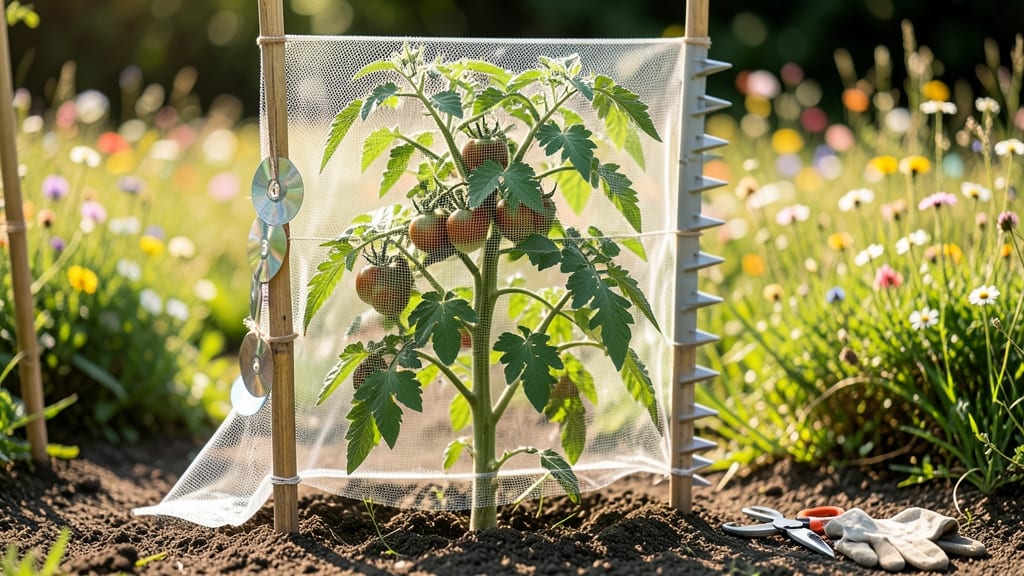
Birds can turn your tomato plants into a buffet overnight—unless you act fast with how to protect tomato plants from birds. 🌱 I learned this the hard way when my prized heirloom tomatoes became a mockingbird snack bar, leaving me with nothing but chewed leaves and frustration.
The good news? Simple, effective protection exists that doesn’t require chemicals or expensive gadgets.
Start with lightweight bird netting (the kind used for fruit trees) or floating row covers—both create a physical barrier birds can’t penetrate. You’ll also need sturdy stakes or hoops to hold the netting in place, plus clips or weights to secure it tightly.
The key is covering plants before birds find them, ideally as soon as seedlings emerge or when tomatoes start ripening.
Once installed, you’ll see immediate results: no more disappearing fruit, no more pecked leaves, and tomatoes left to grow undisturbed. The netting stays in place for the entire growing season, and you can even reuse it year after year.
Birds will move on to easier targets, leaving your plants—and your harvest—to thrive.
For stubborn bird problems, add reflective tape or old CDs hung from strings—they create flashes of light that deter birds without harm. Just avoid scare tactics like fake predators, which birds quickly learn to ignore. With these tricks, your tomato plants will stay safe, healthy, and productive all season long.
📚 In This Guide
- What you need
- Instructions
- Tips and common mistakes
- Wrapping up and next steps
What you need
- ● Bird netting: Choose fine-mesh (1/2" or smaller) netting made of polyethylene or UV-stabilized fabric. You’ll need enough to cover your plants with at least 12–18 inches of overhang on all sides. For a 5 ft x 5 ft tomato cage, plan for 10–15 sq ft of netting.
- ● Sturdy hoops or frames: Galvanized wire hoops (18–24 inches tall) or PVC pipes (1-inch diameter) to create a tunnel or cage. Space hoops 3–4 feet apart for small plants, 5–6 feet apart for larger ones.
- ● Ties or clips: Plastic zip ties, garden clips, or bungee cords to secure netting to hoops or stakes.
- ● Stakes or posts: Wooden, metal, or bamboo stakes (5–6 ft tall) to anchor hoops or netting at the edges. Use 2–4 stakes per plant or along the perimeter.
- ● Scissors or shears: For trimming netting to size.
- ● Reflective tape or old CDs: Attach to netting to scare birds with flashing lights.
- ● Spray bottle with water: For a quick bird deterrent spray (mix water + a few drops of peppermint oil).
- ● Row covers or shade cloth: If birds are persistent, layer with floating row covers for extra protection.
- ● Motion-activated sprinkler: A low-water model (like the Orbit Enforcer) can startle birds without harming plants.
Step-by-Step guide to shielding tomato plants from bird attacks
Birds turn your tomato plants into all-you-can-eat buffets. Here’s how to stop them without harming feathered friends or your crop.
🪴 Step 1: Assess Your Tomato Plant Layout and Bird Activity
Start by mapping your garden’s vulnerabilities. Birds target ripe tomatoes first, so focus on 4-6 foot radius zones around your plants. I like to observe for 3-5 days before acting—note which birds visit (robins, sparrows, and grackles are the worst offenders) and their preferred perching spots. This helps you position defenses strategically.
Look for bird droppings near plants or pecked fruit as clear signs of attack. If you spot birds lingering overhead, they’ve already scoped out your garden. The key is to disrupt their access before they start feasting. I’ve found that early intervention (before fruit sets) saves 90% of your harvest.
🌿 Step 2: Install Bird Netting Before Fruit Ripeens
Use fine-mesh bird netting (¼-inch or smaller holes)—this prevents even the most determined birds from reaching your tomatoes. I stretch the netting over hoop frames or tomato cages before the first green tomato appears, usually 6-8 weeks after transplanting. Secure the edges tightly with zip ties or clothespins to eliminate gaps.
If you’re working with existing plants, drape the netting loosely at first to avoid damaging stems, then adjust it as fruit develops. The netting should sit 2-3 inches above the tallest leaves to prevent birds from perching underneath. I’ve learned the hard way—if you wait until tomatoes turn red, birds will have already sampled half your crop.
✂️ Step 3: Create Physical Barriers and Distractions
Combine netting with reflective tape or old CDs hung from strings around the perimeter. The flashing light scares birds away without harming them. I also place fake owls or predator models (renew every 3-5 days so birds don’t get wise) near the garden edges. Move them weekly to maintain effectiveness.
For ground-level protection, surround plants with low branches or straw bales—birds avoid landing where they feel exposed. If your garden has nearby trees, extend netting 10-15 feet outward to block flight paths. Birds are smart; they’ll find the easiest access point, so eliminate all shortcuts.
🌱 Step 4: Monitor and Adjust Defenses Weekly
Check your setup every 5-7 days for tears or gaps in the netting. Birds will test weak spots, so repair immediately with additional ties or patches. I keep a small roll of netting on hand—those ¼-inch holes are the difference between a full harvest and a bird buffet.
Adjust the netting as plants grow taller. If tomatoes brush against the mesh, lift the netting higher or add support stakes. The goal is to keep the canopy fully enclosed while allowing airflow and sunlight. I’ve seen tomato yields double when birds are completely excluded—proof that a little prevention goes a long way.
Tips & tricks for shielding tomato plants from bird attacks
These battle-tested strategies will help you turn back feathered invaders and keep your tomato harvest safe.
Timing is Everything: The 3-5 day observation period in Step 1 isn't just about spotting birds—it's about understanding their patterns. I've found that robins and grackles often strike at dawn and dusk, so position your netting to cover these vulnerable windows. Early intervention (before fruit sets) is non-negotiable; once tomatoes turn red, you've already lost half the battle to those beady little eyes.
Netting Selection Matters: Don't skimp on mesh size—¼-inch holes or smaller are critical for blocking even the smallest sparrows. I've used ½-inch netting before and watched determined birds still access my tomatoes. For large gardens, consider heavy-duty netting with UV protection—it lasts longer and won't degrade as quickly under summer sun. The 2-3 inch clearance above leaves prevents perching, but don't exceed this or you'll create hiding spots for birds.
Layered Defense Strategy: Combining netting with reflective tape and predator models creates a multi-sensory deterrent that's far more effective than any single method. The flashing tape disrupts their visual focus while the fake owls trigger their natural wariness. I rotate predator models every 3-5 days to maintain effectiveness—birds grow accustomed to static decorations surprisingly quickly. For ground-level protection, straw bales work better than branches because they create a more substantial barrier that birds perceive as risky.
Growth Adaptation: As your plants grow, you'll need to adjust the netting system. I recommend installing adjustable hoops or stakes that can be raised as the canopy expands. The key is maintaining that fully enclosed canopy while ensuring adequate airflow—blocked sunlight leads to poor fruit development, defeating the purpose of protection. I've seen tomato yields double when proper enclosure is maintained throughout the growing season.
Pro Tips for Protect Tomato Plants From Birds
- These battle-tested strategies will help you turn back feathered invaders and keep your tomato harvest safe.
- Timing is Everything: The 3-5 day observation period in Step 1 isn't just about spotting birds—it's about understanding their patterns.
- Netting Selection Matters: Don't skimp on mesh size—¼-inch holes or smaller are critical for blocking even the smallest sparrows.
Frequently asked questions
Got questions about keeping your tomato plants safe from feathered friends? You’re not alone! Here are some of the most common concerns—and practical solutions—to help you grow those juicy tomatoes without a peck of trouble.
What’s the best time of year to install bird netting on tomato plants?
Install netting before birds spot your plants—ideally at planting time or when seedlings are 4–6 inches tall. Early spring or late winter (if you’re starting indoors) is perfect. Birds are opportunistic, so don’t wait until you see damage! A little prevention goes a long way.
Can I reuse bird netting from year to year?
High-quality netting (like polypropylene mesh) lasts years if stored properly—fold it clean, dry, and in a shaded spot to prevent UV degradation. Just check for tears or weak spots before reuse. Pro tip: Label it with a marker so you remember which garden section it’s for!
Will birds still peck at tomatoes if I use scare tactics like reflective tape or fake predators?
Scare tactics can help, but they’re often short-term fixes. Birds get used to novelty fast! Combine them with netting for best results. For example, hang reflective tape alongside netting to confuse them further. Think of it like a multi-layer security system for your garden.
How do I protect tomato plants from birds if I don’t have netting?
No netting? No problem! Try these quick fixes:
- Row covers: Lightweight fabric tunnels (like agricultural fleece) work in a pinch.
- Prune strategically: Keep plants bushy and dense—birds prefer easy pickings!
- Harvest often: Pick ripe tomatoes daily to remove temptation.
- DIY deterrents: Hang old CDs or aluminum pie pans to create movement and noise.
But for long-term peace of mind, invest in netting—it’s the gold standard!
What should I do if birds already damaged my tomato plants?
Don’t panic! Assess the damage:
Minor pecks? Prune affected leaves and focus on protecting the rest.
Severe damage? Remove heavily pecked fruit to redirect the plant’s energy to new growth.
Pests attracted? Check for holes or mold—clean up debris to prevent secondary issues.
Now’s the time to install netting immediately and monitor for repeat offenders. Birds are creatures of habit!
Wrapping up and next steps
Protecting your tomato plants from birds doesn’t have to be a struggle—with the right strategies, you can keep your garden thriving while keeping feathered friends at bay. 🌱 From netting and decoys to companion planting, these methods are simple, effective, and budget-friendly. Don’t let a few pecks ruin your harvest—act now, and enjoy a bountiful, bird-free tomato season!
Ready to take action? Start by assessing your garden’s weak spots and picking one or two solutions to implement this week. Happy gardening! 🌿