
How To
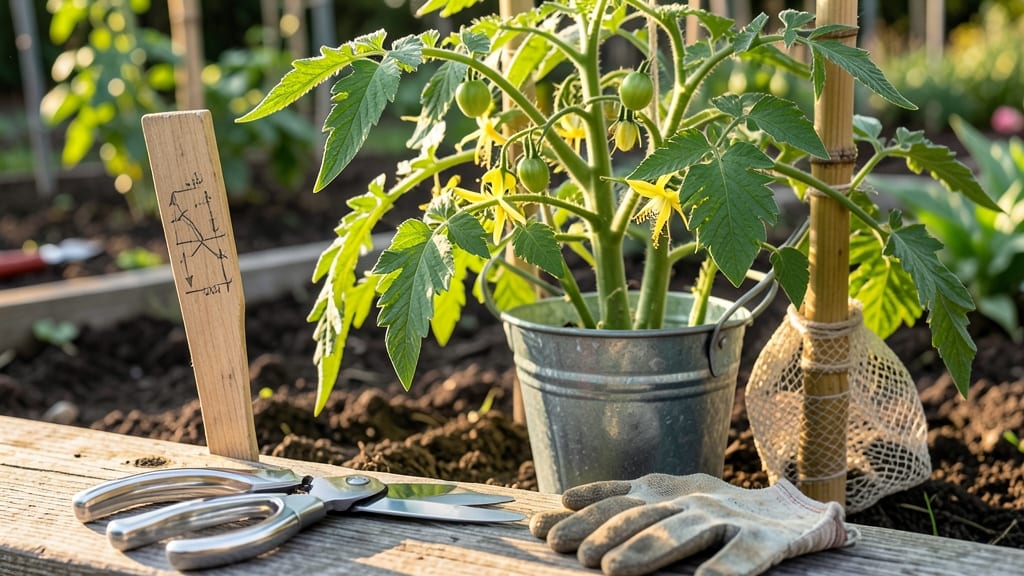
Pruning tomato plants isn't as tricky as it seems—just three simple cuts can double your harvest. 🌱 I used to skip it, thinking it would stress my plants, but after trying this method, my indeterminate tomatoes produced so many more fruits I had to give them away.
The key is timing: prune when the plant is young and actively growing, removing suckers (those little shoots between the stem and branches) to redirect energy to fruit production. For determinate varieties, minimal pruning keeps the plant bushy, while indeterminate types need regular trimming to support their vining growth.
Grab your pruners and let's get started—your future tomato bounty will thank you.
You'll see stronger stems, better airflow (which means fewer diseases), and way more tomatoes than you'd get without pruning. The process takes just 10 minutes once you get the hang of it, and the results speak for themselves—plants that look healthy and produce like crazy.
Best of all, it works for both backyard gardens and container-growing setups.
📚 In This Guide
- What you need
- Instructions
- Tips and common mistakes
- Wrapping up and next steps
What you need
- ● Clean, sharp pruning shears – Bypass pruners (4-6 inches long) work best to avoid crushing stems.
- ● Disposable gloves – Nitrile or latex to protect against thorns and bacteria.
- ● Small hand pruners or scissors – For delicate trimming of suckers (tiny side shoots).
- ● Disinfectant (70% isopropyl alcohol or bleach solution) – 1 part bleach to 9 parts water to sterilize tools between cuts.
- ○ Garden twine or plant ties (optional but helpful) – 3-4 feet per plant to secure stems after pruning.
- ● Garden kneeler or stool – For comfort when working close to the ground.
- ● Pruning saw (for thick stems) – Only needed if dealing with massive, woody growth (rare for most tomato varieties).
- ● Compost bin or bag – To collect pruned suckers and debris for composting.
- ● Spray bottle with water – Keeps plants hydrated during the process.
Step-by-Step instructions for pruning tomato plants
Here's the simple, foolproof method I use every season to boost fruit production and keep plants healthy.
✂️ Step 1: Remove Suckers for Stronger Growth
Suckers are the small shoots that grow in the crotch between the main stem and a branch. Pinch these off with your thumb and forefinger—no need for scissors. I do this every 7-10 days until the plant flowers, focusing on the lower third first. Removing suckers directs energy to fruit production instead of leaf growth.
Watch for new suckers growing from the main stem's leaf axils. If you miss one, it'll grow into a competing vine that steals nutrients from your tomatoes. The goal is a single main stem with 3-4 main branches spaced evenly up the plant.
✂️ Step 2: Prune Lower Leaves for Airflow
Once the plant reaches 18-24 inches tall, start removing the lowest set of leaves—about 6-8 inches below the first flower cluster. This improves airflow and prevents soil-borne diseases like blight. Use clean, sharp pruners to make clean cuts just above a leaf node.
Don't go overboard—I leave a few leaves below the first flower to maintain photosynthesis. The key is opening up the plant's center so sunlight reaches all sides. You'll see fewer yellow leaves and healthier fruit development after this step.
✂️ Step 3: Trim Overly Crowded Branches
After flowering begins, focus on removing any branches that grow inward or cross over others. These compete for sunlight and make harvesting difficult. Cut back to the main stem or a strong outward-growing branch. I also remove any leaves that shade the fruit clusters—direct sunlight improves flavor and ripening.
For indeterminate varieties, keep pruning suckers and crowded growth throughout the season. Determinate tomatoes need less pruning—just remove diseased or damaged leaves. You'll know you're doing it right when the plant looks balanced with good airflow between branches.
⏰ Step 4: Time Your Pruning for Best Results
Prune in the morning when plants are dry and temperatures are cooler. Avoid pruning during heatwaves or when fruit is already stressed. I never cut more than 25% of the plant's foliage at once—this prevents shock and maintains photosynthesis.
Stop pruning 4-6 weeks before your first frost—new growth won't harden off in time. The last pruning should be when tomatoes are half-grown to let them mature before cold weather arrives. You'll see the difference in fruit size and plant vigor by harvest time.
Tips & tricks for pruning tomato plants
Here's what nobody tells you about keeping your tomato plants thriving—these are the tricks I've learned after years of trial and error.
Timing Secret: The 7-10 day sucker removal schedule in Step 1 might seem strict, but it's crucial. New suckers grow fast—check your plants every 5 days if you notice rapid growth. I've found that morning pruning (when plants are dry) prevents disease spread better than afternoon sessions. Also, never prune more than 25% of foliage at once, even if you're tempted to tackle everything at once. Plants need time to adjust!
Tool Technique: While thumb-and-finger pinching works for suckers, invest in a good pair of bypass pruners for larger cuts. I use mine to make clean cuts just above leaf nodes in Step 2—this prevents tearing and promotes faster healing. Sterilize your pruners with rubbing alcohol between plants to prevent spreading diseases like early blight. A small spray bottle with diluted bleach solution (1 part bleach to 9 parts water) works great for quick sterilization between cuts.
Visual Cues for Pruning: In Step 3, look for branches that grow inward or cross over others—they'll often have smaller leaves and fewer flowers. These are your targets for removal. For the 6-8 inch clearance below flower clusters in Step 2, imagine drawing an invisible line from the base of the first flower cluster down—any leaves below this line should be removed. This simple visualization helps me stay consistent every time I prune.
Seasonal Strategy: The 4-6 week frost timing in Step 4 is critical, but don't stress about exact weeks—watch your local weather forecast instead. When nighttime temperatures consistently dip below 50°F, it's time to stop pruning. I also recommend marking your calendar with your average first frost date and counting backward. For container-grown tomatoes, you'll need to prune even more aggressively since they have less root support to handle new growth.
Pro Tips for Prune Tomato Plants
- Here's what nobody tells you about keeping your tomato plants thriving—these are the tricks I've learned after years of trial and error.
- Timing Secret: The 7-10 day sucker removal schedule in Step 1 might seem strict, but it's crucial.
- Tool Technique: While thumb-and-finger pinching works for suckers, invest in a good pair of bypass pruners for larger cuts.
Frequently asked questions
Got questions about pruning tomato plants? You’re not alone! Here are answers to the most common queries to help you prune like a pro and keep your tomatoes thriving.
When is the best time to prune tomato plants?
Prune determinate tomatoes (bush types) only if needed to remove diseased leaves, but indeterminate varieties (vining types) benefit from regular pruning. Start when plants are 6–12 inches tall and continue every 1–2 weeks during the growing season. Avoid pruning in cold or wet weather—wait for dry, sunny days!
What if I prune too much? Will my tomatoes suffer?
Over-pruning can stress plants and reduce yield, especially in hot climates. Focus on removing suckers (side shoots between stems and leaves) and diseased foliage—not more than 25% of the plant at once. Indeterminate tomatoes need balance: prune to improve airflow and sunlight, but leave enough leaves to support fruit production.
Can I prune tomato plants too late in the season?
Yes! Pruning too late (within 4–6 weeks of harvest) can stunt fruit ripening. Save heavy pruning for early growth stages. Late-season pruning is only for removing yellow or diseased leaves—never cut back more than 10% of the plant. Focus on protecting existing fruit rather than shaping the plant.
What should I do if my tomato plant looks weak after pruning?
Weakness after pruning usually means the plant lost too many leaves or was stressed. Water deeply and fertilize with a balanced liquid feed (like 10-10-10) to encourage recovery. Avoid pruning again for 2–3 weeks. If leaves turn yellow or wilt, check for pests or overwatering—sometimes pruning reveals hidden issues!
Are there any alternatives to pruning tomato plants?
If pruning feels overwhelming, try these low-maintenance options:
- Let them grow naturally: Bush tomatoes (determinate) rarely need pruning—just remove diseased leaves.
- Use cages or stakes: Proper support improves airflow, reducing the need for heavy pruning.
- Focus on mulching: Mulch keeps soil moist and suppresses weeds, reducing stress on the plant.
Wrapping up and next steps
Pruning your tomato plants might feel like a small task, but it’s the secret weapon for bigger, healthier harvests! 🌱 By mastering just three simple cuts—removing suckers, pruning lower leaves, and trimming excess foliage—you’ll give your plants the energy they need to focus on fruit production.
Don’t let hesitation hold you back; every snip is a step toward a bountiful garden.
Ready to put your new skills to work? Grab your pruners and head to the garden! Start with one plant, practice your technique, and watch your confidence—and your tomato yield—grow. Happy pruning! 🍅✂️