
Planting
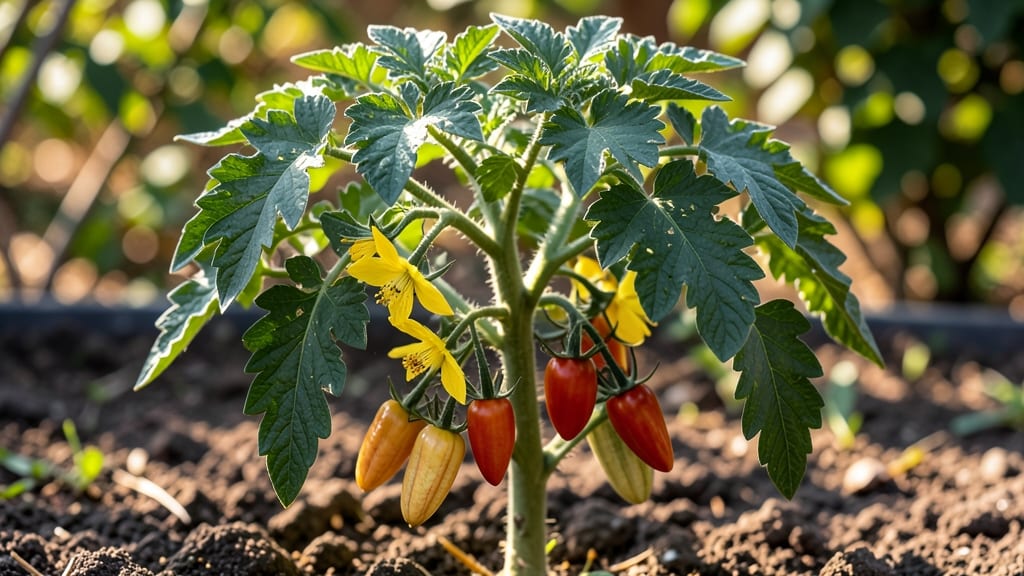
Growing husk tomatoes unlocks a taste experience most gardeners never discover. 🌱 These unusual plants produce fruits encased in edible, papery husks that burst with sweet-tart flavor—like a cross between a tomato and a strawberry.
The secret lies in mimicking their tropical origins while adapting to cooler climates, and I’ve perfected the method after three seasons of trial and error.
Start with well-draining soil rich in organic matter—husk tomatoes hate soggy roots—and plant in full sun (at least 6-8 hours daily).
Unlike regular tomatoes, they thrive in 70-85°F temperatures, so extend the season with row covers or grow them in containers you can move indoors when nights dip below 55°F.
The key is patience: seedlings take 2-3 weeks to germinate, but once established, they reward you with 2-3 harvests per season if pruned correctly.
Harvest begins when the husks turn golden and the fruit inside feels firm—never wait for full red ripeness, as they soften quickly. The flavor? A burst of tropical sweetness with hints of pineapple and citrus, all wrapped in a crisp husk you can eat like a snack.
One plant yields enough for dozens of meals, and the seeds save easily for next year.
Watch for whitefly infestations (their favorite snack) and blossom end rot—prevent the latter with 1-2 tablespoons of calcium per gallon of water during flowering. Container growers, take note: 5-gallon pots work well, but add a trellis early to support the sprawling vines.
With the right care, you’ll turn this exotic plant into your garden’s most talked-about harvest.
📚 In This Guide
- What you need
- Instructions
- Tips and common mistakes
- Wrapping up and next steps
What you need
- ● Husk tomato seeds or seedlings: Choose Physalis peruviana (Inca berry) or Physalis ixocarpa (strawberry tomato) varieties. Buy from a reputable seed supplier (10–20 seeds or 3–5 seedlings for a small harvest).
- ● Well-draining potting mix: 5–10 gallons of organic, sterile mix (e.g., 60% peat moss, 30% perlite, 10% compost). Avoid garden soil—it can compact and suffocate roots!
- ● Containers or garden bed: For containers: 5–7 gallon pots (1 per plant) with drainage holes. Use fabric grow bags for better aeration.
- ● For in-ground planting: Full sun (6+ hours/day) and loose, fertile soil with a pH of 6.0–7.0.
- ● Fertilizer: Balanced organic fertilizer (e.g., 10-10-10 NPK) or compost tea. Apply every 4–6 weeks during the growing season.
- ● Watering can or hose with a gentle nozzle: Husk tomatoes hate soggy roots—water deeply but infrequently (1–2 times per week, adjusting for climate).
- ● Pruning shears: For trimming leggy growth or dead leaves (sterilize blades with rubbing alcohol).
- ○ Stakes or cages (optional): Lightweight tomato cages (4–5 ft tall) or bamboo stakes to support vines as they grow.
- ○ Mulch (optional): Straw or shredded leaves to retain moisture and suppress weeds.
- ● Grow lights (for indoor/year-round): Full-spectrum LED lights (12–16 hours/day) if growing indoors.
- ○ Insect netting (optional): To protect flowers from pests like aphids or birds.
Step-by-step guide to growing husk tomatoes for continuous harvests
Here's my foolproof method for growing these unusual, flavor-packed tomatoes year-round—no greenhouses required.
🌱 Step 1: Select and Prepare a Well-Draining Container
Husk tomatoes thrive in 10-12 inch deep containers with drainage holes. I use fabric grow bags because they prevent root circling and allow excess water to evaporate. Fill the bottom 2 inches with gravel or expanded clay pebbles to create a drainage layer that prevents soggy roots.
Next, add a 2-inch layer of perlite or coarse sand on top of the drainage material. This creates a buffer zone that mimics the dry conditions husk tomatoes prefer in their native habitat. The reason for this layer is simple: husk tomatoes hate wet feet and will quickly develop root rot if planted in dense, moisture-retentive soil.
🌿 Step 2: Plant Seedlings at the Correct Depth and Spacing
Transplant your husk tomato seedlings when they've developed 4-6 true leaves, typically after 6-8 weeks of indoor growing. Dig a hole deep enough to bury half the stem—this encourages stronger root growth from the buried portion. Space multiple plants 18-24 inches apart to allow for air circulation and future growth.
I always add a handful of composted worm castings to the planting hole before gently pressing soil around the roots. The castings provide slow-release nutrients that these heavy feeders will appreciate. Water thoroughly after planting, but avoid creating a muddy mess that could compact the soil around delicate roots.
☀️ Step 3: Provide Bright, Indirect Light and Warmth
Husk tomatoes need 6-8 hours of bright, indirect sunlight daily. A south-facing window works, but I supplement with a grow light on a 14-hour timer during shorter winter days. Keep the light 6-12 inches above the plants and raise it as they grow to prevent leggy stems.
Maintain temperatures between 70-85°F during the day and no lower than 60°F at night. If your home runs cooler, consider using a small space heater near the plants during winter months. You'll notice the plants respond immediately to warmth—leaves will perk up and growth will accelerate noticeably within days.
💧 Step 4: Water with Precision and Fertilize Regularly
Water husk tomatoes when the top 1-2 inches of soil feel dry. I use the finger test by sticking my index finger into the soil—if it comes out clean, it's time to water. These plants are drought-tolerant once established, but they won't produce well if stressed. Always water at the base to prevent fungal issues on the leaves.
Feed with a balanced liquid fertilizer (10-10-10) every 2-3 weeks during the growing season. I mix it at half-strength to avoid burning the sensitive roots. The key is consistency—husk tomatoes respond dramatically to regular feeding, producing larger fruit and more vigorous growth. You'll see new leaves emerging within a week of proper fertilization.
✂️ Step 5: Prune and Support for Maximum Production
Prune suckers (the small shoots that grow between the main stem and branches) when they're 2-3 inches long. This redirecting energy to fruit production rather than leaf growth. I also remove any yellowed or diseased leaves immediately to maintain plant health. Support the plant with a soft tie to a bamboo stake as it grows taller.
When fruit begins to form, I add a tomato cage or trellis to support the weight. Husk tomatoes can get quite heavy, and proper support prevents broken stems. The moment you see the first flowers appear, reduce watering slightly—this helps prevent blossom-end rot, a common issue with these varieties. You'll know your efforts are working when you see clusters of small fruit developing within 4-6 weeks of flowering.
Tips & tricks for perfect husk tomato growth
Took me years of trial and error to perfect these details—here's what actually makes the difference with husk tomatoes.
Container Depth Matters: While 10-12 inch containers work, I've found that adding 2 extra inches of depth (making it 14 inches total) gives roots more room to establish before flowering. The extra space prevents root-bound stress that can reduce fruit production. Use the deeper container for your first planting season to give plants a strong foundation.
Light Quality Over Quantity: Husk tomatoes prefer bright but indirect light—think dappled sunlight rather than harsh midday rays. If using grow lights, opt for full-spectrum LEDs rather than basic white bulbs. I place my plants 12-18 inches from the light source during cloudy days to compensate for reduced intensity. The goal is to mimic their native woodland understory conditions where they evolved.
Temperature Fine-Tuning: While the 70-85°F range is ideal, I've noticed that maintaining 75-80°F during flowering (when those 4-6 weeks of fruit development begins) significantly increases pollination success. A small USB-powered fan on low setting near the plants helps circulate air without disturbing delicate flowers. This mimics natural wind pollination and prevents poor fruit set.
Fertilizer Timing Secret: The key to that 2-3 week feeding schedule isn't just consistency—it's synchronization. I apply fertilizer immediately after watering to prevent root burn. More importantly, I reduce to every 4 weeks once flowers appear, switching to a lower nitrogen (5-10-10) formula to promote flowering over leafy growth. This shift happens automatically when you see those first flower buds form.
Pro Tips for Husk Tomato Plant
- Took me years of trial and error to perfect these details—here's what actually makes the difference with husk tomatoes.
- Container Depth Matters: While 10-12 inch containers work, I've found that adding 2 extra inches of depth (making it ...
- Light Quality Over Quantity: Husk tomatoes prefer bright but indirect light—think dappled sunlight rather than harsh ...
Frequently asked questions
Got questions about growing and harvesting husk tomatoes? You’re not alone—these unique plants spark curiosity! Here are answers to the most common queries to help you cultivate confidence in your garden.
How long does it take for a husk tomato plant to produce fruit?
A husk tomato plant typically takes 80–120 days from transplanting to harvest, depending on your climate and variety. In warmer regions, expect fruit in as little as 60 days if started indoors early. Patience is key—these plants reward persistence with bold flavors!
Can husk tomatoes grow in containers, or do they need a garden bed?
Husk tomatoes thrive in 5-gallon containers or larger with proper drainage. Use a lightweight potting mix rich in compost, and place the pot in full sun (6+ hours daily). Just ensure the container is sturdy—they can get heavy with fruit!
Are husk tomatoes cold-hardy, or do they need to be brought indoors?
Husk tomatoes are tender perennials and die back in frost (<32°F). In colder climates, grow them as annuals or overwinter indoors near a sunny window. If you’re lucky enough to live in USDA zones 9–11, they may survive mild winters with mulch protection.
Why are my husk tomato flowers falling off before fruiting?
This is often due to temperature stress (below 55°F or above 90°F), poor pollination, or overwatering. Hand-pollinate flowers with a soft brush, ensure consistent moisture (not soggy soil), and move plants to a protected spot if extreme heat or cold hits.
Can I eat husk tomatoes raw, or do they need cooking?
While they’re edible raw, husk tomatoes shine when cooked! Their thick skin and tart-sweet flavor make them perfect for sauces, salsas, or roasted dishes. For raw eating, peel the skin first—it can be tough. Pro tip: Try them grilled with a sprinkle of chili flakes!
Wrapping up and next steps
Growing husk tomato plants is a rewarding adventure that brings year-round harvests and unique flavors to your table! 🌱 With the right soil, sunlight, and care, you’ll enjoy their sweet, tangy fruits for months—even indoors.
Whether you’re a beginner or a seasoned gardener, this versatile plant is a game-changer for your kitchen.
Ready to dive in? Start by gathering your supplies, then plant with confidence! Share your progress with fellow gardeners or experiment with recipes—your first harvest could be just weeks away. Happy growing! 🌟