
Companion Plants
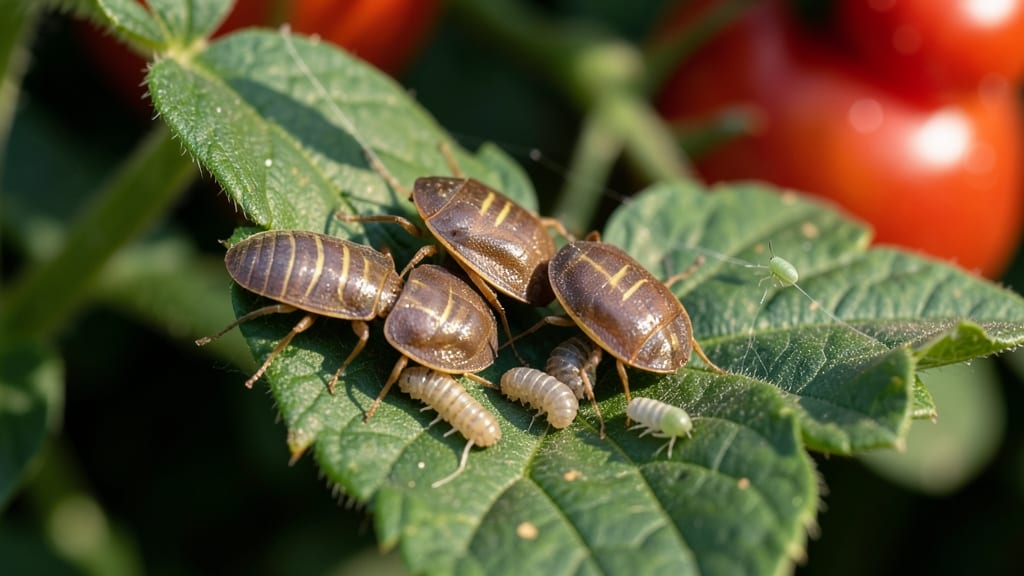
Not all insects on tomato plants are pests—some are your garden’s best allies. Discover these 10 beneficial bugs that prey on harmful insects, boost pollination, and keep your tomato harvest thriving naturally.
Ladybugs Devouring Aphids and Whiteflies
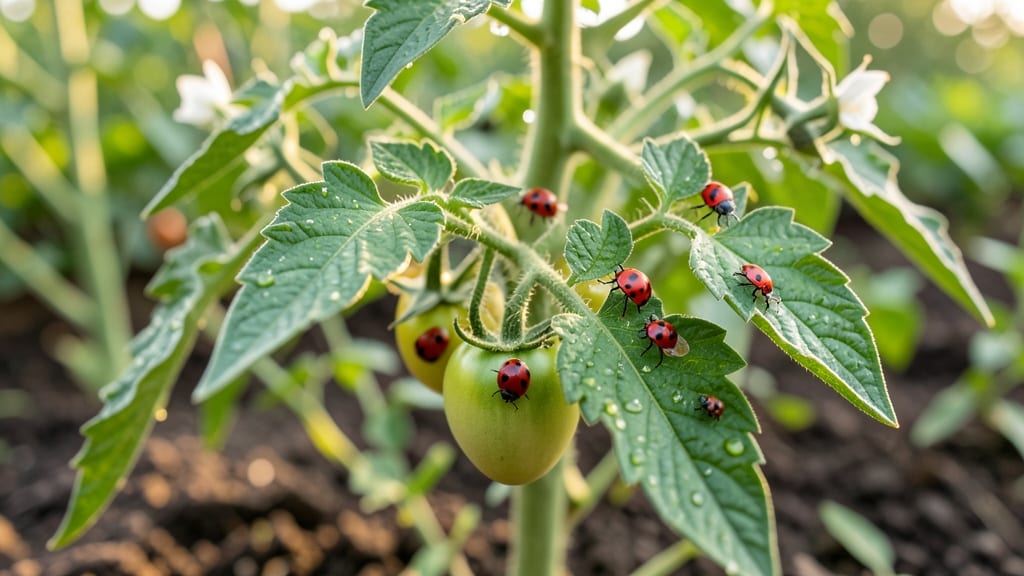
If your tomato plants are under siege by aphids or whiteflies, ladybugs are nature’s tiny, red knights ready to save the day. These iconic beetles aren’t just cute—they’re voracious predators that can devour up to 5,000 pests weekly, making them one of the most effective allies for organic gardeners.
To maximize their impact, introduce ladybugs early in the season when aphid populations are still low. They thrive in warm, sunny conditions and prefer gardens with plenty of nectar-rich flowers like dill, fennel, or marigolds. Avoid pesticides, as even "organic" sprays can harm these beneficial insects. A single release of 1,500 ladybugs can create a self-sustaining population if given the right habitat.
Perfect for beginners and urban gardeners, ladybugs require minimal effort but deliver immediate results. Their presence means fewer pests and healthier tomato plants—no chemicals needed! 🌱
Lacewings Feasting on Spider Mites
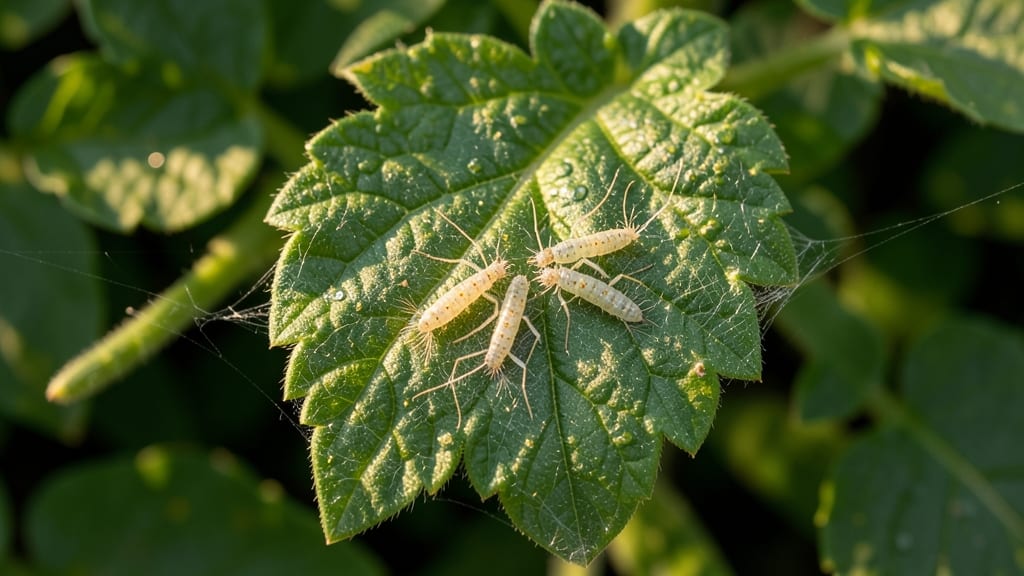
When spider mites turn your tomato leaves into a webbed mess, lacewings arrive like tiny, green knights in shining armor. These delicate insects don’t just hunt—their larvae create sticky, silk traps to ensnare pests, making them one of nature’s most efficient cleanup crews for infestations.
Adult lacewings (with their lace-like wings) lay eggs on leaves, and the larvae that emerge are voracious hunters of spider mites, thrips, and even aphids. Their sticky secretions immobilize prey instantly, ensuring no escape for tiny pests. To attract them, plant dill, fennel, or marigolds nearby—they love these flowers and will patrol your tomato plants for free.
Perfect for greenhouse gardeners or those dealing with soft-bodied pests, lacewings are gentle giants of the insect world. Just avoid pesticides—they’re sensitive to chemicals and need a chemical-free zone to thrive. 🌿
Praying Mantises Hunting Hornworms
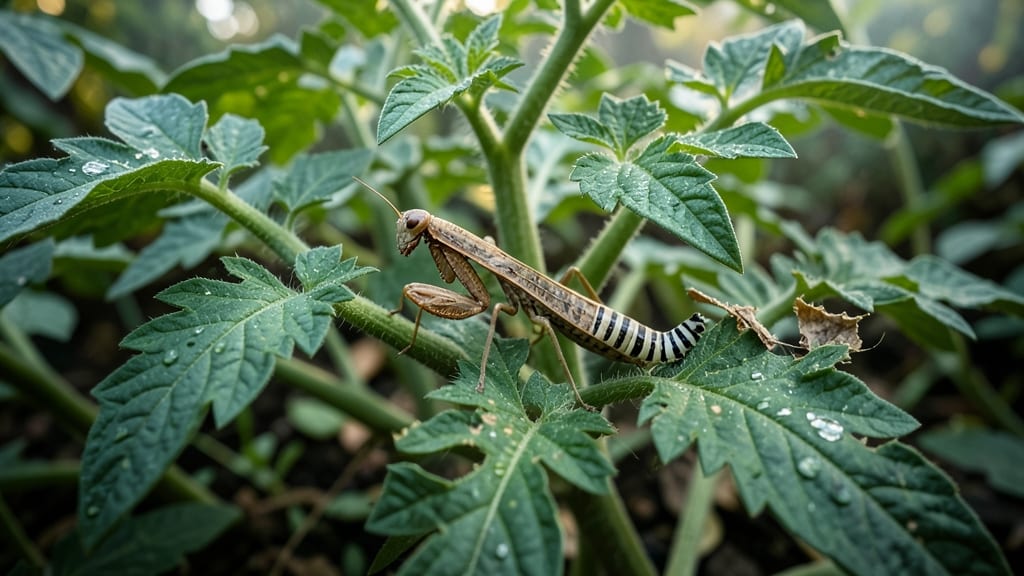
When your tomato plants are under siege by tomato hornworms, these striped caterpillars can strip leaves overnight. But hidden in your foliage, a praying mantis may already be your secret weapon—its camouflaged body blends seamlessly into the leaves while it patiently waits for prey.
These master ambush predators strike with lightning speed, using their spiked front legs to grab hornworms mid-chew. A single mantis can consume dozens of hornworms in a season, saving your plants from defoliation. To encourage them, plant native flowering plants like dill or marigolds nearby—they attract mantis prey and provide shelter.
Perfect for organic gardeners, mantises require no intervention once established. Their presence signals a balanced ecosystem, reducing the need for sprays. Just avoid pesticides, and let these silent hunters work their magic. 🌟
Parasitic Wasps Attacking Caterpillars
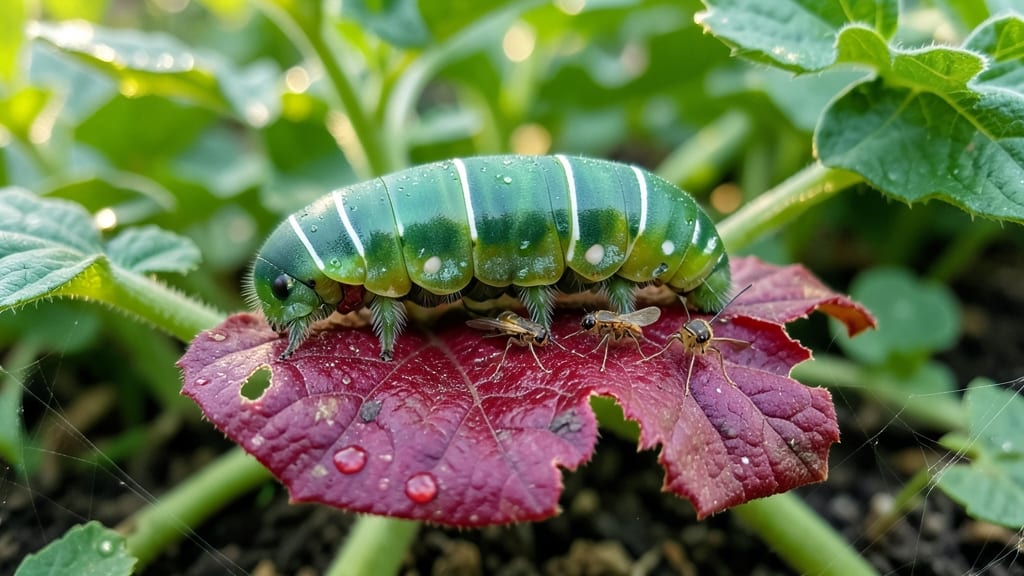
If you’ve ever spotted a tomato hornworm munching on your plants and wondered how to stop it without chemicals, parasitic wasps might be your secret weapon. These microscopic hunters lay their eggs inside caterpillars, turning them into nutrient-rich nurseries for their young—effectively killing the pest from within.
You won’t see these wasps with the naked eye, but their presence is revealed by small white cocoons clinging to a hornworm’s body. They thrive in warm, humid climates and are most effective when introduced early in the growing season. Unlike pesticides, they don’t harm plants or other beneficial insects, making them a sustainable, long-term solution for organic gardeners.
These tiny allies are especially valuable for those battling tomato hornworms or other caterpillar pests. Planting dill, fennel, or parsley nearby can attract them naturally, giving your garden an invisible shield against future infestations. 🌱
Ground Beetles Preying on Eggs and Larvae
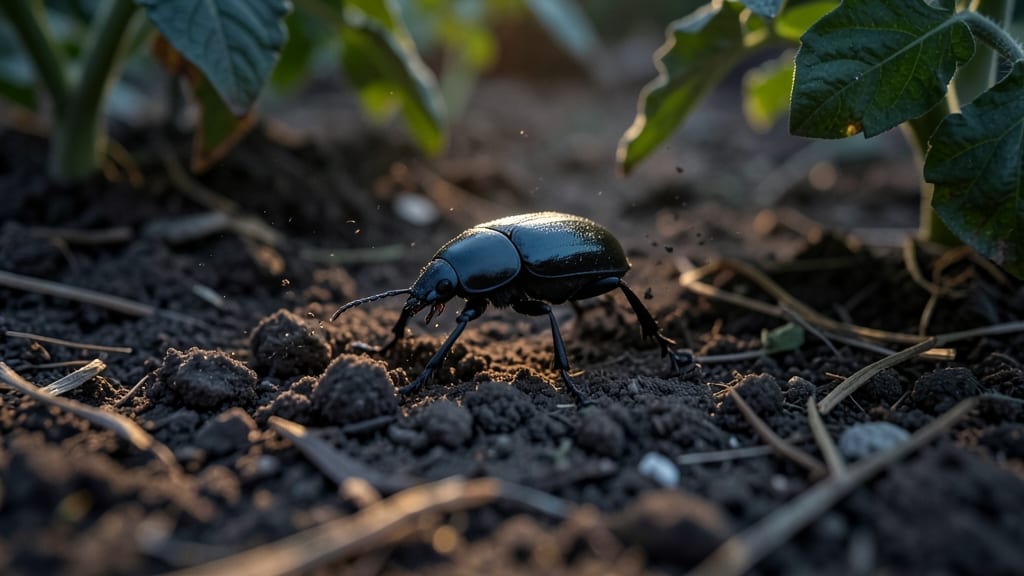
If you’ve ever spotted a shiny, black beetle darting across your garden soil at dusk, you’ve likely encountered a ground beetle—one of nature’s most effective pest controllers. These nocturnal hunters specialize in devouring Colorado potato beetle eggs and cutworm larvae, two of the most destructive pests for tomato plants. Their presence is a sign your garden’s ecosystem is thriving, as they thrive in healthy, undisturbed soil.
Ground beetles are most active after dark, using their powerful jaws to crush soft-bodied pests like eggs and young larvae. To attract them, leave leaf litter and mulch near your tomato plants, as they prefer moist, shaded microclimates. Avoid excessive tilling, which disrupts their habitat. These beetles also help control other garden pests like slugs and beetle grubs, making them a low-maintenance, high-impact solution for organic gardeners.
For those who struggle with early-season infestations, ground beetles offer a natural, chemical-free way to reduce future damage. They’re especially valuable in vegetable gardens where soil health is a priority. 🌿
Hoverflies Pollinating and Controlling Thrips
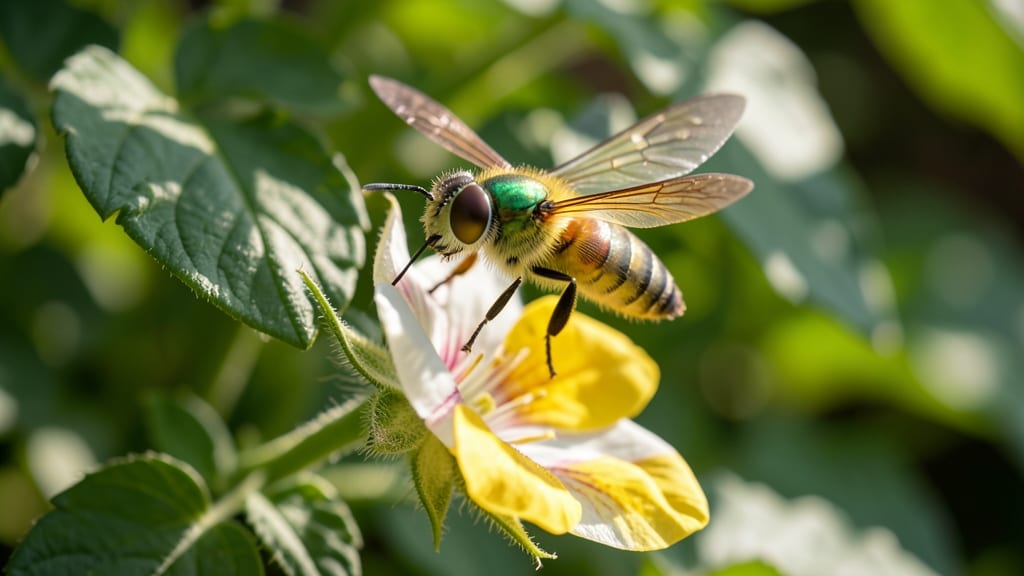
If you’ve ever watched a tiny, bee-like insect darting around your tomato flowers, you might’ve spotted a hoverfly—a dynamic duo that works for both pollination and pest control. These beneficial insects are the unsung heroes of the garden, offering a two-for-one solution for thriving tomato plants.
Adult hoverflies mimic bees with their striped patterns, tricking pests while pollinating blossoms that will become your fruit. Their larvae, however, are the real pest-fighting powerhouses—they devour thrips and aphids, two common tomato plant menaces. To attract them, plant dill, fennel, or marigolds nearby, as these flowers provide nectar and breeding sites. Hoverflies thrive in sunny, well-drained soil and are especially effective in early summer when tomato pests are most active.
Perfect for organic gardeners and small-space growers, hoverflies require no intervention—just a healthy garden ecosystem. Their presence means fewer pesticides and a higher chance of fruit set from better pollination. 🌟
Spiders Webbing Tomato Foliage
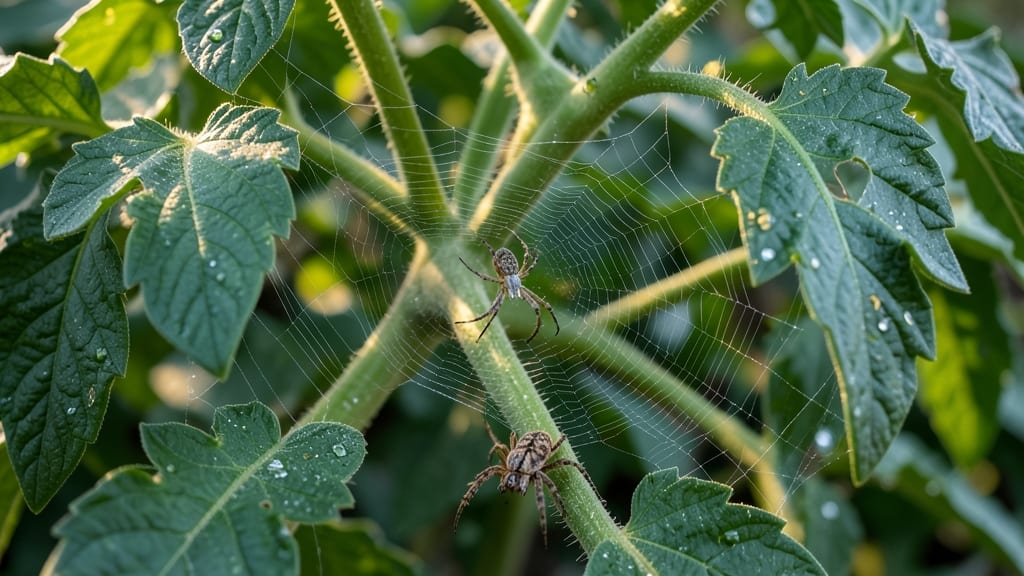
Seeing spider webs on your tomato plants might make you cringe, but these eight-legged allies are silently protecting your crop. Wolf spiders and orb-weavers aren’t just lurking—they’re actively hunting caterpillars, beetles, and flies that would otherwise damage your leaves and fruit.
Unlike their venomous reputation, most garden spiders are harmless to humans and prefer flying insects over your tomatoes. Their webs act as natural insect traps, catching pests before they can multiply. To encourage their presence, avoid chemical sprays and leave some leaf litter or rocks near your plants for shelter. These low-maintenance predators thrive in most climates and require no extra effort from you.
Urban gardeners and organic growers will appreciate how spiders reduce pest populations without chemicals. With their help, your tomato plants can focus energy on fruit production instead of recovery. 🌿
Damsel Bugs Targeting Whiteflies and Aphids
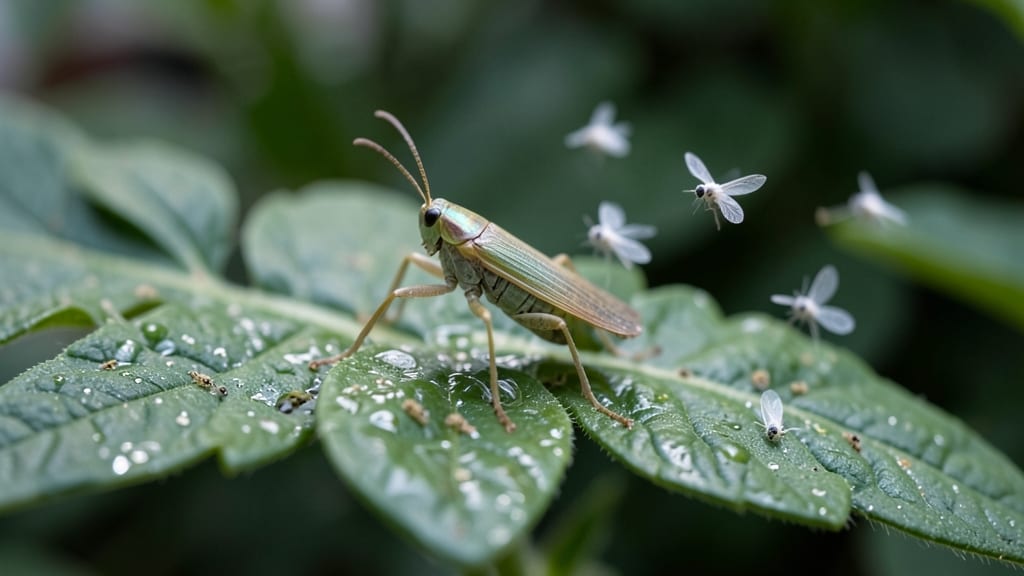
If your tomato plants are plagued by whiteflies or aphids in shaded spots or greenhouses, damsel bugs might be your secret weapon. These sleek, elongated predators don’t just eat pests—they inject venom to paralyze them instantly, making them one of nature’s most efficient pest controllers.
Unlike ladybugs or lacewings, damsel bugs thrive in low-light conditions and greenhouse environments, where other predators struggle. They’re particularly effective against whiteflies, sucking their juices dry within minutes. To attract them, plant dill, fennel, or marigolds nearby—their aromatic flowers lure these bugs in.
Greenhouse gardeners and those with shady tomato patches will love damsel bugs for their precision hunting. Just avoid spraying pesticides, as these delicate predators are highly sensitive to chemicals. 💚
Braconid Wasps Parasitizing Tomato Hornworms
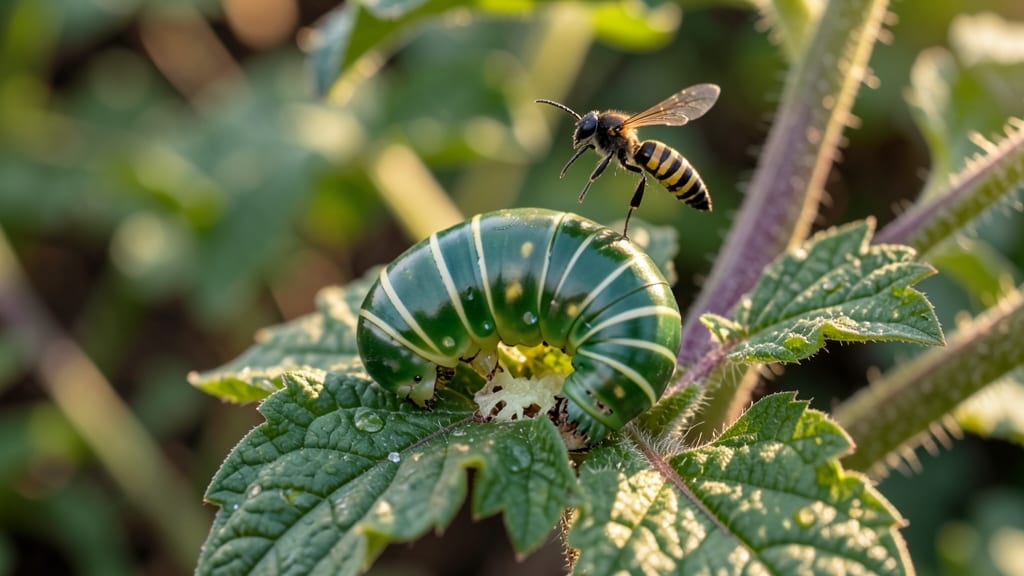
If you’ve ever spotted a tomato hornworm stripping your plants bare, meet your tiny, invisible ally: the braconid wasp. These microscopic predators don’t just hunt—they turn hornworms into natural pest control agents by injecting eggs into their bodies, causing them to mummify and die.
Unlike other beneficial insects, braconid wasps thrive in warm, humid climates and are most active during summer when hornworms are at their peak. You won’t see them—they’re too small—but their presence is revealed by white cocoons clinging to hornworm bodies. Plant dill, fennel, or parsley nearby to attract them, as these herbs provide nectar and habitat.
For organic gardeners, these wasps are a game-changer, offering long-term pest suppression without chemicals. They’re especially effective in greenhouse settings or regions with hot summers. 🌿
Stink Bugs Controlling Small Caterpillars

Don’t let the name fool you—stink bug nymphs are tiny, hungry hunters that target small caterpillars and mites before they become a problem. While adults may snack on your tomatoes, their early-stage predation keeps early pest populations in check.
These shield-shaped nymphs (with fewer legs than adults) are most active in warm, humid conditions and prefer soft-bodied pests like leafminers and aphids. Planting dill, fennel, or marigolds nearby attracts them to your tomato patch, giving you a free pest-control team.
Urban gardeners and organic growers will love this low-maintenance ally—just avoid squishing them! Their presence means fewer future pests without chemicals. 🌱