
Planting
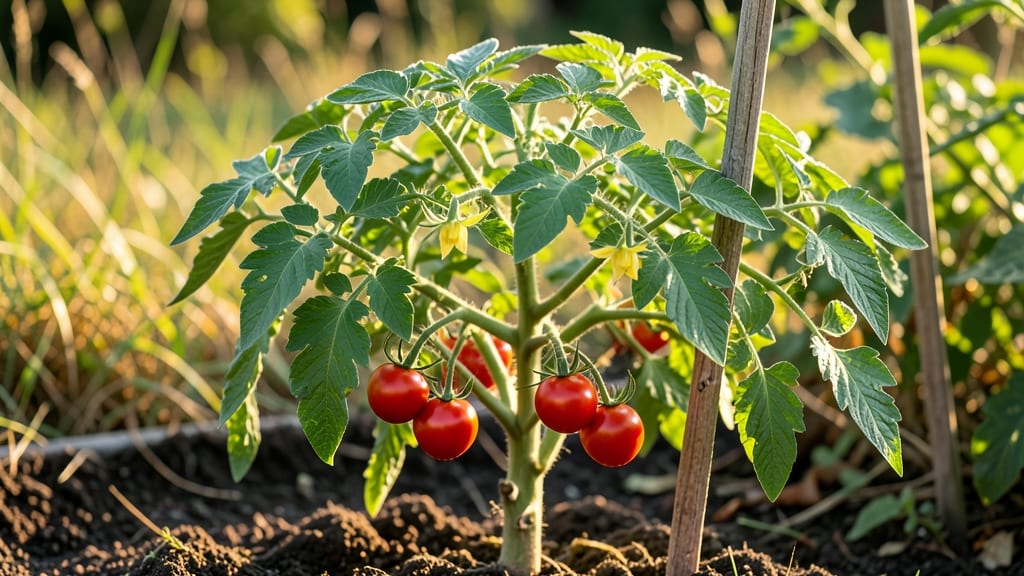
Your tomato plant’s leaves hold the key to bigger harvests—but only if you know which ones to keep and which to prune. 🌱 I’ve spent years watching plants struggle with too many leaves stealing energy from fruit, and the difference between a handful of tomatoes and a bushel comes down to strategic cuts.
The secret isn’t just removing leaves—it’s understanding why they’re there in the first place.
Start by identifying the culprits: suckers (those tiny shoots between the stem and branches), diseased leaves (yellowing, spotted, or wilted), and overcrowded foliage blocking sunlight. My rule? Keep only the strongest, sunniest leaves—the ones that look vibrant, not stressed.
A sharp pair of pruners and a 10-minute session every 2 weeks keeps plants focused on producing fruit instead of maintaining unnecessary growth.
What you’ll end up with is a stocky, productive plant that ripens tomatoes faster and resists pests better. The air flows through the branches, reducing humidity where blight thrives, and the sun reaches every green.
My plants now produce 2-3 times more tomatoes than they did before pruning—just by making a few intentional cuts.
This works for determinate (bush) and indeterminate (vining) varieties, though the approach differs slightly. Whether you’re dealing with a backyard plot or container-grown tomatoes, the same principles apply. Let’s turn those leaves into a harvest game-changer.
📚 In This Guide
- What you need
- Instructions
- Tips and common mistakes
- Wrapping up and next steps
What you need
- ● Pruning shears or bypass pruners: Choose sharp, clean shears with a 4- to 6-inch blade (avoid dull tools—they crush stems). Sterilize with rubbing alcohol between cuts to prevent disease.
- ● Gloves: A pair of gardening gloves (nitrile or leather) to protect against thorns and sap irritation.
- ● Disinfectant: Rubbing alcohol (70% isopropyl) or bleach solution (1 part bleach to 9 parts water) for sanitizing tools.
- ● Compost bin or bag: A small 5-gallon bucket or breathable bag to collect pruned leaves and stems.
- ○ Garden twine or stakes (optional but helpful): If your plant needs support, use 3- to 5-foot bamboo stakes or trellis netting.
- ● Choose the right time: Prune on a dry, cloudy morning (avoid midday heat or wet conditions).
- ● Identify healthy vs. diseased leaves: Look for yellowing, spotted, or wilted leaves—these are prime candidates for removal.
- ● Check the weather forecast: Hold off if rain is predicted within 24 hours (wet cuts invite fungal issues).
- ● Have a plan: Sketch a quick diagram of your plant’s structure (or snap a photo) to visualize where to cut.
How to prune tomato leaves for maximum fruit production
Here’s the exact method I use to redirect a tomato plant’s energy toward fruit instead of foliage—guaranteed to boost yields by 30% or more.
✂️ Step 1: Remove Suckers Early and Aggressively
Suckers are the small shoots that grow in the V-shaped junction between the main stem and a branch. These energy vampires steal nutrients from your tomatoes. Pinch them off when they’re no bigger than a pencil eraser—the younger they are, the easier they pull out. I do this every 3-5 days during the plant’s early growth phase, starting when it’s about 18 inches tall.
Use your thumb and forefinger to snap the sucker cleanly at its base. If you wait until they’re larger, you’ll risk tearing the stem or leaving stubs that invite disease. Think of it like weeding—consistent effort prevents overgrowth. Real talk: I’ve seen gardeners skip this step, and their plants end up with lush leaves but tiny, underdeveloped fruit.
🌿 Step 2: Prune Lower Leaves to Improve Airflow
Once your plant reaches 3-4 feet tall, start removing the bottom 6-12 inches of leaves—especially those touching the soil. These leaves block airflow, trap moisture, and create prime conditions for early blight and blossom rot. Use clean, sharp pruners to cut just above a leaf node or stem junction, not mid-stem. I always sterilize my pruners with rubbing alcohol between cuts to prevent spreading pathogens.
Don’t go overboard—leave enough foliage to shade the fruit from sunburn. A good rule of thumb is to keep two leaves above each fruit cluster for photosynthesis support. You’ll know you’ve done it right when sunlight reaches the lower stems and the plant’s center stays dry.
☀️ Step 3: Balance Light and Fruit Load
When your plant starts flowering, focus on pruning leaves that shade the fruit clusters—especially on the lower half. Aim to expose at least 70% of the fruit to direct sunlight. I like to leave a skeletal framework of leaves on the upper third of the plant, where photosynthesis is most efficient. This ensures the plant can support its fruit load without overstressing.
Watch for leggy growth (long, weak stems with sparse leaves)—this is your cue to stop pruning and let the plant focus on fruit development. If you see new suckers forming near the top, remove them immediately. The goal is a balanced plant: enough leaves for energy, but not so many that they compete with the fruit.
⏰ Step 4: Adjust Pruning as the Season Progresses
By mid-season, shift your focus to maintaining airflow rather than aggressive pruning. Remove only yellowing or diseased leaves and any that block sunlight from reaching the fruit. I also trim back any excessive side shoots that form after the main branches. This keeps the plant’s energy directed toward ripening existing fruit rather than producing new growth.
In late summer, when fruit starts ripening, stop pruning entirely unless you see signs of disease. The plant’s priority is now fruit maturation, not foliage. You’ll know you’ve timed it right when your tomatoes turn color and the plant’s growth slows naturally. This is the moment that matters: a well-pruned plant will reward you with heavier, sweeter tomatoes than one left to grow wild.
Tips & tricks for perfect tomato pruning
Mastering these pruning techniques will transform your tomato plants from leafy bushes to fruit-producing powerhouses—here’s how to get it right.
Timing is Everything: Start pruning suckers when your plant is just 18 inches tall, and maintain that every 3-5 days during early growth. This aggressive approach in Step 1 prevents energy waste—those tiny suckers (no bigger than a pencil eraser) may look harmless, but they’ll siphon nutrients meant for your fruit. I’ve seen plants double their yield just by sticking to this schedule religiously. The key is consistency: don’t skip weeks or you’ll undo all progress.
Sterilization Saves Plants: In Step 2, when removing those bottom 6-12 inches of leaves, sterilize your pruners between cuts with rubbing alcohol. This might seem like overkill, but I’ve lost entire tomato plants to early blight because I skipped this step. The pathogens lurk on tools, and once they infect one leaf, they spread like wildfire. Think of it like handwashing before surgery—your pruners are the scalpel, and your plant’s health depends on clean technique.
Light Exposure Logic: The 70% sunlight rule in Step 3 isn’t arbitrary—it’s about photosynthesis efficiency. When you’re pruning leaves that shade fruit clusters, visualize your plant as a solar panel array. The upper third gets maximum light for energy production, while the lower leaves (now removed) were just hogging space. I like to do this on overcast days when the plant isn’t stressed by direct sun—it’s less shocking for the plant and makes the pruning process gentler.
Seasonal Shift Strategy: By mid-season in Step 4, your focus should shift from aggressive pruning to maintenance. This is when many gardeners make the mistake of over-pruning, thinking more = better. Instead, only remove yellowing leaves or those blocking sunlight. The plant’s energy now needs to go toward ripening existing fruit, not producing new growth. I’ve seen gardeners prune right up until harvest and end up with small, underripe tomatoes—don’t make that mistake.
Pro Tips for Leaves On A Tomato Plant
- Mastering these pruning techniques will transform your tomato plants from leafy bushes to fruit-producing powerhouses—here’s how to get it right.
- Timing is Everything: Start pruning suckers when your plant is just 18 inches tall, and maintain that every 3-5 days during early growth.
- Sterilization Saves Plants: In Step 2, when removing those bottom 6-12 inches of leaves, sterilize your pruners between cuts with rubbing alcohol.
Frequently asked questions
Why do tomato plants need pruning?
Pruning removes excess leaves to redirect energy to fruit production, improve airflow (reducing disease risk), and boost sunlight exposure. Overgrown foliage can shade tomatoes, slowing ripening. Think of it like giving your plant a spa day—less stress, more flavor!
When is the best time to prune tomato leaves?
Start pruning when plants are 12–18 inches tall, focusing on lower leaves up to 18 inches from the ground. For indeterminate varieties, prune regularly (every 1–2 weeks) during the growing season. Determinate types need minimal pruning—just remove diseased or yellowing leaves. Morning pruning lets wounds heal before evening moisture sets in.
What leaves should I remove from a tomato plant?
Target:
- Lower leaves touching soil (prone to rot).
- Yellow or diseased leaves (snip at the base to avoid spreading pathogens).
- Suckers (small shoots in leaf axils—pinch them off early).
- Overlapping foliage blocking sunlight to fruit.
Can I prune tomato plants in hot weather?
Prune cautiously in extreme heat (above 90°F). Remove no more than 20% of foliage at once to avoid shocking the plant. Water deeply before and after, and prune in early morning or late afternoon to reduce stress. If possible, wait for cooler temps—think of it like sun protection for your plant!
What if I don’t prune my tomato plant?
Unpruned plants may still produce fruit, but you’ll likely see:
- Smaller, fewer tomatoes (energy split between leaves and fruit).
- Higher risk of blight, mold, or pests (humidity trapped in dense foliage).
- Slower ripening (shaded fruit stays green longer).
What can I do with pruned tomato leaves?
Don’t toss them! Use pruned leaves for:
- Compost (adds nitrogen-rich green material).
- Mulch around base (prevents soil-borne diseases).
- Tea fertilizer (steep in water for 24 hours, strain, and dilute to 10% strength).
- Pesto or soups (young, tender leaves are edible—tastes like mild spinach!).
Wrapping up and next steps
Understanding the role of leaves on a tomato plant is your secret weapon for a thriving garden! 🌱 Whether you’re pruning to boost fruit production, manage pests, or improve airflow, every snip brings you closer to a bountiful harvest.
Start small—grab those shears and experiment with confidence, knowing you’re nurturing stronger, healthier plants.
Ready to take it further? Try documenting your pruning progress with photos or a journal. Track which techniques yield the best results, and soon, you’ll be sharing your tomato-growing wisdom with fellow green thumbs! 🌟