
Companion Plants
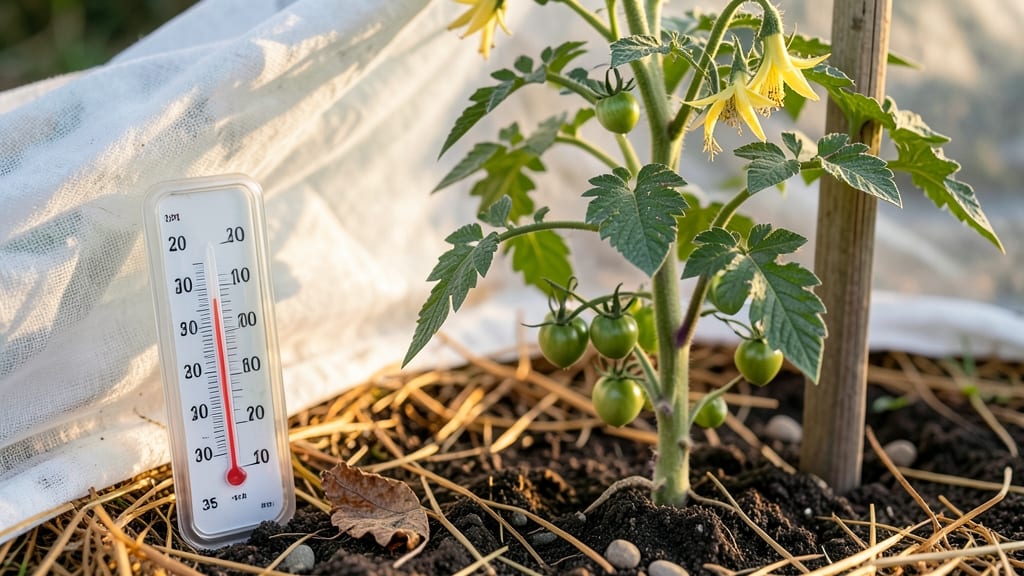
A low temperature for tomato plants can turn your lush greens into sad, stunted shadows—unless you know the right tricks. 🌱 I’ve watched my cherry tomatoes shiver at 50°F, only to bounce back with proper care, and these chill-resistant varieties actually love cooler weather when given the right support.
The secret isn’t just picking the right plants; it’s protecting them from temperature swings that cause blossom drop and weak stems.
Start with varieties like ‘Stupice’ or ‘Mountain Merit,’ bred to handle temperatures down to 45°F without wilting. Pair them with row covers or black plastic mulch to keep roots warm—even a 5°F buffer makes a huge difference.
If frost is forecast, move potted plants under grow lights or into a garage with ventilation. The goal? Trick your tomatoes into thinking spring never ended.
You’ll see the payoff in stronger vines and heavier fruit sets—even in short seasons. Cold-stressed plants might drop flowers, but with the right variety and protection, you’ll still get a harvest.
The key is acting fast: cover plants at dusk, remove covers when temps rise above 60°F, and watch your tomatoes thrive where others fail.
Works for backyard gardens, raised beds, or even containers on patios. Here’s how to adapt your setup for cooler climates without sacrificing flavor or yield—no greenhouses required.
📚 In This Guide
- What you need
- Instructions
- Tips and common mistakes
- Wrapping up and next steps
What you need
- ● Chill-resistant tomato seeds or seedlings: 1–2 plants of Siberian, Stupice, or Mountain Merit varieties (or other cold-hardy types).
- ● Growing containers or garden beds: 5–10 gallon pots (if container-growing) with drainage holes.
- ● Black plastic mulch (1–2 rolls, 4’ wide) to warm soil.
- ● Soil amendments: Compost (1–2 bags, 40 lbs each) for nutrient-rich soil.
- ● Balanced fertilizer (10-10-10 or 5-5-5, 1–2 lbs).
- ● Protective coverings: Frost cloth (1–2 sheets, 5x7 ft) or row covers.
- ○ Mini greenhouse or cold frame (optional, for extreme chills).
- ● Thermometer: Soil thermometer (0–100°F range) to monitor temps.
- ● Watering supplies: Drip irrigation kit or hose with a gentle nozzle.
- ● Watering can (for seedlings).
- ● Pruning tools: Small bypass pruners for trimming.
- ● Heat mats (for seed starting, 1–2 units).
- ● LED grow lights (for indoor seedlings, 1–2 bulbs).
- ● Mulch (straw or wood chips, 1–2 bags) to insulate roots.
- ● Plant supports (cages or stakes, 2–4 units).
How to select and care for cold-tolerant tomato varieties
Here's how to grow tomatoes successfully in cooler climates without sacrificing yield or flavor.
☀️ Step 1: Choose Certified Cold-Hardy Varieties
Look for varieties labeled "cold-tolerant" or "early-maturing" from reputable seed suppliers. My top recommendations include 'Stupice,' 'Mountain Merit,' and 'Glacier'—all proven to handle 45-50°F nighttime temperatures without stunting. Avoid traditional heirlooms like 'Brandywine' unless you're willing to accept slower growth and smaller fruit in cooler conditions.
Check seed packets for days to maturity—varieties that mature in 60-70 days have less time exposed to cold stress. I always cross-reference with my local frost-free date to ensure plants complete their cycle before the first hard freeze. For example, in Zone 5, I plant 'Mountain Merit' in early May when soil temperatures reach 55°F consistently.
🌱 Step 2: Extend the Growing Season Strategically
Use floating row covers or low tunnels to raise soil temperatures by 5-10°F and protect young plants from late frosts. I start covers immediately after transplanting and remove them during the day once temperatures exceed 65°F to prevent overheating. This creates a microclimate where plants can grow 2-3 weeks earlier than uncovered plants.
For even more protection, plant in black plastic mulch or straw bales—both raise soil temperatures by 5-8°F and suppress weeds. I always lay mulch 2-3 weeks before planting to let it warm the soil naturally. You'll see faster germination and stronger seedlings when soil stays above 60°F for extended periods.
🪴 Step 3: Optimize Container and Site Selection
Choose large containers (5+ gallons) with dark-colored fabric or plastic to absorb heat during the day. I use black fabric grow bags because they retain warmth longer than traditional pots. Place containers in south-facing locations where they receive 6+ hours of direct sun—even in cooler climates, light intensity matters more than temperature alone.
If growing in-ground, select the warmest microclimate in your yard—often near a south-facing wall or fence. I've found that planting near dark-colored surfaces (like asphalt or dark mulch) raises ambient temperatures by 2-3°F. Avoid low-lying areas where cold air settles, as even cold-tolerant varieties struggle below 45°F for extended periods.
💧 Step 4: Adjust Watering and Fertilization for Cooler Weather
Water consistently but shallowly when temperatures dip below 60°F—plants absorb less moisture in cooler conditions. I check soil moisture by feeling 1 inch below the surface with my finger; if it's dry, water deeply but avoid soggy soil. Overwatering in cool weather leads to blossom end rot and fungal diseases like early blight.
Switch to a low-nitrogen, high-phosphorus fertilizer (like 5-10-10) once plants show true leaves to encourage root and flower development. I withhold fertilizer completely if nighttime temperatures drop below 50°F—plants focus on survival rather than growth when stressed. Resume feeding only when daytime highs exceed 65°F consistently.
✂️ Step 5: Prune and Protect During Temperature Fluctuations
Remove suckers aggressively when temperatures fluctuate between 50-60°F—plants divert energy to new growth instead of protecting existing fruit. I prune every 3-4 days during cool spells to maintain plant strength. Avoid heavy pruning if nights drop below 50°F, as stressed plants may drop flowers or fruit.
Use cloche covers or individual plant protectors on mature plants when forecasted lows approach 45°F. I've saved entire harvests by covering plants at dusk and removing covers by 9 AM the next day. Watch for condensation buildup—ventilate covers during the day to prevent fungal issues. You'll see fuller fruit set and better flavor when plants aren't shocked by sudden cold snaps.
Tips & tricks for thriving tomatoes in cool climates
These are the secrets I've learned from growing tomatoes successfully in areas where temperatures dip below 55°F—without sacrificing flavor or yield.
Variety Selection Matters: When choosing cold-tolerant varieties like 'Stupice' or 'Mountain Merit,' pay attention to their days to maturity (60-70 days) as this directly impacts their ability to complete their cycle before cold snaps. I've found that varieties with determinate growth habits (bush types) often handle cooler temperatures better than indeterminate vining types, which need consistent warmth. The key is matching the variety's maturity timeline with your local frost-free date—planting too early can expose plants to prolonged cold stress.
Microclimate Mastery: The 2-3°F temperature boost you get from planting near dark-colored surfaces (like asphalt or dark mulch) can make all the difference in cooler climates. I always scout my yard for the warmest spots—typically south-facing walls or fences—and avoid low-lying areas where cold air pools. For container growers, positioning your 5+ gallon black fabric grow bags against a dark wall can raise root zone temperatures by an additional 2-3°F during critical morning hours.
Season Extension Hacks: The 5-10°F temperature protection from floating row covers isn't just about frost prevention—it's about creating a stable growing environment. I've seen plants grow 2-3 weeks earlier when using these covers consistently. The trick is removing them during the day once temperatures exceed 65°F to prevent overheating, which can stress plants just as much as cold. For even better results, combine row covers with black plastic mulch laid down 2-3 weeks before planting to warm the soil naturally.
Pro Tips for Low Temperature For Tomato Plants
- These are the secrets I've learned from growing tomatoes successfully in areas where temperatures dip below 55°F—with...
- Variety Selection Matters: When choosing cold-tolerant varieties like 'Stupice' or 'Mountain Merit,' pay attention to...
- Microclimate Mastery: The 2-3°F temperature boost you get from planting near dark-colored surfaces (like asphalt or d...
Frequently asked questions
Got questions about keeping your tomato plants happy in cooler temps? You’re not alone!
Here are some of the most common concerns—and expert-backed answers—to help you grow thriving tomatoes even when the mercury dips.
Can tomatoes survive below 50°F (10°C) overnight?
Most standard tomato varieties won’t survive prolonged temps below 50°F (10°C) without protection. However, cold-hardy varieties like ‘Stupice’ or ‘Mountain Merit’ can tolerate brief dips to 32°F (0°C) with proper mulching and row covers. For extreme cold, consider moving potted plants indoors temporarily or using a cloche.
How do I protect tomato plants from early frost?
Start with row covers, cloches, or cold frames to shield plants from frost. Mulch heavily with straw or leaves to insulate roots, and avoid overhead watering before frost (wet leaves freeze faster). If a hard freeze is forecast, cover plants with blankets or bubble wrap and secure edges with bricks or soil to trap warmth.
Should I start tomatoes indoors earlier if my climate is cool?
Yes! In cooler regions, start seeds 6–8 weeks before your last frost date to give seedlings a head start. Use grow lights if natural light is limited, and harden off seedlings gradually before transplanting. Cold-hardy varieties may need 10–14 days longer to mature, so adjust your planting timeline accordingly.
Will low temps stunt my tomato plant’s growth or fruit production?
Temps below 55°F (13°C) can slow growth and delay flowering, but it won’t permanently damage the plant. Focus on sun exposure, consistent watering, and balanced fertilizer (high in phosphorus) to encourage recovery. If flowers appear but don’t set fruit, hand-pollinate with a small brush or gently shake plants on warm days.
Are there companion plants that help tomatoes tolerate cold better?
Yes! Planting basil, borage, or marigolds nearby can improve air circulation and deter pests, while comfrey or comfrey tea acts as a natural mulch to retain soil warmth. Avoid planting tomatoes with brassicas (like cabbage), as they compete for nutrients and may stress the plant further in cool weather.
Wrapping up and next steps
Growing tomatoes in cooler climates isn’t just possible—it’s rewarding with the right chill-resistant varieties! By choosing Solanum lycopersicum like 'Stupice' or 'Mountain Merit,' you’ll enjoy robust plants that flourish even below 55°F.
Protect your investment with mulch, row covers, or greenhouses, and soon, you’ll be harvesting juicy, homegrown tomatoes year-round. 🌱
Ready to level up your garden? Start small—test one variety this season, track its progress, and expand next year. Your future self (and taste buds!) will thank you. Happy planting! 🍅✨