
Companion Plants
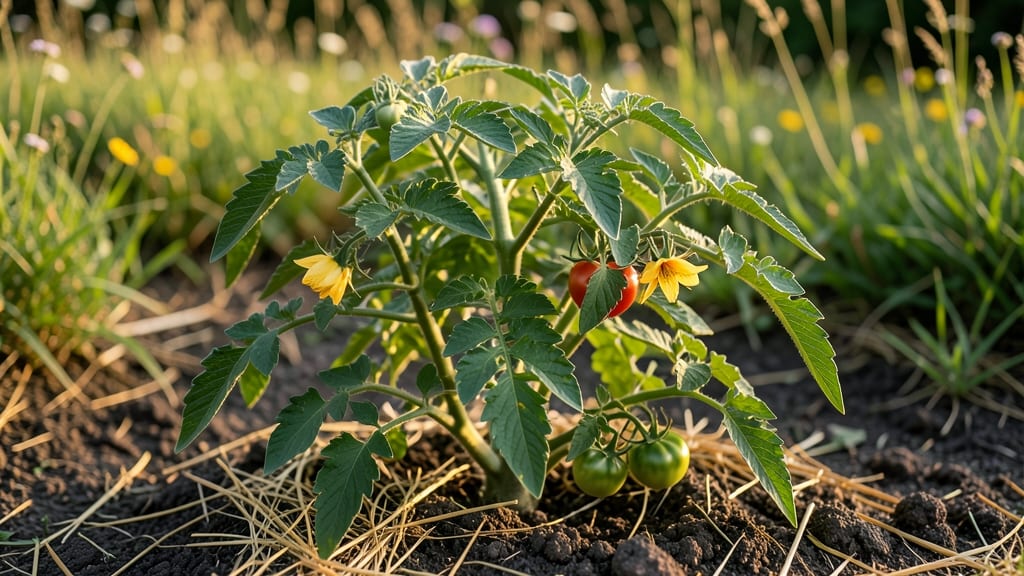
Growing orange banana tomato plants starts with a single seed and ends with clusters of sweet, tangy fruit that look like tiny citrus. 🌱 These heirloom beauties aren’t just stunning—they’re productive, disease-resistant, and perfect for small spaces, whether you’ve got a balcony or a backyard corner to fill.
The key? Mimicking their natural tropical environment without overcomplicating things.
You’ll need a 5-gallon container (or larger) with drainage, a sunny spot (6+ hours of light daily), and well-draining soil mixed with compost. Water consistently—keeping the soil moist but never soggy—because these plants hate dry spells.
Prune suckers early to focus energy on fruit production, and watch for pests like aphids (a strong spray of water usually does the trick).
By midsummer, you’ll be harvesting golden-yellow, banana-shaped tomatoes that burst with flavor—sweeter than store-bought and packed with seeds you can save for next year. The plants stay compact, making them ideal for urban gardens, and their striking foliage adds drama to any space.
With the right care, you’ll go from seed to harvest in just 70-80 days.
Pro tip: Pair them with basil or marigolds to repel pests and boost growth. And if you live in a cooler climate, start seeds indoors 6-8 weeks before your last frost—these tomatoes love warmth but can’t handle cold snaps.
Once you try them, you’ll never go back to boring red varieties again.
📚 In This Guide
- What you need
- Instructions
- Tips and common mistakes
- Wrapping up and next steps
What you need
- ● Seeds or Seedlings: Orange tomato seeds (e.g., Solar Fire or Sun Gold) – 3–5 seeds
- ● Banana plant (if growing from a store-bought fruit, save the base; otherwise, buy a Dwarf Cavendish or Red Dacca plant) – 1
- ● Containers or Garden Space: For tomatoes: 5-gallon pots (1 per plant) or raised beds (12" deep)
- ● For bananas: Large pots (at least 15 gallons) or in-ground planting in warm climates (Zones 10–12)
- ● Soil: Well-draining potting mix (for containers) or garden soil amended with compost (for in-ground)
- ● Organic fertilizer (5-5-5 or 10-10-10) – 1–2 cups per plant
- ● Tools: Trowel or small shovel
- ● Pruning shears
- ● Watering can or hose with gentle spray nozzle
- ● Mulch (straw or wood chips) to retain moisture and regulate soil temperature
- ● Cage or stakes for tomato plants (to support growth)
- ● pH test kit (ideal soil pH: 6.0–6.8 for tomatoes, 5.5–6.5 for bananas)
- ● Drip irrigation system (for consistent watering)
- ● Compost tea or fish emulsion (for extra nutrients)
- ● Garden gloves (to protect your hands)
Step-by-step instructions for growing orange Banana tomato plants
Here's how to create a vibrant, productive trio that thrives in containers or garden beds.
🌱 Step 1: Select and Prepare the Right Containers
Orange Banana tomatoes need 5-gallon containers minimum since they grow large—each plant will need its own space. Choose containers with drainage holes and fill them with a high-quality potting mix designed for tomatoes. I always add a handful of compost to the bottom for extra nutrients, then fill the rest with fresh mix. Press down lightly to remove air pockets but keep it loose enough for roots to penetrate easily.
For the balcony setup, position containers where they'll receive 6-8 hours of direct sunlight daily. South-facing spots work best, but west-facing also works if you live in cooler climates. If your balcony gets afternoon shade, consider using reflective surfaces like white walls or mirrors to bounce extra light onto the plants.
🌿 Step 2: Plant Transplants at the Right Time
Wait until after your last frost date and soil temperatures reach at least 60°F before planting. Orange Banana tomatoes are heat-lovers and won't tolerate cold soil. Gently remove each transplant from its nursery pot and loosen the roots if they're circling. Plant them 1-2 inches deeper than their original container level—this encourages stronger root growth from the stem.
Space plants 2-3 feet apart in garden beds or place them in their containers. Water immediately after planting to settle the soil around the roots. The first few days are critical—keep the soil consistently moist but not soggy. You'll know you've got the right moisture balance when the top inch of soil feels damp but not wet to the touch.
☀️ Step 3: Provide Support and Consistent Care
Install tomato cages or stakes immediately after planting—Orange Banana tomatoes get heavy with fruit. I prefer sturdy 6-foot cages that can handle the weight. As the plants grow, gently weave the main stems through the cage slats to prevent wind damage. Prune suckers (the small shoots that form in the leaf axils) regularly to direct energy toward fruit production rather than foliage.
Feed plants every 2-3 weeks with a balanced 10-10-10 fertilizer or tomato-specific formula. Water at the base in the morning to prevent fungal diseases, and avoid wetting the leaves. You'll notice new growth and flower clusters forming after about 4-6 weeks—this is your signal that the plants are thriving and ready for their next care phase.
💧 Step 4: Monitor for Pests and Harvest Strategically
Watch for common tomato pests like aphids or hornworms—handpick them early before they damage the fruit. Orange Banana tomatoes ripen from green to orange, so let them stay on the vine until fully colored. The flavor improves significantly when they reach their peak orange hue. Harvest regularly to encourage more production, and always twist fruits gently rather than pulling to avoid damaging the stem.
As the season progresses, you may need to prune older leaves that shade the lower fruit clusters. This improves airflow and reduces disease risk. The first harvest usually arrives about 70-80 days after transplanting, but with proper care, your plants will keep producing until frost. Save seeds from your best tomatoes for next year's garden—just let them fully ripen and dry on the vine before processing.
Tips & tricks for thriving orange Banana tomato plants
A few simple strategies will help your Orange Banana tomatoes flourish and produce that sweet, vibrant bounty you're dreaming of.
Container Selection: While 5-gallon containers are the minimum, I've found that 7-gallon containers give plants more room to grow and store moisture, especially in hot climates. Look for containers with drainage holes at the bottom—this prevents root rot while allowing excess water to escape. If you're using decorative pots without drainage, add a layer of gravel at the bottom and create a false drainage system to protect your plants' roots.
Sunlight Optimization: The 6-8 hours of direct sunlight requirement is non-negotiable, but here's how to maximize what you've got: If your balcony gets afternoon shade, position reflective surfaces like white walls or mirrors to bounce extra light onto the plants. For indoor growing, supplement with grow lights 12-14 hours daily—just keep them 6-12 inches above the plants to mimic natural sunlight intensity.
Planting Depth: Planting 1-2 inches deeper than the original container level might seem counterintuitive, but it's a game-changer for root development. The buried stem will develop additional roots, creating a stronger, more stable plant. Just make sure the soil level doesn't cover the lower leaves—this can cause rot. I like to bury about 1/3 of the stem to get the best results without risking the plant's health.
Fertilizer Strategy: The 2-3 week feeding schedule is perfect, but here's a pro tip: Alternate between your 10-10-10 fertilizer and a liquid seaweed fertilizer every other feeding. The seaweed boosts natural growth hormones and improves disease resistance. Also, reduce fertilizer after you see fruit set—too much nitrogen at this stage can lead to leafy growth at the expense of fruit production.
Pro Tips for Orange Banana Tomato Plants
- A few simple strategies will help your Orange Banana tomatoes flourish and produce that sweet, vibrant bounty you're dreaming of.
- Container Selection: While 5-gallon containers are the minimum, I've found that 7-gallon containers give plants more room to grow and store moisture, especially in hot climates.
- For indoor growing, supplement with grow lights 12-14 hours daily—just keep them 6-12 inches above the plants to mimic natural sunlight intensity.
Frequently asked questions
Got questions about growing your own orange banana tomato plants? You’re not alone! Here are some of the most common queries—and their solutions—to help you cultivate a thriving, flavorful trio with ease.
How close together can I plant orange banana tomatoes?
Space them 18–24 inches apart in rows 3–4 feet apart to ensure good airflow and sunlight penetration. Overcrowding can lead to disease and poor fruit development. If growing in containers, use 5-gallon pots or larger—one plant per pot works best for dwarf varieties.
When is the best time to harvest orange banana tomatoes?
Harvest when they’re fully colored (deep orange) but still slightly firm to the touch—usually 60–80 days after transplanting. Check daily in late summer/early fall, as they ripen quickly. Pro tip: Pick them before frost hits to preserve sweetness!
Can I grow orange banana tomatoes in containers?
They thrive in containers with well-draining soil and 12+ hours of sunlight. Choose indeterminate varieties (like ‘Banana Legs’) for bushier growth. Just ensure pots have drainage holes and support stakes or cages for vining plants.
What pests should I watch for with orange banana tomatoes?
Common culprits include aphids, hornworms, and spider mites. Inspect leaves regularly and use neem oil or insecticidal soap for mild infestations. Pro tip: Introduce ladybugs or parasitic wasps for natural pest control—your plants will thank you!
Are there alternatives to orange banana tomatoes for small spaces?
If space is tight, try ‘Tiny Tim’ tomatoes (cherry-sized, prolific) or ‘Banana Peppers’ (milder, compact). Both pair well with basil and marigolds. For a tropical twist, ‘Banana Shrimp’ peppers (ornamental + edible!) add color without bulk.
Wrapping up and next steps
Growing orange banana tomato plants together isn’t just a creative gardening experiment—it’s a delicious, space-efficient, and rewarding way to boost your harvest! 🌱 With the right companionship, these trio thrives in harmony, deterring pests, improving soil, and even enhancing flavors.
Whether you’re a balcony gardener or backyard enthusiast, this combo proves that small spaces can yield big results.
Ready to dive in? Start by sketching your garden layout, gathering your supplies, and planting your first seeds or seedlings this season. Watch as your orange banana tomato trio transforms into a vibrant, productive oasis—one bite (and bite-sized harvest!) at a time. Happy gardening! 🌟