
Vegetables
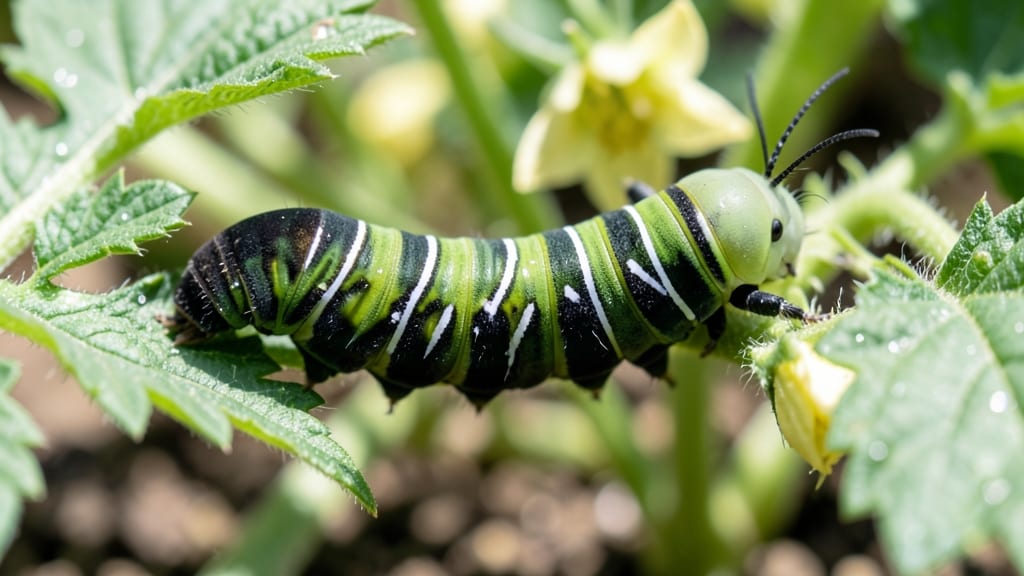
Those 5-inch-long green monsters with red stripes are the tomato hornworms wreaking havoc on your plants. 🌱 I’ve lost entire tomato plants to them—until I learned how to spot them early and stop them without chemicals. The key is acting fast before they skeletonize your leaves overnight.
Hornworms hide in plain sight: look for chewed leaves with only the veins left, black droppings on the soil, and the caterpillars themselves camouflaged against stems. They’re fast—one can devour a tomato plant in 24 hours—so daily checks (especially after rain) save your harvest.
You’ll protect your plants by handpicking them (yes, it’s gross but effective) or encouraging their natural predators like parasitic wasps and ladybugs. A few drops of soapy water on a cotton swab works too—no harsh chemicals needed.
The secret to long-term prevention? Healthy soil and companion planting—basil and marigolds deter them naturally. Once you master this, your tomatoes will thrive without a single leaf touched. Let’s get started!
The hidden reasons behind infestations
When your tomato plants start looking like a caterpillar buffet, it’s often because these voracious eaters are drawn to your garden for very specific reasons. Understanding the why behind their presence is the first step to stopping them naturally.
Here’s a breakdown of the key factors that turn your garden into a red tomato hornworm hotspot:
---
Red tomato hornworms (Manduca sexta) have an insatiable appetite for Solanaceae plants—especially tomatoes, peppers, and eggplants. Why? These plants contain alkaloids like solanine, which deter many pests but actually stimulate hornworm growth. Here’s the science:
- High nitrogen content in young tomato leaves makes them a nutritional powerhouse for hornworm larvae. - Sweet, tender foliage is irresistible to newly hatched caterpillars, which can devour an entire leaf overnight. - Tomato flowers and fruit aren’t off-limits either—hornworms will chew through blossoms, reducing yields and spreading damage.
Actionable tip: 🌡️ If you’re growing tomatoes, rotate crops annually to disrupt their life cycle. Avoid planting tomatoes, peppers, or eggplants in the same spot every year—their scent lingers and attracts adult moths.
---
Adult hornworms don’t start as caterpillars—they begin as large, gray-and-white moths with a wingspan of up to 4 inches. These moths are nocturnal pollinators and are drawn to gardens for two key reasons:
- Bright lights (especially white or yellow lights) confuse them, making them hover near your plants instead of flying away. - Strong floral scents (like those from night-blooming flowers such as jasmine or evening primrose) lure them in for nectar—and while they’re feeding, they lay eggs.
Actionable tip: 💡 Switch to red or amber LED bulbs for outdoor lighting, as moths can’t see these wavelengths. If you love night-blooming flowers, plant them away from your tomato patch or use a light trap (a jar with a lightbulb and soapy water) to catch adult moths.
---
Hornworms aren’t just attracted to food—they also need shelter and moisture. Dense, unkempt gardens with tall weeds or thick foliage give them:
- Protection from predators (like birds, parasitic wasps, and ladybugs). - High humidity (they thrive in damp conditions, so mulched or waterlogged soil is ideal). - Easy access to multiple host plants (if your garden has a mix of tomatoes, peppers, and eggplants, they’ll treat it like an all-you-can-eat buffet).
Actionable tip: ✨ Prune regularly to keep tomato plants open and airy—this makes it harder for caterpillars to hide and easier for natural predators to spot them. Remove low-growing weeds near your tomato beds, especially in early spring when moths are most active.
--- Hornworms are warm-weather pests, and their life cycle accelerates in hot, humid conditions. Here’s how climate plays a role:
| Factor | Why It Matters | What You Can Do | |---------------------|----------------------------------------------------------------------------------|------------------------------------------------------------------------------------| | Spring warmth | Eggs hatch faster in temps above 60°F (15°C)—meaning more caterpillars sooner. | Monitor plants closely in late spring and early summer when eggs are hatching. | | Summer humidity | High moisture keeps larvae hydrated and active. | Water at the base (not overhead) to reduce leaf dampness that attracts them. | | Late summer heat| Dry conditions can slow their growth, but a sudden rainstorm can trigger a population explosion. | Use row covers in early summer if you’ve had past infestations. |
Actionable tip: 📊 If you live in a hot, humid climate, consider interplanting tomatoes with basil or marigolds—their strong scents can mask the aroma of tomato plants, making them less appealing.
--- In a balanced ecosystem, hornworms are kept in check by predators. But if your garden lacks biodiversity, they can multiply unchecked. Common natural enemies include:
- Parasitic wasps (Cotesia congregata) – Lay eggs inside hornworms, turning them into "zombies." - Birds (like robins and sparrows) – Eat both caterpillars and eggs. - Ladybugs and lacewings – Hunt young larvae. - Praying mantises – Ambush larger caterpillars.
Actionable tip: 🌿 Encourage predators by: - Planting native wildflowers (like dill, fennel, or milkweed) to attract beneficial insects. - Avoiding broad-spectrum pesticides that kill both pests and predators. - Installing birdhouses or bat boxes to boost wildlife in your garden.
Natural Ways to Tackle Garden Munchers
If you’ve spotted red tomato hornworms feasting on your plants, don’t panic—there are plenty of effective, chemical-free ways to manage them. Below, we’ll break down solutions by cause, so you can target the problem directly while keeping your garden thriving.
---
The first step is identifying how these hungry caterpillars are affecting your plants. Here’s how to address common scenarios:
#### 🌱 Heavy Infestation on Tomato Leaves If your tomato plants look like Swiss cheese, hornworms are likely the culprits. These voracious eaters can strip leaves overnight!
How to Fix It: - 🔥 Handpick Them Early – Check plants in the morning or evening when hornworms are sluggish. Drop them into soapy water to kill them instantly. - 🍳 Introduce Beneficial Predators – Ladybugs, lacewings, and parasitic wasps (like Cotesia congregata) naturally hunt hornworms. Buy or attract them to your garden. - 👨🍳 Use Neem Oil Spray – Mix 1 tbsp neem oil with 1 tsp mild soap in a gallon of water. Spray leaves to deter feeding (reapply every 5–7 days).
💡 Pro Tip: Wear gloves when handling hornworms—their tiny spines can irritate skin!
---
#### 🍅 Fruit Damage Before Harvest If hornworms are chewing into your tomatoes before they ripen, you’ll need a two-pronged approach: protection + removal.
How to Fix It: - 🥘 Cover Young Plants – Use lightweight row covers or fine netting to block hornworms while allowing pollinators through. - 🔪 Prune Damaged Fruit – Remove heavily chewed tomatoes to prevent spoilage and attract fewer pests. - ⏰ Set Up a Trap Crop – Plant a few basil or dill plants nearby; hornworms love them and will divert away from your tomatoes.
🌡️ Prevention Tip: Interplant tomatoes with basil, marigolds, or onions—their strong scents repel hornworms naturally.
---
#### 🌿 Persistent Hornworms Returning Year After Year If these pests keep coming back, they’re likely overwintering in your garden or nearby wild plants.
How to Fix It: - 🎯 Clean Up Debris – Remove old plant stems, leaves, and weeds where hornworm pupae hide. - 🌱 Rotate Plantings – Avoid planting tomatoes in the same spot yearly; hornworms thrive in familiar territory. - ✨ Plant Hornworm-Repelling Herbs – Thyme, oregano, and catnip deter them with their strong aromas.
💡 Pro Tip: If you spot black cocoons on stems, those are hornworm pupae—crush them before they emerge as moths!
---
Once you’ve dealt with the immediate infestation, keep hornworms at bay with these low-maintenance habits:
| Action | Why It Works | How to Do It | |--------------------------|------------------------------------------|------------------------------------------| | 🌿 Companion Planting | Confuses pests with mixed scents. | Plant basil, borage, or nasturtiums near tomatoes. | | 🌱 Healthy Soil | Strong plants resist damage better. | Add compost and avoid over-fertilizing with nitrogen. | | 🔍 Regular Scouting | Catches infestations before they spread. | Check undersides of leaves 2–3x weekly. | | 🐝 Support Pollinators| Encourages natural predators like wasps. | Plant bee-friendly flowers (e.g., sunflowers, alyssum). |
--- Final Thought: Hornworms may seem like a nightmare, but with early action and smart gardening, you can keep them in check without chemicals. The key? Stay vigilant, act fast, and let nature do the heavy lifting! 🌱🚀
Frequently asked questions about red tomato hornworms
How do I tell if my tomato plant has hornworms?
Look for chewed leaves with only veins remaining—a classic "Swiss cheese" pattern. Check the undersides of leaves for green caterpillars with white stripes and red horns. You may also spot black droppings on the soil below infested plants.
Are red tomato hornworms harmful to humans?
No, they’re not dangerous to humans. However, their tiny spines can cause mild skin irritation if handled without gloves. Always wear gloves when removing them from your garden to avoid any discomfort.
Can I use soap spray to kill hornworms?
Yes! Mix 1 tablespoon of mild liquid soap with 1 quart of water and spray directly on hornworms. The soap breaks down their protective coating. Reapply every 3-5 days for best results, especially after rain.
What’s the best time of day to find and remove hornworms?
Early morning or late evening works best—they’re sluggish then. Avoid midday heat when they’re most active. Drop them into soapy water immediately to prevent escape.
Will hornworms come back next year if I get rid of them now?
Possibly! Adult hornworms overwinter as pupae in soil or plant debris. To break their cycle, remove all plant debris in fall and rotate crops. Planting basil or marigolds near tomatoes can also deter them naturally.