
How To
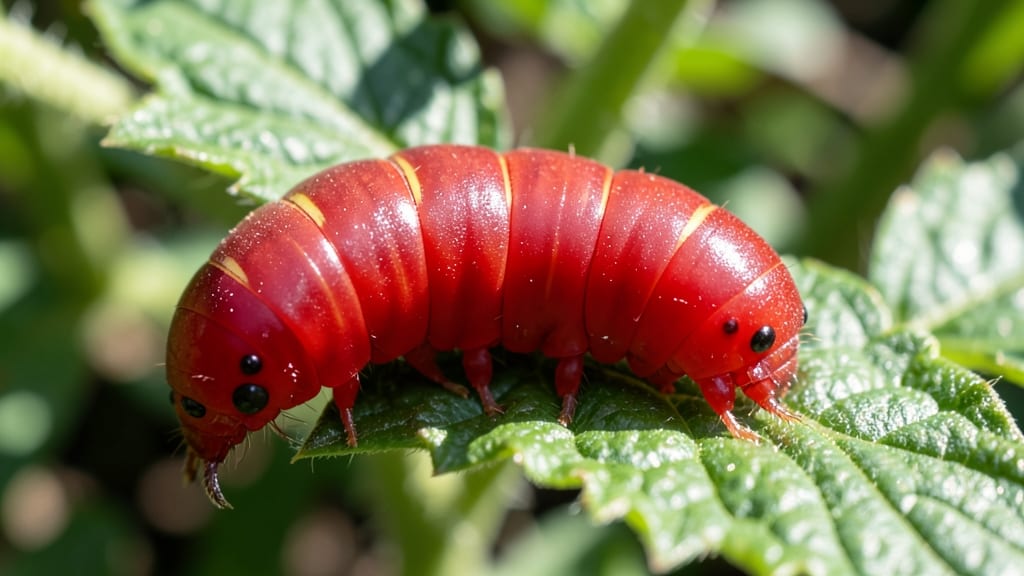
Those bright green red tomato worms devouring your tomato plants in minutes aren't just pests—they're nature's way of reminding you how fast things can change. 🌱 I've lost entire tomato plants to hornworms, but I've also learned how to spot them early, remove them without harming my plants, and even turn the situation into a teaching moment for my kids about garden ecosystems.
The key is acting fast—these worms can strip a plant bare overnight. I use a simple method that works in under 5 minutes: just grab them by the neck (they don't bite) and drop them into soapy water.
No chemicals, no fuss, and your plants keep growing strong. The real secret? Checking your plants twice a week during their peak season (late June through August).
What you'll end up with is a tomato plant that recovers quickly, new growth appearing within 3-5 days, and a garden that stays productive all season. The worms might return, but now you'll be ready—and your plants will bounce back faster than ever.
Plus, you'll attract beneficial predators like wasps and birds that help keep the population in check naturally.
This works for backyard gardens, container tomatoes, and even small urban plots. The only thing you'll need is a little patience and a sharp eye. Let's get those plants protected before the next wave arrives!
Hidden Invaders Behind Your Tomatoes
Those creepy red tomato worms aren’t just a random nuisance—they’re the result of specific conditions that turn your garden into their perfect buffet. Understanding why they appear is the first step to stopping them fast. Let’s break down the real culprits behind these destructive pests.
Tomato worms (larvae of the Manduca sexta moth) thrive where plants are packed too closely together. Here’s why:
- Limited airflow: Dense foliage traps moisture, creating a damp, humid microclimate that worms love. Poor airflow also stresses plants, making them more vulnerable to attacks.
- Easy hiding spots: Crowded vines provide endless nooks and crannies for worms to burrow into stems and leaves, undetected by predators like birds or parasitic wasps.
- Nutrient competition: Overcrowded tomatoes grow weaker, with thinner skins and softer stems—an all-you-can-eat buffet for hungry larvae.
Actionable fix: Space tomato plants 18–24 inches apart (or follow your region’s recommended spacing). Prune suckers and yellow leaves to improve airflow and sunlight penetration.
A stressed or unhealthy tomato plant is like a neon “EAT ME” sign for tomato worms. Here’s how poor plant health invites them:
- Weak defenses: Plants under stress (from drought, overwatering, or nutrient deficiencies) produce fewer natural repellents like alpha-tomatine, a compound that deters pests.
- Soft, tender growth: Over-fertilized plants (especially with high nitrogen) grow fast but develop weak, watery stems—perfect for worms to chew through.
- Damaged leaves: Wounds from hail, wind, or other pests create entry points for worms to infiltrate the plant.
Actionable fix:
- Water deeply but infrequently (1–1.5 inches per week) to avoid root stress.
- Avoid late-season nitrogen-heavy fertilizers; switch to a balanced 10-10-10 or potassium-rich formula to toughen stems.
- Mulch with straw or grass clippings to protect soil moisture and roots.
The red tomato worm starts as an egg laid by the Manduca sexta moth, and these moths are nocturnal night fliers. Their behavior directly impacts worm infestations:
- Moonlight attraction: Moths use the moon’s light to navigate, so plants near bright outdoor lights (or full moonlight) become hotspots for egg-laying.
- Warm nights: Temperatures above 75°F (24°C) trigger moths to emerge and seek out tomato plants. Eggs hatch in 2–4 days, giving worms a head start.
- Scent trails: Tomato plants release volatile organic compounds (VOCs) when stressed or damaged—moths follow these “smell signals” like a GPS.
Actionable fix:
- Use yellow bug lights (which moths avoid) instead of white or blue outdoor lights near your garden.
- Plant traps like basil, dill, or marigolds a few feet away from tomatoes to distract moths.
- Apply kaolin clay (a natural repellent) to tomato leaves to disrupt moths’ ability to locate plants.
Tomato worms would starve without their favorite snacks—but they’re also prey for birds, parasitic wasps, and beneficial insects. When these predators vanish, worms take over:
- Pesticide overuse: Broad-spectrum chemicals (like neonicotinoids or pyrethroids) kill both pests and their natural enemies, creating a vacuum that worms fill.
- Monoculture gardens: Planting only tomatoes (or other nightshades like peppers/eggplants) removes the diversity that supports predator populations.
- Urban/suburban barriers: Fewer birds or insects in cities means fewer checks on worm populations.
Actionable fix:
- Introduce beneficial nematodes (Steinernema carpocapsae) to soil—they target worm larvae without harming plants.
- Install birdhouses or bat boxes near your garden to encourage natural pest control.
- Plant companion plants like basil, nasturtiums, or alyssum to attract predatory wasps and ladybugs.
Pro Tip: 💡 Rotate crops annually—worms overwinter in soil, so planting tomatoes in the same spot year after year gives them a permanent foothold. Move them to a new bed every 3 years to break the cycle.
Quick Fixes for Garden Pests
Got an unwelcome infestation of tiny red invaders in your tomato plants? Don’t panic—these practical, plant-safe solutions will help you reclaim your garden in minutes.
Below, we’ve mapped out targeted fixes based on the most common causes of red tomato worms (or hornworms, their close relatives), along with prevention tips to keep your plants thriving long-term.
If you’ve spotted bright red or green caterpillars munching on your tomatoes, your first line of defense is hands-on action. These critters grow quickly, so early intervention is key!
How to Do It:
- 🕵️♂️ Scout Early & Often
- Check your plants every 2–3 days, especially in the morning or evening when worms are most active.
- Look under leaves, along stems, and inside blossoms—they hide well!
- 👨🍳 Grab & Drop (No Chemicals Needed)
- Wear gloves (optional but handy) and gently pluck worms off leaves.
- Drop them into soapy water (1 tbsp dish soap + 1 gallon water) to kill them instantly.
- Pro Tip: 💡 Use a small cup of soapy water in your pocket for quick disposal while gardening.
- 🌙 Nighttime Stakeout (For Heavy Infestations)
- Set up a bright flashlight near your plants at dusk—worms are slow-moving and easy to spot.
- Use tweezers or a spoon to scoop them up without damaging leaves.
Preventing future visits is easier than playing whack-a-mole. These low-effort barriers disrupt worm life cycles without harming your plants.
How to Set Them Up:
| Method | How to Apply | Why It Works |
|---|---|---|
| 🌿 Row Covers | Drape fine mesh netting over seedlings. | Blocks moths (worm parents) from laying eggs. |
| 🍅 Companion Planting | Plant basil, marigolds, or dill nearby. | Confuses pests with strong scents. |
| 🪲 Bird & Beneficial Insect Homes | Hang birdhouses or bee baths. | Attracts natural predators like parasitic wasps and ladybugs. |
| 🧴 Neem Oil Spray | Mix 1 tsp neem oil + 1 tsp mild soap + 1 quart water. Spray every 5–7 days. | Disrupts worm feeding and egg-laying. |
Pro Tip: ✨ Crush egg masses (tiny green clusters on undersides of leaves) to stop the next generation!
If worms keep returning despite manual removal, these sprays act as a deterrent without chemicals.
DIY Recipes:
- 🍋 Citrus Peel Spray
- Ingredients: 4 cups water, 2 tbsp citrus peels (orange/lemon), 1 tsp cayenne pepper.
- How to Use: Blend peels with water, strain, add cayenne, and spray directly on worms. The spicy scent repels them instantly.
- 🌿 Garlic & Chili Spray - Ingredients: 1 bulb garlic (crushed), 1 tbsp chili flakes, 1 quart water, 1 tsp soap. - How to Use: Steep garlic and chili in water for 24 hours, strain, add soap, and spray every 3–4 days.
Worms avoid the strong smell.
⚠️ Warning: Avoid spraying directly on flowers if bees are active—opt for early morning/evening applications.
The best defense? Stopping worms before they start. Here’s how to disrupt their life cycle for good:
- 🌱 Rotate Plantings: Avoid growing tomatoes, peppers, or eggplants in the same spot year after year—worms overwinter in soil.
- 🍂 Clean Up Debris: Remove fallen leaves and stems after harvest to eliminate hiding spots.
- 🐝 Support Predators: Plant alyssum or fennel to attract lacewings and predatory wasps, which eat tomato worms naturally.
- 🌿 Healthy Soil = Strong Plants: Use compost and mulch—vigorous plants recover faster from damage.
Final Reminder: 🎯 Act fast, stay consistent, and your tomato plants will bounce back stronger than ever! For persistent issues, combine manual removal + sprays + prevention for the best results.
Frequently asked questions
Are red tomato worms the same as hornworms?
Yes! Red tomato worms are actually the tomato hornworm (Manduca sexta) in their larval stage. The bright red or green caterpillars you see chewing your plants will eventually turn into large, striking hornworm moths. They're the same pest, just at different life stages.
Why do I keep finding them even after removing them?
These pests reproduce quickly—female moths can lay up to 2,000 eggs in just a few nights! Check undersides of leaves for tiny green egg clusters and crush them. Also, moths are drawn to stressed plants, so improve airflow and plant spacing to make your tomatoes less appealing.
Can I use soap spray to kill them safely?
Yes, but with caution. A 1 tablespoon dish soap + 1 quart water spray works well when applied directly to worms. However, avoid spraying flowers if bees are active—opt for early morning applications. For prevention, neem oil or garlic spray works better as a deterrent.
Will my tomato plants recover after an infestation?
Healthy tomato plants bounce back surprisingly fast. After removing worms, new growth often appears within 3-5 days. Focus on keeping plants well-watered (1-1.5 inches per week) and fertilized with balanced nutrients to help them recover quickly.
Are there any natural predators that eat tomato worms?
Yes! Birds, parasitic wasps, and predatory insects like lacewings naturally control hornworm populations. To attract them, plant companion flowers (basil, marigolds) and avoid broad-spectrum pesticides. Even ladybugs will help if you provide them with aphids to eat first.