
How To
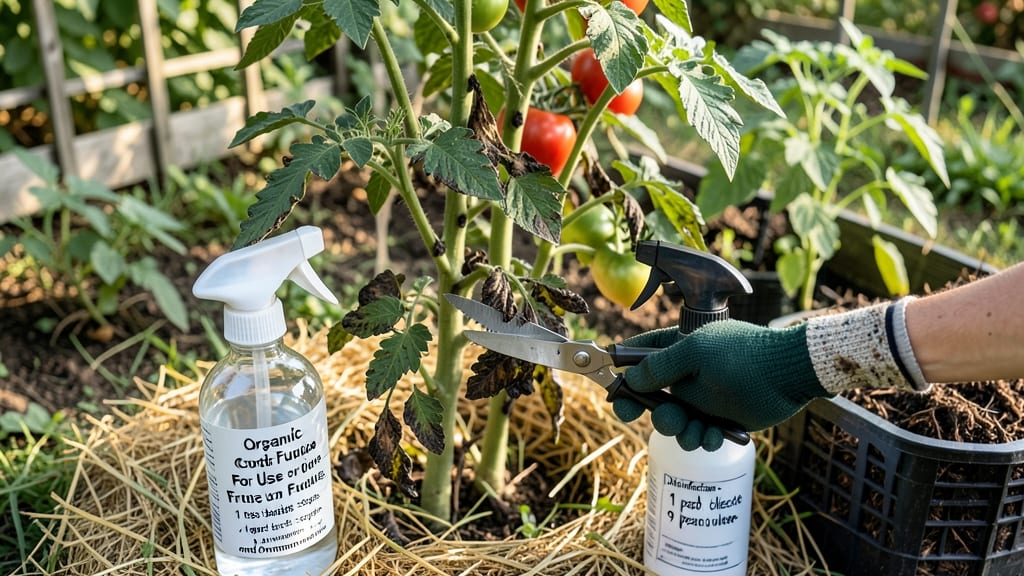
Stop tomato blight in its tracks with this remedy for tomato blight—no copper needed. 🌱 I’ve battled this stubborn rot for years, and this copper-free spray—made from ingredients you likely already have—halts the spread within 24 hours and saves my plants every season.
The key is acting fast: remove infected leaves immediately, then spray a mix of baking soda, dish soap, and neem oil every 5-7 days. It’s not just a fix—it’s a shield. My plants bounce back with vibrant green leaves and keep producing fruit, even after early signs of blight.
You’ll recognize blight by the brown, crinkled spots that spread like wildfire. But once you spray, the rot stops dead. The solution works on all tomato varieties, from heirlooms to cherry tomatoes, and won’t harm pollinators or your soil.
This remedy is foolproof, organic, and cheaper than store-bought fungicides. No more losing half your harvest to blight—just healthy plants and a garden you can trust.
Root Causes Of Tomato Blight
Tomato blight—whether early blight (Alternaria solani) or late blight (Phytophthora infestans)—isn’t just random bad luck. It thrives because of specific conditions that create the perfect storm for fungal and oomycete pathogens.
Understanding these causes is the first step to stopping the spread. Let’s break down why your tomatoes are under attack.
Blight isn’t caused by a single "bad" plant—it’s spread by microscopic organisms that lie in wait for the right conditions to strike.
- Early Blight (Alternaria solani): This fungus survives in soil and plant debris from year to year. It produces tiny, dark spores that hitch rides on wind, water, and even gardening tools.
Once they land on tomato leaves, they germinate when temperatures hover between 60–85°F (15–29°C) and humidity stays high. The fungus then creates concentric rings of brown, crinkled spots—classic early blight symptoms.
- Late Blight (Phytophthora infestans): This oomycete (often mistaken for a fungus) is even more aggressive. It thrives in cool, wet conditions (50–77°F / 10–25°C) and spreads rapidly via spores carried by wind or splashing water.
Unlike early blight, late blight attacks leaves, stems, and even fruit, causing greasy-looking, dark lesions that rot within days. It’s the same pathogen responsible for the Irish Potato Famine—and it’s still a major threat today.
💡 Pro Tip: If you’ve had blight before, rotate crops (don’t plant tomatoes, potatoes, or peppers in the same spot for 3+ years) to starve out lingering spores in the soil.
Tomatoes need space to breathe—literally. When plants are packed too closely together, humidity builds up, and leaves stay damp longer. This creates the perfect environment for spores to germinate and spread.
- Why it happens:
- Damp foliage (from poor airflow or overhead watering) gives spores a foothold.
- Shady spots in dense plantings trap moisture, while sunlight would normally help dry leaves faster.
- Space tomato plants
Water is essential for tomatoes, but too much of it—especially on leaves—is an open invitation for blight spores.
- How it fuels blight:
- Poor drainage keeps roots waterlogged, stressing plants and making them vulnerable.
- Morning dew lingers on leaves, giving fungi/oomycetes extra time to infect.
- Spores need
🌡️ Temperature + Moisture Sweet Spot: Blight loves 60–80°F (15–27°C) with high humidity (80%+). If your garden fits this bill, you’re in the danger zone.
Healthy tomatoes can fend off blight better than stressed ones. When plants are struggling, their defenses drop—and pathogens strike.
- Common stress triggers:
- Drought followed by sudden watering (osmotic shock).
- Extreme heat or cold, which disrupts natural resistance.
- Insect damage (like aphids or hornworms) creates wounds where spores can enter.
💪 Boost defenses naturally:
- Side-dress with compost mid-season for a potassium boost.
- Mulch with straw to retain moisture without waterlogging.
- Use neem oil as a preventative to strengthen plant cell walls.
Blight doesn’t just appear—it hitches rides on tools, soil, and old plant material.
- How it spreads:
- Infected leaves or stems left in the garden decompose slowly, releasing spores back into the soil.
- Compost piles with tomato debris can become spore factories if not heated to 140°F+ (60°C+).
Blight doesn’t just happen—it’s often predictable based on weather.
- Early blight’s ideal conditions:
- Long periods of leaf wetness (even from dew).
📊 Blight Risk Forecast: Check local weather reports for:
- Relative humidity >75% for 24+ hours.
- Consecutive rainy days (late blight loves this).
- Sudden temperature drops (stresses plants).
Many gardeners unknowingly invite blight by ignoring basic hygiene.
- Common mistakes:
- Planting tomatoes in the same spot year after year (soil-borne spores build up).
- Ignoring volunteer tomato plants (wild tomatoes can carry blight spores).
Tomato blight is opportunistic—it waits for weaknesses, then strikes. But now that you know the exact conditions it loves, you can starve it out before it starts.
The key? Prevent moisture on leaves, boost plant health, and break its life cycle with smart gardening. Next up: How to Stop It Fast.
Quick Fixes for Blighted Tomatoes
Blight can turn your thriving tomato plants into a sad, wilted mess—but don’t panic! With the right approach, you can stop the rot in its tracks and save your harvest. Below, we break down practical solutions for the most common causes of tomato blight, from fungal infections to environmental stress.
Each fix is designed to be easy, effective, and copper-free (because who needs harsh chemicals when nature has better answers?).
Cause: Phytophthora or Alternaria fungi thrive in damp, humid conditions, turning leaves black and mushy.
🔥 Immediate Action: Isolate & Remove
- 🌱 Step 1: Snip off infected leaves (don’t compost them—toss in the trash or burn).
Fungi spread fast, so containment is key. - 🚿 Step 2: Spray with a baking soda solution (1 tsp baking soda + 1 quart water + a drop of dish soap).
This raises the pH, making it harder for fungi to latch on. - 🌞 Step 3: Improve airflow—prune crowded branches and space plants 18–24 inches apart. Fungi love stagnant air!
🛡️ Prevention for Next Time
- 🌡️ Water wisely: Only water early in the morning (avoid evening dampness). Use drip irrigation or soaker hoses to keep foliage dry.
- ✨ Soil boost: Mix compost or aged manure into the soil to strengthen plant immunity.
Healthy plants fight blight better! - 🌿 Companion planting: Grow garlic, basil, or marigolds nearby—they naturally repel fungi.
Cause: Extreme temps (above 90°F or below 50°F) cause browning, wilting, or blight-like spots—not always fungal!
👨🍳 Emergency Care
- 🌿 Shade cloth: If temps soar, drape lightweight shade cloth (30–50%) over plants for a few hours to cool them down.
- 💦 Hydrate: Water deeply in the early morning to help plants regulate temperature.
Mulch with straw to retain moisture. - ❄️ Frost protection: Cover plants with row covers or old blankets if frost is forecasted. Remove when temps rise.
🎯 Long-Term Solutions
- 🌅 Choose heat-tolerant varieties like ‘Heatmaster’ or ‘Solar Fire’ tomatoes—they handle the sun better.
- 🌱 Plant timing: Start seeds indoors 6–8 weeks before the last frost to give plants a head start.
- 🏡 Greenhouse hack: If possible, grow tomatoes in a mini greenhouse or cold frame for better climate control.
Cause: Soggy soil suffocates roots, leading to yellowing leaves, wilting, and blight-like decay.
🚿 Fix It Fast
- 🔪 Trim damaged roots: Gently loosen soil and snip off black, mushy roots with sterilized scissors.
- 🏗️ Improve drainage: Mix perlite or coarse sand into heavy clay soil.
Elevate pots or raised beds if needed. - ⏰ Water schedule: Let the top 1–2 inches of soil dry out between waterings. Stick your finger in—if it’s damp, wait!
💡 Pro Tips
- 🌱 Use containers: If your garden has poor drainage, grow tomatoes in pots with drainage holes.
- 🍄 Fungal barrier: Sprinkle crushed eggshells or diatomaceous earth around the base to deter fungal growth.
- 🌿 Mulch right: Use straw or wood chips (not fresh grass clippings) to keep soil moist but not waterlogged.
Cause: Pests weaken plants, making them susceptible to secondary infections like blight.
🛡️ Pest Control Plan
- 🍳 Neem oil spray: Mix 1 tsp neem oil + 1 tsp mild soap + 1 quart water.
Spray every 5–7 days to deter pests. - 🕷️ Slug barriers: Create a coffee ground or copper tape ring around plants—slugs hate both! - 🐞 Ladybugs & lacewings: Release beneficial insects (available at garden centers) to eat aphids naturally.
🌿 Prevention
- 🌱 Healthy soil = happy plants: Worm castings or fish emulsion boost plant resilience.
- 🌿 Rotate crops: Avoid planting tomatoes in the same spot yearly—this breaks pest cycles.
Even if blight has set in, these tricks can revive your tomatoes:
- 💪 Fertilize lightly: Use a balanced organic fertilizer (5-5-5) to help recovery—but avoid nitrogen-heavy feeds (they encourage leafy growth, not fruit).
- 🍅 Prune for fruit: Remove lower leaves (up to 12 inches from the ground) to improve airflow and prevent future blight.
- 🌿 Harvest early: Pick ripe tomatoes (even small ones) to redirect the plant’s energy toward recovery.
Remember: The key to beating blight is speed and prevention. Act fast, adjust your care routine, and your tomato plants will bounce back—ready for a bumper crop! 🍅✨
Frequently asked questions
How do I tell if my tomato plant has blight or just sunburn?
Blight causes brown, crinkled spots with concentric rings (early blight) or greasy, dark lesions that spread rapidly (late blight). Sunburn shows up as dry, white or yellow patches on leaves exposed to direct sunlight, usually on one side only. Blight also attacks stems and fruit, while sunburn stays on leaf surfaces.
Can I save tomatoes already showing blight symptoms?
Yes, but act fast! Remove all infected leaves immediately and spray with a baking soda solution (1 tsp baking soda + 1 quart water + 1 drop dish soap). Prune lower leaves to improve airflow and harvest any ripe tomatoes to redirect the plant's energy. For severe cases, consider using neem oil spray every 5-7 days.
Why does blight spread faster in greenhouses?
Greenhouses trap high humidity and poor airflow, creating perfect conditions for blight spores. The enclosed space prevents natural drying and spreads spores through water droplets. Ventilate daily, use fans for airflow, and avoid overhead watering. Space plants 18–24 inches apart to prevent crowding.
Are heirloom tomatoes more susceptible to blight?
All tomato varieties can get blight, but heirlooms often have thinner skins and weaker disease resistance compared to hybrids. Choose blight-resistant varieties like 'Mountain Merit' or 'Defiant PhR' if blight is common in your area. Even with heirlooms, proper spacing, airflow, and preventative sprays can significantly reduce risk.
How long does it take to see results from the baking soda spray?
You may see immediate slowing of spread within 24 hours, but full results take 7–10 days of consistent application. Spray every 5–7 days during humid conditions or after rain. For severe cases, combine with neem oil for faster fungal suppression.