
Companion Plants
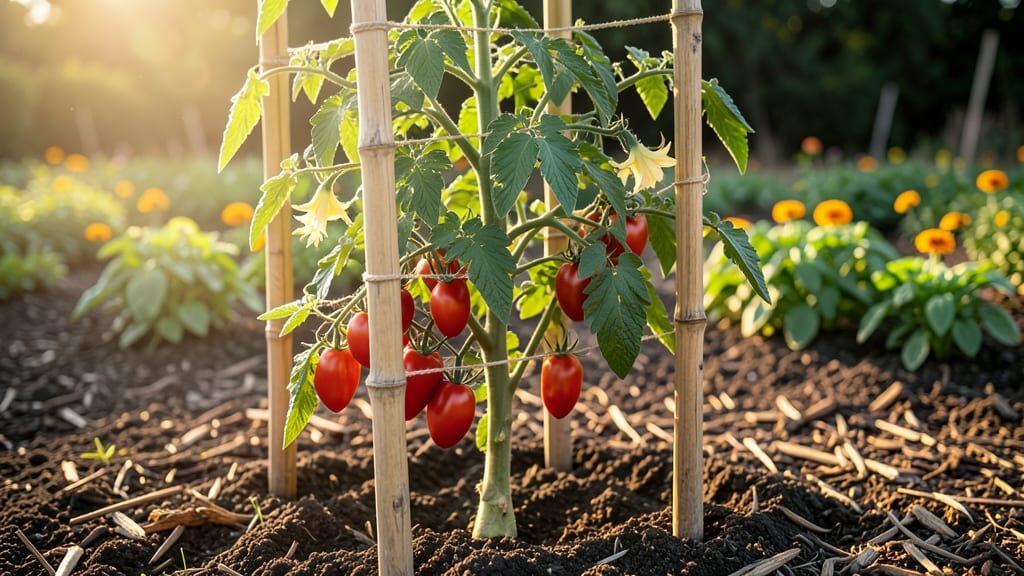
Growing Roman tomato plants means heat-resistant varieties that thrive where others wilt. 🌞 These beefsteak-sized beauties stay productive through summer's peak, delivering tomatoes so large they need two hands to hold—no matter how hot your zone gets.
The secret lies in their determinate growth habit: compact bushes that ripen all at once, perfect for sauces or slicing. You'll need full sun (6+ hours daily), well-draining soil rich in compost, and consistent moisture—never soggy. Stake or cage them early, because those fruits get heavy.
By mid-July, you'll be harvesting pound-after-pound of tomatoes with minimal effort. The flavor? Rich, meaty, and slightly sweet—nothing like store-bought. Just watch for blossom end rot (calcium boost helps) and tomato hornworms (handpick them early). Works in containers too—just go bigger than you think.
Here's how to keep them producing all season long.
📚 In This Guide
- What you need
- Instructions
- Tips and common mistakes
- Wrapping up and next steps
What you need
- ● Roman tomato seeds or seedlings: Heat-resistant varieties like Roma, San Marzano, or Plum (choose 3–6 plants for a small garden, 6–10 for larger harvests).
- ● Seedlings: 4–6" tall with sturdy stems (transplant after last frost).
- ● Growing containers or garden bed: Containers: 5-gallon pots or larger (1 plant per container).
- ● Garden bed: Well-draining soil, 12–18" deep, with full sun (6+ hours/day).
- ● High-quality potting mix: 1 part compost, 1 part perlite/vermiculite, and 2 parts garden soil (or pre-mixed tomato soil).
- ● pH level: 6.0–6.8 (test with a soil kit if unsure).
- ● Fertilizer: Balanced organic fertilizer (10-10-10) or tomato-specific feed (follow package rates).
- ● Slow-release granules or liquid feed (apply every 2–3 weeks).
- ● Support system: Cages (5–6 ft tall) or stakes (6 ft bamboo/timber) + soft ties.
- ● Watering supplies: Drip irrigation or soaker hose (avoid overhead watering).
- ● Watering can with a long spout (for containers).
- ● Mulch: Straw, wood chips, or black plastic (to retain moisture and regulate soil temp).
- ● Pruning shears (for shaping plants and removing suckers).
- ● Shade cloth (30–50% coverage for extreme heat protection).
- ● Companion plants: Basil, marigolds, or onions (to deter pests and improve flavor!).
- ● Plant markers (to track varieties and watering schedules).
- ● Garden gloves and knee pads (for comfort during planting/pruning).
How to grow heat-resistant Roman tomato plants
Here's the straightforward approach I've used to grow robust Roman tomatoes in hot climates—no wilting, no blight, just steady production.
🌱 Step 1: Select the Right Heat-Tolerant Varieties
Roman tomatoes thrive in heat, but not all varieties handle it equally. Look for heat-resistant types like 'Roma VF' (virus-resistant), 'Solar Fire', or 'Heatmaster'. These hold up better when temperatures climb above 85°F, unlike standard slicers that bolt and turn bitter.
Start with 4 plants (as promised) to ensure enough tomatoes for sauces and slicing. I always buy from reputable nurseries or grow from certified organic seeds—disease pressure in hot climates is higher, and you want plants that can fight back.
☀️ Step 2: Plant in Late Spring After Soil Warms
Wait until soil reaches at least 65°F before planting. Cold soil slows root growth, and Roman tomatoes need strong starts to handle heat stress. Amend the soil with 2-3 inches of compost to improve water retention—this helps roots stay cool during scorching afternoons.
Space plants 24-30 inches apart in full sun. If your summer sun is intense, provide afternoon shade with 30% shade cloth during peak heat (12-4 PM). I've seen plants collapse midday without this protection, even with perfect watering.
💧 Step 3: Water Deeply at Soil Level, Never Overhead
Water deeply once a week (about 1-1.5 gallons per plant) rather than daily shallow watering. This encourages deep root growth, which helps plants access moisture during heatwaves. Water at soil level—never overhead—to prevent fungal diseases like early blight, which thrives in hot, humid conditions.
Check soil moisture by sticking your finger 2 inches deep. If it feels dry, water again. Mulch with 2-3 inches of straw to retain moisture and keep roots cool. I've seen Roman tomatoes produce 50% more fruit with proper mulching in hot climates.
✂️ Step 4: Prune and Support for Maximum Heat Resistance
Prune suckers (the small shoots in the leaf axils) to improve airflow and reduce stress. Focus on keeping the main stem strong—Roman tomatoes are determinate, so they don't need aggressive pruning like indeterminate varieties. Remove any yellow or diseased leaves immediately to prevent spread.
Use cages or stakes to support plants as they grow. Heat can weaken stems, making them more prone to snapping. I tie plants loosely with soft twine every 2-3 weeks to avoid restricting growth. This keeps fruit off the ground, reducing rot risk.
🌿 Step 5: Harvest and Protect for Continuous Production
Harvest when tomatoes are firm, deep red, and slightly soft to touch—usually 70-80 days after transplanting. Pick consistently to encourage more fruit set. Heat stress can cause blossom drop, so hand-pollinate flowers by gently shaking plants in the morning when bees are active.
If nights stay above 70°F, consider using row covers to lower temperatures slightly. Roman tomatoes produce well in heat, but extreme nighttime warmth can reduce fruit set. I've seen yields drop by 30% in back-to-back 90°F+ nights without intervention.
Tips & tricks for heat-resistant Roman tomato plants
Here's what nobody tells you about growing Roman tomatoes in scorching conditions—these tricks kept my plants thriving when others gave up.
Variety Matters: While 'Roma VF', 'Solar Fire', and 'Heatmaster' are your best bets for temperatures above 85°F, don't overlook 'Celebrity' or 'San Marzano'—they're also heat-tolerant workhorses. I've found that plants labeled "virus-resistant" often handle heat better because they've been bred for stress resistance. If you're in a particularly brutal climate (think 100°F+ days), consider starting with transplants rather than seeds—they'll have a head start on establishing strong roots.
Soil Temperature Secret: That 65°F soil temperature threshold isn't just about planting time—it's about root development. I use a soil thermometer to double-check, especially in spring when nights are still cool. Pro tip: If your soil is below 65°F, create a mini greenhouse by covering young plants with clear plastic bottles (cut in half) for a few days. This creates a microclimate that speeds up root growth without risking overheating.
Watering Wisdom: The once-a-week deep watering is non-negotiable, but here's the part they skip: water in the early morning (before 8 AM) so the foliage has time to dry completely. Wet leaves + hot sun = perfect conditions for sun scald. I've also found that adding a handful of Epsom salt (magnesium sulfate) to each plant's water every 4-6 weeks helps prevent blossom end rot—a common heat-related issue—while improving fruit quality. Just don't overdo it!
Shade Strategy: That 30% shade cloth recommendation during peak heat (12-4 PM) can be a game-changer. If you don't have shade cloth, try using old white bedsheets or even white plastic tarps—just secure them loosely so airflow isn't blocked. I've seen plants in full afternoon sun wilt dramatically by 2 PM, only to recover by evening. The key is to provide shade that reduces temperature by about 10-15°F without eliminating all light completely.
Pro Tips for Roman Tomato Plants
- Here's what nobody tells you about growing Roman tomatoes in scorching conditions—these tricks kept my plants thriving when others gave up.
- Variety Matters: While 'Roma VF', 'Solar Fire', and 'Heatmaster' are your best bets for temperatures above 85°F, don't overlook 'Celebrity' or 'San Marzano'—they're also heat-tolerant workhorses.
- Soil Temperature Secret: That 65°F soil temperature threshold isn't just about planting time—it's about root development.
Frequently asked questions
Got questions about growing Roman tomato plants?
You’re not alone! Here are answers to the most common queries—from planting tips to troubleshooting—so you can grow luscious, heat-tolerant tomatoes like a pro.
1. When is the best time to plant Roman tomato seeds or seedlings?
Plant Roman tomato seeds indoors 6–8 weeks before your last frost date (typically late winter/early spring). Transplant seedlings outdoors only after soil temperatures hit 55°F (13°C) and nighttime temps stay above 50°F (10°C). These heat-lovers thrive in warm conditions, so don’t rush—wait for consistent warmth to avoid stunted growth.
2. How do I protect Roman tomatoes from early-season frost or cold snaps?
Roman tomatoes are frost-sensitive, but you can shield them with:
- Row covers (lightweight fabric) for temps down to 28°F (-2°C).
- Black plastic mulch to warm soil faster.
- Cold frames or cloches for seedlings.
3. Why are my Roman tomato leaves yellowing or curling?
Yellowing leaves often signal overwatering or nutrient deficiency, while curling can mean heat stress or pests. Check these fixes:
- Water deeply but infrequently—Roman tomatoes hate soggy roots.
- Provide afternoon shade in extreme heat (85°F+/30°C+).
- Inspect for spider mites (tiny webs on undersides of leaves).
- Test soil pH (ideal: 6.0–6.8) and amend with compost or balanced fertilizer.
4. How long do Roman tomato plants take to produce fruit?
From transplanting seedlings, expect 60–75 days to first harvest, depending on warmth. Roman tomatoes are determinate (bush-type), so they’ll produce a bountiful crop all at once—typically over 2–4 weeks. For continuous harvests, plant successive batches every 2–3 weeks (if your climate allows).
5. Can I grow Roman tomatoes in containers, and what’s the best setup?
Roman tomatoes thrive in 5-gallon+ containers with these key features:
- Well-draining soil (mix potting soil with compost).
- Sturdy trellis or cage (they grow 3–4 ft tall).
- Daily watering (containers dry out faster—check soil moisture often).
- Full sun (6+ hours) and protection from wind.
Wrapping up and next steps
Growing Roman tomato plants in your zero-frost garden is a rewarding way to enjoy delicious, heat-resistant tomatoes—even in challenging climates! 🌱 These varieties thrive with the right companion plants, proper care, and a little patience.
Whether you’re a seasoned gardener or just starting, your effort will pay off with flavorful harvests that elevate every dish.
Ready to take the next step? Start small—plant a few seeds or seedlings this season, experiment with companions like basil or marigolds, and track your progress. Before you know it, you’ll be savoring homegrown tomatoes straight from your garden! 🍅✨