
Watering
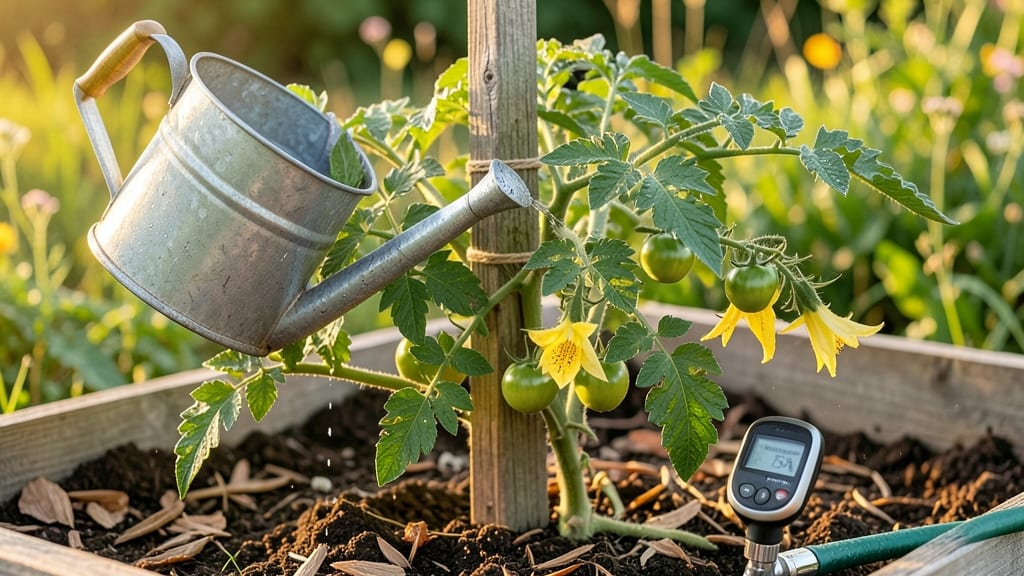
Should you water tomato plants every day? The answer might surprise you—overwatering is a silent killer that most gardeners don’t see coming until it’s too late.
Overwatering tomato plants is one of the fastest ways to kill your harvest—yet many gardeners struggle to find the perfect watering balance between thirsty roots and soggy soil. Too much water drowns roots, while too little stresses plants, and both lead to the same problem: fewer tomatoes.
Here’s the truth: your tomatoes need deep, infrequent watering—not daily sips. I’ll break down the exact schedule for your climate, how to check soil moisture without guessing, and the sneaky signs your plants are begging for help (or drowning).
By the end, you’ll know not just how often to water, but when to adjust for heatwaves, mulch, or even drought. No more wasted water or blighted leaves—just a thriving plant that rewards you with bushels of fruit.


How often should you water tomato plants to avoid overwatering?
Watering tomato plants daily might seem like a safe bet, but it’s actually one of the most common mistakes gardeners make. Tomatoes need consistent moisture, but their roots require oxygen-rich soil—too much water suffocates them.
The key is deep, infrequent watering that encourages strong root growth while preventing disease.
Most gardeners follow the 1-inch-per-week rule as a starting point. This means applying about 1 inch of water per week, either from rainfall or irrigation. However, this guideline changes with weather conditions, soil type, and the plant’s growth stage.
For example, sandy soil drains faster than clay, so you’ll need to water more frequently in the former.
| Factor | Watering Frequency | Key Considerations |
|---|---|---|
| Growth Stage | Seedlings: Daily Flowering: Every 2-3 days Fruiting: Every 1-2 days |
Young plants need frequent shallow watering; mature plants prefer deep soaks. |
| Soil Type | Sandy: Daily Loamy: Every 2-3 days Clay: Every 3-4 days |
Sandy soil drains quickly; clay holds moisture too long. |
| Weather | Hot/Dry: Every 1-2 days Cool/Mild: Every 3-4 days Rainy: Reduce by 50% |
Adjust based on temperature and humidity—not just calendar days. |
| Container vs. Ground | Containers: Every 1-2 days Ground: Every 2-3 days |
Potted tomatoes dry out faster due to limited soil volume. |
| Time of Day | Morning (6-10 AM) | Watering in the morning reduces fungal diseases like blight. |
To avoid overwatering, always check soil moisture before watering. Stick your finger 2 inches deep into the soil—if it feels dry, it’s time to water. If it’s still damp, wait another day.
Overwatering signs include yellowing leaves, mushy stems, or white mold on the soil surface, all of which indicate root rot.
Another pro tip: Use drip irrigation or soaker hoses to deliver water directly to the root zone. This method keeps leaves dry, reducing the risk of blight and powdery mildew. If you’re using a sprinkler, water early in the morning so foliage has time to dry before nightfall.
Seasonal adjustments are crucial. During summer heatwaves, you may need to water every 1-2 days, while spring and fall typically require watering every 3-4 days. In winter, reduce watering to once every 2 weeks unless you’re in a frost-free zone.
Mulching is a game-changer for tomato watering. Apply a 3-inch layer of mulch (straw or shredded leaves work well) around the base of your plants. This helps retain moisture, regulate soil temperature, and suppress weeds, reducing the need for frequent watering.
If you’re still unsure, observe your plants closely. Healthy tomato plants have deep green leaves, strong stems, and consistent fruit set. If you notice wilting despite moist soil or leaves curling inward, it could signal underwatering or overwatering. Adjust your schedule accordingly.
Remember, tomatoes are thirsty plants, but they’re also resilient when given the right care. By following the 1-inch-per-week rule, monitoring soil moisture, and adapting to weather changes, you’ll avoid the pitfalls of overwatering and enjoy a bountiful harvest. 🌱
Signs of overwatering tomato plants and how to fix them
Tomato plants need consistent moisture, but too much water can drown their roots and invite disease. When your plants look stressed, it’s often a sign of overwatering rather than underwatering. The key is learning to spot the visual cues early before damage becomes permanent.
One of the first signs is yellowing leaves, especially on older foliage. Unlike nutrient deficiencies, overwatered leaves stay soft and limp rather than crisp. You might also notice mushy stems at the base, a clear indicator of root rot caused by soggy soil.
🚨 CALLOUT WARNING 🚨
Watering tomato plants every day is a common mistake that leads to:
- Root rot from oxygen-deprived soil
- Blossom end rot due to calcium uptake issues
- Fungal diseases like early blight or powdery mildew
Fix it:
Stop watering immediately and let soil dry 2-3 inches deep before resuming. Use well-draining soil and containers with drainage holes.
Another red flag is blossom end rot, where the bottom of tomatoes turns brown and mushy. While calcium deficiency often gets blamed, inconsistent moisture—especially overwatering—disrupts nutrient absorption. If you see this, adjust your watering routine and consider adding calcium-rich compost.
Check for fungal growth like white or gray mold on leaves or stems. Overwatering creates the perfect damp environment for pathogens to thrive. Prune affected areas immediately and space plants to improve air circulation. In severe cases, use a copper fungicide as a last resort.
To fix overwatered tomato plants, start by reducing frequency and watering only when the top 1-2 inches of soil feel dry. Improve drainage by amending soil with perlite or sand, and avoid watering at night to prevent fungal spores from spreading overnight.
With these adjustments, your tomato plants should recover within 1-2 weeks. Monitor their progress closely, and soon you’ll be enjoying a bountiful harvest instead of struggling with soggy soil. Prevention is key—always prioritize deep, infrequent watering over daily light sprinkles. 🌱