
Pests
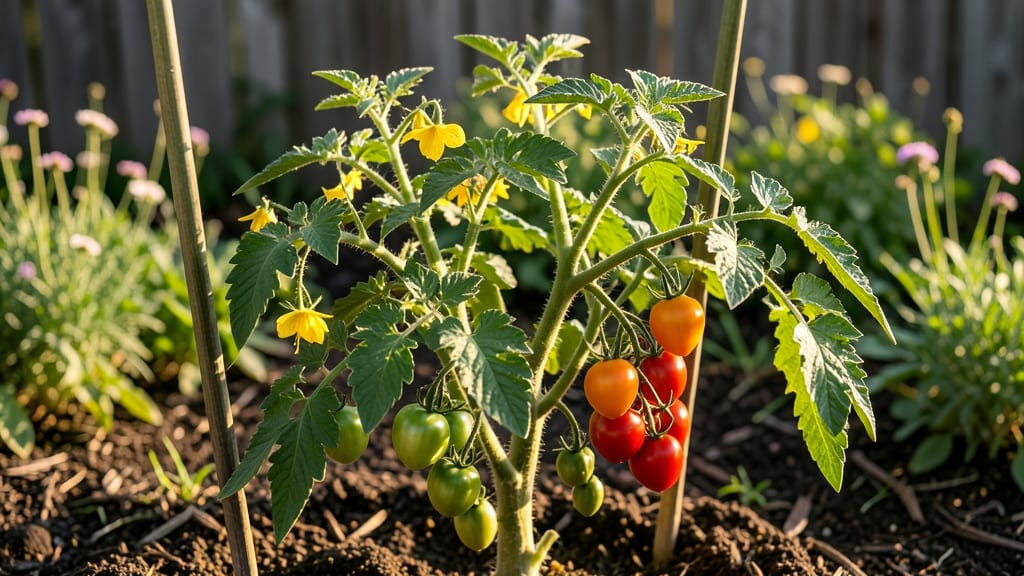
Spotting sight in a tomato patch before it spreads saves your harvest—and your sanity. 🌱 I’ve watched blight creep across plants in just 48 hours, and the key to stopping it is catching those first strange marks: yellowing leaves, weird spots, or chewed vines.
Most gardeners ignore early signs until half their plants are struggling, but acting fast means you’ll still get tomatoes to can or eat fresh.
The most common culprits are pests like hornworms (those skeletonized leaves) and diseases such as early blight (brown spots with concentric rings). Physical issues—like cracked fruit from uneven watering or stunted growth from poor soil—often look different but are just as fixable.
The trick is knowing what to look for: aphids cluster on new growth, while blight starts on lower leaves. Once you spot the problem, you’ve already won half the battle.
With the right organic fixes—neem oil for pests, copper spray for blight, or mulch to prevent soil-borne diseases—you’ll turn those early warnings into a full harvest. I’ve saved entire tomato patches using these methods, and the best part?
No harsh chemicals mean your tomatoes stay safe to eat straight from the vine. Here’s how to identify and tackle each issue before it takes over.
Whether you’re dealing with a backyard garden, containers, or raised beds, these solutions work in any setup. The sooner you act, the more tomatoes you’ll enjoy—no more watching your hard work disappear overnight. Let’s get your patch back on track.
Root Causes Of Unexplained Sightings
When you spot mysterious movement in your tomato patch—whether it’s tiny scuttling creatures, sudden rustling, or even fleeting shadows—there’s usually a scientific reason behind it. Understanding these causes helps you address the issue before it harms your crop.
Below, we break down the most common culprits, from beneficial visitors to hidden pests, and explain why they’re drawn to your tomatoes in the first place.
Not all sightings are bad news! Many insects in your tomato patch are actually helping your plants by controlling pests. Here’s why they’re there:
- 🐝 Pollinators (Bees, Butterflies, Hummingbirds)
- Why they visit: Tomatoes rely on pollination for fruit set, and these insects are attracted to the plant’s fragrant flowers. Bees, in particular, are drawn to the Solanum lycopersicum scent, which mimics nectar-rich blooms.
- Actionable tip: If you see bees buzzing but no fruit forming, hand-pollinate flowers with a soft brush or gently shake the plant to boost pollination.
- 🐞 Predatory Bugs (Ladybugs, Lacewings, Praying Mantises)
- Why they visit: These insects are hunting aphids, spider mites, and other tomato pests. They’re often spotted near the undersides of leaves, where prey hides.
- Pro tip: Avoid pesticides—even organic ones—that can harm these allies. Instead, plant dill, fennel, or marigolds nearby to attract more predators.
- 🦋 Dragonflies & Spiders
- Why they visit: Dragonflies snack on flying pests like whiteflies, while spiders (especially Oxyopes salticus) ambush tomato hornworms. Their presence is a sign of a healthy ecosystem.
- Fun fact: Some spiders, like the Jumping Spider, are diurnal (active during the day), which is why you might spot them “sight unseen” darting around your plants.
If the sightings are frequent, destructive, or leave damage (chewed leaves, wilting, or holes), you’re likely dealing with pests. Here’s why they’re targeting your tomatoes:
- 🐛 Cutworms & Grubs (Soil-Dwelling Menaces)
- Why they’re there: These caterpillars and grubs feed on tomato roots and stems, often hiding underneath the soil during the day. You might spot them after dark or see sudden wilting plants with clean-cut stems.
- Scientific trigger: Cutworms are attracted to moist, organic-rich soil and are most active in cool, humid nights (60–70°F). Mulching with straw can disrupt their movement.
- 🦋 Tomato Hornworms (The Stealthy Stalkers)
- Why they’re there: These 5-inch green caterpillars (with white diagonal stripes) can devour a tomato plant in 24 hours. They’re often well-camouflaged against leaves, making them hard to spot until it’s too late.
- Key clue: Look for frass (black droppings) on leaves or missing flower buds. Hornworms are also drawn to night-blooming flowers like petunias nearby.
- 🕷️ Spider Mites (The Tiny Terror)
- Why they’re there: These microscopic arachnids (0.5mm wide) thrive in hot, dry conditions and spin fine webbing on leaf undersides. You might see speckled leaves or stippling before spotting the mites themselves.
- Environmental trigger: Drought stress in tomatoes weakens plant defenses, making them more susceptible. Keep soil consistently moist to deter them.
- 🐭 Rodents & Raccoons (The Nighttime Raiders)
- Why they’re there: If you see uneven holes in tomatoes or missing fruit, larger animals like raccoons, opossums, or even squirrels may be raiding your patch. They’re drawn to ripe, soft tomatoes and are most active at dusk and dawn.
- Prevention tactic: Use row covers or floating mulch (like straw) to block access. Remove fallen fruit immediately—it’s a magnet for scavengers.
Sometimes, the “sightings” aren’t pests at all—but rather natural behaviors triggered by your garden’s conditions. Here’s how your tomatoes might be attracting unwanted attention:
| Trigger | Why It Happens | Fix It |
|---|---|---|
| 💦 Overwatering | Soggy soil attracts fungus gnats and slugs, which thrive in moisture. You might see tiny black flies hovering or silver slime trails at dawn. | Water deeply but infrequently (1–1.5 inches per week). Use drip irrigation to keep foliage dry. |
| 🌞 Too Much Sun | Stressed tomatoes emit volatile compounds that attract pests like whiteflies. Look for yellowing leaves or leaf curl. | Provide afternoon shade with shade cloth (30–50%) if temps exceed 90°F. |
| 🍄 Poor Airflow | Dense foliage traps humidity, creating ideal conditions for early blight and aphids. You might spot black fungal spots or sticky residue (honeydew). | Prune plants to open the canopy and space tomatoes 18–24 inches apart. |
| 🌿 Weeds & Debris | Weeds harbor alternative hosts for pests (e.g., aphids on nearby dandelions) and provide hiding spots for insects. | Mulch with straw or grass clippings to smother weeds and keep the area clean. |
💡 Pro Tip: Keep a garden journal to track sightings—note the time of day, weather, and plant behavior. Patterns (like more activity after rain) can reveal the root cause faster than guesswork!
Quick Fixes for Tomato Patch Troubles
Now that you’ve identified the culprit behind your tomato patch’s decline, it’s time to act! Whether it’s hornworms munching leaves, aphids sucking sap, or blossom-end rot ruining your harvest, these organic, practical solutions will help you reclaim your garden—fast.
Below, we’ve mapped out cause-specific fixes, plus prevention tips to keep your tomatoes thriving.
🔥 Hornworms & Caterpillars: The Leaf-Eating Menace
Fix: - Handpick & Drown 👨🍳: Check leaves daily (especially in the morning).
Pluck off green caterpillars and drop them into soapy water. - Neem Oil Spray 🌿: Mix 1 tbsp neem oil + 1 tsp mild soap in 1 quart of water. Spray foliage at dusk to disrupt their life cycle. - Bacillus thuringiensis (Bt) 💊: A natural bacteria that targets caterpillars.
Spritz on leaves every 7–10 days.
Prevention:
- Plant Basil 🌱: This herb repels hornworms and attracts beneficial wasps.
- Row Covers 🛡️: Use lightweight fabric to block egg-laying moths early in the season.
🐜 Aphids & Spider Mites: The Sap-Sucking Swarm
Fix:
- Blast with Water 💦: A strong hose spray (early morning) knocks them off plants.
- Insecticidal Soap 🧼: Spray a homemade mix (1 tsp castile soap + 1 quart water) directly on pests.
- Ladybugs & Lacewings 🐞: Release beneficial insects or plant dill/fennel to attract them naturally.
Prevention:
- Diatomaceous Earth 🏺: Sprinkle food-grade DE around the base of plants (reapply after rain).
- Reflective Mulch 🌈: Use silver plastic mulch to confuse and deter aphids.
🍅 Blossom-End Rot: The Calcium Crisis
Fix: - Epsom Salt Soak 💧: Mix 1 tbsp Epsom salt (magnesium sulfate) per gallon of water.
Water plants at the base weekly. - Crushed Eggshells 🥚: Bury 2–3 tbsp of finely crushed eggshells near roots to boost calcium. - Calcium Supplement 💊: Use a liquid calcium nitrate fertilizer (follow package rates).
Prevention:
- Consistent Watering 💦: Keep soil evenly moist—never let it dry out completely.
- Mulch Heavily 🌿: Retain moisture and stabilize soil pH with straw or grass clippings.
🍄 Fungal Diseases: Mold & Mildew
Fix: - Baking Soda Spray 🧂: Mix 1 tsp baking soda + 1 tsp oil + 1 quart water.
Spray undersides of leaves. - Copper Fungicide 🛡️: Apply a natural copper-based spray (like Bonide Copper Fungicide) every 10–14 days. - Prune & Airflow ⛩️: Remove infected leaves and space plants for better circulation.
Prevention:
- Avoid Overhead Watering 💦: Water at the base in the morning to keep foliage dry.
- Crop Rotation 🌱: Don’t plant tomatoes in the same spot year after year.
| Problem | Quick Fix | Prevention |
|---|---|---|
| Wilting Plants | Check roots for rot; water deeply. | Improve drainage with compost. |
| Yellow Leaves | Test soil pH; add nitrogen if needed. | Rotate crops; avoid over-fertilizing. |
| Stunted Growth | Transplant if overcrowded; add compost. | Thin seedlings early. |
💡 Pro Tip: Always rotate your fixes to avoid pest resistance. For example, alternate neem oil with insecticidal soap weekly.
✨ Bonus: Keep a garden journal to track what works—and what doesn’t! Note weather patterns, spray schedules, and pest appearances for next season’s success.
Frequently asked questions
What are the most common signs of pests I should watch for in my tomato plants?
Look for chewed leaves (hornworms), sticky residue (aphids), or speckled yellowing (spider mites). Early signs include frass (black droppings) on leaves or silver slime trails (slugs) at dawn. Check undersides of leaves daily—pests often hide there!
How do I tell if my tomato plant has a disease versus pest damage?
Diseases like blight show brown spots with concentric rings or powdery white mold, while pests leave irregular holes or skeletonized leaves. Fungal issues often start on lower leaves, while pests target new growth. Tap leaves—healthy ones sound crisp!
Can I use homemade sprays to treat tomato patch problems?
Yes! Mix 1 tbsp neem oil + 1 tsp mild soap in 1 quart water for pests, or 1 tsp baking soda + 1 quart water for fungal diseases. Test sprays on a small leaf first. Reapply every 7–10 days for best results, and spray in the early morning or evening.
Why do I see more activity in my tomato patch at night?
Many pests—like cutworms, slugs, and raccoons—are nocturnal. They avoid daytime heat and predators. Use a flashlight after dark to spot them, or set up beer traps (for slugs) or row covers to block access.
What’s the fastest way to save a tomato plant with blight?
Prune all infected leaves immediately and spray with copper fungicide or a baking soda mix. Remove mulch temporarily to improve airflow, and water at the base (not overhead). For severe cases, consider replacing the plant to stop the spread.