
Vegetables
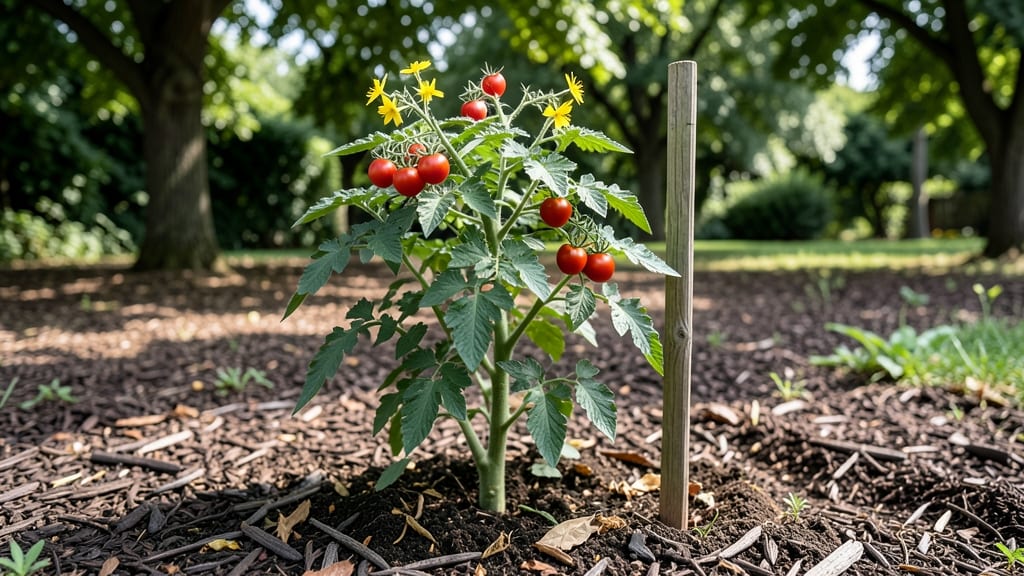
Choosing between determinate and indeterminate Sunsugar tomatoes feels like picking between a tidy bush and a sprawling vine—both deliver, but in completely different ways. 🌱 Determinate varieties stay compact, perfect for containers or small spaces, while indeterminate types climb and produce fruit all season long.
My first year growing Sunsugar, I planted both and learned which thrives where—and how to maximize yields in either case.
Determinate Sunsugar tomatoes grow as neat bushes (3-4 feet tall) and produce fruit all at once, making them ideal for canning or fresh eating in one big harvest. Indeterminate types, though, stretch (6-8 feet) and keep bearing fruit until frost, perfect for gardeners who love a steady supply.
The trade-off? Determinates need less pruning, while indeterminates require sturdy trellises to support their weight and encourage upward growth.
You’ll harvest determinate Sunsugar in 2-3 weeks of ripening all at once, while indeterminates give you fruit for 2-3 months—but with smaller yields per plant. Flavor? Both are sweet and tangy, but indeterminates develop richer notes as the season progresses.
The key is matching your growing space and goals: containers for determinates, trellises for indeterminates.
Here’s the secret: if you love variety, try both! Plant determinates in pots on your patio and indeterminates along a fence. Either way, you’ll end up with enough tomatoes to share—and maybe even a little friendly competition with neighbors over who grew the best. Ready to pick your perfect match?
📚 In This Guide
- What you need
- Instructions
- Tips and common mistakes
- Wrapping up and next steps
What you need
- ● Sunsugar tomato seeds or seedlings: Choose determinate (bush-type, ~3-4 ft tall, compact) or indeterminate (vining, 6+ ft tall, continuous harvest).
- ● Quantity: 2–4 plants (or 10–20 seeds if starting from scratch).
- ● Growing containers or garden bed: Containers: 5-gallon pots or larger (indeterminate needs deeper pots, 12+ inches).
- ● Garden bed: Well-draining soil, 12–18 inches deep (add compost for nutrients).
- ● High-quality potting mix: 1–2 bags (sterilized, with perlite or vermiculite for drainage).
- ● Tomato cages or stakes: Determinate: 3–4 ft tall cages (or small stakes).
- ● Indeterminate: 6+ ft tall cages or sturdy bamboo stakes + twine.
- ● Fertilizer: Balanced organic fertilizer (e.g., 5-5-5) or tomato-specific feed.
- ● Mulch: Straw or shredded leaves (2–3 inches thick to retain moisture).
- ● Watering can or hose with nozzle: Fine mist setting for seedlings.
- ● Pruning shears: For indeterminate varieties (to shape vines and remove suckers).
- ● Grow lights (for indoor starts or early seedlings).
- ● Drip irrigation kit (for consistent watering).
- ● Row covers (to protect from pests or early frost).
- ● Epsom salt (magnesium boost for blossom-end rot prevention).
- ● Compost tea (for a nutrient-rich soil boost).
Step-by-step guide to maximizing your Sunsugar tomato harvest
Determinate or indeterminate? The choice shapes your entire growing strategy—and your harvest. Here’s how to pick the right type and set up for success.
🌱 Step 1: Choose Between Determinate and Indeterminate Sunsugar Varieties
Determinate Sunsugar tomatoes grow to a fixed height—typically 3-4 feet—and produce fruit all at once over 2-3 weeks. This makes them perfect for canning or selling in bulk. They thrive in containers and need strong staking to support their heavy clusters. Look for labels like "bush" or "compact" if space is limited.
Indeterminate varieties grow 6-8 feet tall (or taller!) and produce fruit continuously all season. You’ll get a steady supply for fresh eating, but they need trellising and regular pruning to channel energy into fruit. Choose indeterminate if you want a longer harvest window or vertical gardening space.
☀️ Step 2: Position for Optimal Light and Airflow
Both types demand full sun (8+ hours daily)—no compromises. Place determinate plants in south-facing beds where they’ll get consistent warmth. Indeterminate varieties need even more sun; if your garden gets afternoon shade, supplement with a reflective surface (like white mulch) to bounce light onto leaves.
Space determinate plants 24 inches apart in rows 3 feet apart to prevent disease spread. Indeterminate types need 36 inches between plants and 4 feet between rows—their sprawling vines demand room. Poor airflow leads to fungal issues like early blight, so don’t crowd them.
🪴 Step 3: Support and Prune for Maximum Productivity
Determinate Sunsugars need strong cages (5-6 feet tall) or heavy-duty stakes—their fruit clusters can weigh down stems. Install supports at planting to avoid root disturbance later. Prune only to remove suckers (shoots between main stem and branches) and yellowing leaves at the base.
Indeterminate varieties require trellises or tomato towers to guide their growth upward. Prune aggressively: remove suckers weekly, pinch off side shoots below the first flower cluster, and trim lower leaves to improve airflow. This redirecting ensures energy goes to fruit production, not leafy growth.
💧 Step 4: Water and Feed for Consistent Ripening
Sunsugar tomatoes hate inconsistent moisture—drip irrigation or soaker hoses deliver water 1-2 inches per week, keeping soil evenly damp but not soggy. Mulch with straw or shredded leaves to retain moisture and suppress weeds. Avoid wetting foliage to prevent disease.
Feed determinate plants with a balanced fertilizer (10-10-10) at planting, then switch to low-nitrogen (5-10-10) when flowers appear. Indeterminate types benefit from weekly liquid feedings (like fish emulsion) once fruiting begins. Over-fertilizing leads to leafy growth at the expense of fruit—watch for dark green, lush foliage as a warning sign.
✂️ Step 5: Harvest at Peak Ripeness for Best Flavor
Determinate varieties ripen all at once—pick within 2-3 weeks of color change to avoid rot. Look for even red coloring (no green shoulders) and a slight give when gently squeezed. Harvest in the morning when sugars are highest and store in a cool, dark place for up to 2 weeks. Canning? Pick when 75% ripe and finish indoors.
Indeterminate types produce sporadically—check plants every 2-3 days in peak season. Remove ripe tomatoes immediately to encourage more blooms. If birds or squirrels raid your harvest, cover plants with netting once fruit starts coloring. A single missed tomato can signal pests to return.
Tips & tricks for perfect Sunsugar tomato cultivation
These game-changing insights will help you transform your garden into a tomato powerhouse—whether you're growing determinate or indeterminate Sunsugar varieties.
Variety-Specific Staking: For determinate Sunsugars, those 5-6 foot cages are non-negotiable—their 2-3 week harvest window means every cluster needs maximum support. I've seen plants topple under their own weight when using flimsy stakes, so invest in heavy-duty galvanized cages or bamboo stakes at least 3 inches in diameter. For indeterminates, consider tension wire trellises that let vines climb vertically—this saves space and improves airflow dramatically.
Sunlight Supplement Hack: If your garden gets afternoon shade (common in northern climates), place a white reflective mulch (like white plastic or even aluminum foil) on the north side of indeterminate plants. This bounces 30-40% more light onto leaves during critical afternoon hours when photosynthesis peaks. I've seen indeterminate yields increase by 20%+ using this simple trick during cloudy summers.
Pruning Precision: When pruning indeterminates, focus on removing suckers below the first flower cluster—this is where energy gets diverted. I use sterilized pruning shears and make cuts at a 45-degree angle just above a leaf node to prevent disease entry. For determinates, limit pruning to just yellowing leaves at the base—their bushy growth naturally creates airflow without aggressive pruning.
Harvest Timing Strategy: For determinate varieties, set a 2-3 week harvest window alarm on your phone when the first tomatoes start coloring. This prevents over-ripening on the vine, which leads to cracking and rot. With indeterminates, I harvest every 2-3 days during peak season (late summer) to prevent fruit overload—each tomato removed signals the plant to produce more blooms. Morning harvests yield sweeter tomatoes because sugars accumulate overnight.
Pro Tips for Sunsugar Tomato Determinate Or Indeterminate
- These game-changing insights will help you transform your garden into a tomato powerhouse—whether you're growing determinate or indeterminate Sunsugar varieties.
- Variety-Specific Staking: For determinate Sunsugars, those 5-6 foot cages are non-negotiable—their 2-3 week harvest window means every cluster needs maximum support.
- Sunlight Supplement Hack: If your garden gets afternoon shade (common in northern climates), place a white reflective mulch (like white plastic or even aluminum foil) on the north side of indeterminate plants.
Frequently asked questions
about choosing between Sunsugar tomato determinate and indeterminate varieties can help you make the best decision for your garden. Here are some common queries:What’s the difference between determinate and indeterminate Sunsugar tomatoes?
Determinate Sunsugar tomatoes grow in a compact bush, producing fruit all at once (great for canning!). Indeterminate types vine continuously, yielding tomatoes over weeks—ideal for fresh eating. Choose based on your harvest goals: quick bulk vs. long-term supply.
When should I plant Sunsugar tomatoes for the best yield?
Start seeds indoors 6–8 weeks before your last frost date, or transplant seedlings after soil reaches 55°F+. For warm climates, sow directly in spring or fall. Sunsugar determinate varieties thrive in shorter seasons, while indeterminate types need a longer growing period (90+ days).
Can I grow Sunsugar tomatoes in containers?
Yes! Both types adapt well to containers, but determinate varieties (like Sunsugar Cherry) work best in 5-gallon pots due to their bushy growth. Indeterminate types need 10+ gallons and sturdy stakes. Use lightweight potting mix and prune suckers for better air circulation.
Why are my Sunsugar tomatoes cracking or splitting?
Cracking often happens from uneven watering—soak soil deeply 1–2x/week, then let it dry slightly. Mulch helps retain moisture. For indeterminate types, consistent hydration is key. If cracks are severe, harvest early and use affected tomatoes in sauces or salsas.
Are there disease-resistant Sunsugar tomato options?
Look for varieties labeled VFN (resistant to verticillium/wilt, fusarium, nematodes) or T (tolerat to tobacco mosaic virus). Sunsugar Golden (determinate) often includes resistance traits. Rotate crops yearly and avoid overhead watering to prevent fungal issues.
Wrapping up and next steps
Choosing between Sunsugar tomato determinate or indeterminate varieties depends on your garden space, goals, and patience—both offer delicious rewards! 🌱 Whether you prefer the steady bounty of determinate plants or the sprawling, continuous harvest of indeterminate ones, the key is to match your variety to your growing style.
Now that you’re armed with the garden-ready secrets, it’s time to roll up your sleeves and plant with confidence—your future salads, sauces, and sandwiches are waiting!
👉 Next step: Sketch your garden layout, gather your supplies, and pick your Sunsugar seeds or seedlings. Happy growing—your harvest is just a season away! 🌿