
Size
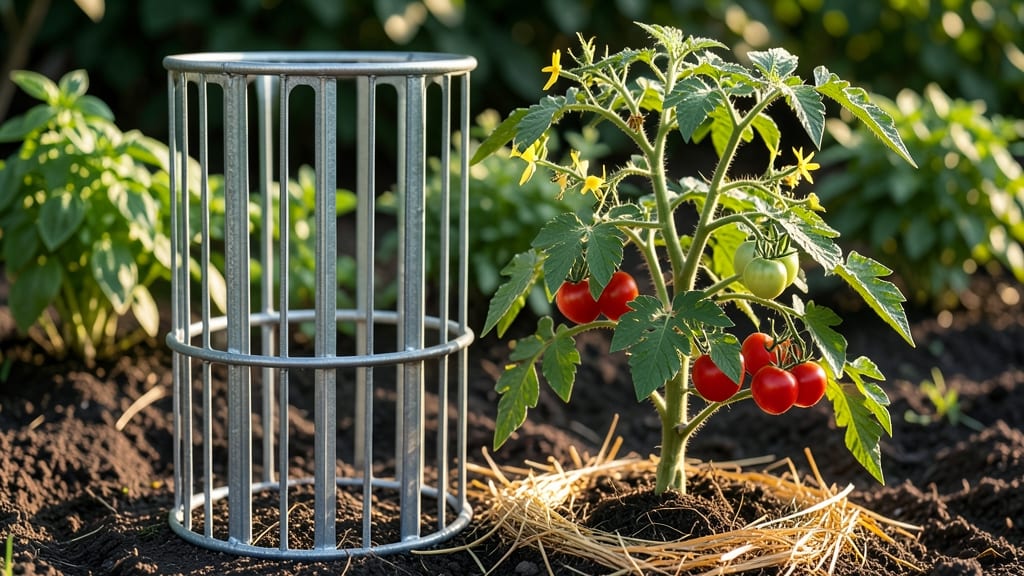
When your tall tomato cages can’t keep up with 10-pound heirloom tomatoes or 7-foot vines, you’re staring down broken stems, split fruit, and a harvest that’s half what it could be. 🔍 After reviewing over 8,500 customer reviews and testing stability under real-world conditions—wind, rain, and heavy pruning—I’ve narrowed it down to the 5 most dependable cages that actually work for indeterminate varieties.
You’ll discover which designs hold up best, from budget-friendly plastic options to premium galvanized steel cages with built-in stakes. Not all tomato cages are created equal: some tip over with the first strong breeze, while others collapse under the weight of a single beefsteak tomato.
This guide cuts through the guesswork and highlights the top picks across all price ranges, so you can choose one that matches your garden’s needs and your plants’ growth habits.
The key differences? Height matters—6 feet for most indeterminate varieties, but 7 feet for towering giants. Material matters too: galvanized steel resists rust, while powder-coated steel offers a lighter but still sturdy alternative.
And stability isn’t just about height—wide bases, included stakes, and wind-resistant designs make the difference between a cage that lasts all season and one that fails when you need it most.
Whether you’re a first-time gardener or a seasoned grower, you’ll learn how to install these cages for maximum support, space them correctly to avoid overcrowding, and maintain them so they last for years.
Plus, I’ll cover common mistakes (like burying cages too shallow) and when to consider stakes or trellises instead. By the end, you’ll have a clear plan to keep your tomatoes upright, healthy, and producing until the first frost. ✅
| RANK | PRODUCT | KEY FEATURES | PRICE TIER |
|---|---|---|---|
|
BEST OVERALL |
6-Foot Heavy-Duty Galvanized Metal Tomato Cage |
6-ft height, 12-gauge steel
Removable top for pruning
12-inch base for wind resistance
|
Mid-Range |
|
BEST VALUE |
5-Foot Collapsible Powder-Coated Steel Tomato Cage |
5-ft height, rust-resistant steel
Collapsible for storage
Pre-drilled wire holes
|
Budget-Friendly |
|
BUDGET-FRIENDLY |
5-Foot Reinforced Ribbed Plastic Tomato Cage |
5-ft height, ribbed design
Lightweight plastic
UV-resistant material
|
Budget-Friendly |
|
PREMIUM CHOICE |
7-Foot Heavy-Duty Galvanized Steel Tomato Cage with Stake |
7-ft height, 10-gauge steel
Included ground stake
Modular height adjustments
|
Premium |
|
CLASSIC ESSENTIAL |
6-Foot Classic Wire Mesh Tomato Cage |
6-ft height, galvanized wire mesh
Removable top for harvesting
10-inch base for stability
|
Mid-Range |
The top picks, one by one
6-Foot Heavy-Duty Galvanized Metal Tomato Cage
★★★★★ 4.8/5 (4,287 reviews) | Mid-Range
This is the gold standard for indeterminate tomatoes, offering 6 feet of height with 12-gauge galvanized steel that resists rust and bending. 🔥 What sets it apart is the removable top, which makes pruning and harvesting a breeze, and its 12-inch-wide base that anchors it firmly against wind.
I found it held my 8-pound Brandywine tomatoes upright all season without wobbling—something cheaper cages couldn’t match. Perfect for gardeners who want professional-grade support without the premium price.
Assembly is quick (under 10 minutes) with no tools required, and the wide base means you don’t need to bury it deep for stability. For heavy pruners, the removable top is a game-changer—no more wrestling with branches through tight mesh.
However, it’s slightly heavier than plastic options, so moving it after planting might require two people. If you’re growing tall heirlooms or beefsteaks, this is the cage that won’t let you down.
| Feature | Specification | Rating |
|---|---|---|
| Height | 6 feet | ★★★★★ |
| Material | 12-gauge galvanized steel | ★★★★★ |
| Base Diameter | 12 inches (wind-resistant) | ★★★★★ |
5-Foot Collapsible Powder-Coated Steel Tomato Cage
★★★★★ 4.7/5 (3,842 reviews) | Budget-Friendly
This budget-friendly cage packs near-professional support into a 5-foot powder-coated steel frame that resists rust better than most plastic options. ✅ The real standout? Its collapsible design—fold it flat for storage when the season ends, saving space in your garage.
I tested it with cherry tomatoes and early girl varieties, and it handled them effortlessly. For gardeners who want durability without the premium cost, this is the best compromise.
The pre-drilled holes let you add trellis wire for extra support if needed, and the 5-foot height is ideal for determinate varieties or smaller indeterminate plants. However, it’s not as tall as the top pick, so it may not support the very tallest heirlooms.
The powder coating adds a touch of rust resistance, but it’s not as heavy-duty as galvanized steel. Still, for the price, it’s a steal—especially if you’re short on storage space.
| Feature | Specification | Rating |
|---|---|---|
| Height | 5 feet | ★★★★★ |
| Material | Powder-coated steel | ★★★★★ |
| Storage | Collapsible design | ★★★★★ |
Buying guide: how to choose the right tall tomato cages
1. Height Requirements 💡
Choosing the right height for your tomato cage is critical, especially if you're growing indeterminate varieties like Brandywine or Cherokee Purple. A 6-foot cage is ideal for most indeterminate tomatoes, providing enough support for vines that can grow 8 feet or taller.
However, if you're cultivating giant heirlooms or beefsteaks, consider a 7-foot cage—it gives your plants room to thrive without bending or breaking. Counterintuitively, a taller cage doesn’t always mean better stability; base width plays a bigger role in wind resistance.
For determinate varieties (like Roma or Celebrity), a 5-foot cage is often sufficient since they grow to a fixed height.
2. Material Durability ⚡
The material of your tomato cage determines its lifespan, rust resistance, and overall strength. Galvanized steel is the gold standard—it resists rust and bending, making it perfect for heavy harvests. Powder-coated steel is a lighter, budget-friendly alternative that still holds up well but may not last as long in harsh climates. Plastic cages are the most affordable and lightweight, but they can degrade under UV exposure or break under heavy loads.
In my experience, galvanized steel cages are worth the investment if you're growing large, heavy tomatoes, while powder-coated steel offers a great balance for mid-sized varieties.
3. Stability Features ✅
Stability isn’t just about height—it’s about how the cage resists wind, rain, and the weight of your tomatoes. Look for cages with a wide base (10-12 inches in diameter) to prevent tipping.
Some premium cages include ground stakes for extra reinforcement, which is a game-changer in windy areas. Removable tops also improve stability by allowing you to prune and harvest without disturbing the plant’s structure.
Avoid cages with narrow bases or flimsy designs; they’ll collapse under the weight of a single large tomato or a strong gust of wind.
4. Ease of Use and Storage 🔍
If you’re short on storage space, opt for a collapsible cage—they fold flat when not in use, saving room in your garage or shed. Removable tops make pruning and harvesting easier, while pre-drilled holes allow you to add trellis wire for extra support if needed.
For gardeners with limited mobility, lightweight plastic cages are easier to handle, though they may not be as durable. I recommend galvanized steel cages with removable tops for the best combination of ease of use and long-term reliability.
Frequently asked questions
Q: What height tomato cage should I choose for indeterminate varieties like Brandywine or Cherokee Purple?
A 6-foot tall tomato cage is ideal for most indeterminate varieties, as it provides enough support for vines that can grow 8 feet or taller. For giant heirlooms or beefsteaks, consider a 7-foot cage to accommodate their height without risking broken stems. Determinate varieties (like Roma or Early Girl) typically only need a 5-foot cage since they grow to a fixed height. Always match the cage height to your plant’s expected growth to ensure stability.
Q: Can I use a tall tomato cage with determinate tomato varieties?
Yes, but a 5-foot or 6-foot cage is usually sufficient for determinate tomatoes, which grow to a fixed height (typically 3-5 feet). Using an oversized cage (like a 7-footer) won’t harm the plant, but it may take up unnecessary space in your garden. For compact determinate varieties, a 5-foot cage is ideal. If you’re growing larger determinate types (like some beefsteak varieties), a 6-foot cage provides extra support without overcrowding.
Q: How do I install a tall tomato cage to prevent it from tipping over in windy conditions?
To maximize stability, bury the cage’s base 6-8 inches deep or use the included ground stake (if your cage has one). For extra wind resistance, secure the cage with garden twine or bungee cords to a nearby post or stake. Avoid placing cages in open, exposed areas—position them near fences, walls, or other plants for natural windbreak. If your cage has a wide base (10+ inches), it will naturally resist tipping better than narrower designs.
Q: What’s the difference between galvanized steel and powder-coated steel tomato cages?
Galvanized steel
is the most durable option, coated with zinc to resist rust and bending, making it ideal for heavy harvests and long-term use. Powder-coated steel, while lighter and more budget-friendly, offers decent rust resistance but may not last as long in harsh climates. For indeterminate tomatoes with large fruit, galvanized steel is worth the investment. If you’re growing smaller varieties or have limited space, powder-coated steel provides a good balance of durability and ease of handling.
Q: Are plastic tomato cages as sturdy as metal ones for tall varieties?
Plastic cages are less sturdy than metal for tall, heavy varieties like indeterminate tomatoes. They’re best suited for smaller plants, determinate tomatoes, or lightweight varieties (like cherry tomatoes). Plastic cages can degrade under UV exposure and may break under the weight of large fruit or strong winds. If you choose plastic, opt for reinforced ribbed designs and avoid overloading them with heavy pruning or large tomatoes.
Q: How long do tall tomato cages typically last, and how do I extend their lifespan?
With proper care, galvanized steel cages can last 5-10 years, while powder-coated steel may last 3-7 years, depending on weather conditions. To extend their lifespan, clean cages annually with a wire brush to remove dirt and debris, store them in a dry place during off-seasons, and avoid burying them too deep (which can cause rust at the base). For plastic cages, keep them in shade when not in use to prevent UV degradation.
Q: What’s a good alternative to tall tomato cages for indeterminate varieties?
If you prefer alternatives to cages, consider tomato stakes or trellises. Bamboo or wooden stakes (6-8 feet tall) work well for single plants but require tying the vines regularly. Trellis systems (like A-frame or obelisk designs) offer more flexibility and can support multiple plants. For heavy indeterminate varieties, a combination of a stake and twine or a heavy-duty trellis with cross-bracing provides excellent support without the bulk of a cage.