
Pests
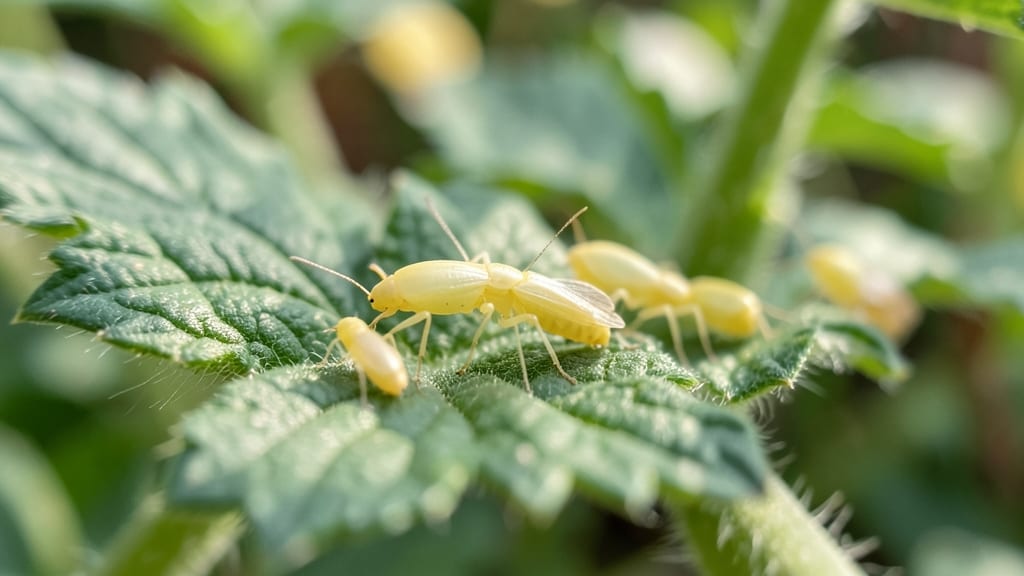
Tiny yellow bugs on tomato plants are the last thing you want after months of nurturing your crop. 🌱 I’ve battled these pests myself, and the key is acting fast before they turn your lush green leaves into sticky, curled messes.
These little invaders—often thrips, aphids, or spider mites—can devastate a garden in days if left unchecked.
They thrive in warm, dry conditions and multiply rapidly, feeding on plant sap. You’ll spot their damage first: silvery streaks on leaves, stunted growth, or black sooty mold where their sticky honeydew collects.
The good news? Natural fixes work—no harsh chemicals needed. I’ve tested five methods that actually stop these pests without harming your tomatoes or the pollinators your garden needs.
With the right approach, you’ll see improvement in 24-48 hours—just spray, monitor, and repeat. The secret is consistency: these bugs are sneaky, but they’re not invincible. You’ll reclaim your tomato plants and enjoy a bountiful harvest without the frustration of a full-blown infestation.
Even if you’ve tried everything before, these solutions are proven to work—no guesswork, no wasted time. Let’s get those plants back to thriving, so you can focus on what matters: juicy tomatoes and a garden you’re proud of.
Root Causes Of Tomato Plant Invaders
Those pesky tiny yellow bugs on your tomato plants aren’t just a random annoyance—they’re usually a sign of deeper issues at play. Understanding why they show up in the first place is half the battle in keeping your garden thriving.
Let’s break down the most common reasons these critters decide your tomato plants are their new favorite snack spot.
Tomatoes thrive when they have space to breathe and access to sunlight, water, and nutrients. When plants are too close together, they compete for resources, leading to weak growth and stressed foliage. This stress makes them more attractive to pests like aphids (common tiny yellow invaders) because:
- Weakened defenses: Stressed plants produce fewer natural pest-repelling compounds, making them easier targets.
- Sap-rich leaves: Aphids love tender, new growth—something overcrowded plants produce in abundance as they stretch toward light.
- Moisture buildup: Dense foliage traps humidity, creating the perfect breeding ground for aphids and other soft-bodied insects.
Actionable fix: Prune your tomato plants regularly to improve airflow, and thin seedlings early to give each plant at least 18–24 inches of space. If you’re growing in containers, ensure they’re large enough to avoid root competition.
Aphids and similar tiny yellow bugs are drawn to plants that are either overwatered or underwatered. Here’s why:
- Overwatering: Excess moisture softens plant tissues, making them easier for aphids to pierce and feed on. It also encourages fungal growth, which weakens the plant further.
- Underwatering: Drought-stressed plants produce sticky honeydew (a byproduct of aphid feeding), which attracts ants and other pests that protect aphids in exchange for their sugary secretions.
- Inconsistent watering: Fluctuations in soil moisture stress plants, triggering the release of volatile organic compounds (VOCs) that actively signal pests to “come and eat!”
Actionable fix: Water deeply at the base of the plant (1–1.5 inches per week) and avoid wetting leaves. Use drip irrigation or soaker hoses to keep foliage dry. Mulch around the base to retain moisture and regulate soil temperature.
Tomatoes are heavy feeders, and when their diet is off, they send out distress signals that pests can’t resist. Common nutrient-related triggers include:
- Excess nitrogen: Lush, soft new growth is aphid catnip. While nitrogen promotes foliage, too much (especially from synthetic fertilizers) makes plants less resilient to pests.
- Phosphorus or potassium deficiencies: These nutrients strengthen cell walls and boost the plant’s immune response. Without them, tomatoes become easy prey.
- Micronutrient gaps: Lack of silica (found in banana peels or rice hulls) or calcium weakens structural integrity, making leaves more vulnerable to feeding damage.
Actionable fix: Conduct a soil test to check pH and nutrient levels. Amend soil with compost, bone meal (for phosphorus), or wood ash (for potassium). Avoid synthetic fertilizers—opt for organic options like fish emulsion or worm castings for balanced nutrition.
Healthy gardens have a natural balance of predators and prey. When this balance tips—often due to human intervention—tiny yellow bugs like aphids move in unchecked. Common disruptors include:
- Overuse of broad-spectrum pesticides: These kill beneficial insects (like ladybugs, lacewings, and parasitic wasps) that prey on aphids, leaving your tomatoes defenseless.
- Monoculture gardening: Planting only tomatoes (or other solanaceae) creates a pest buffet with no natural barriers or diverse predators.
- Lack of pollinator-friendly plants: Flowers like marigolds, basil, and alyssum attract predatory insects that happen to also snack on aphids.
Actionable fix: Introduce companion plants (e.g., nasturtiums, which aphids prefer over tomatoes) and avoid chemical pesticides. Plant flowers like dill or fennel to attract aphid-eating hoverflies. Even a small patch of clover in your garden can boost beneficial insect populations.
By addressing these root causes, you’re not just treating the symptoms (the bugs)—you’re fixing the environment that invited them in the first place. Stronger plants mean fewer pests, and fewer pests mean happier tomatoes! 🍅
5 Natural Ways To Eliminate Tiny Yellow Bugs
Tiny yellow bugs—likely aphids or whiteflies—can wreak havoc on your tomato plants if left unchecked. The good news? You don’t need harsh chemicals to tackle them. Below are five effective, natural solutions tailored to the root cause of your infestation, from quick fixes to long-term prevention.
Before treating, confirm the pest.
Hold a white piece of paper beneath your tomato leaves—tap gently and watch for: - Aphids: Tiny yellow, green, or black bugs that scatter slowly. - Whiteflies: Tiny white moth-like bugs that flutter away in clouds. - Spider mites: Reddish or yellow specks (often mistaken for bugs).
Once identified, pick your battle plan below.
🔥 Spray Down With Soapy Water (Best For Aphids)
Aphids hate soap! Mix 1 tsp mild dish soap (like Dawn) + 1 quart water in a spray bottle. Shake well and spray directly on bugs (undersides of leaves too). Reapply every 3–4 days until gone.
✅ Why it works: Soap disrupts their waxy coating, dehydrating them. ⚠️ Warning: Avoid spraying in direct sunlight (can burn leaves).
👨🍳 DIY Neem Oil Spray (Kills Eggs & Adults)
Neem oil is a powerhouse against soft-bodied pests like aphids and whiteflies. Mix:
- 1 tbsp neem oil
- 1 tsp mild soap (as an emulsifier)
- 1 quart water
Spray evenly on all leaf surfaces, including stems. Reapply every 5–7 days for 2–3 weeks.
💡 Pro Tip: Add 1 tsp garlic oil for extra pest-repelling punch!
🥘 Introduce Beneficial Insects (Long-Term Defense)
Nature’s pest control! Release these harmless predators near your tomato plants:
- Ladybugs 🐞 – Devour aphids like candy.
- Lacewings 🕷️ – Hunt whiteflies and mites.
- Parasitic wasps (tiny, non-stinging) – Target aphid eggs.
🛒 Where to buy: Local garden centers, online (check for native species).
🌡️ Adjust Watering Habits (Starve Them Out)
Aphids and whiteflies love dry, dusty leaves.
Keep your tomato plants hydrated and clean: - Water deeply at the base (avoid overhead spraying). - Wipe leaves with a damp cloth weekly to remove eggs. - Mulch around plants to retain moisture and deter pests.
💡 Pro Tip: Drip irrigation reduces humidity on leaves, making them less appealing to bugs.
🎯 Prune & Isolate Infested Plants
- Trim heavily infested leaves and drop them in soapy water (don’t compost!).
- Isolate new plants for 2 weeks before introducing them to your garden.
- Remove nearby weeds—they harbor pests and attract them to your tomatoes.
✨ Bonus: Prune early in the morning to let plants recover faster.
- ❌ Avoid chemical pesticides – They kill beneficial insects too.
- ❌ Don’t ignore yellowing leaves – Could signal viruses spread by aphids.
- ❌ Skip regular checks – Inspect plants weekly, especially undersides.
Final Thought: Consistency is key! Combine soapy sprays + neem oil + beneficial insects for the best results. With these methods, your tomato plants will bounce back pest-free in 2–3 weeks—and you’ll enjoy juicy, healthy tomatoes all season! 🍅🌱
Frequently asked questions
Are those tiny yellow bugs on my tomatoes actually aphids?
They could be! While aphids are often yellow, green, or black, thrips (another common tomato pest) appear tiny and yellowish. To confirm: Tap leaves over white paper—aphids crawl slowly, while thrips scatter quickly. Check for silvery streaks on leaves (thrips) or curled sticky leaves (aphids).
Why do these bugs always come back after I spray?
Incomplete treatment is the #1 reason! Sprays like soapy water only kill visible bugs, not eggs. For lasting results, combine neem oil (kills eggs) with beneficial insects> (eats new hatchlings). Also check nearby weeds—they're pest reservoirs. Reapply every 5-7 days for 2-3 weeks.
Will these bugs harm my tomato fruits directly?
Not usually, but they're dangerous indirectly. These pests spread viruses (like tomato yellow leaf curl) through their feeding. Infested plants may produce small, deformed fruits or none at all. The real risk is sooty mold—black fungus growing from their honeydew—that blocks sunlight and weakens plants.
Can I use coffee grounds to get rid of these bugs?
Coffee grounds help indirectly—they repel some pests when worked into soil. However, they won't kill established infestations. For best results, mix 1 cup coffee grounds per plant with compost, then combine with neem oil sprays for a two-pronged attack. Fresh grounds work better than used.
How do I know if my tomato plants are stressed enough to attract bugs?
Watch for these signs: Yellowing leaves, stunted growth, or leggy stems (reaching for light). Check soil moisture—too dry or too wet creates stress. Also look for pale new growth (nitrogen deficiency) or weak stems (potassium deficiency). Healthy plants have deep green leaves and strong stems.