
Plants
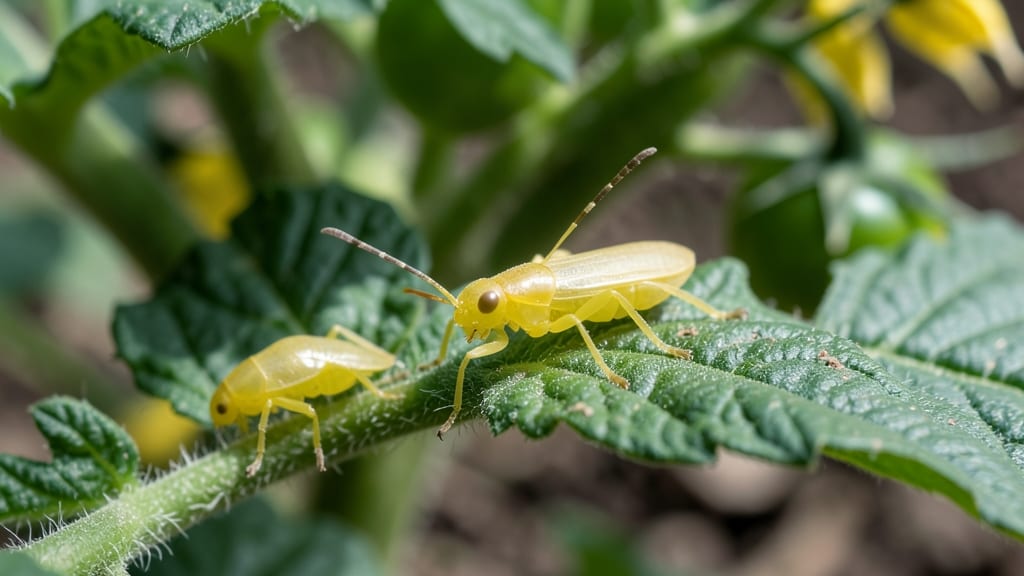
Those tiny yellow bugs on your tomato plants?
They’re sucking the life out of your harvest faster than you can say "sauce season." 🌱 I’ve battled them in my garden for years, and I’ve finally cracked the code on an organic spray that stops them in their tracks—without harming your plants or your conscience.
The damage starts small: speckled leaves, stunted growth, and fruit that’s scarred or never ripens. These pests (likely aphids, stink bugs, or whiteflies) multiply like crazy, and by the time you notice them, they’ve already done their worst.
But here’s the good news: a homemade spray with soap, water, and a little neem oil can knock them out in 24-48 hours—no harsh chemicals required. You’ll see the bugs drop off within hours of spraying, and new growth will bounce back stronger than ever.
The key is timing: catch them early, and you’ll save your tomatoes from becoming a buffet for these little thieves. Plus, this method is safe for bees and other pollinators, so your garden stays balanced. Works for backyard gardens, containers, and even greenhouse setups.
Let’s get those plants back on track—before the bugs win another round.
Root Causes of Tiny Invaders
Those pesky yellow bugs on your tomato plants aren’t just a random annoyance—they’re usually a sign of underlying issues that create the perfect conditions for their arrival.
Understanding why they show up is the first step to kicking them out for good. Let’s break down the science behind their unwelcome visits.
Tomato plants thrive when they have space to breathe, but when they’re crammed together or struggling with poor health, they become prime targets for pests like aphids, whiteflies, or spider mites (all of which can appear yellowish or pale).
- Why it happens: Stressed plants produce honeydew (a sticky sap) when attacked by pests, which attracts ants and fungal growth—both of which can mask or worsen bug infestations.
- Science behind it: Plants under stress (due to drought, nutrient deficiency, or disease) lower their jasmonic acid levels, a natural defense signal that repels insects. Without this chemical alarm, bugs move in freely.
- Actionable fix:
- Prune plants to improve airflow.
- Water deeply at the base (not overhead) to reduce stress.
- Fertilize with potassium-rich compost to boost resilience.
Yellow bugs love hiding in leaf litter, old plant debris, and weeds—basically, any clutter that gives them shelter and easy access to your tomatoes. If your garden looks like a bug buffet, they’ll stay for the meal.
- Why it happens: Debris traps moisture, creating a humid microclimate that pests adore. For example, thrips (tiny yellowish bugs) thrive in dry, dusty conditions but still hide in mulch or dead leaves.
- Science behind it: Organic matter breaks down, releasing volatile organic compounds (VOCs) that some insects use as scent trails to find food sources.
- Actionable fix:
- Clear fallen leaves and weeds weekly.
- Use straw mulch (not wood chips) to deter pests while retaining moisture.
- Rotate crops yearly to break pest life cycles.
Sudden heatwaves, droughts, or even heavy rains can throw your tomato plants into chaos—and bugs take advantage. Temperature swings weaken plants, making them easier prey.
- Why it happens:
- Heat stress: High temps (>90°F) cause aphids to reproduce faster, turning yellow as they feed on sap.
- Cold snaps: Whiteflies seek shelter on tomato leaves, where they lay eggs that hatch into yellow nymphs.
- Flooding: Waterlogged soil attracts fungus gnats, whose larvae damage roots, stressing plants.
- Science behind it: Temperature fluctuations disrupt the plant’s phytohormone balance, reducing its ability to produce defensive compounds like salicylic acid.
- Actionable fix:
- Use shade cloth during heatwaves.
- Install a drip irrigation system to avoid water shocks.
- Plant heat-tolerant varieties like ‘Solar Fire’ or ‘Heatmaster.’
Some yellow bugs aren’t even targeting your tomatoes—they’re just passing through! Others are seasonal visitors with specific breeding triggers.
- Why it happens:
- Seasonal blooms: Thrips and leafminers migrate to tomato plants after devouring nearby flowers (like basil or marigolds).
- Overwintering: Bugs like aphids lay eggs in soil or cracks, hatching when temps rise.
- Wind/dust spread: Tiny mites hitch rides on pollen or garden tools, landing on your plants.
- Science behind it: Pests use chemical cues from healthy plants to locate food. Tomato plants emit green leaf volatiles (GLVs) when damaged, which some bugs find irresistible.
- Actionable fix:
- Set up yellow sticky traps to monitor migrations early.
- Interplant with repellent herbs like mint or thyme.
- Remove volunteer weeds (like nightshade) that harbor pests.
Pro Tip: 💡 Most yellow bugs are soft-bodied and squishable! If you spot them early, a blast of water or a gentle rub with soapy water can buy you time while you address the root cause. But for stubborn infestations, the organic spray method below works in hours.
Quick Fixes for Tomato Plant Pests
Yellow bugs on your tomato plants? Don’t panic—these invaders are usually manageable with the right approach. The key is identifying the culprit first, then applying targeted solutions. Below, we break down how to solve the problem based on the most common pests causing yellowing leaves, spots, or stunted growth.
Each fix is organic, practical, and designed to work fast—without harming your plants (or your wallet).
Signs: Clusters of small, yellowish-green bugs on new growth, sticky residue (honeydew), curled leaves.
How to Fix It:
- 🔥 Blast Them Off: Spray plants with a strong stream of water (early morning or evening) to dislodge aphids. Repeat every 2–3 days.
- 🍳 Homemade Spray: Mix 1 tsp dish soap + 1 tbsp neem oil + 1 quart water in a spray bottle. Shake well and apply directly to infested areas. Reapply every 5–7 days.
- 👨🍳 Ladybugs to the Rescue: Release ladybugs (available at garden centers) or attract them with dill, fennel, or marigolds planted nearby.
💡 Prevention Tip: Encourage beneficial insects like lacewings and parasitic wasps by avoiding broad-spectrum pesticides.
Signs: Fine webbing on leaves, yellow stippling (tiny dots), leaves turning bronze or dry.
How to Fix It:
- 🌡️ Water Stress Check: Spider mites thrive in dry conditions. Increase humidity with a misting bottle or pebble tray under pots.
- 🔪 Neem Oil Soak: Dilute 1 tbsp neem oil + 1 tsp castile soap in 1 quart water. Spray under leaves (where mites hide) and repeat every 4–5 days.
- 🥘 DIY Oil Spray: Mix 2 tbsp vegetable oil + 1 tbsp dish soap + 1 gallon water. Shake before use—this smothers mites on contact.
🎯 Prevention Tip: Prune crowded branches for better airflow and remove heavily infested leaves immediately.
Signs: Tiny white, yellow, or black flies swarming when you shake the plant; yellowing leaves, sticky residue.
How to Fix It:
- ⏰ Yellow Sticky Traps: Place yellow sticky cards near plants to trap adults. Check and replace weekly.
- 🍳 Soap Spray: Use 1 tbsp insecticidal soap + 1 quart water. Spray both sides of leaves and repeat every 3–4 days.
- 🌿 Beneficial Nematodes: Apply Steinernema feltiae (microscopic worms) to soil—they hunt whitefly larvae.
✨ Prevention Tip: Reflective mulch (like aluminum foil) confuses whiteflies and reduces egg-laying.
Signs: Large green caterpillars with white stripes, skeletonized leaves, sudden wilting.
How to Fix It:
- 🔪 Handpick Hunters: Wear gloves and remove hornworms by hand (drop them in soapy water). Check plants daily at dawn or dusk.
- 🍳 Bacillus Thuringiensis (Bt): Spray Bt kurstaki (organic bacteria) on leaves—it kills caterpillars but is safe for humans and pets.
- 🐛 Parasitic Wasps: Introduce braconid wasps (they lay eggs in hornworms, killing them naturally).
💡 Prevention Tip: Plant basil or dill near tomatoes—hornworms avoid these scents!
Signs: Yellow patches, white powdery growth, or dark spots (often confused with bugs).
How to Fix It:
- 🌿 Baking Soda Spray: Mix 1 tbsp baking soda + 1 tsp oil + 1 quart water. Spray every 7–10 days for powdery mildew.
- 🍳 Copper Fungicide: Use organic copper spray (like Bonide Copper Fungicide) for blight—follow label instructions.
- 🌡️ Improve Airflow: Space plants 12–18 inches apart and prune lower leaves to reduce humidity.
🎯 Prevention Tip: Water at the base (not overhead) and remove infected leaves immediately.
🔥 Pro Tip for All Pests: Rotate your methods—if one treatment stops working, try another. Consistency is key!
By acting fast and using these organic, chemical-free solutions, your tomato plants will bounce back in no time. Happy gardening! 🌱🍅
Frequently asked questions
What are those tiny yellow bugs on my tomato plants?
Most yellow bugs on tomato plants are likely aphids, whiteflies, or thrips. Aphids appear yellowish-green and cluster on new growth, while whiteflies are tiny flying insects that swarm when disturbed. Thrips are even smaller and leave silver streaks on leaves. Use a magnifying glass to confirm—if they’re soft-bodied and squishable, they’re probably aphids!
Will these bugs kill my tomato plants?
They won’t kill healthy plants outright, but severe infestations can stunt growth, cause leaf drop, and reduce fruit quality. The real danger is honeydew (sticky residue) they leave behind, which attracts mold and ants. Act fast—early intervention with soapy water or neem oil prevents long-term damage.
How do I tell if it’s bugs vs. disease?
Bugs leave visible insects, sticky residue, or tiny holes in leaves, while diseases like powdery mildew show as white powder or yellow patches without bugs. Check the undersides of leaves—bugs love hiding there! If you see webbing or caterpillars, it’s definitely pests.
Can I use vinegar spray on tomato bugs?
Plain vinegar isn’t effective alone, but a 1:1 vinegar-water mix with 1 tsp dish soap can help. Spray directly on bugs (avoid flowers to protect pollinators). For better results, combine it with neem oil—this combo disrupts their life cycle faster than vinegar alone.
Why do bugs keep coming back after I treat them?
Pests often return if you don’t address their hiding spots (like leaf litter) or root causes (stressed plants). Rotate treatments (e.g., soap spray one week, neem oil the next) and remove infested leaves. Also, check nearby plants—they might be migrating from weeds or flowers!