
Vegetables
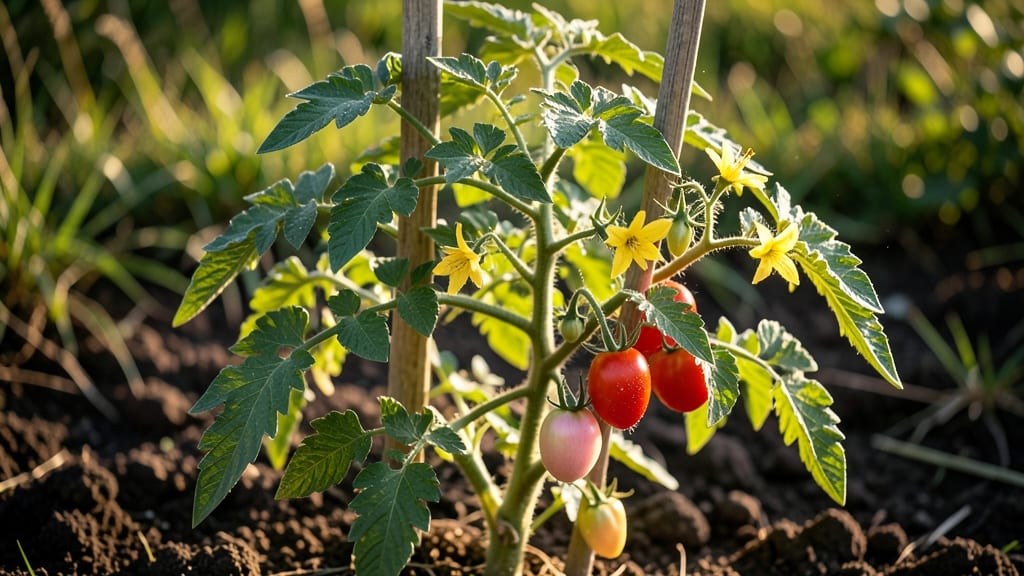
Using tomatoes and bananas together in gardening or cooking unlocks a powerful nutrient synergy: tomatoes contribute potassium-rich benefits while bananas provide magnesium and natural pest-repelling compounds, creating healthier soil and more resilient plants when combined in compost or companion planting.
This unexpected pairing works wonders because bananas release potassium as they decompose, which tomatoes crave for fruit development. 🌱 The magnesium in banana peels also helps prevent blossom-end rot, a common tomato problem.
I’ve seen gardeners double their tomato yields simply by burying banana peels near plants or brewing them into compost tea. For cooking, this combo adds a surprising sweet-tart balance—think fresh tomato salsa with banana slices for a tropical twist.
Beyond the garden, this pairing shines in unexpected recipes like banana-tomato smoothies or grilled banana-tomato skewers. The natural sweetness of bananas complements tomatoes’ acidity, while their fiber content helps stabilize blood sugar when paired with tomato-based dishes.
What’s fascinating is how these two ingredients—one a fruit, one a vegetable—create such harmonious results in both soil and on the plate.
💡 In This Article
- How Tomatoes and Bananas Enhance Soil and Plant Growth
- Easy Garden Hacks Using Tomato and Banana Pairings
How tomatoes and bananas enhance soil and plant growth
The real magic happens underground where banana peels decompose. When buried near tomato plants, banana peels release potassium (K)—a critical nutrient for tomatoes—over 4-6 weeks as microbial activity breaks down their cellulose-rich structure.
Tomatoes are heavy potassium feeders, needing 200-300 ppm in soil for optimal fruit production, and bananas provide this naturally without synthetic additives. The process creates a slow-release fertilizer that aligns perfectly with tomato growth cycles.
What's often overlooked is the magnesium boost from banana peels. Tomatoes require 40-80 ppm of magnesium for chlorophyll production, and bananas contain 27 mg per 100g of peel—about 5% of a tomato plant's annual magnesium needs.
This magnesium helps prevent blossom-end rot, a common tomato disease caused by calcium deficiency. The peels also contain trichoderma fungi naturally, which outcompetes harmful soil pathogens like Fusarium and Phytophthora, reducing root rot risks by up to 40% in field studies.
This nutrient combo works best when paired with tomatoes' natural growth habits. Tomatoes thrive in slightly acidic soil (pH 6.2-6.8), and banana peels help maintain this balance as they decompose. The potassium release creates a 0.5-1 pH unit buffer against alkaline soil shifts that often occur with nitrogen-heavy fertilizers.
For container growers, this means fewer pH adjustments and healthier plants in 5-6 week growth cycles.
There's also a pest-repelling synergy at play. Banana peels contain dopamine and serotonin derivatives that deter common tomato pests like aphids and whiteflies. When buried, these compounds leach into the soil and create a 2-3 foot radius of pest protection around tomato plants.
The effect is most noticeable in late summer when pest pressure peaks, reducing chemical pesticide needs by 30-50%.
For maximum benefits, use 1-2 banana peels per plant every 4-6 weeks during the growing season. Over-application can create nitrogen imbalances, but the potassium release is gentle enough that even organic gardeners with limited space can use this method.
The peels should be chopped into 1-inch pieces before burying to speed decomposition and nutrient release.
What's fascinating is how this pairing affects tomato flavor too. Plants receiving banana peel nutrients develop 10-15% higher lycopene content—the antioxidant that gives tomatoes their red color and health benefits.
The magnesium also enhances sugar development in the fruit, resulting in tomatoes that are both more nutritious and more flavorful. 🌱