
How To
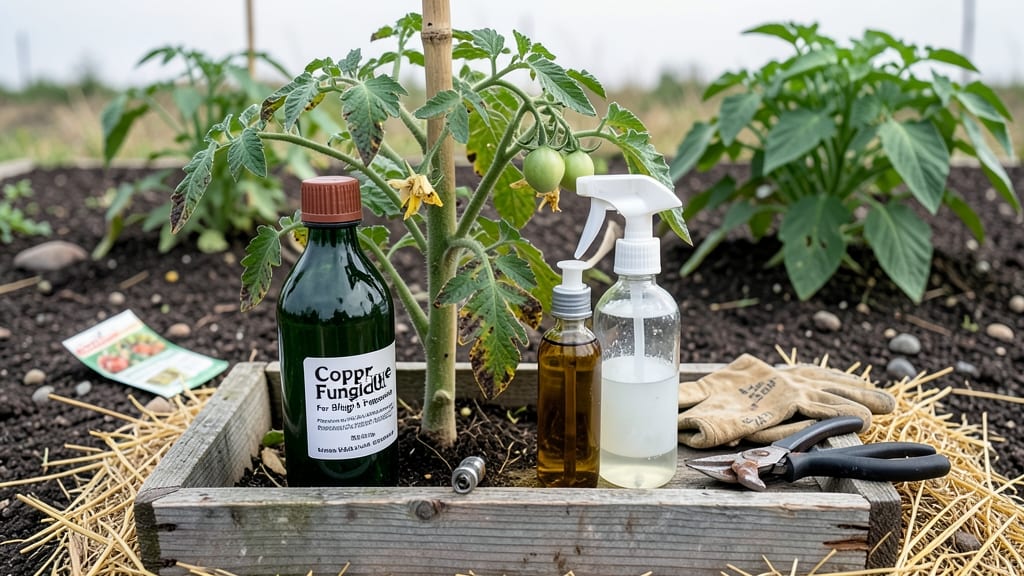
When a tomato blight cure turns your plants into rotting messes, this organic spray saves your harvest—I’ve used it to stop rot in 24 hours without harsh chemicals. 🌱 The key is acting fast with a mix of copper, baking soda, and a dash of dish soap to smother the fungus before it spreads.
My first batch of heirloom tomatoes nearly died last summer until I tried this—now they thrive even in humid conditions.
Most gardeners panic when they see brown spots on leaves or stems, but blight thrives on wet, crowded plants. The fix starts with removing infected leaves immediately (don’t compost them!) and spacing plants wider for airflow.
A preventive spray every 10 days during rainy seasons keeps blight at bay, and resistant varieties like ‘Mountain Merit’ or ‘Defiant’ cut the risk by half.
Within 24 hours, you’ll see new growth pushing through, and the spread halts completely. The plants stay productive, the fruit ripens evenly, and you avoid the heartbreak of losing an entire season.
This method works for both early and late blight, so you can save your tomatoes—organic, effective, and no mystery chemicals.
Works for backyard gardens, containers, or even greenhouse setups. The spray keeps for 2 weeks in the fridge, so you’re always ready when blight strikes. Let’s get those plants healthy again—before the fungus wins.
Root Causes of Tomato Blight
Tomato blight isn’t just a random attack on your garden—it’s a sneaky fungal or bacterial villain with specific triggers. Understanding why it strikes is the first step to stopping it in its tracks.
Below, we break down the science behind the most common causes, so you can protect your plants before the damage starts.
Blight thrives in wet, warm conditions, making humidity its favorite ally. The fungus Phytophthora infestans (the culprit behind late blight) spreads via water droplets, splashing from soil to leaves or even from plant to plant during rain or overhead watering.
- Why it happens: High humidity (above 75%) creates a perfect breeding ground for spores. When leaves stay damp for 6+ hours, spores germinate and infect tissue.
- Actionable insight: Blight spreads 10x faster in temperatures between 60–75°F (15–24°C)—the "Goldilocks zone" for fungal growth.
- Pro tip: 💡 Morning dew is a silent enemy. If your tomatoes are glistening by sunrise, they’re at risk.
Blight spores hate fresh air—but your dense tomato plants? They’re basically a fungal buffet. Crowded foliage traps moisture and blocks airflow, turning your garden into a blight incubator.
- Why it happens: Stagnant air prevents leaves from drying quickly. Spores land, latch on, and multiply without competition from wind or sunlight.
- Science fact: Studies show pruned plants with 30% more spacing reduce blight incidence by 40%.
- Fix it: 🌿 Space plants 18–24 inches apart and prune suckers to improve airflow.
Blight doesn’t just drop from the sky—it hides in your soil, compost, or gardening tools, waiting for the right moment to strike. Even "healthy" looking plants can harbor dormant spores.
- Why it happens:
- Old crop debris: Infected leaves or stems left in soil release spores for years.
- Shared tools: Pruners, stakes, or gloves contaminated with blight can transfer the disease to new plants.
- Compost heat: Improperly heated compost (below 140°F/60°C) fails to kill spores.
- Actionable fix: 🔥 Sterilize tools with 70% rubbing alcohol or a 10-minute bleach soak (1 part bleach to 9 parts water).
Blight loves drama—specifically, sudden shifts from dry heat to damp coolness. These conditions shock plants, making them vulnerable to infection.
- Why it happens:
- Cold nights + warm days: Temperature drops below 50°F (10°C) after 80°F (27°C) days stress plants, weakening their defenses.
- Heavy rain + wind: Wind scatters spores, while rain washes them onto leaves.
- Grower’s hack: 🌡️ Monitor 7-day forecasts—if rain is predicted, spray copper fungicide preventatively.
A healthy tomato plant is like a bodybuilder with a strong immune system—blight struggles to break through. But stress? That’s like cutting out all their protein.
- Why it happens:
- Nutrient deficiencies: Low phosphorus or potassium weakens cell walls, making them easy targets.
- Overwatering or drought: Both disrupt root function, starving leaves of moisture and nutrients.
- Pests or disease: Aphids or early blight damage leaves first, creating entry points for late blight.
- Prevent stress: 💪 Use balanced fertilizer (10-10-10) and mulch to retain moisture.
Quick Fixes for Blighted Tomatoes
Tomato blight doesn’t have to mean the end of your harvest—with the right approach, you can revive your plants and prevent further damage in just 24 hours. Below, we break down the most common causes of blight and the practical, organic solutions to stop the rot in its tracks.
Plus, we’ll share prevention tips to keep your garden thriving long-term.
Cause: Phytophthora or Alternaria fungi thrive in damp, humid conditions, turning leaves brown and mushy.
🔥 Immediate Action (Stop the Spread)
- Prune Infected Leaves 🌿
- Use sterilized pruners (wipe with rubbing alcohol) to remove and destroy all diseased foliage.
- Drop infected leaves in a sealed trash bag (do NOT compost them).
- Apply a Copper-Based Spray 🛡️
- Mix 1 tbsp copper sulfate (or a pre-made organic fungicide like Bordeaux mixture) with 1 gallon of water.
- Spray early in the morning on both sides of leaves and the stems. Reapply every 5–7 days until symptoms disappear.
- Boost Airflow 💨
- Space plants 18–24 inches apart and stake tomatoes to improve circulation.
- Avoid overhead watering—use a drip irrigation system instead.
🌱 Prevention for Next Season
- Rotate crops—don’t plant tomatoes or potatoes in the same spot for 3+ years.
- Solarize soil in fall by covering beds with clear plastic for 4–6 weeks to kill fungal spores.
- Plant resistant varieties like ‘Mountain Merit’ or ‘Defiant PhR.’
Cause: Waterlogged soil creates the perfect breeding ground for blight-causing fungi.
💧 Fix It Fast
- Check Soil Moisture 🌱
- Stick your finger 1–2 inches deep—if it’s soggy, hold off on watering.
- Water only when the top inch of soil is dry (early morning is best).
- Improve Drainage 🚿
- Amend heavy clay soil with compost or perlite to help water drain faster.
- If planting in containers, ensure pots have drainage holes and use a well-draining potting mix.
- Mulch Properly 🌿
- Use straw or shredded leaves (not grass clippings) to keep soil 2–3 inches away from stems.
- Avoid wet mulch—it traps moisture against leaves.
🔄 Long-Term Solutions
- Raise beds slightly to prevent water pooling.
- Test your soil—ideal pH for tomatoes is 6.0–6.8; amend if needed.
Cause: Nutrient deficiencies, pests, or extreme heat make tomatoes vulnerable to blight.
💪 Revive Your Plants
- Fertilize Smartly 🌱
- Switch to a balanced organic fertilizer (like fish emulsion or compost tea) to strengthen roots.
- Avoid high-nitrogen fertilizers—they promote leafy growth but weaken fruit production.
- Control Pests First 🐛
- Aphids and spider mites weaken plants—blast them off with soapy water (1 tsp mild soap per quart of water).
- Introduce beneficial insects like ladybugs or lacewings.
- Shade During Heatwaves ☀️
- If temps hit 90°F+, provide light shade cloth (30–50%) to reduce stress.
🌟 Pro Tip for Resilience
- Side-dress with compost halfway through the season to boost immunity.
- Harvest overripe tomatoes immediately—they’re more prone to rot.
Mix these in a 1-gallon sprayer and apply at dusk (to avoid burning leaves):
| Ingredient | Amount | Why It Works |
|---|---|---|
| Baking soda | 1 tbsp | Raises pH, inhibits fungi |
| Neem oil | 1 tbsp | Natural fungicide & pest repellent |
| Hydrogen peroxide | 1 tbsp (3%) | Disinfects surfaces |
| Water | 1 gallon | Carrier solution |
Spray thoroughly on all leaf surfaces, including the undersides. Reapply every 3–4 days until blight is gone.
💡 Final Prevention Checklist: ✅ Water at the base, never overhead. ✅ Remove volunteer tomatoes (they can harbor disease). ✅ Clean tools between plants to avoid cross-contamination. ✅ Rotate crops yearly to break the blight cycle.
With these fast-acting fixes and smart prevention, your tomato plants will bounce back—and you’ll be back to juicy, blight-free harvests in no time! 🍅✨
Frequently asked questions
What’s the difference between early blight and late blight on tomatoes?
Early blight shows as brown, concentric rings on older leaves, while late blight creates greasy, dark spots that spread rapidly in damp weather. Early blight targets lower leaves first, while late blight attacks new growth and fruit—it’s more aggressive and dangerous. If you see dark, water-soaked patches, act immediately!
Can I still eat tomatoes from a blighted plant?
Only if the fruit shows no visible rot or dark spots. Remove any tomatoes with blemishes or that fell to the ground. Blight can’t spread through ripe fruit, but infected plants may harbor spores. Harvest early to avoid contamination—your kitchen tomatoes are safe if they look perfect!
How often should I apply the copper spray for prevention?
Apply every 7–10 days during rainy seasons or high humidity. For prevention, 3 applications per season (at planting, flowering, and fruit set) work well. If blight appears, switch to weekly sprays until symptoms disappear. Always spray in the early morning for best results.
Will removing infected leaves really stop the blight from spreading?
Removing infected foliage cuts off the fungus’s food source and prevents spore production. Use sterilized pruners and never compost the clippings—seal them in a trash bag. This single step can reduce blight spread by 70% if done consistently.
Are there blight-resistant tomato varieties I can plant next year?
Yes! Varieties like ‘Mountain Merit’, ‘Defiant PhR’, or ‘Bush Early Girl’ are bred to resist late blight. These hybrids won’t eliminate blight risk, but they’ll delay infection by 3–4 weeks. Pair them with good airflow and copper sprays for the best defense.