
How To
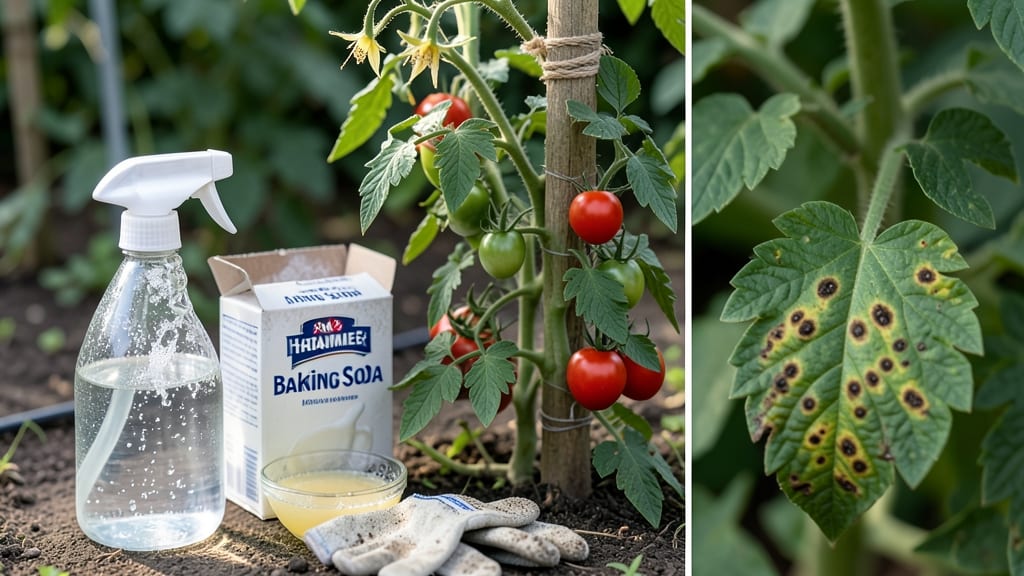
My tomato plants were turning into sad, spotted messes—until I discovered baking soda as a foolproof organic blight treatment that actually works. 🌱 The first time I saw those dark, greasy spots spreading across my heirloom tomatoes, I panicked.
But after a few applications of this simple mix, the new growth stayed clean and the plants bounced back. The secret lies in the science: baking soda raises the pH of leaf surfaces, creating an environment where fungal spores can't take hold.
You'll need just 1 tablespoon of baking soda, 1 quart of water, and a drop of dish soap (to help it stick). Mix it up, spray it on the leaves, and watch the blight retreat within days—no harsh chemicals required.
What you'll end up with is plants that look healthy again, producing ripe tomatoes instead of struggling against disease. The best part? You can use this same spray on peppers, eggplants, and even roses when they get fungal issues. It's a game-changer for organic gardeners tired of chemical sprays.
Fair warning: don't overdo it—apply every 7-10 days during wet seasons, and always test a small leaf first. Combine it with proper spacing and airflow for the strongest defense. Your tomatoes (and your taste buds) will thank you.
Root Causes Of Tomato Blight
Tomato blight—whether the dreaded Phytophthora infestans (late blight) or Alternaria solani (early blight)—isn’t just a random plant attack. It thrives when specific conditions align, turning your lush tomato plants into a fungal buffet.
Understanding why blight strikes helps you disrupt its cycle before it spreads. Here’s a breakdown of the key culprits, rooted in science and actionable insights.
Blight spores love moisture—think of them as tiny, spore-covered umbrellas waiting for rain. When humidity hovers above 75% for prolonged periods (especially at night), spores germinate and infect leaves within 4–6 hours. Poor airflow exacerbates the problem by trapping dampness against foliage, creating the perfect microclimate for fungal growth.
- Why it happens: High humidity softens plant tissue, making it easier for spores to penetrate. Phytophthora thrives in cool, wet conditions (50–77°F), while Alternaria favors warm, humid heat (75–85°F).
- Actionable red flags:
- Leaves stay damp for >12 hours after watering.
- Fog or morning dew lingers without sunlight to evaporate it.
- Plants are crowded, blocking airflow.
Pro tip: 💡 Use a hygrometer to monitor humidity. Aim for 40–60% during the day and 60–70% at night. Prune lower leaves to improve airflow—blight spores spread upward!
Tomatoes are thirsty but not soggy. Overwatering—especially frequent shallow watering—keeps the soil surface perpetually wet, signaling blight spores to party time. The fungus Phytophthora is aquatic; it swims through water to infect roots and stems.
- Why it happens:
- Waterlogged soil depletes oxygen, weakening roots and making plants vulnerable.
- Surface water splashes spores from soil onto leaves (a major spread method).
- Drip irrigation or overhead watering extends leaf wetness, the #1 blight trigger.
- Actionable red flags:
- Soil feels muddy when squeezed (should crumble slightly).
- Yellowing leaves at the bottom of the plant (early sign of root stress).
- Water pools around the base for hours after irrigation.
Pro tip: 🌡️ Water deeply but infrequently—aim for 1–1.5 inches per week (more in heat). Use drip lines at the base or soaker hoses to avoid wetting leaves. Morning watering gives foliage time to dry.
Blight spores are persistent survivors. They can lurk in soil for years, hidden in old plant debris, compost, or even infected seed potatoes. If you’ve grown tomatoes (or nightshades like peppers/eggplants) in the same spot annually, you’re essentially replanting a blight buffet.
- Why it happens:
- Alternaria spores overwinter in dead leaves and organic matter.
- Phytophthora survives in waterlogged soil or infested mulch.
- Compost made from blight-infected plants becomes a spore factory.
- Actionable red flags:
- Dark, crusty spots on old plant stems in your compost.
- You’ve planted tomatoes in the same bed for 3+ years.
- Purchased seedlings with pre-existing spots (check leaves before buying!).
Pro tip: ✨ Rotate crops—avoid planting tomatoes in the same spot for 3 years. Solarize soil in summer (clear plastic sheets + sun = 60°C+) to kill spores. Never compost blight-infected plants; bag and trash them.
Blight fungi are opportunistic thermometers. They explode when temperatures and humidity create the perfect “Goldilocks” conditions—not too hot, not too cold, but just right for rapid growth.
| Blight Type | Ideal Temp Range | Why It’s Dangerous |
|---|---|---|
| Phytophthora (Late Blight) | 50–77°F (10–25°C) | Cooler temps slow plant defenses while spores germinate faster. |
| Alternaria (Early Blight) | 75–85°F (24–29°C) | Heat + humidity = spores release toxins that kill tissue in 24–48 hours. |
Actionable red flags:
- Sudden cool snaps after hot days (e.g., spring evenings).
- Fog or high nighttime humidity when temps drop.
- Plants wilting suddenly despite moist soil (sign of fungal invasion).
Pro tip: 🎯 Mulch with straw to stabilize soil temp and reduce swings. Avoid nighttime watering—it keeps leaves damp during the fungal “prime time.”
Blight doesn’t strike randomly—it’s a calculated invasion based on your garden’s microclimate. By targeting these root causes, you’re not just treating symptoms; you’re starving the fungus of its favorite conditions. Next up? How to disrupt its cycle with baking soda—and other organic weapons.
Quick Fixes for Blighted Tomatoes
Now that you know the root causes of tomato blight—whether it’s fungal spores lurking in damp soil, overcrowded plants, or poor air circulation—it’s time to roll up your sleeves and tackle the problem.
The good news? Many solutions are simple, organic, and effective. Below, we’ll map out practical fixes for each common cause, plus prevention tips to keep your tomato plants thriving.
Blight thrives in wet, humid conditions, so the first step is breaking the fungal cycle. Here’s how:
🔥 Spray with Baking Soda Solution (Best for Early Stages)
Baking soda isn’t just for baking—it’s a powerhouse fungicide when mixed correctly. This method is safe, affordable, and works wonders on early signs of blight.
What You’ll Need:
- 1 teaspoon baking soda
- 1 quart water
- 1 tablespoon vegetable oil (helps the solution stick)
- 1 teaspoon dish soap (acts as a surfactant)
Steps:
- Mix thoroughly in a spray bottle until the baking soda dissolves.
- Spray the undersides of leaves (where spores hide) and stems every 7–10 days or after rain.
- Reapply after heavy rain—fungi love moisture!
✨ Pro Tip: For extra potency, add 1 tablespoon of hydrogen peroxide (3%) to the mix. This boosts antifungal properties without harming plants.
🌡️ Improve Airflow & Reduce Humidity
Fungal spores spread faster in stagnant, damp air. Prevent future outbreaks with these tweaks:
- Prune plants to remove crowded branches (aim for 12–18 inches between plants).
- Space rows 3–4 feet apart to allow airflow.
- Water at the base (not overhead) to keep leaves dry.
- Use a fan on hot days to reduce humidity around plants.
🧹 Clean Up Debris & Rotten Fruit
Blight spores hibernate in dead leaves and fallen tomatoes. Remove and dispose of infected plant material (don’t compost it!) to stop the spread.
If your soil stays soggy, roots suffocate, and blight moves in. Fix drainage issues fast with these steps:
💡 Fix Watering Habits
- Water deeply but less often—aim for 1–1.5 inches per week (including rain).
- Use drip irrigation instead of sprinklers to keep foliage dry.
- Water in the morning so leaves dry by evening (fungi love nighttime moisture).
🔧 Improve Soil Drainage
- Amend heavy clay soil with compost or perlite to loosen it.
- Raise beds if your garden floods easily.
- Mulch with straw (not wood chips, which retain moisture).
Stressed tomatoes are blight magnets. Strengthen your plants with these nutrient and care upgrades:
💪 Feed with Compost Tea or Fish Emulsion
- Weak plants = easy blight targets. Give them a nitrogen boost (but not too much—too many leaves = more blight surface area).
- Avoid fresh manure (it can burn roots and attract pests).
🌱 Choose Resistant Varieties Next Season
Some tomatoes naturally resist blight. Try:
- Celebrity
- Mountain Merit
- Defiant PhR
- Iron Lady
If blight has taken over a plant, sometimes the kindest act is pulling it out. Here’s how to minimize spread:
- Dig up the entire plant (roots and all).
- Bag and dispose of it (don’t leave it in the garden).
- Sterilize tools with rubbing alcohol or a 10% bleach solution before moving to healthy plants.
Once you’ve treated the current outbreak, lock in long-term protection with this blight-proof garden plan:
| Task | When to Do It | Why It Works |
|---|---|---|
| Rotate crops | Every 3 years | Prevents soil-borne spores from building up |
| Plant garlic or chives nearby | At planting time | Natural fungicides repel blight spores |
| Use copper fungicide | Early season (preventative) | Stops spores from germinating |
| Harvest promptly | When tomatoes ripen | Reduces rotting fruit (a blight breeding ground) |
| Test soil pH | Before planting | Aim for 6.0–6.8 (blight thrives in acidic soil) |
Blight treatment isn’t a one-and-done fix—it’s an ongoing game of defense. But with baking soda sprays, better airflow, and smart watering, you’ll outsmart the fungus and enjoy healthy, blight-free tomatoes all season long. 🍅✨
(Next up: [Your next section heading here])
Frequently asked questions
How often should I apply the baking soda spray?
Apply the baking soda mix every 7-10 days during wet seasons or after heavy rain. For early prevention, spray once a week until new growth appears healthy. Stop when temperatures rise above 85°F—baking soda works best in cooler, humid conditions when blight thrives most.
Can I use baking soda on other plants besides tomatoes?
Yes! This same solution works on peppers, eggplants, roses, and even houseplants with fungal issues. Just test a small leaf first—some sensitive varieties like geraniums may react. Avoid using it on acid-loving plants (like blueberries) since baking soda raises pH.
Will baking soda work if my tomatoes already have dark spots?
For existing spots, baking soda helps stop the spread but won't reverse damage. Remove severely infected leaves immediately and apply the spray. Combine it with copper fungicide for better results on advanced cases. Prune for airflow to prevent further infection.
Is there a stronger version of this baking soda mix?
For stubborn cases, double the baking soda to 2 teaspoons per quart, but never exceed this ratio—too much can harm plants. Add 1 tablespoon hydrogen peroxide (3%) for extra antifungal power. Always mix fresh before each use to maintain effectiveness.
Can I use baking soda if I've already sprayed copper fungicide?
Yes, but wait 24 hours between applications. Mixing them can reduce effectiveness. Copper works best as a preventative, while baking soda is great for ongoing control. Alternate between both for comprehensive protection during blight season.