
How To
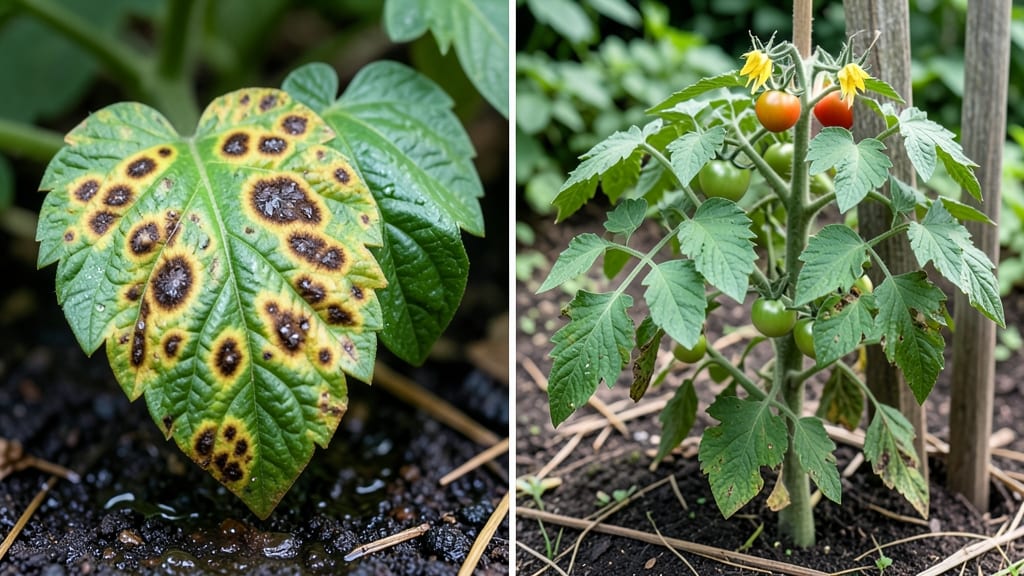
Spotting tomato blight early means the difference between a thriving harvest and a lost season. 🌱 The first warning signs appear on leaves—dark, greasy spots that spread like ink in water—and if you ignore them, your plants wither faster than you can say "sauce gone bad."
Blight loves humidity, so check the undersides of leaves first. Early blight starts at the bottom and moves upward, while late blight spreads from the top down. Stem lesions or brown, water-soaked fruit are classic red flags—don’t wait for wilting to act.
The key is catching it before it jumps to other plants. With quick action—removing infected leaves, spacing plants for airflow, and applying copper spray—you can stop blight in its tracks. I’ve saved entire gardens by acting within 24 hours of spotting the first spot.
The sooner you act, the more tomatoes you’ll save.
Here’s the hard truth: blight spreads faster than you think. A single missed spot can turn into a full-blown outbreak in 3-5 days, especially in hot, damp weather. The good news? Healthy plants fight back better, so focus on airflow between rows and avoid overhead watering.
Don’t panic if you see just a few spots—early detection is your superpower. Grab a pair of pruners, a trash bag, and a fungicide (or homemade spray) before it’s too late. The faster you move, the more of your harvest you’ll keep.
Understanding Root Causes
Tomato blight isn’t just a random attack—it’s a wake-up call from your plants, signaling that something in their environment or care routine is off. Let’s break down the real culprits behind those dreaded dark spots, wilting leaves, and rotting fruit.
Knowing why blight strikes helps you prevent it before it spreads like wildfire.
Blight thrives in wet conditions, and tomatoes are especially vulnerable when their leaves stay damp for too long. Here’s why:
- Fungal Feast: The Phytophthora infestans pathogen (the villain behind late blight) lives in water.
When leaves or soil stay soggy—whether from overhead watering, heavy rain, or poor airflow—the fungus spores germinate and spread like a contagion. - Root Stress: Waterlogged soil starves roots of oxygen, weakening the plant’s defenses.
A stressed tomato is an open invitation for blight to move in. - Nighttime Humidity: If your garden or greenhouse doesn’t dry out overnight, spores linger on leaf surfaces, ready to infect at the first sign of warmth.
Actionable Fix: ✔ Water at the base (not overhead) in the early morning so foliage dries by evening. ✔ Improve soil drainage with compost or raised beds—blight hates compacted, waterlogged dirt. ✔ Space plants 18–24 inches apart for airflow (crowding = blight’s best friend).
Blight isn’t picky—it just loves specific conditions to multiply. Think of it like a thermostat for fungal growth:
| Factor | Blight’s Ideal Range | Why It’s Dangerous |
|---|---|---|
| Temperature | 60–75°F (15–24°C) | Warm, humid days + cool nights = perfect spore production. |
| Humidity | 70%+ | High humidity delays drying, keeping spores active longer. |
| Rainfall | 5+ consecutive rainy days | Each drop splashes spores onto leaves like a fungal snowball fight. |
Actionable Fix: 💡 Monitor your microclimate—use a hygrometer to track humidity. Aim for below 60% during growing season. 🌡️ Avoid planting tomatoes in low-lying areas where cool air pools (blight loves these chilly pockets). ✨ Use row covers on young plants to block rain until they’re established.
Blight spores are sneaky survivors. They can hibernate in soil for years or hitch a ride on your tools, waiting for the right moment to strike.
- Last Year’s Leftovers: If you grew tomatoes (or potatoes—same pathogen!) in the same spot last season, spores may still be lurking in the soil.
- Dirty Tools: Pruners, stakes, or even your hands can transfer spores from infected plants to healthy ones.
- Compost Risks: While composting is great, don’t add blight-infected plant debris—it’s a spore bomb waiting to explode.
Actionable Fix: 🔥 Rotate crops: Wait 3–4 years before replanting tomatoes in the same spot. 👨🍳 Sanitize tools between uses with 10% bleach solution or rubbing alcohol. 🌱 Test soil for pathogens if blight is recurrent—some labs offer disease diagnostics.
A healthy tomato plant is like a bodybuilder—strong enough to fend off invaders. But when it’s stressed or malnourished, blight walks right in.
- Nutrient Deficiencies: Low potassium (K) or phosphorus (P) weakens cell walls, making them easy targets for fungal invasion.
- Overcrowding: Plants competing for light, water, and nutrients get weak and vulnerable.
- Physical Damage: Hail, wind, or rough handling creates open wounds—blight’s backdoor entry.
Actionable Fix: 💪 Fertilize properly: Use a balanced 10-10-10 or potassium-rich fertilizer (like banana peel tea) mid-season. 🌿 Prune regularly to improve airflow and remove yellowing or diseased leaves (don’t compost them!). 🍅 Support plants with stakes or cages to prevent bruising from wind or fruit weight.
Blight doesn’t respect property lines. If your neighbors’ tomatoes are infected, your garden is at risk—spores can travel miles via wind, water, or even contaminated mulch.
- Windborne Spores: A single infected plant can release millions of spores in one night, drifting to nearby gardens.
- Shared Tools/Seeds: Swapping tools or seeds with infected growers unwittingly spreads the problem.
- Wild Hosts: Weeds like nightshade or volunteer potatoes can harbor blight and re-infect your crops.
Actionable Fix: 🗣️ Check local alerts—extension offices often track blight outbreaks in your region. 🚫 Avoid mulching with straw if blight is nearby (it can trap moisture and spores). 🌿 Remove wild nightshade from your property—it’s a blight magnet.
Quick Fixes for Blighted Tomatoes
Catching tomato blight early means you can still salvage your harvest—and even prevent future outbreaks. Below are targeted solutions based on the most common causes, from immediate fixes to long-term prevention. Follow these steps to turn things around fast!
Problem: Leaving blighted tomatoes in the soil spreads spores, infecting healthy plants. Fix:
- 🔪 Snip or pull infected leaves, stems, or entire plants before sunset (spores release at night).
- 🗑️ Bag and discard them in the trash (not compost)—do not toss them in garden waste piles.
- 🌱 Sterilize tools with a 10% bleach solution (1 part bleach to 9 parts water) between cuts to avoid cross-contamination.
Pro Tip: 💡 If blight hits more than 25% of your plants, consider roguing (removing entire plants) to stop the spread.
Problem: Blight thrives in damp, crowded conditions—perfect for fungal growth. Fix:
- 🌬️ Space plants 18–24 inches apart (if they’re already too close, prune lower leaves to improve airflow).
- ⏰ Water in the morning (never at night) so foliage dries by evening.
- 🌡️ Use drip irrigation or soaker hoses instead of overhead sprinklers to keep leaves dry.
- 🌿 Prune suckers and lower leaves to reduce humidity near the soil.
Pro Tip: ✨ Mulch with straw (not hay—it can harbor spores) to keep soil moist without wetting leaves.
Problem: Once blight sets in, chemical or organic fungicides can slow its progress—but prevention is key. Fix:
- 🛡️ Copper fungicides (like Bordeaux mixture) are most effective—spray every 7–10 days once you see signs.
- 🌿 Organic options:
- Baking soda spray (1 tbsp baking soda + 1 tbsp oil + 1 gallon water + a drop of dish soap) – reapply every 5–7 days.
- Neem oil (1 tsp per quart of water + surfactant) – spray at dusk to avoid burning leaves.
- 💊 Systemic fungicides (like chlorothalonil) can help if blight is severe, but rotate with organic options to avoid resistance.
Pro Tip: 🔥 Preventative sprays (even on healthy plants) in humid or rainy seasons cut infection rates by 50%.
Problem: Blight spores linger in soil for years, reinfecting next season’s tomatoes. Fix:
- 🔄 Avoid planting tomatoes, peppers, or potatoes in the same spot for 3–4 years.
- 🌿 Plant blight-resistant varieties next season (e.g., ‘Mountain Merit,’ ‘Defiant PhR,’ or ‘Celebrity’).
- 🔥 Solarize the soil in late summer:
- Cover beds with clear plastic for 4–6 weeks to bake out spores (temperatures must reach 110°F+).
- 💦 Add compost or well-rotted manure to boost soil health—stronger plants resist disease better.
Pro Tip: 🎯 Test your soil pH—blight prefers acidic soil (pH < 5.5). Aim for 6.0–6.8 with lime if needed.
Problem: Weak, nutrient-deficient tomatoes are blight magnets. Fix:
- 💪 Feed with balanced fertilizer (10-10-10 or 5-5-5) every 3–4 weeks once flowers appear.
- 🌿 Add compost tea (brewed from well-aged compost) for natural immunity boosts.
- 🍃 Use composted coffee grounds (trichoderma fungus in them fights blight).
- 🌱 Interplant with basil, marigolds, or garlic—they repel pests and improve airflow.
Pro Tip: 💡 Overhead shade cloth (30–50%) in hot, humid climates reduces stress on plants, making them less susceptible.
Final Reminder: 🚨 Act fast—blight spreads within 48 hours in ideal conditions. The sooner you prune, spray, and sanitize, the better your chances of saving (or even regrowing) a healthy tomato harvest!
Frequently asked questions
What’s the difference between early and late tomato blight signs?
Early blight starts at the bottom leaves with brown, concentric rings (like bullseyes) and spreads upward. Late blight appears on upper leaves and fruit as greasy, dark spots that turn yellow around the edges. Late blight spreads 10x faster and can destroy plants in 3-5 days if unchecked.
Can I still eat tomatoes with blight spots?
Only if the spots are small and superficial. Cut off 1 inch around any discolored areas—blight toxins can penetrate deeper than you see. Never eat tomatoes with soft, mushy rot or large dark patches. When in doubt, toss the fruit to avoid spreading spores.
Why does blight spread so fast in my greenhouse?
Greenhouses trap humidity and warmth—perfect blight conditions. Spores spread via airflow currents and water droplets. Ventilate daily, use dehumidifiers, and avoid overhead watering. A fan running 24/7 can cut infection rates by 70% by improving air circulation.
Will homemade sprays really stop blight?
Yes, but they’re preventative, not curative. Mix 1 tbsp baking soda + 1 tbsp oil + 1 gallon water + dish soap and spray every 5-7 days during humid weather. For active blight, copper fungicide (like Bordeaux mix) works better—apply at first sign of spots and repeat weekly.
How do I know if my tomato plant is dying from blight or just heat stress?
Blight causes dark, water-soaked spots with yellow halos, while heat stress shows crispy, brown leaf edges (no spots). Check leaf undersides—blight spores appear as fuzzy gray mold. If temps exceed 90°F but you see spots, it’s definitely blight.