
Vegetables
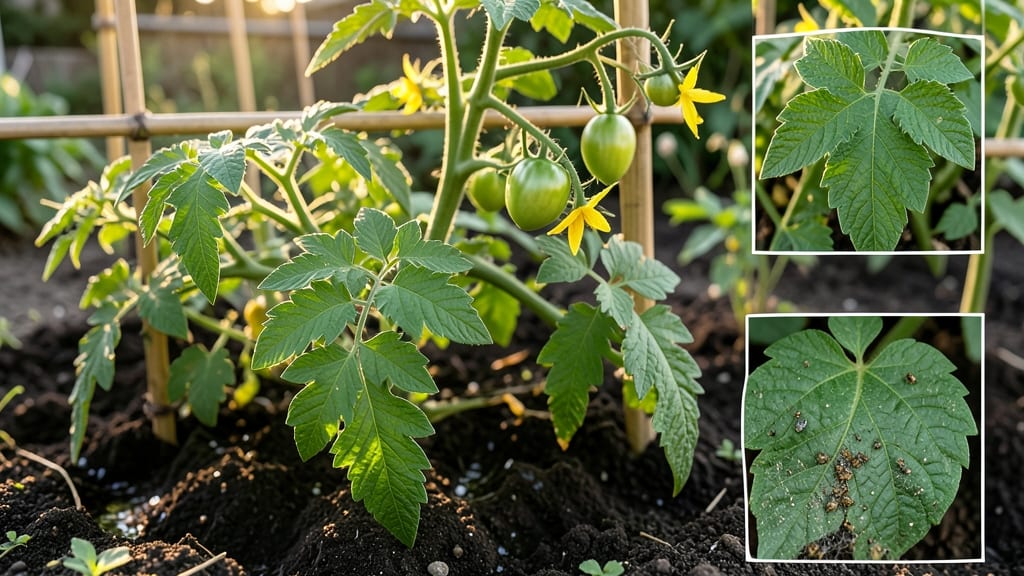
When your tomato branches curl down like a sad taco, it’s not just a weird growth quirk—it’s a cry for help. 🌱 I’ve seen this happen after heavy rain, pest attacks, or even just poor support, and the good news is most cases fix easily with the right moves.
The first step is figuring out whether your plants are begging for pruning, drowning in disease, or just need a sturdy stake to stand tall.
Start by checking the undersides of leaves for tiny bugs or sticky residue (aphids or whiteflies love tomatoes), then look for yellowing or wilting that spreads from the bottom up (a red flag for fusarium wilt).
Nutrient issues—like too much nitrogen—can also make vines flop, but the fix is simple: a balanced fertilizer and proper spacing. The key is acting fast before the problem spreads, because once the disease sets in, recovery gets a lot harder.
Once you’ve ruled out pests and disease, the solution often comes down to two things: pruning and support. Trim back any overly leggy growth to encourage stronger stems, then tie the main branches to sturdy stakes or a trellis.
I’ve seen vines go from sad and droopy to thriving in just a week with this combo—it’s like giving your tomatoes a confidence boost. The goal is to redirect their energy into producing fruit, not just trying to stay upright.
For stubborn cases, like severe fusarium wilt, you might need to pull the plant and rotate crops next season. But in most situations, a little pruning, proper support, and consistent care will have your tomatoes standing tall and producing like champs.
Here’s how to diagnose and fix it step by step—no more sad, droopy vines on your watch.
Root Causes Behind Drooping Tomato Vines
If your tomato branches are curling downward like a sad taco, don’t panic—your plants are likely signaling distress. Understanding the why behind this behavior is the first step to reviving them.
Below, we break down the most common culprits, from environmental stressors to hidden pests, with clear explanations and actionable insights.
Tomatoes are heat-loving plants, but when temperatures soar above 90°F (32°C), their leaves and stems can wilt dramatically. Here’s why:
- Photosynthesis slowdown: High heat disrupts the process, causing cells to lose turgor (the rigid structure that keeps stems upright). Think of it like a balloon losing air—floppy and sad.
- Transpiration overload: Plants sweat through tiny pores (stomata) to cool down, but excessive heat can dehydrate them faster than roots can replenish water.
- Sunburn risk: Direct midday sun can scorch leaves, weakening the vine’s structure.
💡 Pro Tip: Provide afternoon shade with shade cloth (30–50%) or mulch heavily to retain moisture. Drip irrigation in the early morning helps too!
Tomatoes have shallow roots and need consistent moisture to stay perky. When soil dries out:
- Cell dehydration: Without enough water, plant cells collapse, causing branches to droop like overcooked noodles.
- Nutrient cutoff: Roots struggle to absorb water and minerals, leading to weak stems.
- Root stress: Frequent drying and rewetting can damage roots, reducing their ability to support the vine.
🔥 Action Step: Water deeply 1–2 inches per week (more in extreme heat) and always at the base of the plant, not the leaves. Use a moisture meter to check soil levels!
Tiny invaders like aphids, whiteflies, or spider mites can drain your tomato’s vitality, causing branches to curl downward. Here’s how they sabotage your plants:
- Sap extraction: These pests pierce stems and leaves to suck out nutrients, weakening the plant’s structure.
- Toxin injection: Some pests (like aphids) inject saliva that triggers phytohormone imbalances, causing abnormal growth and curling.
- Secondary infections: Damaged areas become entry points for fungal or bacterial diseases, further stressing the vine.
🎯 Quick Fix: Blast pests off with a strong stream of water or use neem oil (1 tsp per quart of water) as a natural repellent. Check the undersides of leaves daily!
Pathogens like early blight, late blight, or fusarium wilt can cause tomato branches to curl, yellow, or die back. Here’s the science:
- Vascular blockages: Diseases like fusarium wilt clog the plant’s xylem vessels (its water highways), starving branches of hydration.
- Leaf spot spread: Fungal spores (e.g., Alternaria solani) create lesions that disrupt photosynthesis, draining energy from stems.
- Root rot: Overwatered or poorly drained soil invites Phytophthora, rotting roots and cutting off support.
🌡️ Prevention: Rotate crops yearly, avoid overhead watering, and remove infected leaves immediately. Copper fungicides can help if caught early.
Tomatoes are heavy feeders, and deficiencies in key nutrients can cause branches to weaken and droop:
| Nutrient | Deficiency Signs | Why It Causes Curling |
|---|---|---|
| 🟢 Nitrogen (N) | Yellowing leaves (starting at the bottom) | Weakens overall plant vigor, reducing stem strength. |
| 🟡 Potassium (K) | Brown leaf edges, weak stems | Impairs water regulation, leading to flaccid branches. |
| 🔴 Magnesium (Mg) | Yellow patches between leaf veins | Disrupts chlorophyll production, reducing energy for structural support. |
💡 Fix It: Test your soil and amend with balanced fertilizer (e.g., 10-10-10) or compost. For potassium, try wood ash or banana peels!
Tomatoes are tender, and physical forces can cause branches to curl or break:
- Wind damage: Strong gusts can desiccate leaves (dry them out) or physically bend stems beyond recovery.
- Hail or frost: Bruised cells can’t photosynthesize, leading to weak, drooping growth.
- Mechanical injury: Rough handling (e.g., during pruning) can damage cambium layers, the plant’s growth ring.
🔪 Solution: Use stakes, cages, or trellises to shield plants from wind. After storms, prune damaged branches just above a healthy leaf node to encourage regrowth.
Now that you’ve identified the likely cause, your next step is targeted fixes to get those tomato branches standing tall again! 🍅💪
Fixing Your Tomato Vines Now
Now that you know why your tomato branches are curling downward—whether from pests, disease, nutrient issues, or environmental stress—it’s time to roll up your sleeves and restore those vines to their full, sun-soaked glory! 🌱 The good news?
Most problems have simple, effective fixes. Below, we’ve mapped out practical solutions for each common cause, along with prevention tips to keep your tomatoes thriving all season.
If tiny critters like aphids, spider mites, or whiteflies are the culprits, act fast to prevent further damage.
🔥 Step 1: Inspect and Confirm
Start by closely examining the undersides of leaves and stems. Look for:
- Sticky residue (honeydew) from aphids.
- Fine webbing (sign of spider mites).
- Tiny white moths or eggs (whiteflies).
🍳 Step 2: Blast Them Away
- Neem Oil Spray 🌿: Mix 1 tbsp neem oil + 1 tsp mild soap + 1 quart water. Spray thoroughly on leaves (early morning or evening to avoid burning plants).
Reapply every 5–7 days. - Insecticidal Soap 🧼: Spray directly on pests (test on a small leaf first to avoid damage). - Water Blast 💦: For aphids, hose them off with a strong stream of water.
👨🍳 Step 3: Introduce Beneficial Bugs
Ladybugs, lacewings, and parasitic wasps are natural pest predators. Buy them online or attract them with dill, fennel, or marigolds planted nearby.
💡 Prevention Tips
- Rotate crops yearly to disrupt pest life cycles.
- Use reflective mulch (aluminum foil or silver plastic) to deter whiteflies.
- Inspect new plants before bringing them home—quarantine for a week if possible.
Tomatoes are tropical plants at heart. Extreme temperatures can cause branches to wilt or curl downward.
🔥 Step 1: Adjust Watering
- Heat Stress: Water deeply in the early morning (1–1.5 inches per week). Use mulch (straw or grass clippings) to retain moisture.
- Cold Stress: Water lightly in the afternoon to absorb heat and protect roots from freezing.
🍳 Step 2: Provide Shade Cloth
If temperatures exceed 90°F (32°C), drape 30–50% shade cloth over plants for a few hours daily. Remove it as temps drop.
👨🍳 Step 3: Support Weak Vines
- Stake or Cage 🪵: Use tomato cages, bamboo stakes, or wooden dowels to support heavy branches.
- Prune Strategically ✂️: Trim curled or damaged leaves to redirect energy to fruit production.
✨ Prevention Tips
- Choose heat-tolerant varieties like ‘Solar Fire’ or ‘Heatmaster’ for hot climates.
- Plant in late spring after the last frost date.
- Use black plastic mulch to warm soil and protect roots.
Yellowing leaves, weak stems, or curling branches often signal a hunger for key nutrients.
🔥 Step 1: Diagnose the Deficiency
| Symptom | Likely Cause | Quick Fix |
|---|---|---|
| Yellow lower leaves | Nitrogen deficiency | Apply blood meal or compost tea |
| Purple stems/leaves | Phosphorus deficiency | Use bone meal or rock phosphate |
| Weak, curling new growth | Potassium deficiency | Sprinkle wood ash or Epsom salt |
| Pale, soft leaves | Magnesium deficiency | Spray Epsom salt solution (1 tbsp/gal water) |
🍳 Step 2: Fertilize Correctly
- Balanced Fertilizer: Use a 5-10-10 or 10-10-10 formula at planting, then switch to low-nitrogen (5-5-5) when flowers appear.
- Avoid Over-Fertilizing: Too much nitrogen = leafy growth, fewer tomatoes. Side-dress with compost mid-season instead.
👨🍳 Step 3: Improve Soil Health
- Add organic matter: Mix in aged manure, worm castings, or leaf mold before planting.
- Mulch heavily: Keeps soil cool and retains moisture/nutrients.
🎯 Prevention Tips
- Test your soil before planting (pH 6.0–6.8 is ideal for tomatoes).
- Rotate crops to prevent nutrient depletion.
- Use foliar sprays (like fish emulsion) for quick nutrient boosts.
Diseases like early blight, late blight, or bacterial spot can cause curling, wilting, or spotting.
🔥 Step 1: Remove Infected Parts
- Prune curled or spotted leaves with sterilized shears (wipe with rubbing alcohol between cuts).
- Dispose of debris in the trash (not compost)—don’t let it reinfect your garden.
🍳 Step 2: Apply Fungicides
- Copper-based sprays 🛡️: Effective against bacterial spot and early blight. Spray every 7–10 days.
- Baking Soda Solution 🍞: Mix 1 tbsp baking soda + 1 tsp oil + 1 quart water.
Spray for powdery mildew prevention. - Neem Oil (again!): Fungicidal properties help prevent spread.
👨🍳 Step 3: Improve Airflow
- Space plants 18–24 inches apart.
- Prune suckers to reduce humidity in the plant canopy.
- Water at the base (avoid overhead watering).
💡 Prevention Tips
- Plant disease-resistant varieties like ‘Mountain Merit’ (blight-resistant) or ‘Defiant PhR’.
- Rotate crops—never plant tomatoes in the same spot two years in a row.
- Solarize soil in fall (cover with clear plastic for 4–6 weeks) to kill pathogens.
Sometimes, curling is just your tomatoes begging for a little help to hold up those heavy fruits!
🔥 Step 1: Install Support Systems
- Cages: Opt for heavy-duty wire cages (6+ feet tall) for indeterminate varieties.
- Stakes: Use tall bamboo stakes or wooden posts (bury 1–2 feet deep).
Tie stems with soft plant ties or old T-shirts. - Trellis: Great for cherry tomatoes—train vines upward for better airflow.
🍳 Step 2: Prune for Balance
- Remove suckers (shoots in the leaf axils) to focus energy on fruit.
- Top the plant (cut the top few inches) when it reaches your trellis/cage to stop excessive growth.
👨🍳 Step 3: Harvest Regularly
- Pick tomatoes as they ripen—overloaded branches curl under their own weight!
- Use a sling or basket under plants to reduce strain on stems.
✨ Prevention Tips
- Start with support at planting—don’t wait until vines are struggling.
- Choose dwarf or bush varieties (like ‘Patio’ or ‘Tiny Tim’) for containers or small spaces.
- Weed regularly—competition for nutrients weakens vines.
Final Thought: Most tomato problems are fixable with quick action—whether it’s a spray, a stake, or a soil boost. The key is catching issues early and giving your plants the right care.
Now grab your pruners, mix up that neem oil, and get those branches standing tall again! 🍅💪
Frequently asked questions
Why do my tomato branches curl down only in the afternoon?
This is classic heat stress! When temperatures hit 90°F+ (32°C+), tomato cells lose turgor pressure, causing branches to droop. The good news? They usually perk up overnight when temps drop. Provide afternoon shade with 30-50% shade cloth or mulch heavily to retain moisture. Water deeply in the morning to give roots time to absorb before the heat peaks.
Can overwatering cause tomato branches to curl downward?
Yes—especially if your soil drains poorly. Overwatering leads to root rot (from Phytophthora fungi), which cuts off water/nutrient supply to branches. Check soil moisture with your finger: if it's soggy 2 inches down, cut back to 1 inch per week. Amend clay soil with compost to improve drainage, and avoid watering overhead to prevent fungal spread.
How do I tell if curling is from pests vs. disease?
Look for these clues: Pests (aphids/whiteflies) leave sticky residue (honeydew) or tiny webs on undersides of leaves. Disease (like early blight) shows as brown/yellow spots with curled edges. For pests, blast with water or use neem oil. For disease, prune infected leaves immediately and apply copper fungicide every 7-10 days.
Will pruning help if my tomato branches are already curled?
Pruning strategically can redirect energy to healthier growth. Cut back any severely curled or damaged branches just above a leaf node. For indeterminate varieties, also remove suckers (side shoots) to reduce strain. Just avoid over-pruning—never trim more than 1/3 of the plant at once. Pair pruning with stakes or cages to support remaining branches.
My tomato plants were fine, then suddenly curled—what could have happened?
Sudden curling often signals a pest outbreak (like spider mites) or environmental shock (e.g., windstorm or hail). Check for new pests or physical damage first. If no pests/disease, it might be nutrient shock—recent fertilizer changes can cause temporary weakness. Test soil pH (ideal: 6.0-6.8) and adjust with lime (to raise) or sulfur (to lower) if needed.