
Blooming
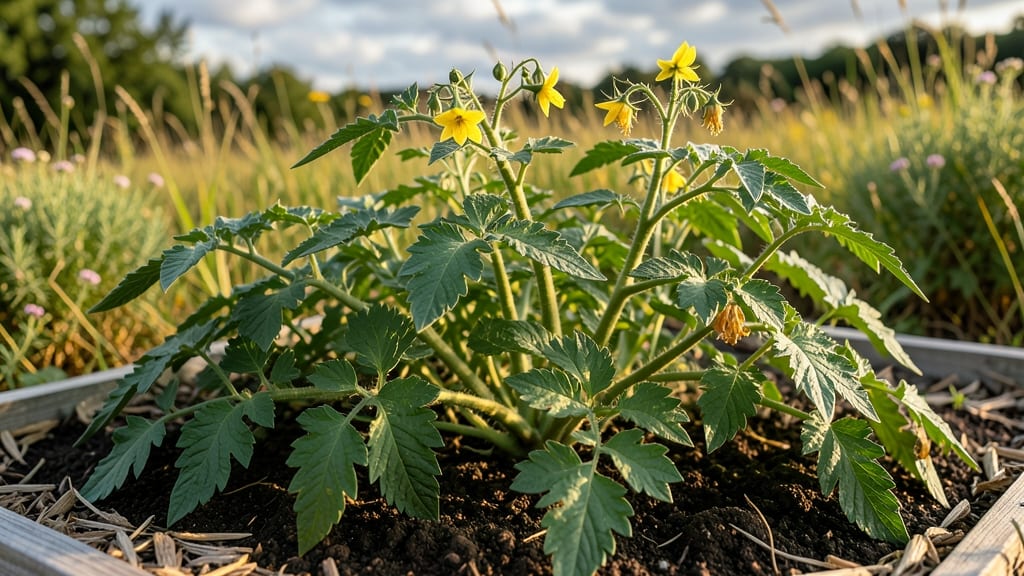
Tomato flower stages reveal exactly when your plants are ready to set fruit—or when they’re about to fail. 🌸 I’ve watched hundreds of blossoms go from hopeful buds to either heavy tomatoes or sad wilting, and the difference comes down to timing, weather, and a few simple checks.
The first stage is the tiny green bud—so small it’s easy to miss—appearing 4-6 weeks after transplanting. These buds need consistent warmth (above 55°F) to open properly; cooler nights cause them to drop before they ever bloom.
Next come the yellow petals, which unfurl over 2-3 days—this is your critical window for pollination. Once open, flowers last just 24-48 hours before wilting. That’s when you’ll see tiny fruit bumps forming at the base (success!) or empty petals falling off (failure). The secret to perfect pollination?
A gentle shake of the plants on calm days or a light spray of water to help pollen move. This isn’t just about watching—it’s about intervening. Too many gardeners assume flowers will set fruit on their own, but tomatoes often need a little help.
Let’s break down each stage so you can turn every blossom into a harvest.
📚 In This Guide
- What you need
- Instructions
- Tips and common mistakes
- Wrapping up and next steps
What you need
- ● Tomato plants – Healthy, flowering varieties (e.g., Roma, Cherry, or Beefsteak). Ensure they’re at least 6-8 weeks old with visible buds.
- ● Magnifying glass or macro lens – A 10x magnification tool to inspect flower structures up close.
- ● Notebook & pen – For logging flower stages, dates, and observations.
- ○ Camera (optional but helpful) – A smartphone with a macro photography mode to capture stages.
- ● Small paintbrush or cotton swab – For gentle pollen transfer (if hand-pollinating).
- ● Pollen collection tool – A soft-bristled paintbrush or fine-tip tweezers for transferring pollen.
- ● Sunlight – 6-8+ hours of direct sunlight daily for optimal flower development.
- ● Temperature range – Ideal 65–85°F (18–29°C). Avoid extreme heat (below 55°F/13°C or above 95°F/35°C), which can cause flower drop.
- ● Humidity control – Maintain 40–70% humidity; use a fan or humidifier as needed.
- ● Watering routine – Keep soil consistently moist (not soggy). Water at the base to avoid wetting flowers.
- ● Grow lights – LED full-spectrum bulbs (12–16 hours/day) for indoor or cloudy conditions.
- ● Pollination spray bottle – A fine-mist sprayer with water or sugar water (1 tsp sugar per cup) to attract bees.
- ● Bee-friendly plants – Companion plants like basil, marigold, or borage to boost natural pollinators.
- ● Garden journal app – Tools like Gardenate or PlantNet to track stages digitally.
How to identify and support tomato flower development
Here’s how I track each flower stage—so you’ll know exactly when to help pollinate for the biggest harvest.
🌸 Step 1: Recognize the Bud Stage
The first phase starts when you spot tiny, compact green bumps at the leaf axils—these are your future flowers. At this stage, they’re just 1/8-inch buds, often hidden under leaves. I check plants weekly after the first true leaves appear, since buds form 2-3 weeks before flowering.
Don’t mistake them for new leaves—buds stay tightly closed and feel slightly fuzzy. If your plants are in low light, buds may stay small or drop off. Move them to 6-8 hours of direct sun immediately if you see stunted growth here.
🌼 Step 2: Watch for Flower Opening
When buds swell to 1/4-inch and split open, you’ve reached the critical opening stage. Yellow anthers (the pollen-producing parts) will appear first, followed by white or pale yellow petals unfurling over 2-3 days. This is your cue to start hand-pollination if your garden lacks bees.
I tap each flower cluster gently with a pencil or finger twice daily—once in the morning and once in the afternoon. The pollen needs to land on the stigma (the sticky center) for fruit to set. If petals fall without fruit forming, your plants may need more phosphorus-rich fertilizer.
🍅 Step 3: Identify Pollinated Flowers
Within 24-48 hours of successful pollination, petals will start wilting and falling while the flower’s base swells slightly. Look for a tiny green bump where the flower was—this is your tomato in its earliest form. I mark these spots with a toothpick to track progress.
Unpollinated flowers shrivel completely and drop off. If you see many flowers failing to set fruit, check for these common issues: temperature extremes (below 55°F or above 90°F), overwatering (which stresses roots), or pollen issues (like weak anthers from poor light).
🌱 Step 4: Monitor Fruit Development
Once the green bump forms, it’ll grow into a pea-sized tomato within 7-10 days. At this point, the flower’s remnants will fall away completely. I remove any remaining empty flower clusters to redirect the plant’s energy into developing fruit.
Here’s the thing—if your tomatoes start small but then drop off, your plants might be over-fertilized with nitrogen (causing leafy growth instead of fruit) or underwatered (stressing the plant). Keep soil consistently moist but never soggy during this stage.
⏰ Step 5: Support Maturing Fruit
As tomatoes grow beyond 1-inch, focus on protecting them from pests (like hornworms) and diseases (like blight). Prune suckers aggressively to improve airflow and reduce humidity around fruit clusters. I also remove any yellowing lower leaves to prevent soil-borne pathogens from reaching the fruit.
This is where patience pays off. A well-pollinated tomato will color up evenly and ripen in 25-40 days, depending on the variety. If you’re growing in containers, ensure they’re 10+ gallons to support heavy fruit loads without tipping over.
Tips & tricks for perfect tomato flower development
Here's what nobody tells you about getting every tomato flower to set fruit—these are the details that separate a decent harvest from an amazing one.
Light Matters: Those 6-8 hours of direct sun aren't just a suggestion—they're non-negotiable for healthy bud development. I've seen buds wither and drop off when plants get less than 5 hours of sunlight. If your garden gets afternoon shade, consider moving containers to sunnier spots or using reflective mulch to bounce light onto lower leaves.
Hand-Pollination Technique: When you're tapping those flowers twice daily in Step 2, think of it like conducting an orchestra—gentle, deliberate strokes work best. I use a clean paintbrush instead of fingers to avoid transferring bacteria, and I work from the center of the cluster outward. The pollen needs to land directly on the stigma (the sticky center), not just bounce off petals.
Temperature Watch: The 55°F to 90°F range is your sweet spot for pollination. Below 55°F, pollen production slows dramatically, and above 90°F, flowers can drop without setting fruit. I've had to cover plants with shade cloth during heatwaves to keep temperatures in this range—it's saved me from losing entire clusters of flowers.
Visual Progress Tracking: That toothpick trick in Step 3 is a game-changer for keeping track of pollinated flowers. I also use a small whiteboard by my plants to mark dates when flowers open and when fruit bumps appear. This helps me calculate ripening timelines and plan my harvest schedule. The visual record also shows me which branches are most productive, so I can focus my care there.
Pro Tips for Tomato Flower Stages
- Here's what nobody tells you about getting every tomato flower to set fruit—these are the details that separate a decent harvest from an amazing one.
- Light Matters: Those 6-8 hours of direct sun aren't just a suggestion—they're non-negotiable for healthy bud development.
- Hand-Pollination Technique: When you're tapping those flowers twice daily in Step 2, think of it like conducting an orchestra—gentle, deliberate strokes work best.
Frequently asked questions
Got questions about tomato flower stages? You’re not alone! Here are some of the most common queries gardeners have when navigating pollination and bloom cycles—plus quick, actionable answers to keep your tomatoes thriving.
How do I tell if a tomato flower is male or female?
Male flowers grow on the vine’s stem and have a long, slender stem with no fruit below. Female flowers appear near leaf axils (where leaves meet the stem) and have a tiny tomato bud at their base. Pro tip: Female flowers are your pollination goldmines—prioritize these for fruit set!
When is the best time to pollinate tomato flowers?
Pollinate in the morning when flowers are fully open and humidity is low (ideal for bees or manual pollination). Avoid midday heat, which can stress flowers. Signs it’s time: Flowers are white/yellow and slightly wilted at the edges. Use a small brush or gently shake plants to spread pollen.
Why aren’t my tomato flowers turning into fruit?
Common culprits include lack of pollination (especially in greenhouses), temperature extremes (below 55°F or above 95°F), or nutrient deficiencies (low phosphorus/potassium). Try hand-pollinating, providing shade cloth, or fertilizing with a balanced 10-10-10 mix.
Can I prune tomato flowers to boost fruit production?
Yes! For determinate varieties, prune suckers and excess flowers to direct energy to existing fruit. For indeterminate types, remove only the first few flowers to encourage stronger vines. Warning: Over-pruning can reduce yield—balance is key!
What if there are no bees around to pollinate my tomatoes?
No bees? No problem! Use a soft paintbrush or cotton swab to transfer pollen from male to female flowers. On windy days, gently shake plants to spread pollen naturally. Bonus: Plant bee-friendly flowers nearby (like basil or marigolds) to attract pollinators long-term.
How often should I check tomato flowers for pollination success?
Inspect flowers every 2–3 days during peak bloom. Look for swollen buds (signs of pollination) or dropped flowers (failed pollination). Early intervention saves time—remove unproductive flowers to redirect plant energy.
Wrapping up and next steps
Understanding the tomato flower stages is your secret weapon for a bountiful harvest! 🌱 From the delicate bud stage to the vibrant open bloom, each phase plays a crucial role in pollination.
By recognizing these stages and taking simple steps—like hand-pollinating or attracting bees—you’ll set your plants up for success.
Now that you’re armed with knowledge, get hands-on! Grab your garden gloves and start observing those blossoms. Tag a friend or share your progress—happy gardening! 🌿✨