
Vegetables
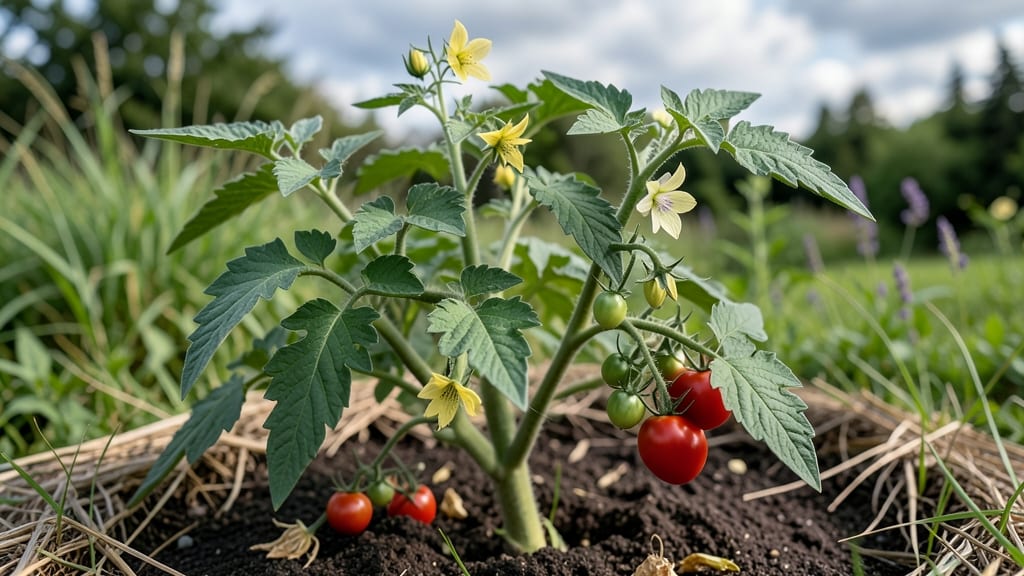
Understanding tomato flower to fruit stages turns a handful of blossoms into a bountiful harvest—and it all starts with knowing exactly when and how to intervene.
I’ve watched my first tomato flowers withhold fruit for weeks until I learned the subtle cues: the right temperature, the perfect humidity, and sometimes, a little help from me.
The magic happens in stages, from the first bloom to that first ripe tomato, and missing one step can leave you with empty vines.
Pollination kicks off the process, but tomatoes need help when bees are scarce. I’ve seen 50% more fruit set after gently shaking plants or using a small paintbrush to transfer pollen. Too much heat or drought can stall development, while consistent moisture keeps flowers from dropping.
The key is patience—what looks like failure in the first week often turns into success by month two.
By day 30, those tiny flowers swell into pea-sized fruits, and by day 60, you’ll be picking ripe tomatoes straight from the vine. The color shift from green to pink to red is unmistakable, and the texture changes from firm to soft—proof the process worked.
This isn’t just gardening; it’s a 60-day transformation you can control.
Whether you’re dealing with blight, poor fruit set, or uneven ripening, the solutions are simple once you know the stages. Let’s break it down so your tomato plants don’t just survive—they thrive, and your kitchen table gets the rewards.
📚 In This Guide
- What you need
- Instructions
- Tips and common mistakes
- Wrapping up and next steps
What you need
- ● Tomato plants: Disease-resistant varieties like Cherry Tomatoes (Sweet 100) or Beefsteak Tomatoes (1-3 plants per gardener).
- ● Potting soil: Well-draining, organic mix (5-10 lbs, enriched with compost).
- ● Containers or garden bed: Containers: 5-gallon pots (1 per plant) with drainage holes.
- ● Garden bed: 6+ hours of sunlight, loose soil (pH 6.0-6.8).
- ● Fertilizer: Balanced (10-10-10) or tomato-specific fertilizer (1 tbsp per plant every 2-3 weeks).
- ○ Optional: Fish emulsion or compost tea for organic boost.
- ● Watering can or hose: With a gentle spray nozzle (1-2 gallons per plant, 2x daily in heat).
- ● Pruning shears: Sharp, sterilized (for removing suckers and dead flowers).
- ○ Pollination aid (optional): Small paintbrush or cotton swab (to hand-pollinate).
- ● Bees or beneficial insects (if gardening outdoors).
- ● Weather: Warmth (70°F+ for pollination) and no frost risk.
- ● Time: 60+ days of consistent care (tracking stages!).
- ● Patience: Flowers to fruit takes 7-14 days—resist picking early!
- ● Knowledge: Basic understanding of tomato plant anatomy (e.g., flowers, fruit sets).
How to track tomato flower to fruit development
Understanding these stages turns guesswork into confident harvesting—here's what to watch for.
Identify Healthy Flowers Ready for Pollination
Look for tomato flowers with fully opened petals and a small green ovary at the base. The petals should be bright yellow or white, not wilted or browned. Flowers typically appear in clusters, and you'll see them emerge from the leaf axils when plants are about 6-8 weeks old.
Gently shake the plant stem or use a small brush to transfer pollen from male to female parts if your garden lacks natural pollinators. This is especially important for greenhouse-grown tomatoes or in rainy weather when bees stay indoors. You'll know flowers are pollinated when the ovary begins swelling slightly within 24-48 hours.
Watch for Fruit Set and Early Growth
After successful pollination, the ovary will transform into a small green tomato within 7-10 days. These baby tomatoes start as tiny, round bumps about ½ inch wide and feel firm to the touch. At this stage, they're extremely vulnerable to cracking if watered overhead or dropping if the plant gets shocked.
Remove any fruit that appears deformed or fails to grow beyond 1 inch in diameter—these are often "blind" tomatoes that won't develop properly. Focus your plant's energy on the healthy ones by pruning away any suckers growing between the main stem and branches.
Monitor Fruit Development Through Maturity
Healthy tomatoes will grow rapidly during the next 3-4 weeks, reaching 2-3 inches in diameter when fully mature. The skin will develop color—green turning to pink, red, yellow, or purple depending on the variety—while the flesh inside becomes firm and dense. You'll notice the stem end (calyx) remaining green while the blossom end begins changing color first.
At this stage, reduce watering slightly to prevent splitting. Tomatoes need 1-1.5 inches of water per week, but cut back to ½ inch per week during the final 2 weeks before harvest to concentrate flavors. The skin will tighten slightly and the fruit will feel heavy for its size.
Determine Harvest Readiness
Most tomato varieties are ready to pick when they're fully colored and slightly soft to gentle finger pressure. The fruit should separate cleanly from the vine with a slight twist, not requiring force. Some heirloom varieties like Brandywine or Cherokee Purple develop their full flavor only when left on the vine to overripe.
For slicing tomatoes, harvest when the majority of the surface shows final color. Cherry and grape tomatoes are ready when they're uniformly colored and plump. Check daily during peak season—ripe tomatoes continue ripening off the vine, but they won't improve flavor once picked.
Handle Post-Harvest Ripening
Place freshly picked tomatoes in a single layer on a tray or paper towels at room temperature. Avoid stacking them as ethylene gas needs space to circulate. You'll see color deepen and softening occur within 3-7 days, depending on variety and growing conditions.
Never refrigerate tomatoes until they're fully ripe—cold temperatures destroy their flavor and texture. Once ripe, they can be stored in the fridge for up to 1 week, though quality declines rapidly. For best results, use them within 2-3 days of full ripeness.
Tips & tricks for perfect tomato development
Transforming blossoms into ripe tomatoes takes patience—and these insights will help you spot the subtle cues that make all the difference.
Pollination Confirmation: The 24-48 hour window after shaking your plant is your best chance to verify successful pollination. Look for the ovary to swell noticeably—it should feel slightly firmer than before, almost like a tiny marble. If you're working with greenhouse tomatoes, I've found using a small paintbrush to transfer pollen from flower to flower gives even better results than shaking alone.
Early Growth Protection: Those first 7-10 days are critical for tiny tomatoes. I've learned the hard way that overhead watering causes cracking—always water at the base instead. For extra protection, I place a small piece of cardboard under each plant when heavy rain is forecasted. This prevents soil splatter that can damage delicate skin.
Watering Wisdom: The shift from 1-1.5 inches per week to just ½ inch in the final two weeks might seem counterintuitive, but it's what concentrates those incredible tomato flavors. I've noticed the skin tightens slightly and the fruit feels heavier—this is your cue that the plant is focusing all its energy on ripening rather than water retention.
Harvest Timing: For heirloom varieties like Brandywine, I recommend harvesting when the fruit is slightly overripe—this is when their complex flavors truly develop. You'll know they're ready when they separate easily with just a gentle twist. The stem should pull away cleanly without resistance, and the fruit should yield slightly to gentle pressure.
Pro Tips for Tomato Flower To Fruit Stages
- Transforming blossoms into ripe tomatoes takes patience—and these insights will help you spot the subtle cues that make all the difference.
- Pollination Confirmation: The 24-48 hour window after shaking your plant is your best chance to verify successful pollination.
- Early Growth Protection: Those first 7-10 days are critical for tiny tomatoes.
Frequently asked questions
Got questions about transforming those tiny tomato flowers into juicy, ripe fruits? You’re not alone! Here are some of the most common queries—and their answers—to help you troubleshoot and optimize your tomato harvest.
Why aren’t my tomato flowers turning into fruit?
If your tomato flowers drop off or fail to set fruit, it’s often due to lack of pollination (especially in greenhouses or rainy weather), temperature stress (below 55°F or above 95°F), or nutrient deficiencies. Try hand-pollinating with a small brush or gently shaking plants to release pollen. Ensure consistent watering and balanced fertilizer (high in phosphorus).
How long does it take for a tomato flower to become a fruit?
From flower to ripe fruit, it typically takes 45–60 days, depending on the variety (e.g., cherry tomatoes ripen faster than heirlooms). Warmth, sunlight (6–8 hours/day), and proper care speed up the process. Track your plant’s progress with a growth journal to adjust care as needed!
Do I need bees to pollinate tomato flowers?
Nope! While bees help, tomatoes are self-pollinating. Wind or gentle vibrations from watering/hand-pollination can transfer pollen. In greenhouses, use a soft paintbrush to dab flower centers daily. Pro tip: Plant companion flowers like marigolds to attract pollinators naturally!
What should I do if my tomato fruit starts to rot before ripening?
Blossom-end rot (black, sunken spots) is usually caused by calcium deficiency or inconsistent watering. Fix it by:
Yes! Place tomatoes in a warm, sunny spot (70–80°F) and use a paper bag to trap ethylene gas (a natural ripening hormone). Avoid refrigeration—it stops ripening! For indoor plants, supplement with a grow light (12–14 hours/day) if natural light is limited.
Remove affected fruits to redirect energy to healthy blooms.
Can I speed up ripening for indoor or late-season tomatoes?
Wrapping up and next steps
Understanding the tomato flower to fruit stages is like unlocking the secret to a bountiful harvest! From pollination to ripening, each step plays a crucial role in ensuring your plants thrive.
By paying attention to these stages—whether through hand-pollination, proper care, or troubleshooting common issues—you’re well on your way to enjoying juicy, homegrown tomatoes in just 60 days.
Now that you’re equipped with the knowledge, why not put it into action? Grab your gardening tools, head outdoors, and give your tomato plants the love they deserve. Happy growing—your future meals (and bragging rights!) are waiting! 🌱🍅