
Vegetables
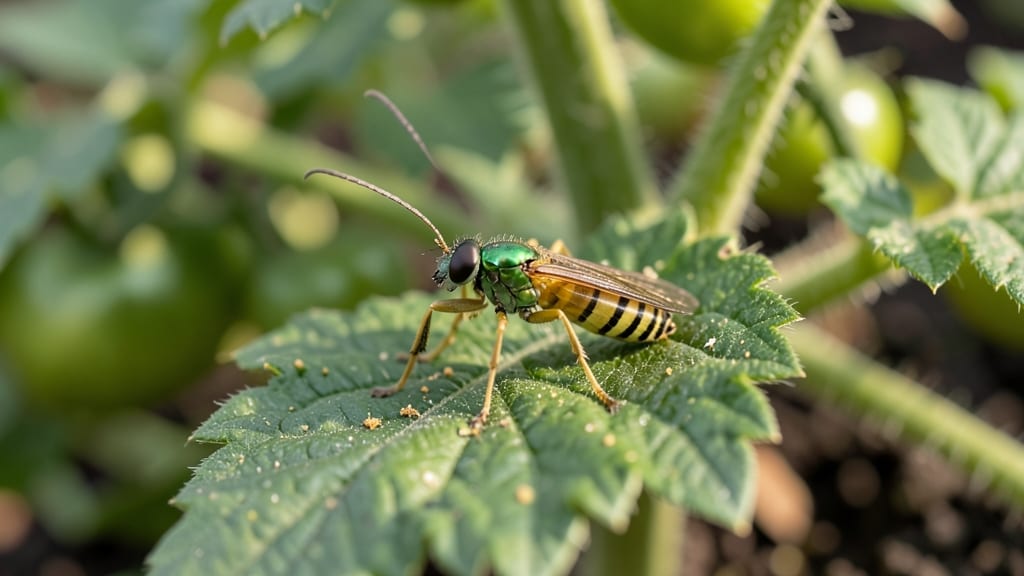
Your tomatoes could vanish overnight—tomato hornworm prevention starts with knowing these sneaky striped caterpillars eat entire plants in days. I’ve lost entire vines to them, but now I spot them early and use barriers that actually work without chemicals. The key is acting fast before they skeletonize your leaves.
These green monsters hide in foliage until it’s too late, so I check plants every 3 days at dawn when they’re sluggish. Companion planting with basil, marigolds, or dill confuses their scent trails, and row covers block them entirely.
The best defense? Handpicking—they’re easy to spot once you know what to look for.
You’ll save your harvest without harming pollinators or the soil. A single parasitic wasp release can wipe out 90% of a hornworm population naturally. Even my black-thumb neighbor got results using these methods last summer—no fancy gear, just smart timing and observation.
Works in home gardens, raised beds, or containers—just adjust the scale. The secret isn’t fancy sprays; it’s early detection and simple, eco-friendly barriers. Let’s protect those tomatoes before they’re gone.
What Lures Them In
Tomato hornworms—those striped, voracious caterpillars—don’t just appear out of nowhere. Their presence is a mix of environmental cues, plant chemistry, and even your garden’s layout. Understanding why they target your tomatoes (and other nightshades) is the first step to outsmarting them. Here’s the science behind their attraction:
Tomato hornworms (Manduca sexta) are specialists—they’ve evolved to detect and devour plants in the Solanaceae family, which includes tomatoes, peppers, eggplants, and potatoes. Their antennae are packed with olfactory receptors that zero in on specific volatile organic compounds (VOCs) released by these plants, like:
- Green leaf volatiles (GLVs): Emitted when leaves are damaged (even slightly), these chemicals signal "stress" to the hornworm, triggering a feeding frenzy. 🌿
- Methyl salicylate: A compound that smells like wintergreen to us but acts like a dinner bell to hornworms. Tomatoes release this when under attack, ironically inviting more pests.
- Flavonoids and terpenes: These plant secondary metabolites not only deter some insects but attract hornworms, which have adapted to tolerate (or even prefer) them.
Actionable insight: If you’ve noticed hornworms flocking to one tomato plant while others nearby stay untouched, it’s likely because that plant is already stressed (e.g., from overwatering, nutrient deficiency, or prior pest damage). Healthy plants emit different chemical signals—so keeping your tomatoes in peak condition is your first line of defense. 💡
Hornworms are nocturnal feeders, meaning they do most of their damage under the cover of darkness. Here’s why this matters:
- Moonlight and humidity: They’re most active on warm, humid nights with bright moonlight (which helps them navigate). Cloudy, windy nights? They’ll stay hidden.
- Avoiding predators: Birds, wasps, and parasitic flies hunt hornworms during the day. By feeding at night, they reduce their risk of becoming a snack. 🦋
- Plant scent amplification: Many plant VOCs are more concentrated at night, making your tomatoes smell even more irresistible to them.
Actionable insight: If you’re using handpicking as a prevention method, time matters. Check your plants early in the morning (before they’ve had a chance to retreat) or late evening (when they’re still sluggish from the night’s feast). Pro tip: Use a flashlight with a red or amber lens—hornworms are less sensitive to these wavelengths, so you’ll spot them more easily. 🔦
Hornworms don’t just wander randomly—they’re drawn to areas with high adult moth activity. Here’s how their life cycle fuels their numbers:
- Female moths lay eggs in clusters: A single female can deposit up to 2,000 eggs in her lifetime, often on the undersides of leaves near the plant’s growing tips (where young shoots are tender and nutritious).
- Pheromone trails: Male moths release pheromones to locate females, and once a mating pair is found, they emit additional signals that attract more moths to the same area. This creates a "hotspot" effect.
- Overwintering adults: In warmer climates, hornworm moths can survive the winter and lay eggs early in the season, giving them a head start on devouring your crops.
Actionable insight: If you’ve had a hornworm problem in past years, disrupt their mating patterns by:
- Installing moth traps with pheromone lures (available at garden centers) to reduce male populations.
- Removing egg masses as soon as you spot them (they’re usually laid in neat rows along stems or leaves).
- Avoiding broad-spectrum pesticides that kill natural predators (like parasitic Cotesia wasps), which can increase hornworm numbers by removing their checks and balances. 🐝
Hornworms thrive in gardens that offer them three key things:
- Food abundance: If your garden is packed with tomatoes, peppers, and eggplants in close proximity, it becomes a hornworm buffet.
- Shelter: Dense foliage, tall plants, or nearby weeds provide hiding spots during the day and protection from predators.
- Moisture: They prefer areas with high humidity, which is why they often target plants in shaded or poorly ventilated spots.
Actionable insight: Break the cycle by:
- Practicing crop rotation to avoid planting nightshades in the same spot year after year (moths remember!).
- Creating physical barriers like row covers or straw mulch to disrupt their access to plants.
- Encouraging predator-friendly plants (e.g., dill, fennel, or marigolds) near your tomatoes to attract hornworm hunters like ladybugs and lacewings. 🌼
Next up: We’ll dive into the natural barriers that actually repel hornworms—without harming your plants (or your conscience).
Natural Ways to Stop Hornworms
Now that you understand why tomato hornworms invade your garden, it’s time to take action with effective, chemical-free solutions. These methods focus on prevention, early detection, and organic removal—so you can protect your tomato plants without harming the environment or your family.
Cause: Early-stage hornworms are easy to miss, but manual removal is the fastest way to stop an outbreak. Fix:
- 🔍 Scout your plants in the morning or evening when hornworms are sluggish.
- 👨🍳 Grab them by the thorax (avoid the stinger!) and drop them into a bucket of soapy water.
- 🚚 Relocate them (if you’re squeamish) by placing them in a sealed container far from your garden—birds and other predators will thank you!
- Pro Tip: Check the underside of leaves and near blossoms—that’s where they hide!
Cause: Hornworms have few natural enemies, but some insects and birds love eating them. Fix:
- 🐞 Ladybugs & Lacewings – Release them in the early morning or evening (they’re sensitive to sunlight).
- 🦋 Parasitic Wasps (like Cotesia congregata) – These tiny wasps lay eggs inside hornworms, killing them naturally. Buy them online or attract them with dill, fennel, or parsley in your garden.
- 🐦 Encourage Birds – Install a bird feeder or birdhouse near your tomato plants. Chickadees, wrens, and robins devour hornworms.
- Pro Tip: Avoid pesticides—they kill beneficial insects too!
Cause: Sometimes, a quick spray can deter hornworms before they cause damage. Fix:
- 🌶️ Spicy Pepper Spray – Mix 1 tbsp cayenne pepper + 1 tsp dish soap + 1 quart water. Spray directly on hornworms (they’ll avoid the burn).
- 🍋 Neem Oil – Disrupts their feeding and growth. Mix 1 tsp neem oil + 1 tsp soap + 1 quart water, then spray evenly on leaves (best at dusk to avoid harming bees).
- 🍃 Bacillus thuringiensis (Bt) – A natural bacteria that kills caterpillars but is safe for humans and pets. Sprinkle Bt powder on plants or spray a liquid solution.
- Pro Tip: Reapply after rain—these sprays wash off quickly!
Cause: Hornworms can’t climb smooth surfaces, so blocking their access works wonders. Fix:
- 🧶 Collars Around Stems – Wrap cardboard, aluminum foil, or plastic collars around tomato stems (6 inches up). This stops moths from laying eggs.
- 🌿 Row Covers – Use floating row covers (lightweight fabric) over young plants. Remove when flowers appear to allow pollination.
- 🪴 Companion Planting – Plant basil, marigolds, or dill near tomatoes. Hornworms avoid these strong scents.
- Pro Tip: Check collars weekly—hornworms can chew through weak barriers!
Cause: Healthy tomatoes resist pests better—hornworms target weak, stressed plants. Fix:
- 💧 Water Deeply & Consistently – Avoid wetting leaves (encourages disease) but keep soil moist but not soggy.
- 🌱 Use Compost & Fertilizer – A balanced fertilizer (high in nitrogen early, then potassium/phosphorus) keeps plants vigorous.
- 🍅 Prune Strategically – Remove damaged leaves (hornworms love them) and thin suckers to improve airflow.
- Pro Tip: Mulch with straw—it deters moths from laying eggs in the soil.
Cause: If infestations are severe, luring hornworms away from your tomatoes can save the harvest. Fix:
- Plant a small patch of basil or dill nearby—hornworms prefer these over tomatoes.
- Once they migrate, handpick and remove them from the trap crop.
- Pro Tip: Rotate trap crops yearly to keep moths confused!
To keep hornworms from returning next season: ✅ Inspect plants weekly (especially after rain). ✅ Remove egg clusters (tiny, pale green, laid on leaves). ✅ Encourage predators (birds, ladybugs, wasps). ✅ Use row covers early in the season. ✅ Keep your garden clean (remove fallen fruit and debris).
With these natural, effective strategies, you’ll minimize hornworm damage without chemicals. The key? Stay vigilant, act fast, and let nature do the heavy lifting! 🚀
Frequently asked questions
Why do tomato hornworms suddenly appear in my garden?
Hornworms don't appear randomly—they're drawn by your tomato plants' scent signals. Healthy tomatoes release chemicals that attract these caterpillars, especially when stressed or damaged. Female moths can lay up to 2,000 eggs in clusters on leaf undersides, so check plants regularly after warm, humid nights when moth activity peaks.
Are tomato hornworms harmful to humans or pets?
No, they're completely safe! While they have a small stinger (like a mild bee sting), it's harmless to humans and pets. The real concern is their appetite—they can defoliate tomato plants in days. The best prevention is removing them manually or using natural deterrents before they become a problem.
How do I know if I have hornworms vs. other caterpillars?
Look for these key features: green color, white diagonal stripes, and a horn-like projection at the rear. They're often 2-4 inches long when mature. Unlike other caterpillars, hornworms leave behind skeletonized leaves (just the veins remain) and can disappear completely in minutes when disturbed.
Will neem oil really work against hornworms?
Yes, but expect limited results. Neem oil disrupts their feeding and growth, but hornworms are quite resistant compared to other pests. For better effectiveness, mix 1 tsp neem oil + 1 tsp soap + 1 quart water and apply at dusk. Combine it with handpicking for maximum protection—neem works best as part of an integrated approach.
Can I save my tomato plants if hornworms have already skeletonized the leaves?
Yes! While it looks dramatic, tomato plants are surprisingly resilient. Remove the hornworms immediately and focus on keeping the plant healthy. Prune damaged leaves, provide balanced fertilizer, and monitor for new pests. The plant can regrow foliage, though it may take 2-3 weeks. The fruit production usually continues unaffected if the main stems remain intact.