
Vegetables
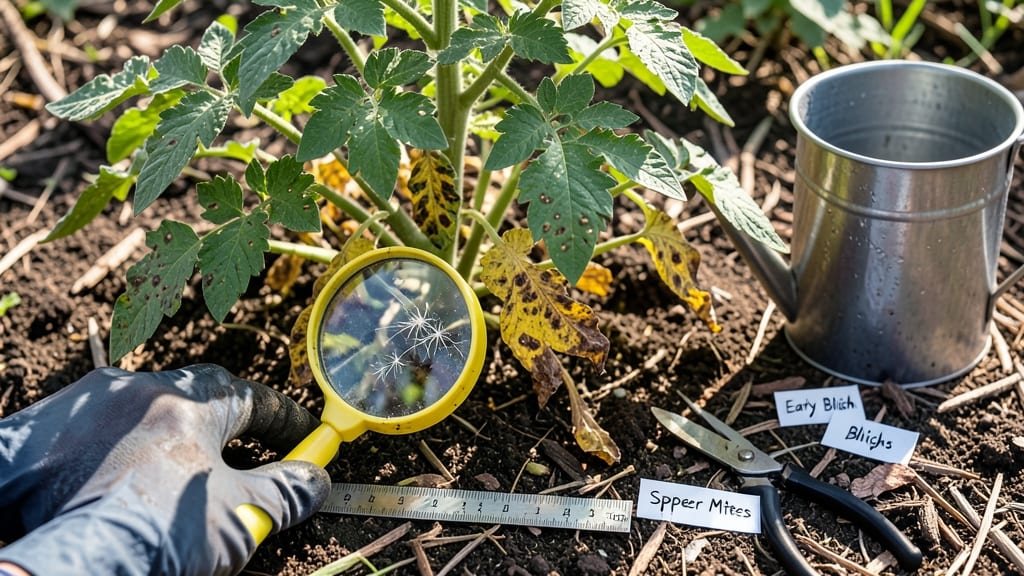
Your tomato plants are sending SOS signals through their leaves—here’s how to decode them. 🌿 I’ve spent years diagnosing tomato leaf problems, and these 10 common issues (with photos) will help you spot trouble before it ruins your harvest. Early intervention is key, so let’s start with the telltale signs.
From early blight’s concentric rings to aphid clusters and yellowing from overwatering, each problem has a distinct visual fingerprint. The guide pairs high-quality photos with simple fixes—like pruning infected leaves, adjusting water schedules, or introducing beneficial insects.
You’ll learn what to look for on both upper and lower leaf surfaces.
By the end, you’ll recognize powdery mildew’s white dust, bacterial spot’s tiny brown lesions, and nutrient deficiencies like nitrogen’s pale yellow leaves. Each solution is organic-friendly and tailored to your garden’s needs—no guesswork, just results. Your tomatoes will bounce back stronger than ever.
Whether you’re battling a sudden outbreak or just want to prevent problems, this visual guide gives you the confidence to act fast. No more mystery diagnoses—just clear photos, step-by-step fixes, and the tools to keep your plants thriving all season.
Root Causes Behind Leaf Troubles
Tomato plants are resilient, but their leaves often bear the brunt of environmental stress, pathogens, and poor growing conditions. Understanding the why behind these issues helps you take targeted action before problems spiral. Below, we break down the most common culprits—from microscopic invaders to simple oversights—using science-backed explanations.
Fungi thrive in warm, humid conditions, making them the #1 enemy of tomato leaves. These organisms release spores that land on foliage, germinate, and spread rapidly under ideal conditions.
- Powdery Mildew (Erysiphe cichoracearum): This fungus creates a white, powdery coating on leaves by forming a dense network of hyphae (thread-like structures) that block sunlight and stifle photosynthesis.
It spreads via wind or water splashes, especially in crowded plants with poor airflow. - Early Blight (Alternaria solani): Dark, concentric rings (target-like spots) appear due to fungal spores overwintering in soil or plant debris.
Warm temperatures (60–85°F) and wet foliage accelerate spore germination. - Late Blight (Phytophthora infestans): A devastating pathogen that causes greasy, brown spots with white mold underneath. It thrives in cool (55–77°F), wet conditions and can destroy a plant in days.
💡 Pro Tip: Fungal spores often hitchhike on tools, water, or even your hands. Always sanitize pruners with 70% rubbing alcohol and avoid overhead watering.
Unlike fungi, bacteria multiply inside plant tissues, causing wilting, yellowing, or oozing lesions. They spread through contaminated water, tools, or even insects.
- Bacterial Spot (Xanthomonas perforans): Tiny, water-soaked spots with yellow halos appear due to bacterial cells invading leaf cells.
Rain or overhead irrigation splashes bacteria onto leaves, creating entry points. - Bacterial Leaf Spot (Pseudomonas syringae): Irregular, greasy spots with yellow borders form as bacteria clog stomata (leaf pores), disrupting gas exchange. High humidity (75%+) accelerates outbreaks.
🔥 Warning: Bacteria can survive in soil for years. Rotate crops annually and remove infected plants immediately to prevent spread.
Viruses rely on insects (like aphids) or contaminated tools to hop from plant to plant. Once inside, they hijack the plant’s cells to replicate, leading to stunted growth, mosaic patterns, or leaf curling.
- Tomato Mosaic Virus (ToMV): Causes irregular yellow-green mottling due to viral proteins disrupting chlorophyll production.
Spread via sap (e.g., pruning wounds) or aphids feeding on infected plants. - Tomato Yellow Leaf Curl Virus (TYLCV): Transmitted by whiteflies, this virus causes upward leaf curling, vein swelling, and stunted growth by altering plant hormones.
✨ Silver Lining: Viruses can’t survive long outside a host, so removing infected plants and controlling insect vectors (like whiteflies) minimizes risk.
Not all leaf problems stem from pathogens. Harsh conditions—like extreme heat, cold, or nutrient deficiencies—can trigger visible symptoms that mimic diseases.
- Heat Stress (Temperatures >90°F): Leaves scorch at the edges (brown, crispy margins) because high temperatures disrupt cell membranes, causing water loss and protein damage. - Cold Damage (<40°F): Blackened or mushy leaves occur when ice crystals form in cells, rupturing them.
Young leaves are most vulnerable. - Nutrient Deficiencies: - Nitrogen (N): Yellowing between leaf veins (chlorosis) signals poor protein synthesis, often from overwatering or depleted soil. - Magnesium (Mg): Interveinal yellowing (especially on older leaves) happens when magnesium—critical for chlorophyll—is leached away by excessive rain or poor soil structure. - Potassium (K): Brown, dead spots at leaf edges (called "scorch") indicate potassium’s role in osmoregulation (water balance) is failing, often due to drought or over-fertilizing with nitrogen.
🌡️ Quick Fix: Mulch with straw to stabilize soil temperature and test soil pH (ideal: 6.0–6.8) to ensure nutrient availability.
Insects and wildlife don’t just eat leaves—they chew, suck sap, or inject toxins, leaving behind telltale signs.
- Aphids: Curling leaves and sticky honeydew (a sign of their sap-sucking) occur as these pests inject saliva containing plant-growth hormones, distorting tissue.
- Spider Mites (Tetranychus urticae): Tiny yellow/white dots (stippling) and fine webbing appear when mites pierce cells to feed, causing desiccation.
- Caterpillars/Slugs: Irregular holes or slime trails reveal these nocturnal munchers, which can defoliate plants overnight.
🎯 Action Step: Use row covers for caterpillars, blast mites off with water (they hate sudden pressure), and set out beer traps for slugs.
Overwatering or underwatering both create stress that leaves "scream" about—often misdiagnosed as disease.
- Overwatering: Yellowing leaves with mushy stems signal root rot (Phytophthora or Pythium), where waterlogged soil cuts off oxygen, suffocating roots.
- Underwatering: Wilting, crispy leaves (especially in heat) occur when cells lose turgor pressure due to lack of water, triggering stress hormones like abscisic acid (ABA).
⏰ Golden Rule: Water deeply 1–2 times per week (1–1.5 inches total) and always check soil moisture 1 inch below the surface before watering.
Herbicides, fungicides, or even tap water with high chlorine/salt content can scorch leaves, mimicking disease.
- Salt Burn: White or brown leaf tips/crusty soil indicate over-fertilization or poor-quality water (test for sodium/chloride levels >100 ppm).
- Herbicide Drift: Bleached or distorted leaves result from nearby glyphosate applications, which disrupt plant growth hormones.
🔪 Solution: Flush soil with plain water after fertilizing and use rainwater or filtered tap water for sensitive plants.
Quick Fixes for Tomato Leaf Troubles
Got tomato leaves looking worse for wear? Don’t panic—most common issues have simple, effective solutions. Below, we’ll match the problem to the cure, plus share pro tips to keep your plants thriving. Think of this as your emergency repair kit for tomato leaves!
🔥 Problem: Brown, concentric rings on lower leaves that spread upward. 👨🍳 Fix It Now: 1. Prune aggressively – Snip off infected leaves (and any touching the soil) with sterilized scissors (wipe with rubbing alcohol between cuts). Dispose of them in the trash—not the compost!
- Boost airflow – Space plants 18–24 inches apart and stake them to prevent humidity bucketing. Early blight loves damp leaves.
- Fungicide spray – Use a copper-based or baking soda spray (1 tsp baking soda + 1 quart water + a drop of dish soap) every 7–10 days until new growth appears.
💡 Prevention Tip: Rotate crops yearly—never plant tomatoes, peppers, or potatoes in the same spot two years in a row.
🔥 Problem: Dark, greasy spots with white mold on undersides (like Irish potato famine vibes). 👨🍳 Fix It Now:
- Isolate immediately – Move infected plants 10+ feet away from healthy tomatoes (or remove them entirely if severe).
- Spray with fungicide – Use chlorothalonil (like Daconil) or neem oil (for organic gardens). Reapply after rain.
- Sanitize everything – Wash tools, pots, and your hands with bleach water (1 part bleach to 9 parts water).
⚠️ Warning: Late blight spreads fast. If you see it, warn your gardening group—it’s a regional threat!
🔥 Problem: White, powdery coating on leaves (like someone dusted them with flour). 👨🍳 Fix It Now: 1. Wipe leaves – Use a soft cloth dampened with soapy water (1 tsp mild soap per gallon) to remove mildew.
- Spray preventive mix – Try milk spray (1 part milk to 9 parts water) or potassium bicarbonate (2 tbsp per gallon). Spray undersides too!
- Adjust watering – Water early in the day and avoid overhead sprinklers.
🌡️ Pro Tip: Resistant varieties like ‘Mountain Merit’ or ‘Defiant’ won’t throw a mildew tantrum.
🔥 Problem: Yellow stippling, webbing, and leaves that look like they’ve been sandpapered. 👨🍳 Fix It Now:
- Blast them off – Spray plants with a strong hose stream (mites hate water).
- Neem oil or insecticidal soap – Apply every 5–7 days until mites vanish. (Test on a few leaves first!)
- Attract predators – Ladybugs and lacewings love mites. Plant dill or marigolds nearby.
💡 Prevention: Keep soil moist—mites thrive in dry heat.
🔥 Problem: Small, dark spots with tiny black dots (like confetti) in the center. 👨🍳 Fix It Now:
- Remove infected leaves – Cut them at the stem (don’t tear) and bag them.
- Copper fungicide – Spray every 10 days until harvest.
Organic? Try garlic spray (blend 2 cloves + 1 tsp oil + 1 quart water). 3. Clean up debris – Rake and remove all fallen leaves after harvest.
✨ Bonus: Mulch heavily (2–3 inches) to block spore splash from soil.
No matter the issue, these universal fixes help: - Water at the base (never the leaves)—💧 early morning only. - Fertilize right – Too much nitrogen = weak leaves.
Use a balanced 10-10-10 or tomato-specific fertilizer. - Rotate crops – Never plant tomatoes in the same spot two years in a row. - Inspect weekly – Catching problems early = easier fixes!
🎯 Final Pro Tip: If your tomatoes are still struggling, test your soil pH (aim for 6.0–6.8). Happy plants fight diseases better!
Now grab your shears, spray bottle, and get to work—your tomatoes (and future sauces) will thank you! 🍅🔥
Frequently asked questions
How can I tell if my tomato plant has a fungal disease just by looking at the leaves?
Check for these key visual clues: powdery mildew appears as white, powdery patches (like flour dust), while early blight shows brown, concentric rings on lower leaves. Late blight creates greasy-looking dark spots with white mold on undersides. Fungal issues often start on older leaves first and spread upward.
What’s the difference between aphids and spider mites on tomato leaves?
Aphids cluster in sticky groups on new growth and leave curled leaves with honeydew (sticky residue), while spider mites create tiny yellow stipples and fine webbing between leaves. Aphids are easier to spot with the naked eye, but mites require a magnifying glass.
Can I save my tomato plant if it has bacterial spot?
Yes, but act fast! Remove infected leaves immediately, spray with copper fungicide every 10 days, and avoid overhead watering. Severe cases may require removing the entire plant to prevent spread. Bacterial infections can’t be cured once established, but you can slow progression.
Why are my tomato leaves turning yellow between the veins?
This classic symptom usually indicates a nitrogen deficiency, often caused by overwatering or poor soil. Check if the yellowing starts on older leaves first. Test your soil pH (6.0–6.8 is ideal) and apply a balanced fertilizer like 10-10-10. Yellowing from veins outward suggests nitrogen issues.
How do I know if my tomato plant’s problems are from pests or disease?
Pest damage usually shows as physical holes, chew marks, or webbing (like from caterpillars or mites), while diseases create spots, discoloration, or unusual growth patterns. Check leaf undersides for eggs or pests—if you find living creatures, it’s likely pest-related.