
Leaf Blower

Tomato leaf worms can devastate your garden in days, but these organic spray solutions deliver fast, chemical-free results without harming your plants or pollinators. Say goodbye to skeletonized leaves with targeted, effective remedies that work within hours.
Homemade Neem Oil Spray

When your tomato plants look like Swiss cheese overnight, homemade neem oil spray is your secret weapon. This natural powerhouse disrupts the tomato leaf worm's feeding cycle within 24 hours, while also preventing fungal diseases like early blight and repelling other garden pests.
Mix 1 tablespoon of cold-pressed neem oil with 1 teaspoon of mild liquid soap (like Castile) and 1 quart of water. Apply in the early morning or evening to avoid harming bees, and reapply every 5-7 days during active infestations. The key is consistency—neem oil works best as a preventative when applied before pests appear.
This is the go-to solution for gardeners with large-scale tomato beds or those who want a multi-purpose spray that tackles multiple problems at once. Plus, it’s safe for your plants and the environment once fully absorbed. 🌱
Garlic and Chili Pepper Spray
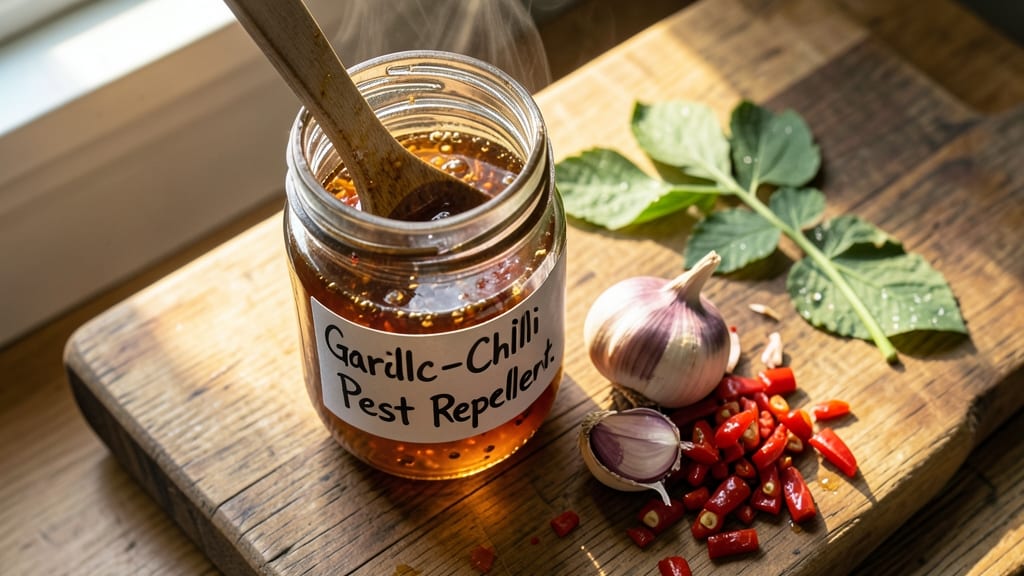
When tomato leaf worms strike with relentless hunger, reach for the kitchen pantry—garlic and chili pepper spray is your secret weapon. This fiery blend doesn’t just mask the scent of your plants; it actively repels pests while disrupting their feeding patterns for weeks.
Mix 1 chopped garlic bulb, 1 tablespoon of cayenne pepper, and 1 quart of water, then strain and apply with a spray bottle. The sulfur compounds in garlic and capsaicin in chili create a double-barrelled defense that confuses leaf worms’ scent trails. Reapply every 5–7 days or after heavy rain to maintain protection, and always spray early morning or evening to avoid harming pollinators.
This solution is perfect for organic gardeners who want a non-toxic, long-lasting deterrent without synthetic chemicals. The strong aroma also deters other pests like aphids and spider mites, making it a versatile addition to your pest-control arsenal. 🌱
Bacillus Thuringiensis (Bt) Spray
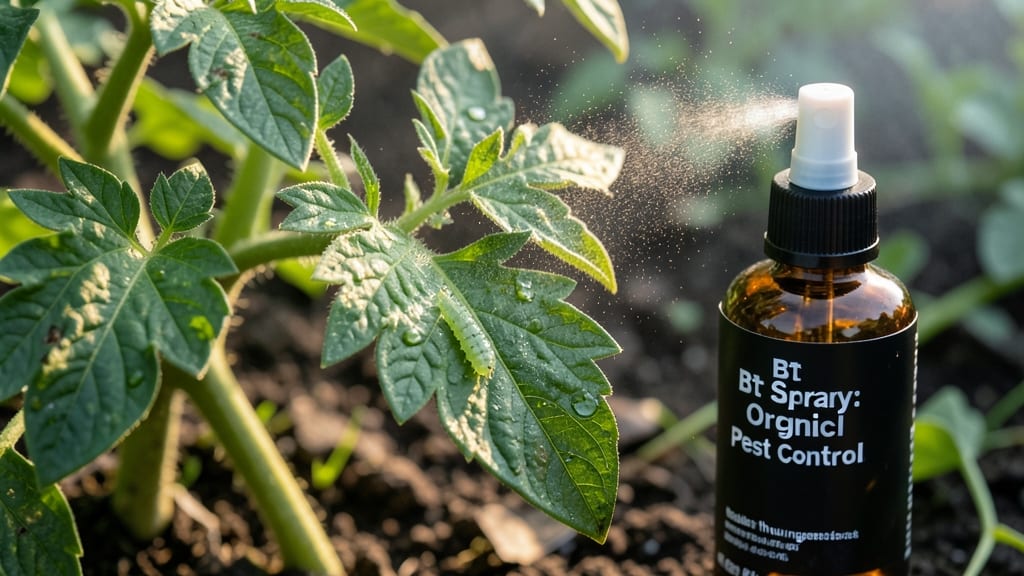
When tomato leaf worms strike, you need a solution that’s as precise as it is powerful—Bacillus thuringiensis (Bt) spray delivers exactly that. Unlike broad-spectrum sprays, Bt zeroes in on leaf worm larvae, disrupting their digestive systems and killing them within 48 hours while leaving bees, ladybugs, and other beneficial insects untouched.
This microbial spray works best when applied early in the morning or late afternoon, when larvae are most active. Mix it with water (follow label instructions) and spray directly on affected leaves—no need for heavy-duty protective gear. Reapply every 7-10 days or after rain, but unlike chemical pesticides, Bt breaks down quickly, making it safe for edible plants.
Perfect for gardeners who want targeted control without disrupting their ecosystem, Bt is especially useful in organic gardens or when other pests need to stay alive. 💡
Soap Spray with Castile Soap
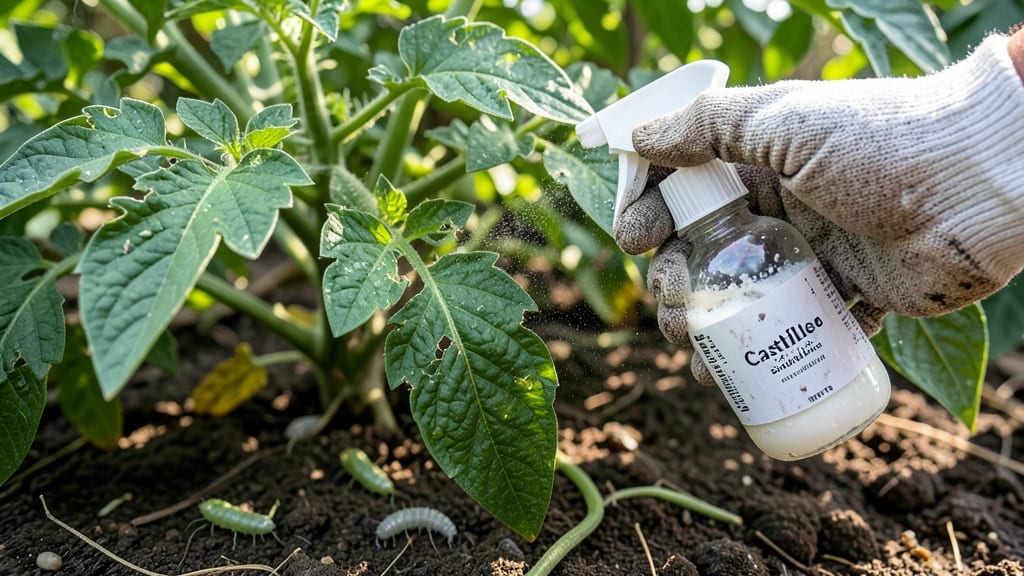
When you spot tomato leaf worms munching on your plants and need a fast fix, a soap spray with Castile soap delivers results within minutes. This simple, non-toxic solution works by suffocating the larvae on contact, making it ideal for small, contained outbreaks before they spread.
Mix 1 tablespoon of liquid Castile soap with 1 quart of water in a spray bottle, then apply directly to infested leaves—focus on the undersides where larvae hide. Reapply every 3-5 days or after rain, as water washes away the soap’s protective film. For best results, spray in the early morning when dew is present, allowing the solution to cling longer.
This method is perfect for urban gardeners or beginners with limited space, offering a quick, chemical-free way to protect your tomatoes without harming beneficial insects. Just be sure to test a small area first to avoid leaf burn. 🌱
Beauveria Bassiana Fungal Spray
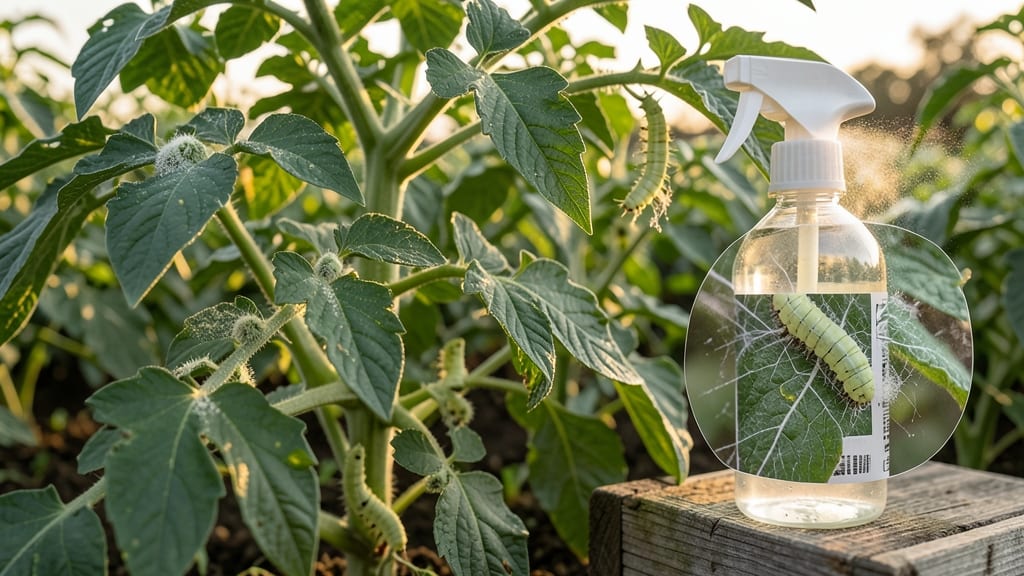
If your tomato plants are under siege in humid climates, where leaf worms multiply like crazy, Beauveria bassiana isn’t just another spray—it’s a biological game-changer. This natural fungal pathogen doesn’t just kill pests on contact; it infects them over 3-5 days, breaking their life cycle before they can reproduce.
Unlike fast-acting sprays that require frequent reapplication, Beauveria bassiana works silently in the background, thriving in damp conditions to create a long-term deterrent. Simply mix the powder with water and spray it on leaves at dusk (when pests are most active), ensuring the spores stick to their bodies. It’s especially effective in greenhouses or shaded beds where moisture lingers.
Perfect for gardeners who want a low-maintenance, eco-friendly solution that doesn’t disrupt your local ecosystem. Just remember: patience is key—this isn’t a quick fix, but a sustainable shield for your tomatoes. 🌿
Diatomaceous Earth Spray
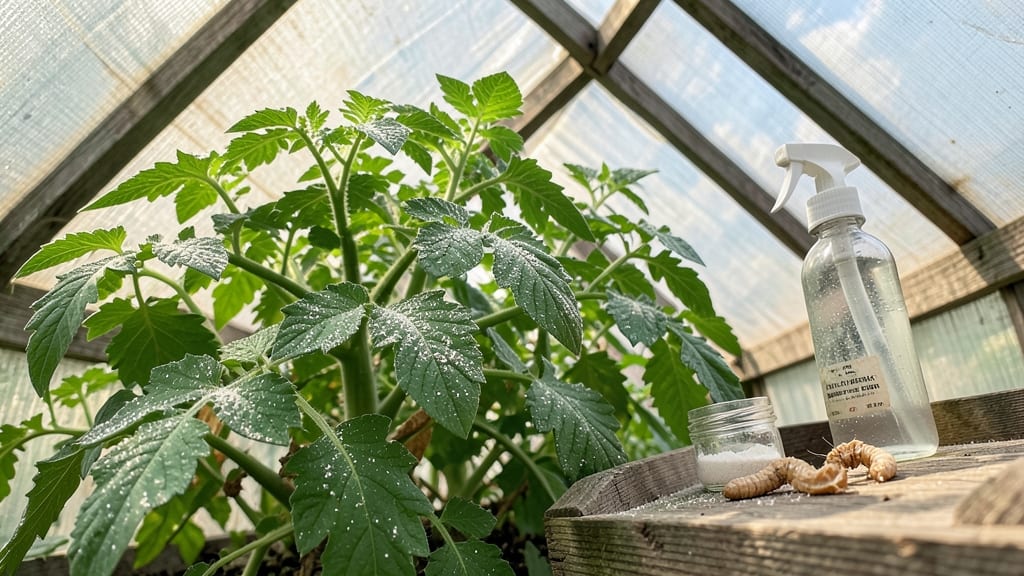
If your greenhouse tomato plants are under siege by leaf worms and you want a solution that’s safe for your family and pollinators, diatomaceous earth spray is your secret weapon. This fine, powdery mineral works by dehydrating the pests upon contact, offering a gentle yet effective defense without harsh chemicals.
To use it, simply dust the leaves of your tomato plants with food-grade diatomaceous earth (avoid breathing the powder). It’s most effective in dry conditions, as moisture can reduce its potency. Reapply every 7-10 days or after rain for continuous protection, and you’ll enjoy up to 2 weeks of residual defense against leaf worms. This method is especially ideal for greenhouse environments where humidity and temperature can create perfect conditions for pests.
Greenhouse growers and organic gardeners will appreciate how diatomaceous earth targets leaf worms while keeping your tomato plants thriving. 🌱
Essential Oil Blend Spray

When tomato leaf worms strike after sunset, they leave behind a trail of destruction—but a simple essential oil blend can outsmart them before they even reach your plants. This potent mix of cinnamon, clove, and peppermint oils disrupts their scent trails, making your tomatoes less appealing while keeping your garden safe and chemical-free.
To make it, combine 10 drops each of cinnamon and clove essential oils with 15 drops of peppermint oil in a spray bottle, then fill with water and a teaspoon of dish soap as an emulsifier. Shake well and apply directly to leaves at dusk when leaf worms are most active. The strong aromas confuse their navigation, reducing feeding within 24-48 hours. Reapply every 3-4 days or after rain for best results.
This method is perfect for gardeners who prefer non-toxic, fast-acting solutions without harming pollinators or beneficial insects. Plus, the scent doubles as a natural air freshener for your garden! 🌿
Beneficial Nematode Soil Drench
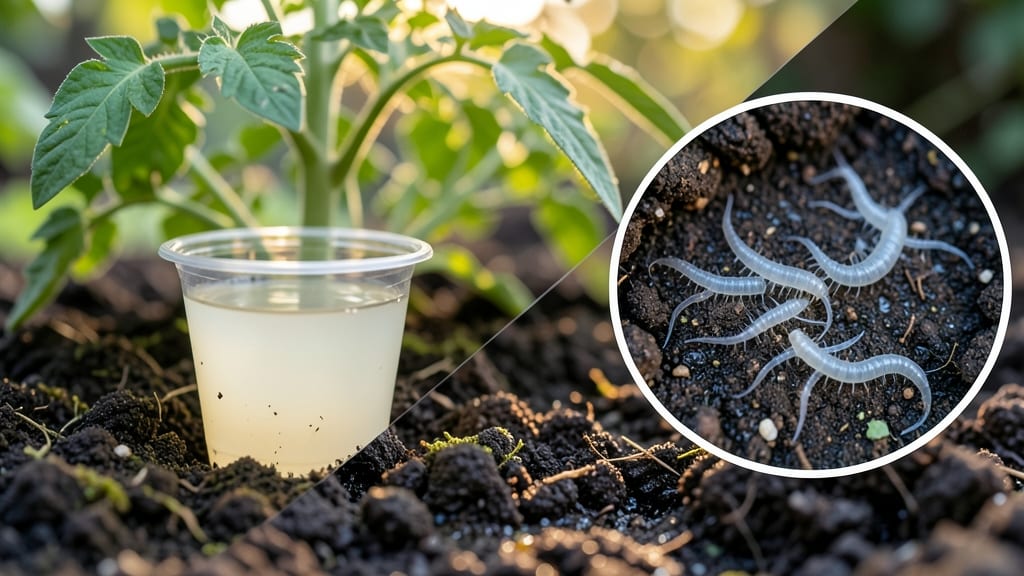
While most organic sprays focus on attacking leaf worms after they’ve already reached your plants, beneficial nematodes take a smarter approach by stopping them at the source—the soil. These microscopic allies seek out and destroy leaf worm larvae before they even emerge, making them the ultimate preventive weapon for established gardens.
Simply mix the nematodes with water and apply them directly to the soil around your tomato plants during evening hours to avoid sunlight. They thrive in moist, warm soil (60-85°F) and can persist for weeks, providing ongoing protection. This method is especially effective for gardeners who’ve battled recurring infestations or want to break the leaf worm life cycle entirely.
Perfect for organic gardeners and those with container-grown tomatoes, nematodes offer a chemical-free way to safeguard your crop without harming beneficial insects. Just add water, and let nature do the rest. 🌱
Potassium Soap and Horticultural Oil Mix
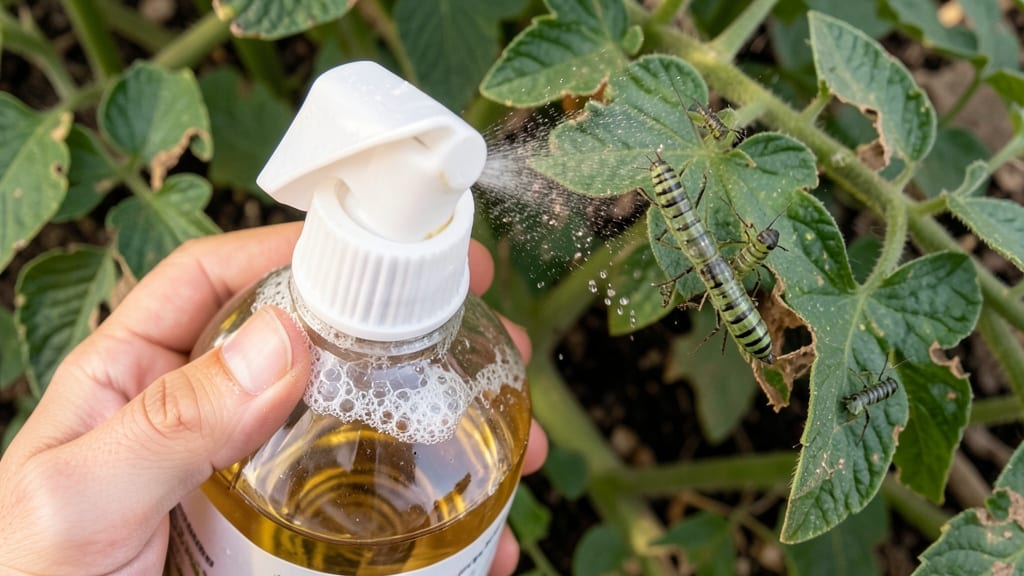
When single sprays like neem or soap fail to stop tomato leaf worms from ravaging your plants, a potassium soap and horticultural oil mix delivers a two-pronged attack. This powerful combo doesn’t just suffocate pests—it disrupts their feeding behavior, making them less likely to return after treatment.
Mix 1.5 tablespoons of potassium soap (like Liquid Fence) with 1 tablespoon of horticultural oil per gallon of water, then spray thoroughly on both leaf surfaces and stems. Apply in the early morning or evening to avoid harming beneficial insects, and reapply every 5-7 days or after heavy rain. The oil smothers the worms while the soap breaks down their protective layers, creating a barrier they can’t penetrate.
This is your go-to solution for persistent infestations that resist other organic methods, especially in container gardens or raised beds where pests cluster. 🌿
Plant-Based Pyrethrin Spray

When your tomato plants are under siege by tomato leaf worms and you need results fast, plant-based pyrethrin spray delivers within hours—no waiting weeks for fungal treatments or nematodes to take effect. Derived from chrysanthemums, this spray disrupts the pests' nervous systems, causing rapid paralysis and death, while leaving your plants unharmed.
Apply it in the early evening to maximize effectiveness, as leaf worms are most active then. The best part? Pyrethrin breaks down quickly, making it safe for pollinators after 24 hours, unlike synthetic pesticides that linger. For gardeners who prioritize speed and safety, this is your go-to emergency remedy—just mix with water and spray directly on infested leaves.
Perfect for last-minute rescues before harvest or when other organic methods haven’t yet taken hold, this spray is especially valuable for small-scale growers who want to protect their crop without harming the ecosystem. 🌟