
Planting
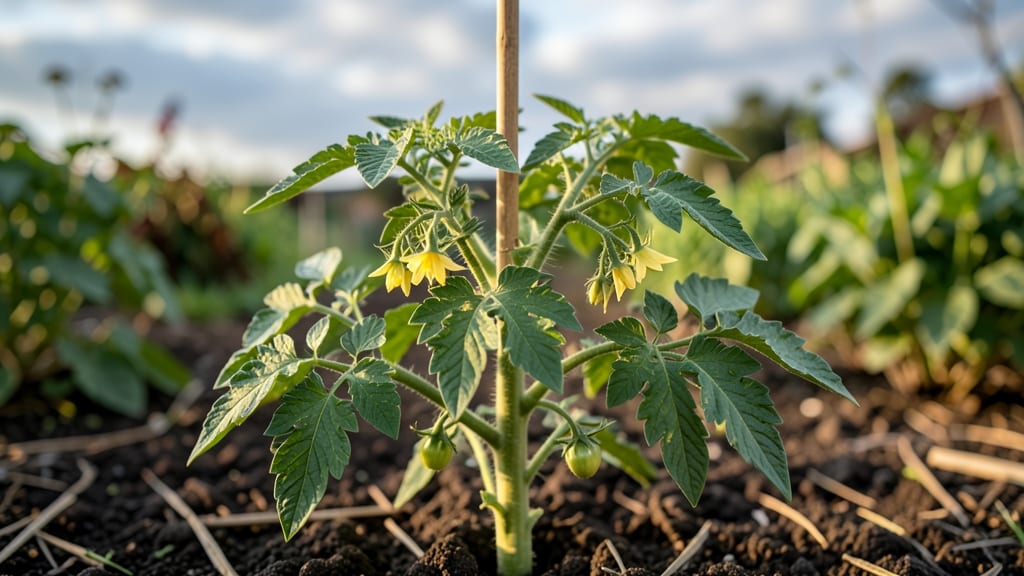
Your tomato plant flowering early can actually be a game-changer if you redirect its energy. 🌱 I’ve seen plants that bolted too soon still produce a bountiful harvest with the right adjustments—it’s all about managing stress and giving the plant the support it needs to focus on fruit, not just flowers.
The culprit is usually heat, light, or stress—think sudden temperature swings, too much sun, or inconsistent watering. Early flowering happens when the plant thinks it’s time to set fruit before it’s strong enough.
The fix? Prune aggressively to remove some of those early blooms, shade the plant during peak heat, and keep the soil consistently moist but not soggy.
What you’ll end up with is a stockier plant that puts energy into bigger, later blooms instead of tiny, early ones. I’ve seen yields double when I prune back the first flush of flowers and focus on the plant’s main stems.
The key is patience—let the plant build strength before it commits to fruit.
This works for determinate and indeterminate varieties, though indeterminates (like Sungolds) benefit the most from pruning. If your plant is already flowering, don’t panic—just start pruning and watch it bounce back with stronger growth in a few weeks.
Triggers Behind Early Blooming
Early flowering in tomato plants isn’t always a bad thing—it can actually mean a bountiful harvest if timed right. But when it happens too soon, it can stress your plants and reduce fruit quality. Here’s why it occurs, broken down by the key culprits:
🌱 Some varieties are just eager beavers! Certain tomato cultivars are bred to flower early, especially determinate (bush) types like 'Early Girl' or 'Stupice.' These varieties prioritize quick reproduction, which can lead to premature blooms—especially in warm climates.
If you’re growing heirlooms or hybrids labeled as "early-season," expect flowers to appear 4-6 weeks faster than indeterminate types like 'Sungold' or 'Brandywine.'
Actionable tip: 📊 Check seed packets or plant tags for days to maturity—if it’s under 60 days, your plant may naturally bolt early.
🌡️ Too hot, too cold, or just right? Tomatoes are temperature-sensitive, and extreme swings trigger early flowering as a survival tactic.
Here’s how: - Cold Snaps (Below 50°F/10°C): Chilly nights can shock plants into thinking winter is coming, prompting them to flower faster to set seed before frost. - Heat Waves (Above 90°F/32°C): While indeterminate tomatoes love heat, excessive daytime temps (especially at night) can cause flowers to drop or fruit to abort—leading to a second wave of blooms as the plant panics. - Day Length Changes: Shortening daylight (common in late summer) signals some varieties to shift from vegetative growth to flowering.
Pro tip: ✨ Use row covers in spring or shade cloth in summer to moderate temps and delay flowering until plants are stronger.
🌿 Plants in a squeeze bloom early! When tomato plants compete for light, water, or nutrients, they prioritize reproduction over growth.
Common stress factors: - Root Bound Containers: If roots circle the pot or are cramped, the plant perceives "drought stress" and flowers early to ensure survival. - Poor Airflow: Fungal diseases (like early blight) or humidity stress can force plants to bolt prematurely. - Competition from Weeds: Nearby weeds steal nutrients, weakening the tomato and triggering early blooms.
Fix it: 🔥 Prune lower leaves to improve airflow, upgrade containers (aim for 5+ gallons per plant), and mulch to retain moisture.
📊 Too much of a good thing (or not enough!) Tomatoes need a balanced diet, but imbalances can send them into early flowering mode:
- Excess Nitrogen (N): While nitrogen fuels leafy growth, too much (from fresh manure or over-fertilizing) can delay flowering—but once it tapers off, plants rush to bloom.
- Phosphorus (P) Overload: High-phosphorus fertilizers (like bone meal) directly stimulate flowering, which is great for seed production but bad for fruit yield if applied too early.
- Potassium (K) Deficiency: Without enough K, plants struggle to support new growth, leading to premature blooms as a last-ditch effort.
Solution: 💡 Use a balanced fertilizer (like 10-10-10) and side-dress with compost mid-season to avoid spikes in any single nutrient.
☀️ Not enough (or too much) sun = early blooms!
- Insufficient Light: Plants in partial shade stretch toward light and bolt early to maximize energy use.
- Sudden Light Increase: Moving a potted tomato from shade to full sun can shock it into thinking it’s time to reproduce.
Fix: 🌿 Ensure 6-8 hours of direct sunlight daily and avoid moving plants abruptly.
💧 Drought or drought?
- Underwatering: Stress from dry soil triggers early flowering as a survival mechanism.
- Overwatering: Poor drainage or soggy roots can suffocate roots, forcing the plant to focus on reproduction.
Rule of thumb: 🎯 Keep soil consistently moist (1-2 inches deep) but not waterlogged. Use drip irrigation for steady hydration.
🔥 Ripe fruit nearby? Your tomato might get jealous! Ethylene gas, released by ripe fruit, compost piles, or even nearby apples, can signal tomato plants to flower early. This is why you might see second flushes of blooms after the first harvest.
Workaround: 🚫 Avoid storing ethylene-producing fruits (like bananas or avocados) near your tomato patch.
Fixing Early Flowering in Tomatoes
Early blooms on your tomato plants can be frustrating, but the good news is that you can often correct the issue with targeted adjustments. Below are practical, step-by-step solutions tailored to the most common causes of premature flowering—plus prevention tips to keep your plants thriving for a longer harvest season.
If your tomato plant is flowering too early due to excessive light or heat stress, it’s likely prioritizing reproduction over vegetative growth. Here’s how to balance it:
🔥 Reduce Direct Sunlight (If Needed)
- Move plants to partial shade (especially in hot climates) by placing them under 30-50% shade cloth or relocating them to a spot with morning sun and afternoon shade.
- Use reflective mulch (like white gravel or aluminum foil) around the base to bounce light away from the plant during peak heat.
🌡️ Extend the Growing Season
- Start seeds indoors 6-8 weeks before the last frost date to ensure sturdy, well-developed plants before transplanting.
- Use row covers (floating fabric) in early spring to delay heat buildup and encourage leafy growth before flowers form.
✨ Prevention Tip:
If you’re in a hot climate, opt for heat-tolerant varieties like ‘Solar Fire’ or ‘Heatmaster’—they handle warmth better and delay early flowering.
Nutrient imbalances (especially too much nitrogen or inconsistent watering) can trigger early flowering. Fix it with these adjustments:
🍳 Balance Fertilizer for Leafy Growth
- Switch to a high-nitrogen fertilizer (like a 3-1-2 ratio) immediately if your plant is flowering too soon.
- Avoid phosphorus-heavy fertilizers (like 5-10-10) until the plant has 5-6 true leaves—this nutrient promotes flowering, which you want to delay.
- Use compost tea or fish emulsion for a gentle nitrogen boost without overstimulating blooms.
👨🍳 Master Consistent Watering
- Water deeply 1-2 times per week (depending on soil dryness) to encourage strong root development.
- Avoid overhead watering—use drip irrigation to keep foliage dry and prevent stress that might trigger early flowers.
- Check soil moisture by sticking your finger 2 inches deep; if dry, water thoroughly.
🔥 Pro Tip:
If your plant is already flowering early, prune off the first few flower clusters (see next section) and focus on feeding nitrogen to redirect energy to leaves and stems.
Pruning is one of the most effective ways to stop early flowering and encourage bushier, more productive plants. Here’s how to do it right:
🔪 Remove Early Flower Clusters
- Snip off the first 2-3 flower clusters (if they’ve already formed) using clean pruning shears.
- Focus on suckers (the small shoots between the main stem and branches)—these compete for energy. Remove them early to keep the plant growing upward.
🌿 Prune for Better Airflow
- Thin out crowded leaves to improve circulation and sunlight penetration.
- Avoid heavy pruning—remove no more than 20% of the plant at once to prevent shock.
⏰ Time Your Pruning Correctly
- Prune in the morning so wounds have time to heal before evening.
- Stop pruning 4-6 weeks before the first frost to allow the plant to harden off and set late-season fruit.
💡 Prevention Tip:
For indeterminate varieties (like ‘Better Boy’ or ‘Cherokee Purple’), prune aggressively early on to delay flowering. For determinate tomatoes (like ‘Roma’), prune lightly—just enough to shape the plant.
If your plant is flowering early due to heat spikes, take these steps to cool it down:
🌬️ Increase Airflow
- Space plants 18-24 inches apart to prevent overcrowding and heat buildup.
- Use a small fan (on low) near the plant to mimic wind and reduce stress.
🌊 Use Mulch to Regulate Soil Temp
- Apply 2-3 inches of organic mulch (straw, grass clippings, or wood chips) to keep roots cool and retain moisture.
- Avoid black plastic mulch in hot climates—it traps heat and accelerates flowering.
🎯 Prevention Tip:
If you’re growing in containers, choose larger pots (5+ gallons) to give roots more stability and bury the pot halfway in the ground to moderate temperature swings.
If early flowering is a recurring issue, select varieties bred for your climate:
- Cool climates? Try ‘Stupice’ or ‘Glacier’—they handle shorter seasons well.
- Hot climates? Go for ‘Heatmaster’ or ‘Solar Fire’—they delay flowering until temps stabilize.
- Container gardening? ‘Tiny Tim’ or ‘Patio Princess’ stay compact and flower later.
Final Thought: With the right adjustments—light management, balanced fertilization, strategic pruning, and temperature control—you can delay early flowering and maximize your tomato yield. Start with one or two fixes (like pruning + nitrogen boost) and monitor progress before making bigger changes. Happy growing! 🍅🌿
Frequently asked questions
Why do some tomato varieties flower earlier than others?
Certain tomato types, especially determinate varieties like 'Early Girl' or 'Stupice,' are bred to mature quickly and often flower within 4-6 weeks of transplanting. These varieties prioritize fast reproduction, while indeterminate types like 'Sungold' focus more on vine growth before flowering. Always check seed packets for days to maturity—if it's under 60 days, expect early blooms.
Can I still get a good harvest if my tomato plant flowers early?
Early flowering doesn't ruin your harvest—it just means you need to manage it. Prune off the first 2-3 flower clusters and focus on building the plant's strength with nitrogen-rich fertilizer and consistent watering. This redirects energy to later, more productive blooms. Many gardeners double their yield this way!
How do I know if my tomato plant is getting too much heat?
Watch for drooping leaves, yellowing foliage, or flowers dropping—these are classic signs of heat stress. Tomatoes thrive in 70-85°F daytime temps; above 90°F, they start panicking and flower early. Use shade cloth (30-50%) or provide afternoon shade to help. A quick fix is also to water deeply in the morning to cool the roots.
What's the best time to prune early flowers for maximum yield?
Prune in the morning when the plant is hydrated, and always use clean shears. For indeterminate tomatoes, remove the first 2-3 flower clusters to encourage stronger vine growth. For determinate types, prune lightly—just enough to shape the plant. Stop pruning 4-6 weeks before frost to let the plant set late-season fruit.
Will removing early flowers stunt my tomato plant's growth?
Not at all! Pruning early flowers actually boosts growth by redirecting the plant's energy to leaf and stem development. Think of it like giving your tomato a growth spurt—removing flowers lets the plant focus on building a stronger structure that supports bigger, later blooms. Just avoid removing more than 20% of the plant at once to prevent shock.