
Plants
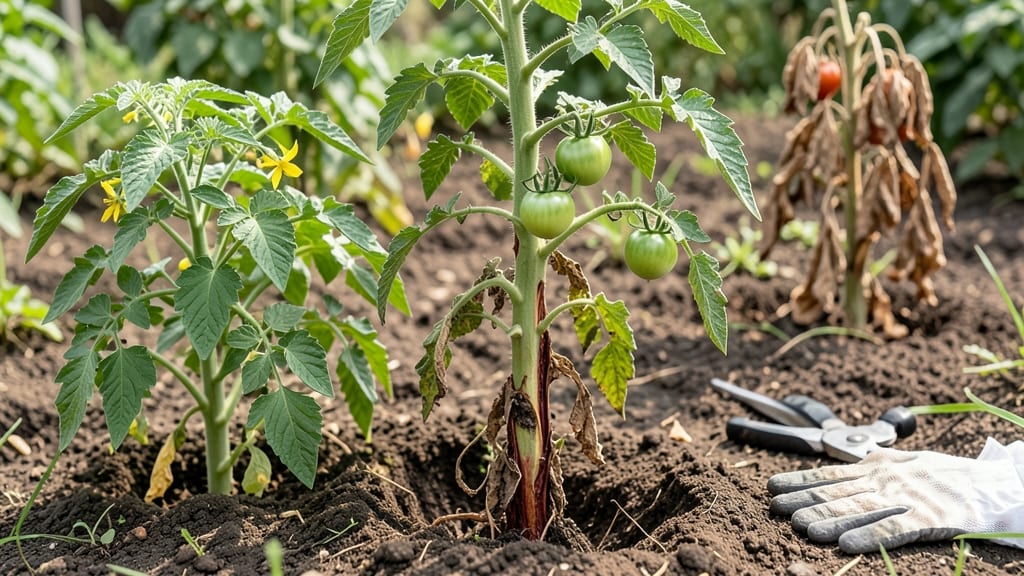
Fusarium wilt turns your thriving tomato plants into sad, droopy shadows overnight. 🌱 I’ve lost entire harvests to this sneaky soil fungus, but I’ve also learned how to fight back—starting with soil sterilization that actually works.
The problem isn’t just wilting leaves or yellowing stems; it’s the fungus lurking in your soil, waiting to clog your plants’ vascular system like a slow-motion blockage. Most gardeners don’t realize they’re making it worse by reusing contaminated soil or ignoring crop rotation.
With the right sterilization methods—like solarization, baking soil, or even just a fresh layer of compost—you can break the fungus’s cycle and give your tomatoes a fighting chance. My plants now stay strong for weeks longer than before, and the soil stays healthier season after season.
This isn’t just about saving a few plants—it’s about building a garden that fights back. Let’s get your soil working for you, not against you.
The Hidden Triggers Behind Wilted Plants
Fusarium wilt in tomato plants isn’t just a random disease—it’s the result of specific conditions that create the perfect storm for fungal invasion. Understanding these triggers helps you take targeted action to prevent or manage the issue before it devastates your garden.
Let’s break down the science behind why this stubborn pathogen thrives.
Fusarium oxysporum f. sp. lycopersici, the culprit behind tomato wilt, is a soilborne fungus that survives for years in organic matter, infected plant debris, or even waterlogged soil. Unlike some pathogens that spread through air or insects, this fungus lies dormant in the soil until conditions become favorable.
- Long-term survival: The fungus can persist in soil for 10+ years, making contaminated garden beds a recurring problem.
- Spore germination: Warm soil temperatures (ideal range: 77–95°F) trigger spores to germinate and infect plant roots.
- Root entry points: Weakened roots (from stress, injury, or poor drainage) provide easy access for the fungus to invade vascular tissue.
Pro tip: 💡 If you’ve grown tomatoes in the same spot before, the risk of reinfection is high. Rotate crops and test soil health to minimize fungal reservoirs.
Fusarium wilt thrives in hot, humid environments—the same conditions that often stress tomato plants. Here’s how climate plays a role:
| Factor | How It Helps the Fungus | Your Action to Counter |
|---|---|---|
| High temps | Speeds up fungal growth (peaks at 86–95°F) | Use shade cloth or mulch to moderate soil temp. |
| Poor drainage | Waterlogged soil weakens roots and spreads spores | Improve soil structure with compost or sand. |
| Heavy rain | Washes spores deeper into soil and onto leaves | Avoid overhead watering; use drip irrigation. |
Warning: 🌡️ If your garden bakes under summer sun with stagnant water, you’re essentially rolling out the red carpet for Fusarium.
Stressed tomato plants are like open doors for Fusarium. Common stressors that lower defenses include:
- Overcrowding: Competing plants starve roots of nutrients, making them vulnerable.
- Nutrient deficiencies: Low phosphorus or potassium weakens root structure.
- Physical damage: Rough handling (like transplant shock) creates entry points for spores.
- Water stress: Alternating drought and overwatering disrupts root health.
Actionable fix: 💪 Strengthen plants with balanced fertilizer (like 10-10-10) and proper spacing (18–24 inches apart) to reduce competition.
Fusarium can hitchhike on garden tools, containers, or infected seedlings, spreading it to healthy plants. Even seemingly clean equipment can harbor spores if not sterilized.
- Infected seeds/seedlings: Purchase from reputable sources; avoid nurseries with wilted tomato displays.
- Shared tools: Pruners, trowels, or trellises used in infected areas may transfer spores.
- Compost: Homemade compost from diseased plants can reintroduce the fungus.
Pro tip: ✨ Sterilize tools with 70% isopropyl alcohol or a 10% bleach solution between uses.
If Fusarium wilt has appeared before in your garden, the fungus is likely already embedded in the soil. Even if you removed infected plants, spores can remain viable for years.
- No-crop rotation: Growing tomatoes (or related nightshades like peppers/eggplants) in the same spot annually increases risk.
- Organic matter buildup: Old plant debris, especially from infected crops, acts as a fungal buffet.
Solution: 🔄 Implement a 3–4 year rotation with non-host plants (like beans, corn, or brassicas) to starve out the fungus. For high-risk areas, consider soil solarization (covering soil with clear plastic under summer sun to kill pathogens).
Fusarium wilt doesn’t strike randomly—it exploits weak plants, poor soil conditions, and ideal fungal environments. By addressing these root causes (literally and figuratively), you can disrupt the fungus’s lifecycle and protect your tomato harvest. Next up: how to sterilize soil and break the cycle—stay tuned!
Fixing and Preventing Soil-Borne Blight
Fusarium wilt may feel like a death sentence for your tomato plants, but with the right steps, you can save your garden—and even future harvests.
The key lies in targeted fixes for the root causes (soil contamination, stress, or poor drainage) and preventive measures to keep the fungus at bay. Below, we break down practical solutions by cause, so you can take action fast.
If you spot wilting leaves, yellowing stems, or blackened vascular tissue, act fast—do not compost infected plants. Fusarium spores can survive in compost for years!
- 🍳 Dig up and destroy affected plants (burn or trash them—do not leave them in the garden).
- 👨🍳 Wear gloves to avoid spreading spores to healthy plants.
- ⏰ Time it right: Remove plants before spores spread to other tomatoes or susceptible crops (like peppers or eggplants).
Pro Tip: 💡 If you’re unsure whether a plant is infected, slice the stem—if it’s discolored (brown or black), it’s wilted.
Fusarium thrives in contaminated, warm, and moist soil. To break the cycle:
🔪 Option 1: Solarization (Free & Chemical-Free)
- ⏰ Best for: Warm climates (spring/fall when temps hit 85–105°F/30–40°C).
- 🍳 How to do it: 1. Water the soil deeply to saturate it. 2. Cover bare soil (no plants!) with clear plastic sheeting (4–6 mil thickness).
- Secure edges with soil or rocks to trap heat.
- Leave for 4–6 weeks (longer in cooler climates). - ✨ Why it works: Sun’s heat kills 99% of Fusarium spores without chemicals.
🔪 Option 2: Steam or Boil Soil (For Containers & Small Gardens)
- ⏰ Best for: Potted tomatoes or raised beds.
- 🍳 How to do it: 1. Remove plants and debris.
- Soak soil in water for 24 hours, then steam it (use a pressure steamer or boil in batches).
- Let cool before replanting. - 💡 Pro Tip: Mix in sterilized compost (baked at 200°F/93°C for 30 mins) for nutrients.
🔪 Option 3: Chemical Soil Treatment (Last Resort)
If solarization isn’t an option, use fungicides with active ingredients like:
- Chlorothalonil (e.g., Daconil)
- Propiconazole (e.g., Banner Maxx)
- Follow label instructions—overuse can harm beneficial microbes.
⚠️ Warning: Chemicals won’t cure an active infection but can suppress spores in the soil.
Fusarium loves tomatoes, peppers, eggplants, and potatoes. Break the cycle with:
- 🎯 3–4 year crop rotation: Plant non-hosts (beans, lettuce, onions, or brassicas) in infected beds.
- 🥗 Avoid planting susceptible crops in the same spot yearly.
- ✨ Bonus: Interplant with marigolds or garlic—they naturally repel fungi.
Healthy plants fight off Fusarium better. Boost defenses with: - 🌡️ Proper watering: Deep water at soil level (avoid overhead sprinklers—wet leaves = fungal entry). - 🍅 Balanced fertilizer: Too much nitrogen = weak stems.
Use a low-N, high-P/K blend (e.g., 5-10-10). - 🌿 Mulch with straw or grass clippings to reduce soil splash onto leaves. - 💡 Pro Tip: Prune lower leaves to improve airflow and dry foliage faster.
Once Fusarium is in your soil, it’s almost impossible to fully eradicate—but you can starve it out:
- 🔥 Plant resistant varieties: Look for Fusarium-resistant tomatoes like:
- ‘Mountain Merit’
- ‘Defiant PhR’
- ‘Celebrity’ (moderate resistance)
- 🌱 Use raised beds with fresh, sterilized soil if your garden is chronically infected.
- 🚫 Avoid tilling: Disturbing soil spreads spores—top-dress with compost instead.
| Cause | Immediate Fix | Prevention |
|---|---|---|
| Infected plants | Remove & destroy | Solarize soil or use fungicides |
| Contaminated soil | Sterilize (solarization/steam) | Crop rotation + resistant varieties |
| Poor drainage | Amend soil with sand/compost | Raised beds, proper mulching |
| Overwatering | Adjust watering, improve airflow | Drip irrigation, prune foliage |
| Weak plants | Fertilize (low N, high K) | Mulch, avoid over-fertilizing |
Final Thought: Fusarium wilt is manageable—not hopeless. By sterilizing soil, rotating crops, and choosing resistant plants, you can protect your tomatoes and keep your garden thriving. Start today, and next season, you’ll be harvesting juicy, wilt-free tomatoes! 🍅🔥
Frequently asked questions about tomato plant Fusarium wilt
How do I know if my tomato plant has Fusarium wilt?
Look for sudden wilting in one branch or half the plant (not all leaves), yellowing lower leaves, and black or brown streaks inside the stem when sliced. The key difference from drought stress? Wilting happens even when soil is moist and spreads upward.
Can I save a tomato plant already showing Fusarium wilt symptoms?
Unfortunately, no—once symptoms appear, the fungus has already invaded the plant’s vascular system. Remove and destroy the plant immediately to prevent spread. Focus on sterilizing the soil and planting resistant varieties next season instead.
What’s the best way to sterilize soil for Fusarium wilt?
For in-ground beds, try solarization: Water soil deeply, cover with clear plastic for 4–6 weeks during 85–105°F weather. For containers, steam soil at 200°F for 30 minutes or bake in an oven. Chemical fungicides can help suppress spores but won’t cure active infections.
Will crop rotation really prevent Fusarium wilt?
Yes! Avoid planting tomatoes, peppers, or eggplants in the same spot for 3–4 years. Use the time to grow non-host plants like beans, lettuce, or brassicas. This starves the fungus by removing its food source. For high-risk gardens, consider raised beds with fresh, sterilized soil.
Are there organic ways to treat Fusarium wilt?
While no organic method fully eradicates the fungus, you can reduce risk by:
- Using compost tea (rich in beneficial microbes)
- Planting marigolds or garlic nearby (natural fungicides)
- Applying neem oil as a preventative spray The most effective organic approach is soil solarization combined with crop rotation.